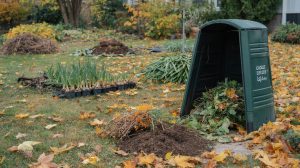
December is the month most gardeners in cold climates pack it in, but if you're in Zone 9 or 10, the calendar tells a different story.
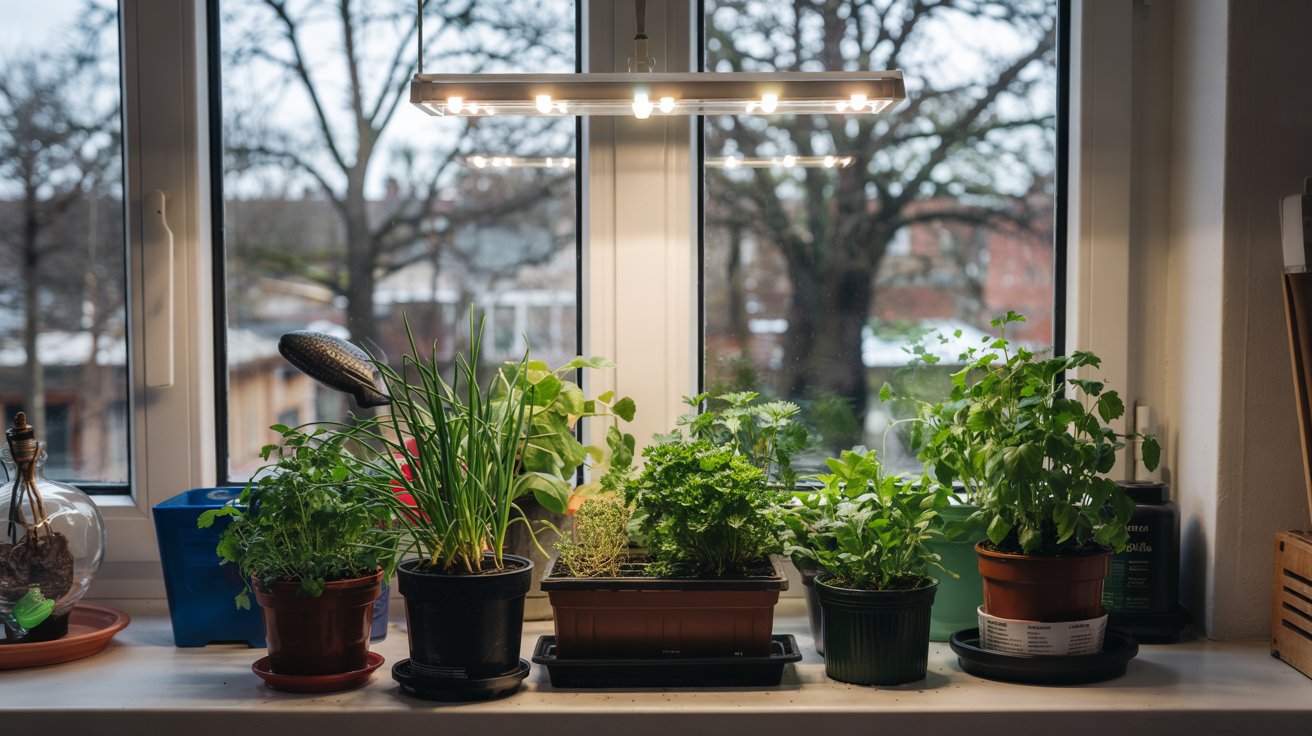
Mild winters across Florida, southern Arizona, coastal California, and the Gulf Coast mean the soil stays workable and cool-season crops actually prefer these conditions.
Daytime highs in the 60s and 70s suit leafy greens, root vegetables, and brassicas far better than summer heat ever could.
Frost risk exists - especially in Zone 9 - but it's manageable with a few simple precautions rather than a reason to stop gardening entirely.
Florida's monthly planting calendar confirms December as one of the most productive outdoor planting windows for warm-zone gardeners, particularly for transplants set out now for a late-winter harvest.
This guide covers what to plant outdoors in Zone 9-10 right now, which herbs and flowers work indoors or out, and a step-by-step plan you can put to work this weekend.
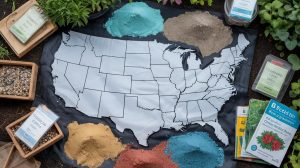
Check the USDA zone map to confirm your zone before you head to the nursery.
December is prime planting season in Zone 9-10. Direct-sow cool-season vegetables like lettuce, radishes, and carrots outdoors.
Start herbs and flowers indoors or in containers. Light frost risk in Zone 9 calls for row cover on hand, but most crops handle December temps with ease.
Set transplants out early in December to give roots several weeks to establish before the coldest nights. Waiting until late December cuts into your harvest window by two to three weeks.
December Vegetables to Plant in Zone 9-10
Cool-season vegetables are the workhorses of a December Zone 9-10 garden. Soil temperatures between 50°F and 65°F favor germination and steady growth for most of the crops below, and harvests can begin as early as late January for fast-maturing varieties.
Remember it later
Planning to try this recipe soon? Save it for a quick find later!
Direct sowing works well for root vegetables and greens that resent transplanting. For slower crops like broccoli and cauliflower, nursery transplants save four to six weeks and give you a better shot at harvest before spring heat arrives.
Arizona Cooperative Extension's Maricopa County planting calendar identifies December as a viable sowing window for many cool-season crops across the low desert, provided irrigation keeps the soil consistently moist through germination.
| Vegetable | Method | Days to Harvest | Notes |
|---|---|---|---|
| Lettuce | Direct sow or transplant | 45-60 days | Cut-and-come-again varieties ideal |
| Radish | Direct sow | 22-30 days | Fastest crop in the December garden |
| Kale | Transplant | 55-75 days | Flavor improves after light frost |
| Spinach | Direct sow | 40-50 days | Prefers temps below 70°F to avoid bolting |
| Carrots | Direct sow | 70-80 days | Loosen soil 12 inches deep before sowing |
| Broccoli | Transplant | 50-70 days from transplant | Set out 6-week-old starts for best results |
| Cauliflower | Transplant | 55-80 days from transplant | Needs consistent moisture; mulch around base |
| Beets | Direct sow | 50-70 days | Thin to 3 inches apart after germination |
| Swiss Chard | Direct sow or transplant | 50-60 days | Tolerates brief dips to 25°F |
| Peas (snap/snow) | Direct sow | 60-70 days | December sowing avoids spring heat bolt |
Succession sowing radishes every two weeks through January keeps a steady supply coming without a glut. For everything else, one planting in early December and a second in mid-December covers most household needs.
Growing lettuce in containers works just as well as in-ground planting - a container lettuce setup can move under cover on the rare nights when temps threaten to drop below 28°F in Zone 9.
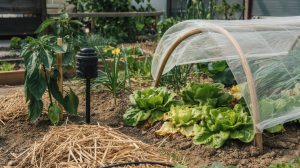
Zone 9 gardeners should keep a roll of row cover or frost cloth nearby from December through February. A single night below 28°F can damage broccoli heads and cauliflower curds that are close to harvest.
December Flowers and Herbs: Indoor and Zone 9-10
December in warm zones is surprisingly good for both flowers and herbs. Many Mediterranean herbs - rosemary, thyme, oregano - are fully at home in Zone 9-10 winters, growing slowly but steadily through the cool months with almost no intervention.
The University of Florida's guide to winter herbs and vegetables for Zone 10 highlights cilantro and parsley as especially productive in December, when lower temperatures keep them from bolting for weeks longer than spring plantings.
| Plant | Type | Location | Key Notes |
|---|---|---|---|
| Cilantro | Herb | Outdoor / Indoor | Direct sow; bolts slowly in cool temps |
| Parsley | Herb | Outdoor / Indoor | Start transplants; slow from seed |
| Rosemary | Herb | Outdoor | Drought tolerant; plant in well-drained soil |
| Chives | Herb | Outdoor / Indoor pot | Grows well in a 6-inch pot on a sunny windowsill |
| Thyme | Herb | Outdoor | Handles Zone 9 frosts without protection |
| Basil (indoor) | Herb | Indoor only | Needs 6+ hours of direct light or grow lamp |
| Microgreens | Greens/Herb | Indoor | Ready in 7-14 days; no garden space needed |
| Snapdragon | Flower | Outdoor Zone 9-10 | Transplant now for February-March bloom |
| Pansy | Flower | Outdoor Zone 9-10 | Blooms all winter; tolerates light frost |
| Sweet Alyssum | Flower | Outdoor Zone 9-10 | Direct sow; attracts beneficial insects |
| Dianthus | Flower | Outdoor Zone 9-10 | Long bloom period through spring |
Indoor herbs need at least 4-6 hours of direct sun per day, ideally from a south-facing window. Basil is the one exception to easy December growing - it sulks below 60°F and must stay indoors with supplemental light.
Microgreens deserve a spot on every December windowsill. A shallow tray of sunflower, pea shoots, or radish microgreens goes from seed to harvest in as little as 7 days and needs nothing more than a bright window and a spray bottle.
For outdoor flowers, pansies and snapdragons planted now will peak in February and March - well before spring transplants bought later even get established. Check the monthly planting guides for what to add once those winter flowers finish.
Sweet alyssum direct-sown in December doubles as a living mulch between vegetable rows, suppressing weeds and drawing predatory wasps that control aphids on your kale and broccoli.
December Planting Plan: A Flexible Step-by-Step
A simple sequence makes December planting far less overwhelming. Whether you're working a raised bed in Phoenix or a container patio in Tampa, the same basic order applies - prep first, then plant in layers from longest to shortest harvest time.
Arizona Cooperative Extension's December sowing guidance recommends getting transplants in the ground by the first week of December to maximize the cool growing window before February warmth begins pushing plants toward bolt.
A complete vegetable planting calendar helps you map the entire year, so your December plantings connect logically to what you'll grow in spring and summer without gaps.
By March, your December-sown carrots and beets will be finishing just as it's time to think about March warm-season starts. That handoff - cool-season out, warm-season in - is the rhythm that keeps a Zone 9-10 garden productive year-round.
April brings the first heat-loving crops; knowing what's worth planting in April in your zone prevents wasted seed money on cool-season crops that bolt immediately. And when late spring arrives, May planting decisions differ significantly from what works in December.
Frequently Asked Questions
Florida gardeners in Zone 9-10 can plant outdoors in December with lettuce, kale, radishes, carrots, broccoli, peas, and herbs like cilantro and parsley all performing well in December's cooler temperatures.
Zone 9-10 December plantings focus on cool-season crops: direct-sow radishes (harvest in 22-30 days), lettuce, spinach, beets, and carrots; set out broccoli and cauliflower transplants for harvest in 50-80 days.
Chives, parsley, and microgreens are the most reliable December indoor options. Microgreens harvest in as little as 7 days; basil needs supplemental grow-light hours since it struggles below 60°F.
Zone 9 averages 2-5 frost nights per winter, typically brief dips to 28-32°F. Row cover or frost cloth over transplants on those nights prevents damage to broccoli, cauliflower, and tender herbs.
Use transplants for broccoli and cauliflower to save 4-6 weeks of growing time. Direct-sow carrots, radishes, beets, spinach, and peas — these crops perform poorly when their roots are disturbed during transplanting.
Pin it for your next what to plant in december (vegetables flowers herbs) project.