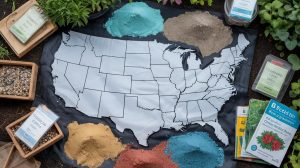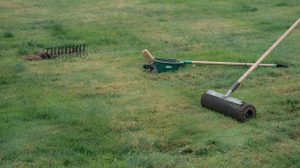
Summer heat can turn a thriving garden into a stressed, struggling one fast. A few targeted habits - consistent watering, fresh mulch, and timely lawn adjustments - make the difference between plants that survive and plants that produce all season long.
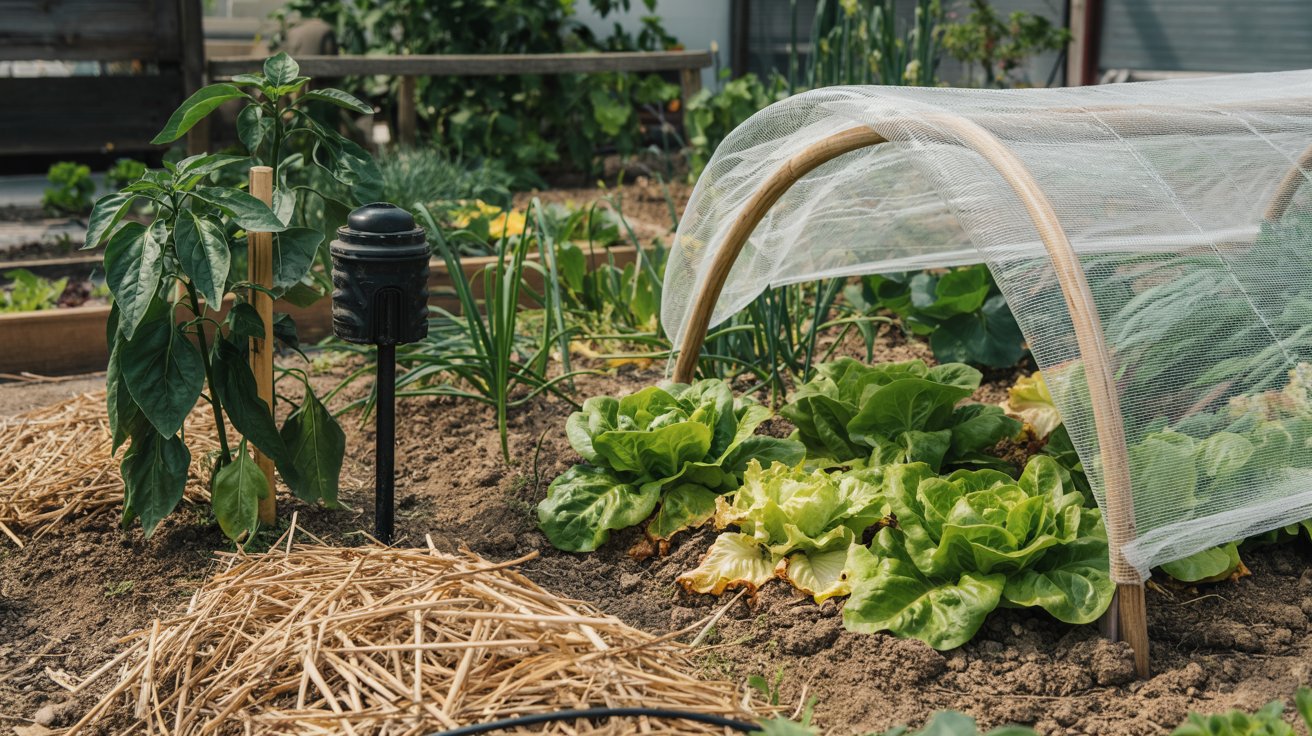
Most summer garden problems trace back to just three missteps: watering at the wrong time, skipping mulch, and mowing too short during heat waves.
This guide covers the full summer maintenance cycle, from early-morning watering routines through month-by-month task windows for May to August. If you're also tracking what to grow alongside your maintenance plan, a vegetable planting calendar can help you sync plantings with seasonal care.
Whether you're managing containers on a patio or a full backyard perennial border, the core principles are the same. Reduce heat stress, hold soil moisture, and don't push plants harder than the season allows.
Summer garden care focuses on water efficiency, mulch depth, and heat-stress prevention. Most lawns need 1–1.5 inches of water weekly, mulch should sit 3 inches deep, and mowing height matters more in July than any other month.
Annuals, perennials, and containers each need slightly different handling.
Seasonal Checklist: Watering and Moisture Management
Soil moisture is the single most important variable you can control in summer.
Remember it later
Planning to try this recipe soon? Save it for a quick find later!
Before you reach for the hose, push a finger or a screwdriver 3-4 inches into the soil - if it comes out dry and clean, it's time to water; if it comes out damp or with soil clinging to it, hold off another day.
According to UC IPM irrigation research, most lawns require about 1 to 1.5 inches of water per week to keep the root zone moist during summer. Garden beds with mulch in place typically need slightly less than bare-soil beds.
Water deeply and less often rather than a little every day. Deep watering encourages roots to grow downward, where soil stays cooler and retains moisture longer.
Containers dry out faster than in-ground beds - sometimes daily watering is needed during heat spikes above 90°F. Check them every morning without fail.
Perennials and annuals in open beds generally need water every 2-3 days during hot, dry stretches with no rainfall. Adjust that cadence any week you receive more than half an inch of rain.
| Day | Task | Priority |
|---|---|---|
| Day 1 (Monday) | Check soil moisture in beds and containers; water containers if dry | High |
| Day 2 | Water lawn and perennial beds deeply if soil test shows dry at 3 inches | High |
| Day 3 | Check containers again; spot-water wilting annuals | Medium |
| Day 4 | Inspect mulch layer; top up any areas where it has thinned below 2 inches | Medium |
| Day 5 | Deep-water beds again; check for signs of heat stress (leaf curl, dry edges) | High |
| Day 6 | Rest day if rainfall received; otherwise repeat container check | Low |
| Day 7 (Sunday) | Review the week: note which plants showed stress and adjust next week's schedule | Medium |
Morning is always the best time to water - early enough that foliage dries before afternoon heat, which reduces fungal disease risk significantly. Evening watering leaves moisture on leaves overnight and can encourage mildew on susceptible plants like squash and roses.
Rainfall adjustments are straightforward. If your area receives 0.5 inches or more in a week, skip one full watering cycle for in-ground beds.
If you get a full inch, you can typically skip two cycles. Containers still need checking regardless of rain, since they rarely capture enough runoff to stay adequately moist.
Never fertilize stressed, dry plants. High-nitrogen fertilizer applied during drought or extreme heat can burn roots and accelerate wilting. Wait until the plant recovers before resuming any feeding program.
Drip irrigation and soaker hoses reduce water use by delivering moisture directly to the root zone. They also keep foliage dry, which is especially helpful for vegetable gardens where wet leaves can spread disease.
If you're comparing your summer setup to other seasonal routines, see how spring lawn recovery differs in approach from summer maintenance.
Mulching, Soil Health, and Summer Lawn Care
Mulch does more work per dollar than almost anything else you apply in summer. A proper layer insulates roots from temperature swings, slows evaporation, and suppresses weeds that compete for moisture.
The University of Florida IFAS recommends mulching to a depth of about 3 inches around plants and beds to conserve soil moisture and moderate soil temperature. Keep mulch pulled back 2-3 inches from plant stems and tree trunks to prevent rot.
| Material / Grass Type | Recommended Depth / Height | Best Use |
|---|---|---|
| Shredded hardwood mulch | 3 inches | Perennial beds, trees |
| Straw mulch | 2–3 inches | Vegetable gardens |
| Pine bark nuggets | 3 inches | Shrubs, acid-loving plants |
| Cool-season grasses (fescue, bluegrass) | 2.5–3.5 inches mowing height | Summer heat protection |
| Warm-season grasses (bermuda, zoysia) | 1–2 inches mowing height | Standard summer cut |
According to Rutgers Cooperative Extension's turfgrass management guide, mowing height for most cool-season grasses should be kept at 2.5 to 3.5 inches in summer. Taller grass shades the soil, keeps roots cooler, and competes better against crabgrass and other summer weeds.
Never remove more than one-third of the blade height in a single mowing. Scalping a lawn in July causes significant stress and often leads to bare patches that take weeks to recover.
- Mow frequency: Every 7-10 days in summer, when grass growth naturally slows in heat.
- Leave clippings: Short clippings break down quickly and return nitrogen to the soil, reducing fertilizer needs.
- Avoid mowing wet grass: Wet blades clump, cut unevenly, and spread fungal disease across the lawn.
- Hold fertilizer: Don't apply nitrogen to cool-season lawns between mid-June and late August - heat plus nitrogen invites disease.
Soil health in beds benefits from occasional aeration. Compacted summer soil resists water infiltration and forces moisture to run off rather than soak in.
A simple garden fork pushed 6 inches deep around (not through) root zones loosens compaction without disturbing plants. You can also review your fall cleanup plan early to understand which soil amendments to add at season's end.
Heat-Stress Protection and Plant Care
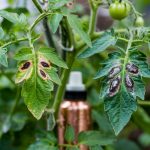
Heat stress shows up as leaf curl, scorched edges, wilting that doesn't recover by morning, and blossom drop on vegetables. Catching it early - and adjusting care before it becomes chronic - keeps plants productive rather than just surviving.
South Dakota State University Extension notes that watering in early morning helps plants tolerate heat, and adding shade where possible reduces mid-afternoon stress peaks significantly. The window between 6 a.m. and 9 a.m. is ideal for both watering and any transplanting or repotting work.
Indoor tropicals like Monstera leaf care follows similar heat-stress logic — avoid direct afternoon sun and never let roots dry out completely during peak summer heat.
Seasonal Calendar: May Through August
Summer maintenance isn't a single static routine - it shifts as the season progresses. May is a setup month, June is about establishing habits, and July through August require the most active monitoring.
Irrigation scheduling can be adapted to monthly windows and local rainfall, as Colorado State University Extension's lawn irrigation guide explains - tailor run times and frequencies based on actual rainfall totals rather than a fixed calendar date.
Prep
Active
Peak
- May (Prep): Lay fresh mulch in all beds, calibrate irrigation systems or set drip timers, and identify any heat-sensitive annuals that may need shade cloth later.
- June (Active): Establish your watering cadence, raise mower height for cool-season lawns, and begin weekly soil moisture checks. Deadhead spent blooms on annuals to encourage continued flowering.
- July (Peak): Monitor daily for heat stress, check containers every morning, and avoid fertilizing stressed plants. This is the hardest month - focus on keeping plants alive, not pushing growth.
- August (Peak to Transition): Maintain the watering schedule, begin thinking about fall planting windows, and note which plants struggled so you can adjust placement next year.
September marks the beginning of the transition back to active growing, especially for cool-season grass and fall vegetables. Thinking ahead in August - reviewing your USDA zone classification to confirm fall frost dates - helps you time the end of summer care accurately.
If you're already looking toward the dormant season, preparing your garden for winter starts with decisions made in late August. And if you're comparing summer tasks to cooler-month planning, the January planting guide and February seed-starting guide show just how different the pace and priorities are.
For early-spring planning, reviewing what to start planting in March can also help you backtrack your summer crop timelines. A broader look at year-round garden maintenance ties these seasonal rhythms together into a single continuous workflow.
Frequently Asked Questions
Most gardens need deep watering every 2–3 days during hot, dry stretches. Lawns require 1–1.5 inches weekly. According to Colorado State Extension, adjust run times based on actual rainfall rather than a fixed schedule.
Heat stress typically shows as leaf curl, scorched brown edges, wilting that persists into the morning, and blossom drop on vegetables. Tomatoes commonly drop flowers when temperatures consistently exceed 95°F.
Apply mulch once at the start of summer to a depth of 3 inches. Top it up mid-season if it compresses below 2 inches — typically by July in high-traffic or high-heat areas.
Cool-season grasses like fescue and bluegrass should be kept at 2.5–3.5 inches in summer. Taller grass shades the soil and reduces moisture loss. Warm-season grasses like bermuda stay at 1–2 inches.
Avoid fertilizing cool-season lawns between mid-June and late August — heat plus nitrogen invites disease and turf burn. Wait until plants show no signs of stress before resuming any feeding.
Pin it for your next summer garden maintenance guide project.