Zinnias are annual flowers that go from seed to full bloom in 60-90 days, making them one of the fastest rewards in the summer garden.
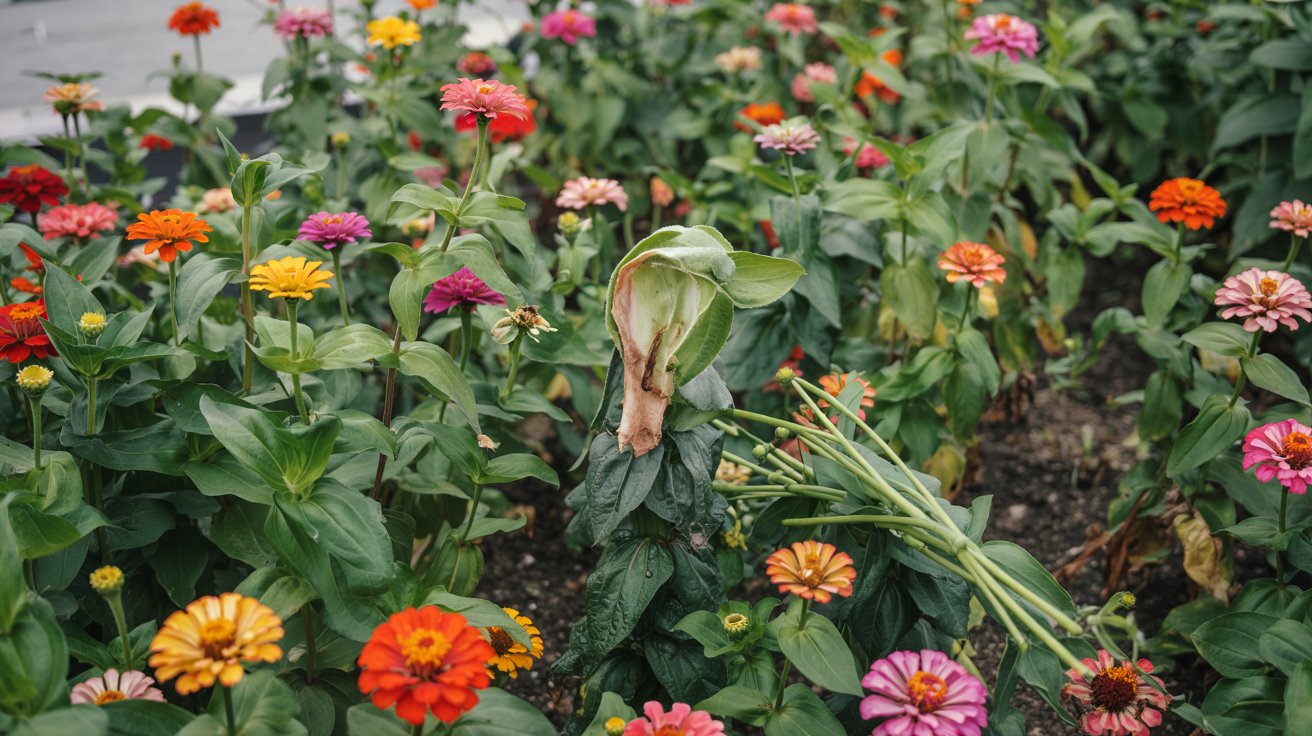
Plant a batch in late spring, keep the soil warm, and you'll have armloads of cut flowers by midsummer that keep coming until hard frost.
The seed-to-bloom path is straightforward, but a few decisions made early - sowing method, spacing, and variety - shape everything that follows.
Direct sowing after the last frost is the standard approach, and it works well in most regions. Gardeners in short-season climates can get a head start by sowing indoors 4-6 weeks early, though zinnias are sensitive to transplant shock and need careful handling.
Spacing matters more than most people expect. zinnia plant profiles from NC State confirm that plants spaced 12-18 inches apart have the airflow they need to resist powdery mildew - the most common problem growers face.
Whether your goal is a cutting garden, a pollinator patch, or simply a low-maintenance color display, this guide covers the full process from seed selection through harvest.
Zinnias also pair well with other warm-season annual flowers in mixed borders, so consider planning a layered bed while you're at it.
Zinnias grow easily from direct-sown seed after the last frost date. Space plants 12–18 inches apart, provide full sun, and deadhead regularly to keep blooms coming from midsummer through fall.
Most varieties flower in 60–90 days from seed.
Start Dates and Sowing Methods
Timing your sow correctly is the single biggest factor in germination success. Zinnias need soil temperatures of 70-75°F to germinate well - cold soil causes slow, uneven sprouting that invites damping-off fungus.
Remember it later
Planning to try this recipe soon? Save it for a quick find later!
For most of the continental US, that means sowing outdoors between mid-May and early June. Gardeners in USDA zones 8-10 can sow as early as late March.
Once seedlings are in the ground, the direct-sow and transplant paths merge into the same care routine. From this point, spacing and consistent moisture drive the outcome more than anything else.
Zinnias started indoors should stay in small individual pots — cell trays cause too much root disturbance at transplant time. Move them to the garden no later than 6 weeks after sowing, before roots begin circling.
Zinnia Varieties and Planning
Choosing the right variety before you sow saves you from disappointment at bloom time. Cut-flower growers need tall, single-stemmed plants with long vase life.
Container gardeners need compact mounding types. Most seed packets don't make that distinction clearly enough.
The Clemson HGIC variety guide highlights Profusion, Zahara, and State Fair as reliable performers across different garden uses - each with a distinct growth habit and color range worth knowing before you buy seed.
For context on how zinnias compare to other long-season blooms for fall color, the differences in days-to-bloom matter most.
| Variety | Height | Bloom Form | Days to Bloom | Cut Flower? |
|---|---|---|---|---|
| State Fair | 36–48 in | Large double | 75–85 days | Excellent |
| Benary's Giant | 36–48 in | Double dahlia-type | 70–80 days | Excellent |
| Zowie! Yellow Flame | 24–30 in | Semi-double | 65–75 days | Good |
| Profusion Series | 12–18 in | Single | 60–70 days | Poor |
| Zahara Series | 12–18 in | Single/semi-double | 55–65 days | Poor |
| Lilliput (Pompon) | 18–24 in | Small double | 70–80 days | Good |
Benary's Giant and State Fair are the workhorses of the cut-flower world. Their stems reach 12-18 inches per cut stem, and blooms last 7-10 days in a vase with fresh water.
Profusion and Zahara are disease-resistant dwarf types bred for containers and landscape beds, not vases. They branch heavily and rarely produce a stem long enough to cut.
- For cutting gardens: Stick to tall varieties - State Fair, Benary's Giant, or Oklahoma series - which produce the long, sturdy stems florists prefer.
- For container gardening: Profusion and Zahara top out at 12-18 inches and fill pots with color for months without deadheading.
- For pollinators: Single-form varieties expose the nectar disc, making them far more accessible to bees and butterflies than packed double blooms.
- For mixed borders: Mid-height types like Zowie! Yellow Flame bridge the gap between low edging plants and tall background annuals.
Zinnias do not come true from seed saved from hybrid varieties - Profusion and Zahara are both F1 hybrids. Open-pollinated types like Benary's Giant and State Fair can be saved and replanted with consistent results, which matters if you plan to build a seed library.
This is worth knowing if you grow other scented flowers for garden cutting and want a unified seed-saving program.
Growing Conditions and Care
Zinnias are heat-lovers. They stall in cool weather, sulk in shade, and rot in waterlogged soil.
Get those three conditions right and the plants largely take care of themselves.
According to University of Florida floriculture research, zinnias perform best at daytime temperatures between 74-84°F with full sun exposure of at least 6-8 hours daily.
Soil preparation starts before sowing. Work in 2-3 inches of compost to improve drainage, then aim for a pH of 5.5-7.0.
Zinnias tolerate lean soil but reward a light feeding at planting time.
- Watering: Apply 1 inch per week at the base, never overhead. Wet foliage is the primary cause of powdery mildew, which spreads fast in humid summers.
- Fertilizing: Feed with a balanced 10-10-10 granular fertilizer at planting, then switch to a low-nitrogen formula (like 5-10-10) once buds form to push flower production over leaf growth.
- Mulching: A 2-inch layer of straw or shredded bark keeps soil moisture even and stops splash-back that spreads fungal spores onto lower leaves.
- Spacing: Final spacing of 12-18 inches between plants is non-negotiable for airflow. Crowded zinnias get mildew. Period.
Powdery mildew appears as a white dusty coating on leaves, usually in late summer when nights cool and humidity rises. Remove affected leaves immediately and avoid wetting foliage. A preventive spray of diluted neem oil every 10 days slows its spread.
Aphids and spider mites can colonize stressed plants during dry spells. A strong jet of water dislodges them without chemicals, which matters if you're growing near edible flowers or pollinator plants.
Healthy, well-spaced zinnias rarely get heavily infested. For gardeners exploring companion planting, zinnias grown alongside basil plants are said to deter certain pests from both crops.
Harvesting, Deadheading, and Cut-Flower Design
Cutting zinnias at the right moment doubles your vase life. The best time to harvest is early morning when stems are fully hydrated, and the bloom is three-quarters to fully open - but still firm at the center.
Soft centers collapse within a day in the vase.
Use sharp, clean scissors and cut stems at a 45-degree angle, leaving at least one set of leaves on the plant. That remaining leaf node signals the plant to send up a new lateral stem, which means your next cut arrives in 7-10 days.
Regular deadheading — removing spent blooms before seeds form — keeps zinnias flowering for months. On plants you're not cutting for vases, deadhead every 3–4 days. Letting even a few heads go to seed tells the plant its job is done.
For vase life, strip all leaves below the waterline immediately after cutting. Place stems in cool water with floral preservative, recut every 2 days, and keep the arrangement out of direct afternoon sun indoors.
Benary's Giant and State Fair varieties reliably last 7-10 days handled this way.
Succession planting extends the cutting season well beyond a single sow. Sow a second batch 3-4 weeks after the first, then a third batch in early summer.
This staggers bloom peaks so you have fresh stems from July through October rather than one overwhelming flush in August.
- Simple cutting garden layout: Plant tall varieties (36-48 in) at the back, mid-height types in the center, and a row of dwarf zinnias at the front edge as a border.
- Mixed arrangements: Zinnias pair naturally with sunflowers, celosias, and dahlias. Their bold, flat flower heads contrast well with spiky or feathery textures.
- Drying for winter: Hang stems upside down in a warm, dry room for 2-3 weeks. The colors hold better than most annuals - State Fair blooms keep their hue for months.
For gardeners interested in expanding a cutting garden beyond zinnias, growing peonies for cut flowers adds a spring harvest window that zinnias can't cover. Pairing both plants gives you stems from May through October.
Similarly, exploring long-lived perennial flower varieties alongside annuals reduces the replanting work each season. If you're planning a broader mixed garden, the seed-starting and spacing guides for other species follow many of the same principles applied here.
And if late-season color matters, pairing zinnias with black-eyed Susans for fall borders extends visual interest as temperatures drop. You can also explore azalea care for season layering if your yard includes shrub borders alongside annual beds.

Frequently Asked Questions
Direct sow outdoors on your last frost date when soil reaches 70°F. For indoor starts, sow 4–6 weeks before that date in individual peat pots.
Most varieties flower in 60–90 days from seed. Zahara and Profusion series are fastest at 55–70 days; large-flowered State Fair takes 75–85 days.
Yes. Removing spent blooms every 3–4 days prevents seed formation and signals the plant to produce more flowers through the season.
Yes, but use compact varieties. Profusion and Zahara stay under 18 inches and suit pots well. Use a container at least 12 inches wide with drainage holes.
Open-pollinated varieties like Benary's Giant do. Hybrid types — Profusion, Zahara — are F1 crosses and produce variable offspring if seed is saved and replanted.
Pin it for your next how to grow zinnias from seed project.