Hydrangeas deliver some of the most dramatic blooms in any garden, yet most problems - dead flower buds, muddy bloom colors, sparse flower sets - trace back to a handful of fixable mistakes made at planting or during the first growing season.
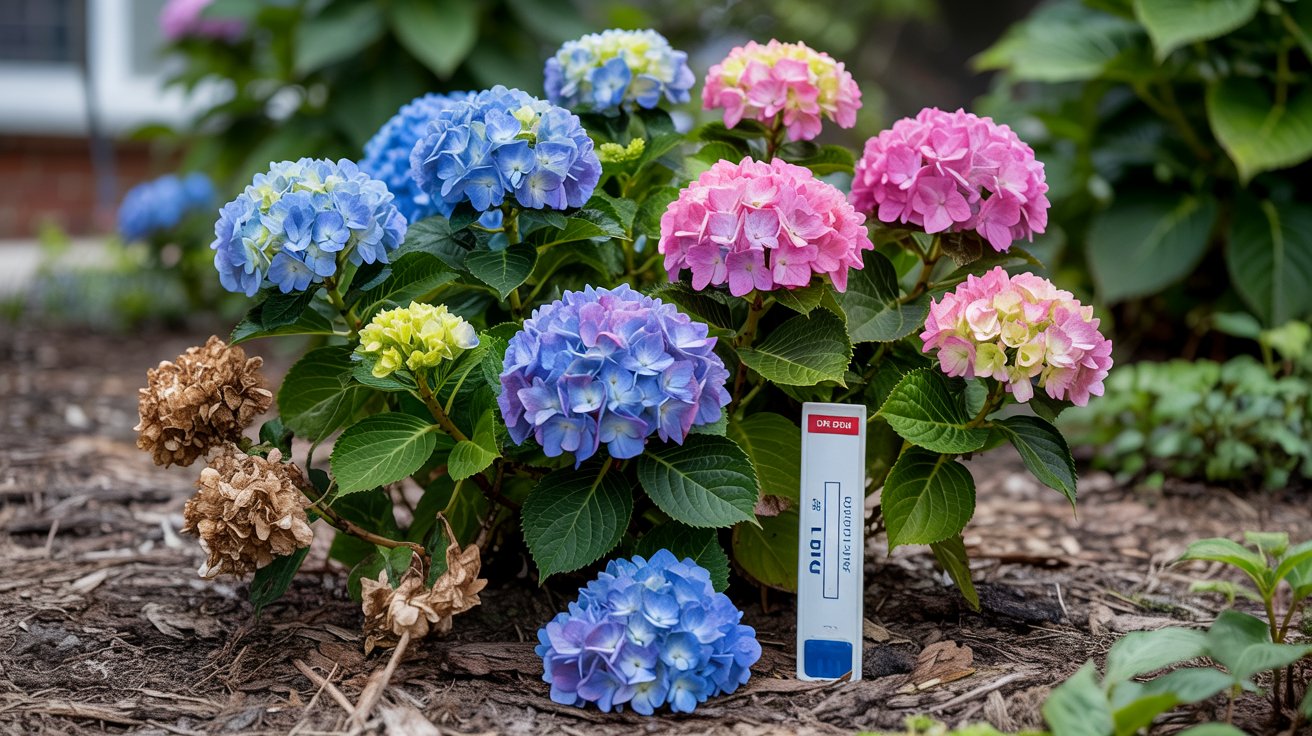
According to Clemson Extension, these shrubs need well-drained soil, consistent moisture, and partial sun to perform reliably year after year.
Color is where hydrangeas get truly interesting. Blue, pink, and purple blooms on bigleaf hydrangeas (Hydrangea macrophylla) are not random - they're driven by soil pH and how much aluminum the roots can access.
This guide covers everything from choosing the right planting spot to adjusting soil pH safely for your target bloom color. We'll also sort out pruning timing, which trips up even experienced gardeners because it differs by species.
If you're also growing other acid-loving shrubs, the same soil prep principles that apply here overlap with caring for azaleas in terms of pH management and drainage requirements.
By the end of your first season, you'll have a care routine that's easy to repeat and a clear plan for hitting your target bloom color reliably.
Growing hydrangeas successfully comes down to site selection, consistent moisture, correct soil pH, and pruning at the right time for your specific variety. Color changes in bigleaf hydrangeas are achievable but take weeks to months of deliberate soil adjustment.
Site Selection, Soil Prep, and Planting
Picking the right location is the single decision that most affects long-term success. Hydrangeas perform best with morning sun and afternoon shade, especially in USDA zones 7 and warmer where afternoon heat can scorch leaves and stress developing buds.
Remember it later
Planning to try this recipe soon? Save it for a quick find later!
Avoid low-lying spots that collect standing water after rain. Roots sitting in soggy soil rot quickly, and no amount of fertilizer compensates for poor drainage.
Before planting, pour a bucket of water into your prepared hole. If it drains in under 30 minutes, drainage is adequate. Slower than that, raise the bed by 4–6 inches or choose a different spot.
For gardeners considering different hydrangea varieties, keep in mind that smooth hydrangeas (Hydrangea arborescens) and panicle hydrangeas (Hydrangea paniculata) tolerate more sun than bigleaf types do. Panicle varieties handle up to 6 hours of direct sun without the leaf scorch problems common in H. macrophylla.
Container growing is a practical option for renters or gardeners with poor native soil. Use a pot at least 16 inches wide with drainage holes, and expect to water more frequently - container soil dries out two to three times faster than in-ground beds.
If you're comparing shrub options that handle varied sun exposures, plants built for intense sunlight may be better candidates for hot south-facing spots than most hydrangea species.
Spring planting gives roots a full season to establish before their first winter. Fall planting works too, but give plants at least six weeks before the first hard frost to anchor in before the ground freezes.
Consistent watering in the first 8-10 weeks after planting is non-negotiable. New root systems haven't spread far enough yet to buffer against dry spells, so check soil moisture every 2-3 days during that establishment window.
If you're building out a mixed border alongside other long-lived perennials, understanding how peonies handle root disturbance is useful because the same "plant it once, leave it alone" logic applies to hydrangeas.
Watering, Feeding, and Seasonal Care
Hydrangeas are heavy drinkers but they don't want wet feet. The goal is consistent soil moisture - not perpetually damp, not bone dry between waterings.
That balance is what keeps foliage looking clean and flower heads full through summer heat.
In most regions, plan on watering deeply once or twice a week during the growing season. "Deeply" means soaking the root zone to at least 8-10 inches, which encourages roots to grow downward rather than staying shallow and drought-vulnerable.
Light daily splashes do more harm than good.
A 3-inch mulch layer - shredded bark, wood chips, or pine straw - makes a measurable difference. It cuts surface evaporation, maintains root moisture levels during heat waves, and slowly breaks down to feed soil biology.
Refresh mulch each spring as it compresses.
Avoid mulching right against the stem. That zone needs airflow to stay dry, and packed mulch against bark creates a perfect environment for rot and rodent damage during winter.
Wilting leaves in the morning — not just afternoon drooping — signal real water stress. Afternoon wilt during peak summer heat is normal and recovers overnight, but morning wilt means the plant is genuinely struggling and needs immediate deep watering.
Fertilization for hydrangeas is straightforward: one balanced application in spring (a 10-10-10 or slow-release granular) as new growth emerges is usually enough. A second light application in midsummer is optional for plants in sandy, fast-draining soil that loses nutrients quickly.
Avoid high-nitrogen fertilizers or feeding after midsummer. Excess nitrogen pushes leafy growth at the expense of flower bud formation, and late feeding encourages soft new growth that winter cold will damage.
Learning the same restraint applies when you feed clematis vines - over-fertilizing leafy climbers produces the same lush-but-flowerless result.
Soil that drains fast - sandy loam or raised beds with light mix - may benefit from a slow-release fertilizer formulated for acid-loving plants if you're targeting blue blooms. That feeds the plant while keeping pH in the right range for aluminum uptake.
For gardeners tracking care across multiple shrubs through the year, our month-by-month planting guides cover timing for feeding, mulching, and winterizing across a full calendar.
Container hydrangeas need more attention in summer - check soil moisture daily in heat above 85°F, and consistent care through the season keeps them blooming without the wilting cycles that stress roots in smaller pots.
One more feeding note: plants showing yellowing between leaf veins (interveinal chlorosis) are often dealing with iron deficiency caused by high soil pH. Fixing pH solves the problem at the root - literally.
Adding iron chelate is a temporary patch, not a permanent fix.
Color Change and Pruning Basics
The blue-or-pink question is one of the most searched topics in home gardening, and the answer is simpler than most guides make it.
Color in bigleaf (H. macrophylla) and mountain hydrangeas (H. serrata) depends on soil pH and aluminum availability - not on fertilizer brand or watering habits, as Mississippi State Extension explains.
Acidic soil (pH 5.2-5.5) allows aluminum ions to dissolve and absorb into the plant, producing blue and purple tones. Alkaline soil (pH 6.0 and above) locks aluminum out, shifting blooms toward pink and red.
White-flowering varieties like H. paniculata 'Limelight' don't contain the pigments needed for color shifts - they stay white or fade to cream regardless of pH.
| Soil pH | Bloom Color | Amendment to Reach Target |
|---|---|---|
| 5.2–5.5 | Blue / Purple | Sulfur or aluminum sulfate |
| 5.5–6.0 | Purple (transitional) | Partial acidification |
| 6.0–6.2 | Pink / Red | Ground limestone |
| Above 6.5 | Pale pink | Dolomitic lime, slow addition |
| Any pH | White (stable) | No color change possible |
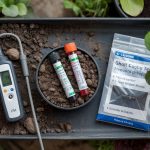
pH shifts take weeks to months - not days. Test your soil first, then apply amendments in small, measured doses.
Adding too much aluminum sulfate at once can burn roots. Work toward your target pH over two to three applications spaced 4-6 weeks apart, retesting after each round.
For pruning, the species determines everything. The University of Minnesota Extension notes that pruning guidance is species-dependent, and cutting at the wrong time is the most common reason healthy hydrangeas fail to bloom.
- Old-wood bloomers (H. macrophylla, H. serrata, H. quercifolia): Set flower buds on last year's stems. Prune only immediately after blooming - no later than early August - or you'll remove next year's buds.
- New-wood bloomers (H. arborescens, H. paniculata): Bloom on current-season growth. Cut back hard in late winter or early spring before new growth emerges, down to 12-18 inches from the ground.
- Reblooming varieties (Endless Summer, Let's Dance series): Bloom on both old and new wood. Light cleanup pruning after the first flush, then leave structure intact through fall.
When in doubt, do less. A missed pruning year costs one season of blooms.
An ill-timed heavy cut can set an old-wood bloomer back two years. The same patient approach pays off when you manage wisteria's aggressive growth - timing beats volume every time.
Crepe myrtles and panicle hydrangeas are both new-wood bloomers that respond well to late-winter cuts. If you're already familiar with when to cut crepe myrtles, the same seasonal logic applies to your panicle hydrangeas.
For anyone building a shade-tolerant planting scheme alongside hydrangeas, growing hostas for ground coverage works well under established hydrangeas where light is dappled and soil stays consistently moist - the same conditions both plants prefer.
One final note on color expectations: even with perfect pH management, colors vary by cultivar. 'Nikko Blue' reliably turns deep blue in acidic soil. 'Annabelle' (a smooth hydrangea) stays white.
Match variety to goal before adjusting soil, and check how soil prep decisions carry over across different plants in the same bed when you're amending for pH.
Frequently Asked Questions
Smooth hydrangea 'Annabelle' and panicle varieties like 'Limelight' are the most forgiving — both bloom on new wood, tolerate hard pruning, and handle more sun than bigleaf types.
Bigleaf hydrangeas need partial shade, especially in zones 7 and warmer. Panicle hydrangeas tolerate up to 6 hours of direct sun without significant leaf scorch or bloom loss.
Most nursery-grown hydrangeas bloom in their first or second season. New-wood bloomers like panicle hydrangeas often flower the same year; old-wood bloomers may need a full season to establish before blooming reliably.
Test soil pH first, then adjust in small doses — aluminum sulfate lowers pH for blue blooms, ground limestone raises it for pink. Expect changes over 4–12 weeks across multiple applications, not overnight.
Prune old-wood bloomers (bigleaf, oakleaf) immediately after flowering, no later than early August. Cut new-wood bloomers (smooth, panicle) back hard in late winter before buds break in spring.
Pin it for your next how to grow hydrangeas project.