Hostas are some of the most rewarding plants you can grow in a shaded yard. They build bold, textured foliage, ask for very little, and come back stronger each year.
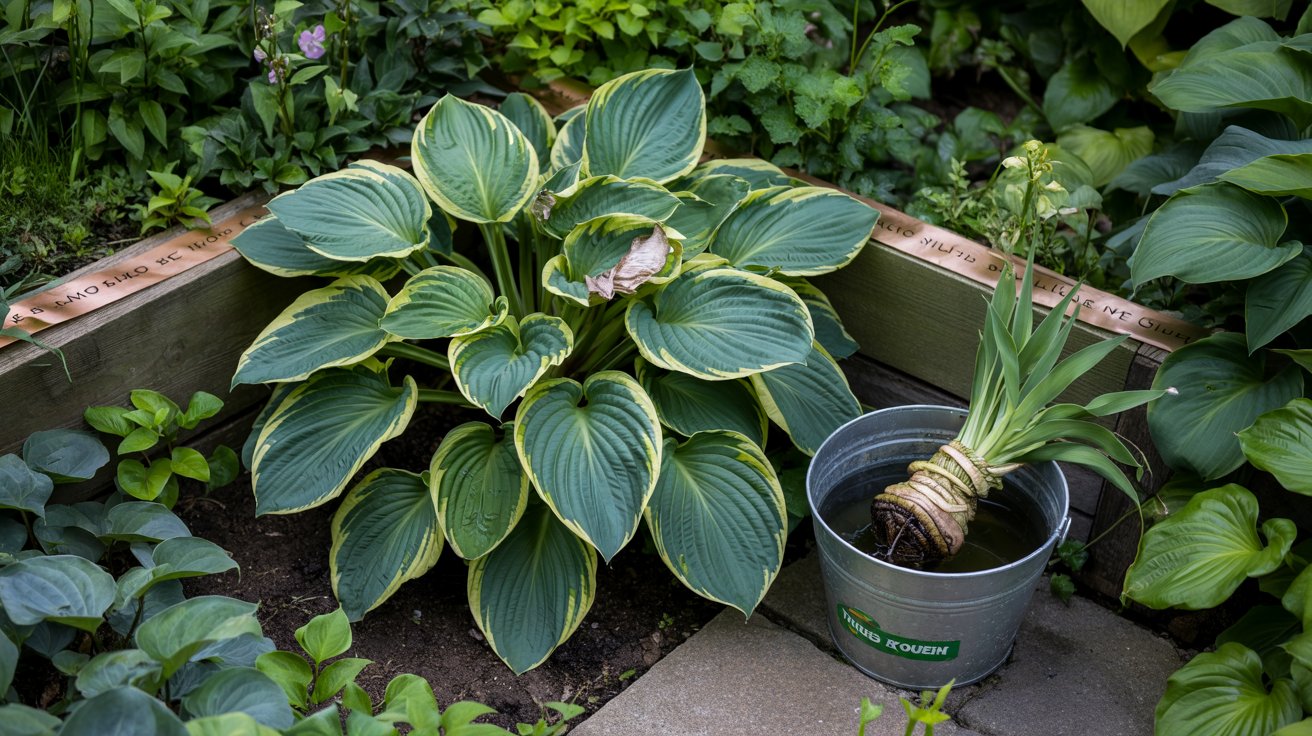
The challenge most gardeners hit isn't the growing itself - it's starting wrong. Poor soil prep, wrong light levels, and slugs left unchecked can stall even a healthy plant.
This guide walks you through every step, from picking a site to putting the garden to bed in fall. According to University of Minnesota Extension, hostas tolerate deep shade and perform best in moist, well-drained soils - which tells you exactly what conditions to build.
If you're also planning a mixed shade bed, pairing hostas with low-light perennial companions helps fill gaps between clumps as they mature.
Growing hostas in shade means matching light levels to leaf color, building moist, well-drained soil, planting in spring, mulching 2–3 inches deep, and managing slugs early each season with iron phosphate bait or barriers.
Step-by-Step: Planting and Establishing Hostas in Shade
Getting hostas established well in their first season sets them up for years of spreading, full clumps. Each step below builds on the last, so follow the sequence rather than picking pieces out of order.
Remember it later
Planning to try this recipe soon? Save it for a quick find later!
By the time you hit step ten, your hostas should be leafing out well and visibly settled in. You can browse different hosta types to add variety once you see how your first planting performs.
One thing worth noting: hostas planted under trees compete with surface roots for water. In those spots, water more frequently - every 2-3 days - during the first month, and go an inch deeper with your mulch layer.
Hostas planted in spring establish root systems before summer heat arrives. Fall planting is possible but gives the plant less time to anchor before frost, especially in zones 4–5.
Site, Light, and Soil for Shade Hostas
Hostas adapt across a wide light range, but matching the right variety to the right shade level makes a visible difference.
Iowa State University Extension confirms that hostas grow best in full to partial shade in moist, well-drained soils - but there's real nuance within that range.
Gold and yellow-leaved varieties like 'Sum and Substance' need more indirect light to develop their color - around 3-4 hours of morning sun works well. Blue-leafed varieties like 'Halcyon' actually intensify in deep shade and fade if hit by afternoon sun.
Green varieties are the most forgiving and hold well in nearly any shade level.
- Morning sun, afternoon shade: The best balance for most varieties - plants get light for photosynthesis without the leaf-scorching heat of afternoon sun.
- Full shade (under dense canopy): Hostas tolerate this well, especially blue and green types, though growth is slower and flowering is reduced.
- Dappled light (under open canopy): Produces the fastest growth and widest leaf development in most medium and large varieties.
| Shade Type | Daily Light | Best For | Notes |
|---|---|---|---|
| Deep shade | Under 2 hours | Blue/green varieties | Slower growth; tolerated well |
| Partial shade | 2–4 hours indirect | Most varieties | Widest variety choice |
| Dappled light | Filtered all day | Gold/yellow types | Best color development |
| Morning sun only | 2–3 hrs direct AM | Variegated types | Avoid afternoon exposure |
Soil drainage matters as much as light. Hostas in acid-loving plant beds often share similar drainage needs - both suffer in standing water.
If your shade bed pools after rain, raise the bed by 4-6 inches or work in coarse grit before planting.
Mulch is the single best tool for maintaining the moisture-retention and temperature stability hostas want. Shredded hardwood, leaf mold, or pine bark all work well - avoid using fresh wood chips, which rob nitrogen from the soil as they break down.

Slug Management and Pest Prevention
Slugs are the most consistent pest threat to hostas in shade. They feed at night, leaving ragged holes through leaf centers, and populations build fast in cool, moist spring soil - exactly the conditions hostas prefer.
The most effective low-risk control is iron phosphate bait, which is listed as safe for use around pets, wildlife, and edible gardens. Seattle Public Utilities' IPM pest control guide recommends iron phosphate slug baits as a preferred approach over metaldehyde products.
- Apply iron phosphate bait: Scatter granules around hostas as soon as new shoots emerge in spring - this is when slugs are hungriest and damage is worst.
- Use copper tape or grit barriers: Copper gives slugs a mild deterrent shock; coarse diatomaceous earth at the plant base creates a physical barrier.
- Reduce nighttime moisture near crowns: Water in the morning so foliage and soil surface dry before dark, cutting down on slug-friendly conditions.
- Clear debris in fall: Removing old mulch and dead leaves in late October eliminates slug egg overwintering sites near crowns.
Metaldehyde slug baits are toxic to dogs and cats and should not be used in yards with pets. Stick to iron phosphate products — they break down into iron and phosphate in the soil and pose no known risk to animals.
Shade-Friendly Hosta Varieties for Beginners
With hundreds of cultivars available, picking a starting point is the real challenge. The varieties below are widely available at garden centers, handle deep shade well, and represent different sizes so you can layer them effectively in a bed.
Pairing a large variety like 'Sum and Substance' at the back with a miniature like 'Blue Mouse Ears' at the front creates a tiered effect that structured evergreen shrubs at the border can anchor nicely.
| Variety | Size | Foliage Color | Shade Tolerance |
|---|---|---|---|
| Halcyon | Medium (18") | Blue-green | Deep shade — excellent |
| Sum and Substance | Large (36"+) | Chartreuse/gold | Partial shade best |
| Frances Williams | Large (30") | Blue-green/gold edge | Partial to deep shade |
| Blue Mouse Ears | Miniature (8") | Blue-green | Deep shade — excellent |
| Patriot | Medium (22") | Green/white edge | Partial shade best |
| Guacamole | Large (28") | Yellow-green/dark edge | Partial shade best |
'Halcyon' and 'Blue Mouse Ears' are the two most forgiving picks if your bed gets very little light. Both hold their blue color longer in deep shade than in brighter spots, and neither scorches in summer heat the way gold varieties can.

Care Calendar for Shade Hostas
Hostas need different things at different times of year. This calendar gives you a focused task for each season so nothing gets missed or done at the wrong time.
For any new gardener building a full planting schedule, the broader seasonal planting and care timeline covers how to layer tasks across all your beds month by month.
- Spring: Apply iron phosphate slug bait as first shoots emerge. Top-dress with 1 inch of compost around crowns.
- Late spring: Feed with a balanced slow-release fertilizer once foliage is fully open. Water new plantings every 3-4 days.
- Summer: Water established hostas when the top 2 inches of soil dry out - typically every 5-7 days in shade. According to K-State Horticulture, consistent soil moisture in the first growing season is critical for strong root development.
- Fall: Stop feeding by late August. Cut back dead foliage after the first hard frost, and refresh mulch to 3 inches deep before the ground freezes.
- Fertilizing after late summer - it pushes soft growth that gets frost-damaged.
- Leaving dead leaves on the plant through winter - they harbor slug eggs and fungal spores.
- Overwatering established plants in shade - soggy soil causes crown rot faster than drought does.
Skip the fall cleanup if a hard winter is forecast and leave dead foliage as insulation over the crown. Cut it back in early spring before new growth pushes through — this protects emerging shoots from a late frost.
Hostas paired with other shade-tolerant plants in the same bed can share your watering schedule. Peace lilies grown in low light have similar moisture needs and make a clean companion planting under trees or in north-facing beds.
Frequently Asked Questions
Hostas are not deer-resistant — deer actively browse them. Thick-leafed, slug-resistant varieties like 'Sum and Substance' also get eaten. Use deer repellent spray or fencing in high-pressure areas.
Yes. Use a container at least 16 inches wide with drainage holes, and water every 2–3 days in summer since pots dry out faster than garden beds.
Divide hostas in early spring just as shoots emerge, or in early fall at least 6 weeks before first frost. Spring division gives the best recovery time before summer heat.
Yes. Hostas are toxic to dogs and cats. Ingestion causes vomiting, diarrhea, and lethargy. The ASPCA lists all hosta species as toxic to both dogs and cats.
Vine weevils chew notched edges on leaves, while foliar nematodes cause brown streaking between leaf veins. Both are harder to treat than slugs and require different control methods.
Pin it for your next how to grow hostas in shade project.