
Growing a lemon tree in a pot is far more practical than most people expect. With a compact dwarf cultivar and a container that fits on a balcony or windowsill, you can produce real, harvestable fruit without a single square foot of garden soil.
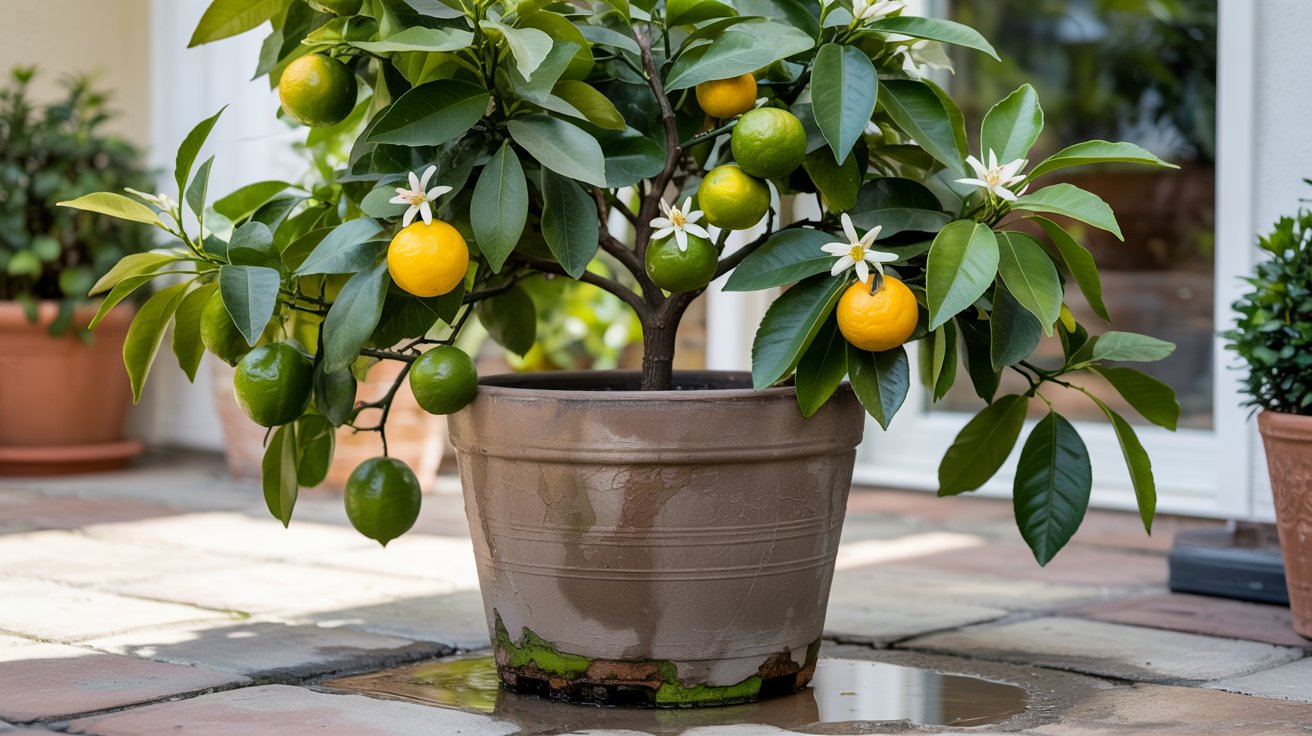
Citrus limon adapts surprisingly well to container life when its core needs are met: sharp drainage, strong light, and consistent feeding.
The biggest mistakes happen before the plant even goes into the ground - wrong pot size, the wrong mix, or a windowsill that only delivers three hours of sun. Those errors are easy to avoid once you know what to look for.
This guide covers variety selection, container sizing, soil setup, and a weekly care routine specifically built for indoor and balcony growing. Whether you're starting from a nursery transplant or a grafted tree, the approach is the same.
For additional container plant ideas alongside your citrus, browse plants suited for pots to round out your balcony setup.
Growing a potted lemon tree starts with a dwarf variety like Meyer, a 5–7 gallon container with drainage holes, and a citrus potting mix.
Provide 6–8 hours of bright light daily, water when the top 1–2 inches dry out, and feed with a citrus-specific fertilizer during the growing season.
Quick Start: 6 Steps to a Potted Lemon Tree
These six steps cover everything you need to go from bare nursery pot to a fruiting container tree. Follow them in order - each one builds on the last.
Remember it later
Planning to try this recipe soon? Save it for a quick find later!
As your tree grows, plan to move it to a larger container every 2-3 years.
According to UF/IFAS container citrus guidance, stepping up pot size gradually - rather than jumping to a very large pot immediately - helps prevent the soggy soil conditions that stress citrus roots.
A young tree planted in a 15-gallon pot from the start will sit in far too much soil moisture. Move from 5-7 gallons to around 10-12 gallons once roots begin circling the bottom, then again to a final 15-20 gallon container when the tree matures.
After planting, water slowly until it drains from the bottom, then wait. Do not water again until the top 2 inches are dry to the touch — this single habit prevents most overwatering problems. UF/IFAS home landscape lemon guidance confirms that container citrus dies far more often from too much water than too little.
Choose the Right Variety and Pot
Not every lemon is a good fit for a pot. Full-size lemon trees can reach 20 feet outdoors - clearly not a balcony option.
Dwarf cultivars, typically grafted onto dwarfing rootstock, stay in the 4-8 foot range and respond well to container constraints.
Meyer lemon (Citrus × meyeri) is the most popular container choice for good reason. According to UF/IFAS Meyer lemon resources, it tolerates cooler temperatures better than most citrus, fruits heavily, and stays compact without aggressive pruning.
Its fruit is slightly sweeter and less acidic than a standard lemon, which most growers find a bonus.
Eureka dwarf and Lisbon dwarf are alternatives worth knowing. Eureka produces nearly year-round in mild climates and handles indoor conditions well.
Lisbon is more cold-tolerant and tends to be thornier, but delivers a classic sharp lemon flavor.
| Variety | Mature Height (container) | Cold Tolerance | Notes |
|---|---|---|---|
| Meyer Lemon | 4–6 ft | ~22–24°F | Best all-around for indoors |
| Eureka Dwarf | 4–6 ft | ~25–28°F | Near year-round fruiting |
| Lisbon Dwarf | 5–8 ft | ~22–26°F | Sharp flavor, more thorns |
| Ponderosa Dwarf | 4–5 ft | ~28–30°F | Very large fruit, less prolific |
For container material, terracotta breathes and reduces overwatering risk, but dries out faster - useful in humid climates or low-light indoor settings. Plastic and glazed ceramic retain moisture longer, which helps in dry, sunny outdoor spots.
Avoid dark-colored plastic in full sun; it heats the rootball beyond what citrus tolerates.
Drainage matters more than material. Any pot without at least one large drainage hole will eventually waterlog roots, regardless of mix quality.
If you're pairing your lemon with other indoor greenery, a fast-draining setup for trailing plants uses similar pot logic.
Soil, Potting Mix, and Planting
Citrus roots need oxygen as much as water. A dense, moisture-retentive soil suffocates them within weeks.
The ideal container mix for lemons drains quickly, stays loose after repeated watering, and holds just enough nutrients to support active growth.
A reliable DIY blend uses three parts coarse perlite, two parts coir or peat, and one part fine compost. This gives fast drainage while retaining enough moisture that the tree doesn't dry out in a single afternoon.
Pre-bagged citrus mixes from garden centers work well if the label confirms perlite content above 25%.
OSU Extension's guide to Meyer lemons in containers emphasizes that Pacific Northwest growers - dealing with lower ambient heat - should lean toward a slightly faster-draining mix than the standard recommendation, because evaporation is slower in cool, overcast conditions.
The same logic applies to any low-light indoor setup.
| Component | Ratio | Purpose |
|---|---|---|
| Coarse Perlite | 3 parts | Fast drainage, root aeration |
| Coir or Peat | 2 parts | Moisture retention, structure |
| Fine Compost | 1 part | Slow-release nutrients |
When transplanting, add a few inches of mix to the bottom of the pot, then set the rootball in place. The top of the rootball should sit roughly half an inch above the pot rim to allow for settling.
Never bury it flush - settled soil will pull the rootball down to the right level naturally.
The graft union - the visible bump or slight angle near the base of the trunk - must stay at least 2 inches above soil level. Covering it causes crown rot, which is very difficult to reverse once established.
After positioning, backfill around the sides, pressing gently to eliminate large air pockets.
Water in slowly after planting until water flows freely from the drainage holes. Then leave the pot alone for several days before watering again.
For finding the right potting soil mix, look for products specifically labeled for citrus or palms, since these are formulated with the faster drainage that lemons require.
Never add a layer of gravel to the bottom of the pot to "improve drainage." Research shows this actually creates a perched water table, keeping the lower rootball wetter than it would be without the gravel. Just use a quality draining mix throughout.
Ongoing Care: Light, Water, Fertilizer, Temperature
A potted lemon tree needs a consistent routine - not a complicated one. The variables that matter most are light intensity, watering frequency, and feeding schedule.
Get those three right, and the tree largely takes care of itself.
Light is non-negotiable. Six to eight hours of direct sun daily is the minimum for fruiting.
Indoors, a south-facing window is usually the only option that delivers this. Supplemental LED grow lights (at least 6000K, positioned 12-18 inches above the canopy) can fill the gap during winter months for growers in northern climates.
Water deeply and infrequently rather than a little every day. Stick a finger 2 inches into the soil - if it feels dry, water until it flows from the drainage holes.
In summer heat, that might mean watering every 2-3 days; in a cool indoor winter, once every 7-10 days is often enough.
Fertilize with a balanced citrus-specific formula - look for one with added micronutrients like iron, zinc, and manganese. Apply every 6-8 weeks from March through August, then stop feeding September through February.
Feeding in winter pushes tender new growth that cold drafts easily damage.
Temperature is where container growing has a real edge. According to the OSU Extension container guide, Meyer lemons can handle brief dips to around 22-24°F, but consistent nights below 50-55°F slow growth and reduce fruit set significantly.
Roll the pot indoors when fall temperatures drop, and keep it away from cold drafts near windows or exterior doors. Moving the tree to a sunny outdoor spot in summer - once nights stay reliably above 55°F - dramatically boosts fruit production compared to year-round indoor growing.

Troubleshooting and Common Pitfalls
Most container lemon problems trace back to two causes: too much water or not enough light. Before reaching for any spray or supplement, rule those two out first.
Yellow leaves are the most common complaint. Yellow leaves with green veins point to iron or magnesium deficiency - solvable with a chelated micronutrient drench.
Uniform yellowing across older leaves usually signals nitrogen deficiency or waterlogged roots. If the soil smells sour and roots look brown and mushy, root rot has started; repot into fresh dry mix immediately and cut away damaged roots.
- Leaf drop: Sudden leaf drop after moving the pot usually means temperature shock or a dramatic light change. Give the tree 2-3 weeks to acclimate before worrying.
- No fruit despite flowering: Tap open flowers gently with a soft brush to simulate pollination. Indoor trees lack wind and insects, so manual hand-pollination of fruiting trees is often necessary for good fruit set.
- Scale insects: Look for small brown or tan bumps on stems and leaf undersides. Wipe off with rubbing alcohol on a cotton swab, then apply neem oil weekly for 3-4 weeks.
- Spider mites: Fine webbing and stippled leaves in dry indoor air. Raise humidity around the pot and spray with insecticidal soap every 5-7 days.
According to UF/IFAS citrus container guidance, consistent drainage failure is the leading cause of container citrus decline - not pest pressure or cold. Check that drainage holes are clear every few months.
- Water only when the top 2 inches of soil are dry, then water until it drains freely from the bottom.
- Clean leaves monthly with a damp cloth to remove dust that blocks light absorption.
- Move the pot gradually to a brighter spot over 1-2 weeks to avoid sun-shock on leaves.
- Repot every 2-3 years to refresh soil and prevent root-bound stress.
- Never let the pot sit in a saucer full of standing water - this wets the roots continuously.
- Avoid placing the pot near heating vents, which dry out soil unevenly and damage foliage.
- Don't feed during dormancy (September-February) - it pushes weak growth at the wrong time.
- Never remove more than one-third of the canopy in a single pruning session.
A quick monthly check covers most preventive care. Look at the undersides of leaves for pests, press the soil to gauge moisture, and glance at the drainage holes to confirm they're open.
These three checks take about two minutes and catch nearly every problem before it becomes serious. For contrast with low-maintenance houseplants that tolerate neglect, low-light indoor plants need far less attention than a fruiting citrus - knowing both options helps you set realistic care expectations.
Citrus leafminer — a pest that creates silvery, winding trails in new leaves — is increasingly common on indoor container trees. It doesn't kill the tree but weakens new growth. Pinch off and discard affected leaves immediately, and apply spinosad spray if infestations recur across multiple growth flushes.
Frequently Asked Questions
Yes, but only with at least 6–8 hours of direct light daily. South-facing windows or supplemental grow lights rated at 6000K or higher are necessary for consistent fruiting indoors.
Start with a 5–7 gallon pot for a young tree, then step up to 10–12 gallons once roots circle the bottom. Mature dwarf trees typically settle in a 15–20 gallon final container.
Yes. Standard all-purpose fertilizers miss key micronutrients. Use a citrus-specific formula containing iron, zinc, and manganese every 6–8 weeks from March through August only.
Meyer lemons tolerate cooler nights (down to about 22–24°F briefly) better than Eureka or Lisbon, making them more forgiving for indoor growers who can't always control temperatures precisely.
Move the pot indoors before nights drop below 50°F. Stop fertilizing from September through February, reduce watering frequency to once every 7–10 days, and keep the tree away from cold drafts near doors or single-pane windows.
Pin it for your next how to grow a lemon tree in a pot project.