Weeds don't wait, and neither should you. A six-week commitment to the right natural methods can cut weed density significantly - without a single bottle of synthetic herbicide in sight.
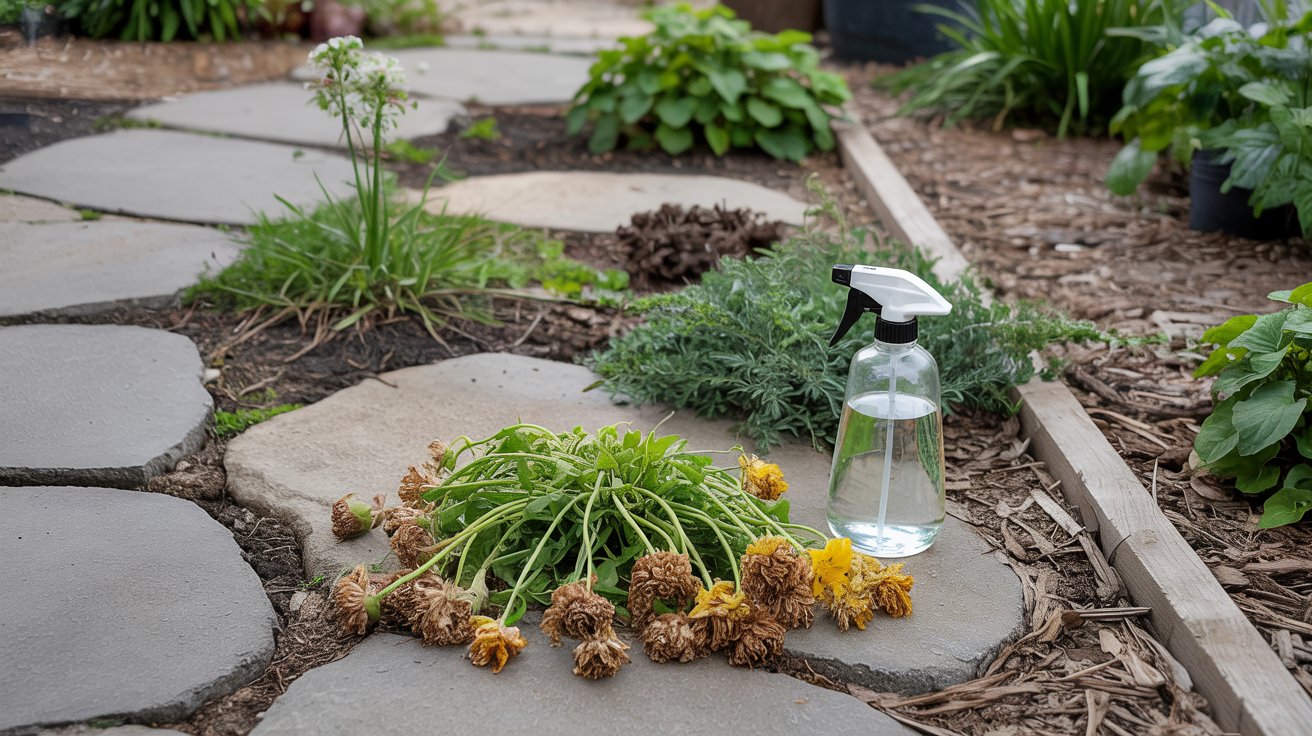
Most homeowners reach for chemical sprays out of habit, not necessity. Natural alternatives like boiling water, high-acidity vinegar solutions, and deep mulch layers handle the same weeds with fewer risks to soil biology and nearby plants.
The catch is setting. What works on a sidewalk crack can devastate a vegetable bed.
What clears a garden path is useless on a lawn. Matching method to location is half the battle - and this guide walks through exactly that.
Expect visible wilting from heat and vinegar treatments within 24-48 hours. Expect full root death to take multiple applications on established perennials.
Persistent root regrowth from deep-rooted species is the most common frustration, and we address it directly.
University extension programs, including Cornell's organic weed management research, consistently confirm that prevention and cultural controls outperform reactive treatments over a full growing season.
Killing weeds naturally means combining heat, acid, and prevention. Boiling water works fast on hardscape; vinegar-based sprays burn foliage in 24–48 hours; mulch and lawn health prevent regrowth for the entire season.
Match each method to its setting for the best outcome.
Quick Natural Methods You Can Start Today
Two methods produce results fast enough to feel immediate: boiling water and vinegar-based sprays. Both are non-selective, meaning they damage any plant they contact - so application precision matters as much as timing.
Remember it later
Planning to try this recipe soon? Save it for a quick find later!
Neither method reaches deep taproots on the first pass. Plan for two or three rounds on established weeds before the root system is exhausted.
Choosing the right method comes down to where you're working. Boiling water is safest on patios, driveway cracks, and gravel paths where no root systems of desirable plants are nearby.
Vinegar spray works well on garden paths, fence lines, and bare soil edges - but never on lawns. It kills grass as readily as weeds.
For treating weeds in turf, cultural controls and targeted hand-pulling are safer bets than any foliar acid treatment.
Horticultural vinegar at 20–30% acetic acid is far more effective than kitchen vinegar but also far more corrosive. It can cause chemical burns on skin and eyes — treat it with the same respect as a commercial herbicide.
Garden beds with established perennials call for a layered approach: hand-pull weeds first, then apply a vinegar spot-spray on any regrowth, then follow with mulch to prevent the next flush. That three-step sequence outperforms any single application on its own.
Soil solarization is another heat-based option for cleared beds. Lay clear plastic sheeting over moist soil for 4-6 weeks in peak summer to push soil temperatures high enough to kill weed seeds in the top 2-3 inches.
It works slowly but sets up a much cleaner planting window. You can also combine this approach with good seasonal lawn maintenance habits to keep pressure low all year.
Cultural Controls and Prevention That Actually Work
Reactive treatments clear what's already visible. Prevention keeps the next generation from germinating.
Most weed pressure in home gardens builds because bare soil, thin turf, or disrupted ground creates the exact conditions weed seeds need.
Mulch is the single most effective preventive tool. A 3-4 inch layer of wood chips or shredded bark blocks light from reaching the soil surface, which stops annual weed seeds from germinating at all.
Colorado State Extension's natural weed elimination guidance confirms that timing matters - lay mulch before the soil warms in spring to intercept the first flush of germination.
| Method | Best Setting | Speed | Root Kill? | Notes |
|---|---|---|---|---|
| Boiling water | Cracks, hardscape | Hours | No | Repeat on perennials |
| 5% vinegar spray | Garden paths, bare edges | 24–48 hrs | No | Avoid lawn and bed borders |
| 3–4 inch mulch | Garden beds, tree rings | Immediate prevention | Prevents germination | Refresh annually |
| Hand-pulling | All settings | Same day | Yes (if taproots removed) | Most effective when soil is moist |
| Soil solarization | Cleared beds | 4–6 weeks | Yes (seeds, shallow roots) | Best in peak summer heat |
| Dense planting | Garden beds, lawn | Seasonal | Suppresses new growth | Reduces light reaching soil |
Lawn health directly reduces weed pressure. Thin, compacted, or undernourished turf leaves gaps that weeds colonize fast.
Mowing at the correct height for your grass species - usually 3-4 inches for cool-season types - keeps the canopy dense enough to shade out annual weed seedlings before they establish.
Soil conditions also favor weeds when pH is off or compaction is high. Aerating in fall and topdressing with compost improves drainage and turf density.
Weeds like dandelion and plantain signal compact, low-fertility soil - fixing the soil removes their competitive advantage. This connects directly to broader soil pest control, since weakened turf also invites grub damage.

Safety, Limitations, and Cautions
Natural doesn't mean harmless. Boiling water, high-concentration vinegar, and even salt-based mixtures carry real risks - to your skin, to soil biology, and to desirable plants growing nearby.
Salt deserves particular caution. Adding table salt to vinegar sprays boosts weed kill, but salt persists in soil and can make ground inhospitable to future plantings.
Limit salt-based formulas strictly to cracks, pavers, and driveways where you never intend to grow anything.
Natural herbicide options still carry contact risks. Colorado State Extension's review of natural herbicide safety notes that products containing acetic acid, clove oil, or citric acid can irritate eyes and skin on contact. Always wear gloves, eye protection, and closed footwear when applying any foliar treatment.
Boiling water on frozen or near-frozen ground causes rapid steam buildup, which can crack older pavers and split concrete expansion joints. Avoid heat treatments when ground temperatures are below 40°F.
Root proximity is the other major risk with boiling water. Tree roots, rose bushes, and shallow-rooted perennials often run closer to the surface than they appear.
Pouring boiling water within 18 inches of any woody plant base risks scalding feeder roots and stressing or killing the plant.
Persistence is a limitation, not a failure. Perennial weeds with established taproots - dandelion, bindweed, thistle - store energy reserves that allow regrowth after top-kill.
Natural methods that only kill above-ground tissue will require 5-7 repeat applications before those reserves are depleted. For harder-to-control species, consider pairing treatments the same way you'd combine barriers and treatments for persistent garden pests.
Sensitive areas need extra buffer zones. Vegetable gardens with edible root crops, berry patches, and herb beds near lawn edges are all spots where vinegar drift does damage that shows up weeks later.
A simple cardboard windbreak during spraying prevents most drift problems without additional cost. Manage your broader garden health the way you'd handle aphid pressure - early, targeted, and with plant health as the priority.
Customizing a Natural Weed-Control Plan for Your Setting
A vegetable garden and a cracked driveway need completely different approaches. Building a plan around your specific setting - rather than copying a single method - is what separates short-term relief from season-long control.
Start with three questions: Where are the weeds growing? Are desirable plants nearby?
How much time can you commit each week? Your answers will narrow down which methods are both safe and realistic for your situation.
University of Maryland Extension's organic weed management resource recommends building a site-specific plan rather than defaulting to one method — different weed species and settings respond to very different control mixes.
- New lawn patch: Hand-pull any existing weeds before seeding, then overseed densely. A thick stand of grass is your best weed suppressant. Avoid vinegar entirely - it prevents grass germination for up to 4 weeks after application.
- Established garden bed: Layer mulch 3-4 inches deep in early spring, hand-pull anything that pushes through, and spot-spray regrowth with a 10% vinegar solution. Keep a planting schedule in mind - some weed treatments disrupt young transplants.
- Sidewalk and driveway cracks: Boiling water is the fastest and safest option here. No soil chemistry concerns, no drift risk. Follow up with a salt-and-vinegar spray on persistent regrowth, since preventing future plantings in those cracks is fine.
- Flower beds near turf edges: Use a spade to cut a clean 3-inch edge between lawn and bed annually. This physical barrier slows grass and weed encroachment more than any spray. Combine with perimeter barrier tactics for beds under additional browsing pressure.
Timing ties the plan together. Apply mulch in early spring before soil hits 50°F.
Spray vinegar on young annual weeds before they set seed - a weed that seeds out multiplies your workload tenfold the following year. Solarize cleared beds in July and August when sun intensity is highest.
Revisit and adjust every 3-4 weeks through the growing season. Managing your whole garden organically is also easier when you know your spray options for other pest pressures alongside weeds.
Frequently Asked Questions
Standard 5% kitchen vinegar kills above-ground growth but not roots. Horticultural vinegar at 20–30% acetic acid is significantly more effective but requires the same protective gear as commercial herbicides.
Visible wilting typically appears within 24 hours on sunny days above 65°F. Annual weeds often die after one application; perennials require 5–7 repeat treatments to exhaust root reserves.
Yes, on stable concrete and pavers in above-freezing temperatures. Avoid using boiling water on older cracked surfaces in cold weather — rapid steam buildup can worsen existing fractures.
Hand-pulling, proper mowing height (3–4 inches for cool-season grass), and overseeding thin patches are the safest options. Vinegar and boiling water both damage turf grass and should never be used on lawns.
Only with careful placement. Stay at least 18 inches from woody plant bases and shallow-rooted perennials. Boiling water scalds feeder roots on contact, even when poured several inches away from the visible crown.
Pin it for your next how to kill weeds naturally project.