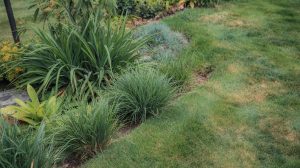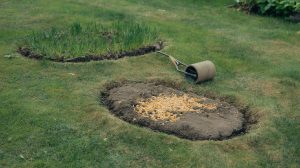
A lumpy, uneven lawn isn't just an eyesore - it creates standing water, scalped mowing lines, and tripping hazards that compound every season you ignore them.
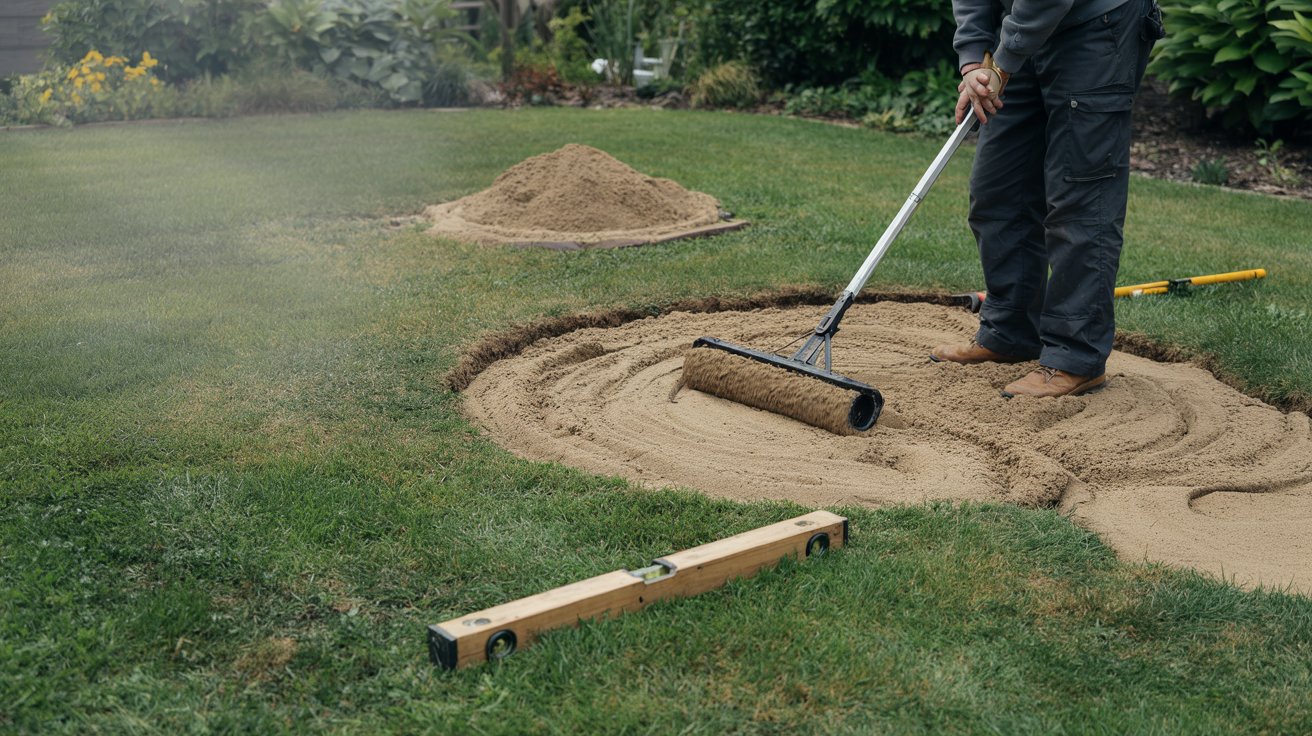
The good news isn't that there's a magic fix; it's that a simple, repeatable process of topdressing and light grading can smooth most residential yards without tearing up the turf you've already established.
Leveling a yard is rarely a one-day job.
Most homeowners see the best results by working in multiple light passes over a single growing season, letting the lawn recover and settle between applications. This approach protects the grass while steadily correcting the grade underneath it.
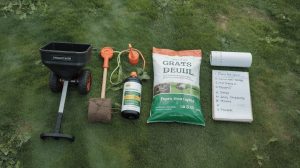
The tools you need are modest: a garden rake, a stiff push broom, a wheelbarrow, and a topdressing material matched to your soil type.
If you're dealing with a yard that drains poorly, our guide to fixing drainage and soil issues can help you identify the root causes before you start spreading material.
Follow the sequence below and you'll finish your first pass with smoothed high spots, improved water movement, and a clear plan for subsequent rounds.
Leveling a yard uses topdressing — applying thin layers of topsoil, compost, or sand — to fill low spots and smooth the surface while improving soil structure. Applications stay at ½ inch or less per pass to avoid smothering turf.
Multiple passes across one growing season deliver lasting results.
Mark low spots with spray paint or small flags before you start moving material. Walking the yard after a rain makes depressions far easier to identify than during dry conditions.
Assess Your Yard and Its Drainage
Before you spread a single shovelful of material, walk the entire yard slowly after a moderate rain. You're looking for two things: standing water that lingers more than 24 hours, and soft, compacted areas where your foot sinks noticeably.
Remember it later
Planning to try this recipe soon? Save it for a quick find later!
Both indicate problems you'll need to address before leveling makes sense.
Grab a garden hose and run water over any flat or low area for two minutes. If it puddles and stays, you have a drainage issue, not just a leveling issue.
According to Illinois Extension drainage guidance, your yard needs a minimum slope away from the foundation to prevent water from tracking toward the house.
If regrading won't solve persistent pooling near the structure, rerouting downspouts or installing a French drain is a smarter first step than topdressing.
Map what you find. A simple sketch on paper with circled problem zones is enough.
Note whether each area is a high spot that scalps during mowing, a low spot that holds water, or a gradual slope that directs runoff the wrong way. Prioritizing fixes by severity prevents you from wasting material on cosmetic bumps while a serious drainage fault goes unresolved.
Soil type matters more than most homeowners realize. Clay soil compacts easily and sheds water rather than absorbing it, which makes low spots worse over time.
As Missouri Extension soil health data confirms, adding organic matter to clay soils dramatically improves both aeration and drainage - which is why compost is often the right topdressing choice for these yards.
Sandy soils drain fast but erode, meaning low spots in sandy lawns often form from settled particles washing away. Knowing your soil texture before you buy materials prevents a mismatch that can make the problem worse.
A simple jar test identifies your soil type in 24 hours. Fill a jar two-thirds with water, add a cup of soil, shake, and let it settle overnight. Sand sinks first, silt next, and clay stays suspended longest — the layer ratios tell you what you're working with.
Once you've mapped the yard and know your soil, you're ready to match materials and plan your seasonal lawn maintenance schedule around the leveling work.
Plan Materials and Budget
Choosing the right topdressing material depends entirely on your existing soil. Using the wrong material - most commonly pure sand on clay soil - can create a concrete-like layer that makes drainage worse, not better.
Match your amendment to what's already in the ground.
According to Clemson Extension topdressing guidance, the three standard materials are topsoil, compost, and sand - but sand should only be used when the native soil is already sandy.
For most residential yards, a 50/50 mix of topsoil and compost works across a wide range of conditions and improves soil structure while leveling.
| Material | Best For | Notes |
|---|---|---|
| Topsoil | General leveling | Match to existing soil texture |
| Compost | Clay or compacted soil | Improves structure and drainage |
| Sand | Sandy native soil only | Avoid on clay — creates hardpan |
| Topsoil + Compost mix | Most residential yards | Versatile; balances fill and fertility |
Material volume is easier to calculate than most people expect. A cubic yard of topdressing covers roughly 320 square feet at ½ inch depth - the maximum per pass.
Measure your problem zones and order 10-15% extra to account for settling.
Bulk delivery is almost always cheaper than bagged material once you need more than half a cubic yard. For small patches, bagged topsoil or compost from a garden center works fine.
If your yard has severe grade issues exceeding several inches of correction, getting a professional quote for a grading pass first may save you multiple seasons of topdressing work.
Step-by-Step Leveling Process
Work through these steps in order. Skipping the assessment or aeration steps to save time often means redoing the topdressing pass once the turf struggles to recover through compacted soil.
Keep passes light and consistent. Resist the temptation to dump extra material into a deep low spot in one go - Clemson's topdressing factsheet is clear that no more than ½ inch per application should be applied to avoid smothering the grass beneath it.
If bare patches appear after leveling, address them before weeds move in. Overseeding thin areas directly after topdressing takes advantage of the fresh, loose soil contact.
Water daily for two weeks until germination establishes.
According to UW Extension aeration guidance, pairing core aeration with topdressing gives you the biggest single-session improvement. Aerate first, then apply topdressing — the material falls directly into the aeration holes and gets to the root zone faster.
Persistent bare or patchy spots after leveling may signal more than just grade problems. Review our guide to bare spots in lawns if grass refuses to recover after two passes.
Topdressing Techniques by Soil Type
The technique for spreading material shifts based on what's already in the ground. Getting this wrong is the most common reason a topdressing project delivers disappointing results after multiple seasons of effort.
For clay-heavy soils, compost is the most effective amendment. It breaks up dense particles, improves water infiltration, and feeds microbial activity that loosens the soil over time.
Missouri Extension confirms that regular additions of organic matter directly address the compaction and drainage failures common in clay lawns.
| Soil Type | Recommended Mix | Application Notes |
|---|---|---|
| Clay | Compost or topsoil/compost blend | Aerate first; work in 2–3 light passes |
| Sandy | Topsoil or fine sand | Avoid compost-only; sand blends work here |
| Loam | Topsoil/compost 50/50 | Best all-purpose approach |
| Compacted mix | Compost-heavy blend | Pair with core aeration every pass |
Sand topdressing is a specific tool, not a general fix. As Clemson Extension notes, applying sand over clay creates a stratified layer that blocks water movement between soil types - essentially building a hardpan just below the surface.
Reserve sand for lawns already sitting on sandy native soil.
Never exceed ½ inch of topdressing material per pass regardless of soil type or how deep the low spot is. A thick application blocks sunlight from reaching grass blades and can kill turf in 7–10 days. Build up gradually over multiple sessions instead.
Regardless of soil type, always distribute topdressing evenly. Use a landscape rake in long, sweeping strokes to keep the depth consistent across the treated zone.
Uneven application creates new low spots and wastes material. If you're uncertain which grass variety you're working with, check before choosing your mix - some warm-season grasses tolerate heavier sand applications than cool-season types.
Seasonal Timing for Leveling Passes
Timing each topdressing pass with the lawn's active growth period is the single biggest factor in how quickly turf recovers. Material applied during dormancy just sits on the surface without integrating and can smother the crown of the grass plant.
For cool-season grasses (fescue, bluegrass, ryegrass), the optimal windows are spring and early fall. For warm-season grasses (bermuda, zoysia, centipede), late spring through midsummer is ideal.
Always check soil moisture before starting - saturated ground is too soft to rake evenly and too wet for material to settle correctly. Illinois Extension recommends consulting local resources to adjust timing based on your specific climate conditions.
You can also coordinate leveling with warm-season yard maintenance tasks to consolidate disruption.
Prep
Active
Peak
Warm-season grasses in the South and Southwest follow a different calendar — topdress from late May through July when growth is fastest. In transition zones, watch the grass itself: green, actively growing turf recovers far faster from topdressing than dormant or stressed turf.
Space passes at least 4-6 weeks apart to let the grass grow through the previous application before adding more. If weeds are a concern between passes, review which weed control options are safe to use around a recently topdressed lawn.
Planning a full season of passes also helps you decide whether to reseed versus lay sod for severely damaged sections that won't recover through topdressing alone. For yards with persistent drought stress between passes, looking at drought-resistant grass varieties can reduce recovery time between applications.
Frequently Asked Questions
Aeration is strongly recommended on compacted soils. It creates channels that allow topdressing material to reach the root zone faster, according to UW Extension aeration research.
Keep each pass to ½ inch or less. Thicker applications block sunlight from grass blades and can kill turf within 7–10 days.
Expect visible improvement over several weeks as material settles and the grass grows through it. Most yards need 2–3 passes over one growing season for full correction.
A 50/50 topsoil and compost blend works for most residential yards. Use compost-heavy mixes on clay, and avoid sand unless your native soil is already sandy.
DIY topdressing works well for corrections under 2 inches. Larger grade issues — especially near foundations — benefit from a professional grading pass before you start topdressing.
Pin it for your next how to level a yard project.