Building a garden that feeds bees, butterflies, and hoverflies doesn't require a massive yard or years of expertise. A well-chosen mix of nectar-rich plants, timed across the seasons, can draw pollinators consistently from April through October.
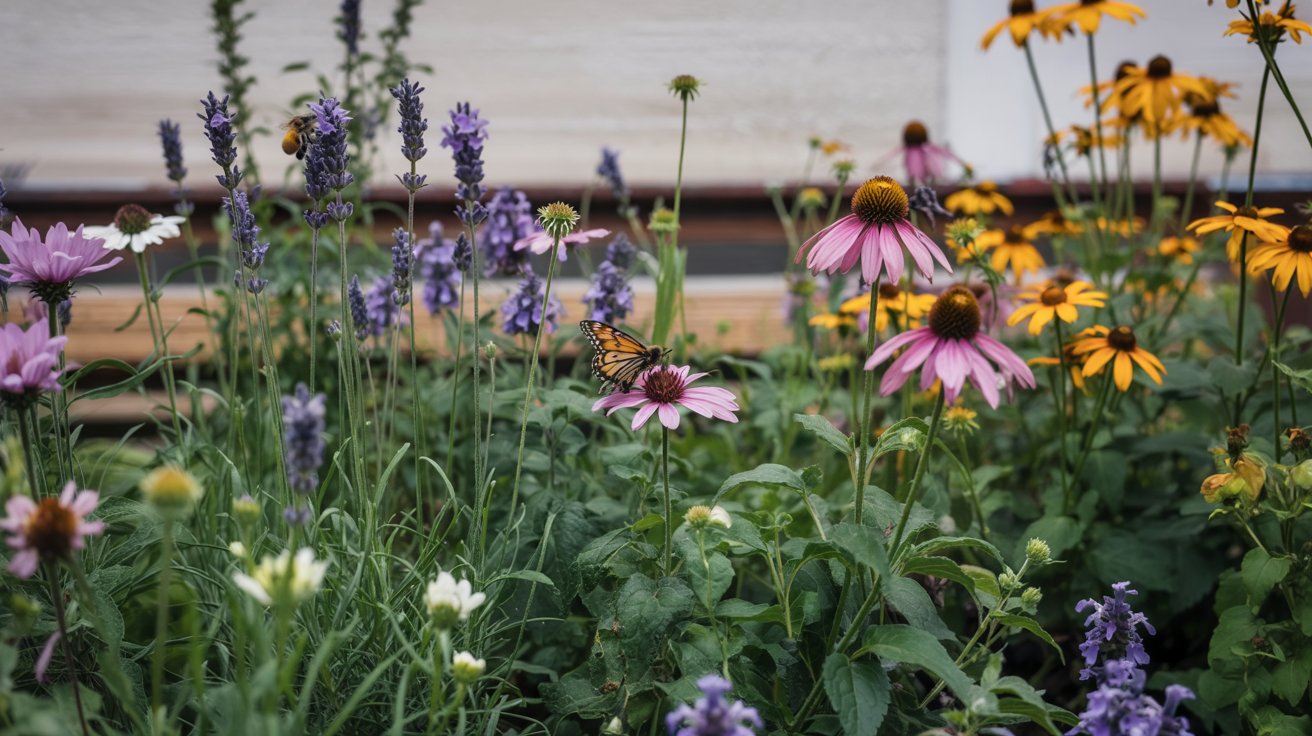
Most gardeners underestimate how much bloom timing matters. A single flush of flowers in June helps, but a staggered planting strategy keeps nectar available across the entire growing season.
Native plants carry an edge here. They co-evolved with local pollinators, so their flower structure, bloom timing, and nectar chemistry align with the insects that need them most.
Whether you're starting a dedicated border or tucking plants into containers on a patio, the nectar-rich plant selections in this guide cover every major pollinator group and every season.
We've pulled from university extension research, federal wildflower guidance, and hands-on gardening practice to put together a clear, no-fluff roster of the best flowers for pollinators - plus the steps to get them established fast.
This guide covers 10 top pollinator flowers combining native and non-native varieties, chosen for nectar quality, accessibility, and broad appeal to bees, butterflies, and hoverflies. Stagger plantings across spring, summer, and fall for continuous bloom.
According to the U.S. Fish & Wildlife Service, native plants are critical to supporting local pollinator populations.
Top 10 Pollinator-Attracting Flowers
The 10 flowers below combine native and non-native varieties widely recommended by extension services across North America. Each one supports multiple pollinator groups - not just honeybees, but native bees, butterflies, and hoverflies too.
Remember it later
Planning to try this recipe soon? Save it for a quick find later!
Selection was guided by nectar accessibility, bloom duration, and real-world reliability across different climates. The USDA Forest Service gardening guide emphasizes choosing plants with open, accessible flower structures so pollinators can actually reach the nectar.
| Flower | Pollinators Served | Bloom Time | Why It Works |
|---|---|---|---|
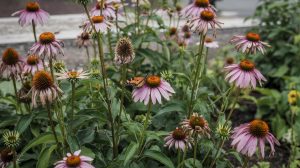
| Purple Coneflower (Echinacea purpurea) | Bees, butterflies, beetles | June–September | Long-blooming native with open, accessible pollen |
| Lavender (Lavandula angustifolia) | Bumblebees, honeybees, butterflies | June–August | Dense nectar production draws bees from a wide range |
| Black-Eyed Susan (Rudbeckia hirta) | Native bees, butterflies, hoverflies | July–October | Tough native perennial with a long fall bloom window |
| Common Milkweed (Asclepias syriaca) | Monarch butterflies, bees | June–August | Sole larval host plant for monarchs; rich nectar clusters |
| Borage (Borago officinalis) | Bumblebees, honeybees | May–September | Self-seeds readily; high-sugar nectar replenishes quickly |
| Sunflower (Helianthus annuus) | Native bees, honeybees, butterflies | July–September | Large pollen load supports cavity-nesting bee species |
| Wild Bergamot (Monarda fistulosa) | Bumblebees, hummingbirds, butterflies | July–August | Native prairie plant with tubular flowers ideal for long-tongued bees |
| Anise Hyssop (Agastache foeniculum) | Bees, swallowtails, hoverflies | July–September | Drought-tolerant native with continuous nectar production |
| Cosmos (Cosmos bipinnatus) | Butterflies, bees, hoverflies | June–frost | Easy annual with open disk flowers pollinators can navigate fast |
| Goldenrod (Solidago spp.) | Native bees, monarchs, hoverflies | August–October | Late-season powerhouse that fuels migrating monarchs and overwintering bees |
Several of these - lavender, cosmos, and sunflowers - also fit well in containers, making them practical for adding vibrant pollinator color to small patios or balconies.
Notice how the list spans different flower shapes: flat disks, tubular spikes, and clustered heads. Flower shape diversity matters because different bee and butterfly species have different tongue lengths and feeding styles.
Learning how to grow sunflowers well is worth the effort - a single multi-headed variety can feed dozens of native bees over several weeks in late summer.
Seasonal Nectar Windows
A pollinator garden without a seasonal plan will often leave bees and butterflies with nothing to eat in early spring or late fall - the two periods when they're most vulnerable.
Staggering bloom times across three seasons is the single most effective design move you can make.
Native perennials hold a specific advantage here. According to Oregon State University Extension, native perennials often offer multiweek bloom periods, giving pollinators a reliable, extended nectar source rather than a brief burst.
| Season | Window | Best Plants | Primary Pollinators Active |
|---|---|---|---|
| Early Spring | March–May | Borage, Anise Hyssop (starts late May) | Early bumblebees, mason bees |
| Early Summer | May–June | Lavender, Wild Bergamot, Cosmos | Honeybees, bumblebees, swallowtails |
| Mid Summer | July–August | Milkweed, Coneflower, Sunflower, Bergamot | Monarchs, native bees, hoverflies |
| Late Summer–Fall | August–October | Goldenrod, Black-Eyed Susan, Coneflower | Migrating monarchs, overwintering bees |
Milkweed and coneflowers are particularly valuable because they bridge mid-summer into fall, covering the longest and most active nectar window in most regions.
To extend your fall bloom even further, you can plan fall-blooming flowers like goldenrod and asters into your border as anchors for the late-season push.
Early spring gap-filling is often overlooked. Borage planted in April can start blooming within six to eight weeks, bridging the gap before summer perennials open up.
If you're planning a garden from scratch and want a head start, knowing what to plant in January can help you get seeds stratified and ready before the spring window opens.
Garden Design Dos and Don'ts
Good plant choices only go so far. How you arrange and maintain a pollinator garden determines whether bees and butterflies actually stay or just pass through.
Not all flowering plants support pollinators equally - nectar and pollen quality vary widely between species and even between cultivars. Double-flowered varieties look full and showy, but the extra petals physically block bee access to nectar and pollen.
- Choose native species first. Native plants match local pollinator feeding habits and bloom times more precisely than most non-natives.
- Plant in clusters of 3-5. A mass of one species is easier for bees to locate and more efficient to forage than scattered singles.
- Leave some bare soil. Ground-nesting bees, which make up roughly 70% of native bee species, need exposed, undisturbed soil patches to nest.
- Skip pesticides on blooming plants. Even systemic treatments applied weeks earlier can persist in pollen and nectar.
- Deadhead strategically. Removing spent blooms on cosmos and coneflowers encourages repeat flowering - learning when to deadhead flowers keeps nectar production going longer.
- Vary flower shapes. Include flat disks, spikes, and tubes to serve short-tongued bees, long-tongued bees, and butterflies in the same bed.
- Double-flowered cultivars. Packed petals block nectar access - single-flowered forms of the same species are almost always better for bees.
- Monoculture planting. A single species bed creates a boom-bust nectar cycle and leaves pollinators without food when that plant finishes.
- Heavy mulch over all soil. Blanketing every inch of ground with mulch eliminates nesting habitat for native bees.
- Planting in thin strips. A 2-foot-wide border rarely generates enough nectar mass to draw pollinators in meaningful numbers.
In warmer zones (8-10), native selections shift — swap Monarda for Salvia greggii and choose heat-tolerant Agastache varieties. Fragrant flowers like agastache and salvia also tend to perform well in dry southern climates while still delivering strong nectar output.
Step-by-Step Planting Guide
Getting a pollinator garden established doesn't require doing everything at once. Starting with 3-4 nectar-rich species creates an immediate food source while you build out the rest over one or two seasons.
These six steps cover the full process from site choice to the first summer of bloom. The Forest Service pollinator gardening guidance recommends prioritizing nectar-rich, locally native plants at every stage of planning.
Never apply any pesticide — organic or synthetic — to a plant that is actively blooming. Bees and butterflies collect nectar and pollen from open flowers, and even low-toxicity sprays can coat foraging insects or contaminate what they carry back to the nest.
If you're planning your first planting window, checking what to plant in February helps you identify which seeds need early starting indoors before the last frost date.
Container gardeners should use pots at least 12 inches wide and deep for lavender, cosmos, or anise hyssop. Smaller pots dry out too fast during peak summer heat to sustain consistent nectar output.
Myths, Tips, and Quick Wins
Two persistent myths keep well-meaning gardeners from building truly effective pollinator spaces. Clearing them up takes two minutes but changes how you make every future planting decision.
The first myth: any flowering plant will support pollinators. In reality, nectar quality and bloom timing vary dramatically - a heavily bred ornamental may produce almost no usable nectar at all, even if it looks beautiful.
For guidance on reducing chemical exposure in your garden, the Xerces Society's safe gardening tips offer a practical starting point.
Pesticides are not harmless in small amounts to pollinators. Even trace neonicotinoid exposure can impair bee navigation and reduce reproduction. Check plant labels at the nursery — many bedding plants are pre-treated before sale.
You can add white-flowered species like white coneflower or white aster to your palette; research shows many bee species are strongly attracted to white and yellow blooms, especially in low-light morning hours.
Add a shallow dish of water with a few pebbles for butterflies to land on — they need minerals from puddling just as much as nectar. Change the water every 2-3 days to prevent mosquito breeding.
Wondering whether blue flowers attract more bees than other colors? Bees do see blue and violet wavelengths strongly, making Agastache, salvia, and lavender especially visible to foraging bumblebees from a distance.
Frequently Asked Questions
Lavender, borage, and anise hyssop are among the strongest bee attractors. Borage replenishes nectar within minutes of foraging, making it especially productive for honeybees and bumblebees.
Milkweed, cosmos, and goldenrod are top butterfly plants. Milkweed is the sole larval host for monarch butterflies, making it irreplaceable in any butterfly-focused garden.
Yes, in most cases. Native plants co-evolved with local pollinators, matching their bloom timing and providing nectar chemistry that supports reproduction. The U.S. Fish & Wildlife Service recommends natives as the foundation of any pollinator planting.
Yes. Lavender, cosmos, and anise hyssop all perform well in containers at least 12 inches wide. Use a well-draining potting mix and water every 2-3 days during summer heat.
Both have roles. Perennials like coneflower and goldenrod return each year with minimal effort. Annuals like cosmos and borage fill seasonal gaps and can extend nectar availability until the first hard frost.
Pin it for your next best flowers for pollinators project.