Spring is the perfect time to fill empty pots with plants that earn their place - whether that means a cascade of petunias on a balcony railing or a cherry tomato plant producing fruit three feet from your kitchen door. Container gardening puts you in complete control of soil quality, drainage, and sun exposure in ways an in-ground bed simply cannot match.
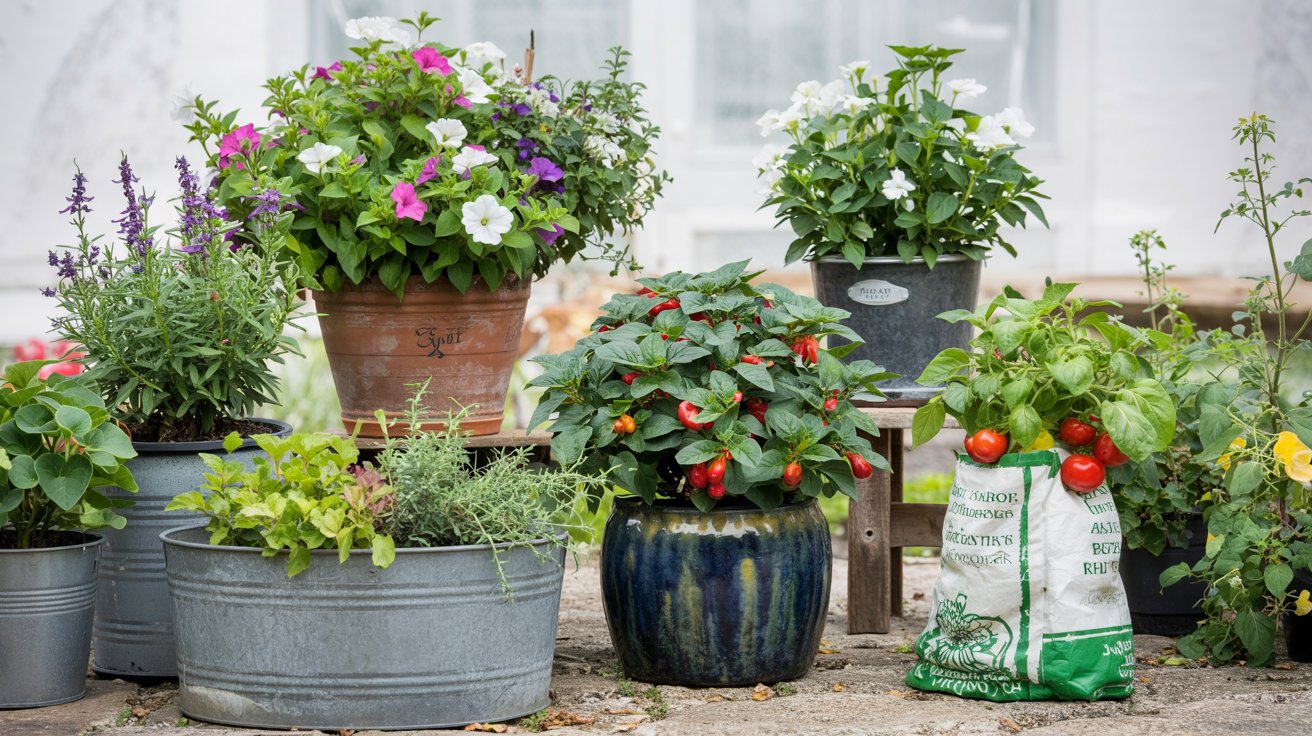
That control matters most in small spaces: a 14-inch pot on a sunny patio can yield herbs, edibles, and flowers all at once.
Choosing the right plants is the first decision, and it shapes everything else - container size, watering frequency, and how long the display lasts through the season.
This guide covers the best plants for containers across three categories - flowers, edibles, and herbs - with specific container sizing, care notes, and a weekly maintenance routine.
Whether you're working with a single balcony pot or a tiered patio setup, the plant list below gives you a tested starting point.
Our vegetable planting calendar can help you time your edible crops alongside ornamental selections for a full-season container display.
The best container garden plants combine compact habit, reliable bloom or harvest, and tolerance for pot-constrained roots. Top performers include petunias, cherry tomatoes, basil, dwarf peppers, and calibrachoa — all manageable in pots 10–14 inches or larger with quality potting mix and consistent watering.
Top Picks for Container Gardens
A container garden rewards you fastest when you pick plants matched to your exact conditions - sun hours, pot depth, and how often you can water.
Remember it later
Planning to try this recipe soon? Save it for a quick find later!
The list below spans flowers, edibles, and herbs, and each entry includes a quick tag so you can build a balanced mixed planting or focus on one category.
According to Illinois Extension guidance, container size is the single factor most beginners underestimate - plants in too-small pots dry out within hours on a hot day and restrict root growth significantly.
- Petunia Flower - Cascading or mounding, full-sun performers that bloom from April through first frost in a 10-inch pot or window box.
- Cherry Tomato Edible - Varieties like 'Tumbling Tom' or 'Patio' stay under 24 inches and produce heavily in a 14-16 inch deep pot.
- Basil Herb - Fast-growing and compact; a single 8-inch pot yields enough leaves to harvest weekly through summer.
- Calibrachoa Flower - Millions of tiny blooms without deadheading; trailing habit fills hanging baskets in 6-8 weeks.
- Dwarf Bell Pepper Edible - Compact cultivars like 'Lunchbox' reach 18 inches and fruit well in a 12-inch container with full sun.
- Lavender Herb - Fragrant and drought-tolerant once established; use a 10-inch terracotta pot with fast-draining mix for best results.
- Lettuce Edible - Shallow roots make it ideal for window boxes as narrow as 6 inches deep; harvest outer leaves every 5-7 days.
- Impatiens Flower - The best low-light flowering option for shaded patios; thrives in 8-inch pots with consistent moisture.
CSU Extension's container design guidelines recommend grouping plants with similar water needs in the same pot to reduce over- or under-watering across your arrangement.
| Item | What to Get | Notes |
|---|---|---|
| Potting Mix | Quality bagged potting soil | Not garden soil — too dense for pots |
| Perlite | Small bag (8–12 qt) | Blend in at 15–20% by volume |
| Containers | 10–16 inch pots with drainage holes | At least 1 hole per 10 inches of diameter |
| Slow-Release Fertilizer | Granular, 3-month formula | Mix into soil at planting |
| Liquid Fertilizer | Balanced 10-10-10 or tomato feed | Use every 2 weeks once plants establish |
| Saucers | Match container diameter | Empty after 30 minutes to prevent root rot |
Before you buy plants, check how many full-sun hours your patio or balcony actually gets. Count from 8 a.m. to 6 p.m. and note when shade falls — most flowering plants need at least 6 hours of direct sun to bloom well.
Flowering Champions for Pots
Flowers in containers do two things in-ground plants often can't: they give you continuous color exactly where you want it, and you can swap them out when they finish.
The varieties below were selected for long bloom windows, compact habit, and reliable performance in pots from spring through fall.
long-blooming container shrubs like azaleas can anchor a mixed pot arrangement while annuals fill in around them for color.
| Plant | Sun | Water | Pot Size | Bloom Time |
|---|---|---|---|---|
| Petunia | Full sun | Every 1–2 days | 10–12 in | Apr–Oct |
| Calibrachoa | Full sun | Every 1–2 days | 10–12 in | Apr–Oct |
| Impatiens | Part shade | Every 2 days | 8–10 in | May–Oct |
| Marigold | Full sun | Every 2 days | 8–10 in | Jun–Oct |
| Geranium | Full to part sun | Every 2–3 days | 10–12 in | May–Sep |
| Begonia (tuberous) | Part shade | Every 2 days | 10–12 in | Jun–Sep |
| Salvia | Full sun | Every 2 days | 10–14 in | Jun–Oct |
| Snapdragon | Full sun | Every 2 days | 10–12 in | Apr–Jun, Sep–Oct |
Deadheading petunias and marigolds every 3-5 days extends bloom time by preventing the plant from setting seed. Geraniums, by contrast, need very little deadheading - simply snap off finished flower clusters at the stem base.
OSU's container gardening basics note that container-grown annuals deplete nutrients faster than in-ground plants because frequent watering flushes fertilizer out of the root zone.
In zones 8–10, snapdragons perform best in fall and early spring — summer heat stops bloom. In zones 5–7, plant them in April for a full spring show before swapping to heat-tolerant summer annuals. The University of Maine container guide covers cool-season ornamentals for northern climates.
Edible Champions in Containers
Growing food in pots is genuinely practical once you match the crop to the container depth. Shallow-rooted crops like lettuce and herbs need just 6-8 inches, while tomatoes and cucumbers need at least 12-14 inches of depth to form a stable root system.
Timing matters too - check a planting schedule for edibles before you set out transplants to avoid a late frost wipe-out.
| Crop | Min. Pot Size | Spacing | Sun | Notes |
|---|---|---|---|---|
| Cherry Tomato | 14–16 in deep | 1 plant per pot | Full sun | Stake at planting; water daily in heat |
| Dwarf Pepper | 12 in deep | 1–2 per 12-in pot | Full sun | Harvest when color develops fully |
| Lettuce | 6–8 in deep | 4–6 per 12-in box | Part sun | Cut outer leaves; regrows for 8–10 weeks |
| Bush Beans | 10–12 in deep | 6 seeds per 12-in pot | Full sun | Direct sow; harvest in 50–60 days |
| Compact Cucumber | 12–14 in deep | 1 plant per 12-in pot | Full sun | Train vertically up a small trellis |
| Spinach | 6–8 in deep | 4–5 per 10-in pot | Part sun | Bolts in heat; plant in March or September |
| Kale | 10–12 in deep | 1 per 10-in pot | Full to part sun | Harvest outer leaves; lasts all season |
| Radish | 6–8 in deep | 16 seeds per 12-in pot | Part to full sun | Ready in just 25–30 days from seed |
If you want to try a fruit tree on your patio, you can grow a lemon tree in a pot using a 15-20 gallon container - far larger than most vegetable pots but completely manageable on a sunny deck.
The University of Maine container vegetable guide recommends using a self-watering insert for tomatoes and cucumbers in hot climates, reducing daily watering to every 2-3 days instead of daily checks.
Cherry tomatoes need consistent nighttime temperatures above 55°F to set fruit reliably. In zones 5–6, wait until late May to move transplants outside permanently. In zones 8–9, UF/IFAS tomato guidance suggests fall planting for a second harvest season.
Compact Herbs and Foliage for Texture
Herbs are the most practical container plants you can grow - they serve double duty as fragrant foliage and a kitchen resource.
Most prefer 8-10 inch pots, though mint is the one exception that must go in a dedicated container: it spreads aggressively and will crowd out anything grown alongside it.
Some herbs, like aloe vera for healing burns, pull triple duty as texture, utility, and a drought-hardy filler in mixed containers.
| Herb / Plant | Sun | Pot Size | Harvest / Note |
|---|---|---|---|
| Basil | Full sun | 8–10 in | Pinch flowers weekly; harvest from top |
| Mint | Part to full sun | 8–10 in (solo) | Harvest any time; never mix with others |
| Chives | Full to part sun | 8 in | Cut to 2 in; regrows in 10–14 days |
| Parsley | Part to full sun | 8–10 in | Biennial; harvest outer stems first |
| Thyme | Full sun | 8 in | Drought-tolerant; trim after flowering |
| Rosemary | Full sun | 10–12 in | Let soil dry between waterings fully |
| Cilantro | Part sun | 8–10 in | Bolts fast in heat; sow every 3 weeks |
| Ornamental Sweet Potato Vine | Full to part sun | 10–12 in | Foliage only; trailing filler in mixed pots |
UF/IFAS herb container guidance confirms that most Mediterranean herbs - rosemary, thyme, oregano - perform better in terracotta pots than plastic, because terracotta wicks excess moisture and prevents root rot in the fast-draining mix they need.
Cilantro and basil both bolt (go to seed) quickly in temperatures above 85°F. Move those pots to a spot with afternoon shade once summer heats up, and you'll extend the harvest window by 3–4 weeks. The UF/IFAS edible plant pages include heat-management tips for warm-season herb growing.
Container Care 101: Soil, Water, and Drainage
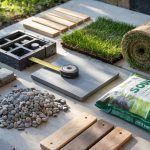
Container plants live entirely on what you give them - there's no subsoil reservoir to draw from and no earthworm network cycling nutrients. Getting soil mix, drainage, and watering rhythm right is more important in a pot than in any garden bed.
Review summer garden maintenance tips to build these container care habits into a broader seasonal routine before peak heat arrives.
| Step | Action | Frequency |
|---|---|---|
| 1. Check Soil Moisture | Insert finger 1 inch deep — water if dry | Daily in summer, every 2 days in spring |
| 2. Feed Plants | Apply liquid balanced fertilizer at half-strength | Every 2 weeks after establishment |
| 3. Inspect and Deadhead | Remove spent blooms; check for pests under leaves | Weekly minimum |
The standard potting mix formula that works across most container types is 80% quality potting soil plus 20% perlite by volume. This ratio keeps the mix from compacting over the season while retaining just enough moisture between waterings.
CSU Extension's container care guide warns against using garden soil in pots - it compacts tightly under repeated watering, cutting off oxygen to roots within a few weeks.
OSU container basics recommend refreshing the top 2 inches of potting mix every season even if you don't fully repot.
Saucers that hold standing water for more than 30 minutes cause root rot in almost every container plant. Empty saucers after each watering session, especially for herbs and succulents. In a rainy week, check that drainage holes haven't clogged with compacted soil.
Creative Container Ideas and Microclimates
A single container is a starting point - but the most interesting patio gardens use layered heights and mixed textures. Window boxes at railing height catch full sun while a tiered pot stand below can hold shade-tolerant impatiens or ferns in the lower levels.
Microclimates matter more on balconies and terraces than in open gardens. A south-facing brick wall reflects heat, effectively raising your local growing zone by half a step - ideal for heat-loving peppers and basil.
A north-facing corner stays 5-10°F cooler, which extends lettuce and spinach several extra weeks past their usual bolt date.
trailing foliage like pothos spills over container edges beautifully and tolerates the lower light of a shaded balcony corner without any fuss. Hanging baskets work best with calibrachoa, trailing petunias, or sweet potato vine - plants with a natural draping habit that fills out in 4-6 weeks.
For quick design impact, pair one tall thriller (salvia, ornamental grass), one filler (petunia, marigold), and one spiller (calibrachoa, sweet potato vine) in a 14-inch pot.
Wind strips moisture from containers two to three times faster than still air. On exposed balconies, group pots together to create a windbreak effect, and check soil moisture daily during windy stretches. Illinois Extension and OSU container guides both note that wind exposure is the most overlooked variable in balcony container care.
If your patio gets intense afternoon sun, place heat-sensitive plants like lettuce and shade-tolerant peace lilies where a taller container or wall casts shadow after 2 p.m. Meanwhile, large-leaf tropical foliage like monstera adds dramatic scale to shaded corners without needing direct sun at all.
Frequently Asked Questions
Top performers include petunias, calibrachoa, cherry tomatoes, basil, and dwarf peppers — all compact, productive, and manageable in 10–16 inch pots with full sun and regular watering.
A 12-inch pot comfortably holds 3 annual flowers or 2 herbs. A 16-inch pot can support a thriller-filler-spiller trio — one upright, one bushy, one trailing.
Use 80% quality bagged potting mix plus 20% perlite by volume. Avoid garden soil — it compacts under repeated watering and suffocates roots within weeks.
Basil, chives, thyme, rosemary, and parsley all perform reliably in 8–10 inch pots. Mint must grow solo — it spreads and overtakes any neighboring plant within one season.
Check daily in summer by pressing a finger 1 inch into the soil. Most flowering annuals need water every 1–2 days in heat; Mediterranean herbs need water every 2–3 days once established.
Pin it for your next best plants for container gardens project.