Most vegetable gardens demand a full reset every spring - new seeds, new transplants, new soil prep, and the same cycle repeated indefinitely. Perennial vegetables break that pattern by returning from the same root system year after year, often getting more productive as they establish.
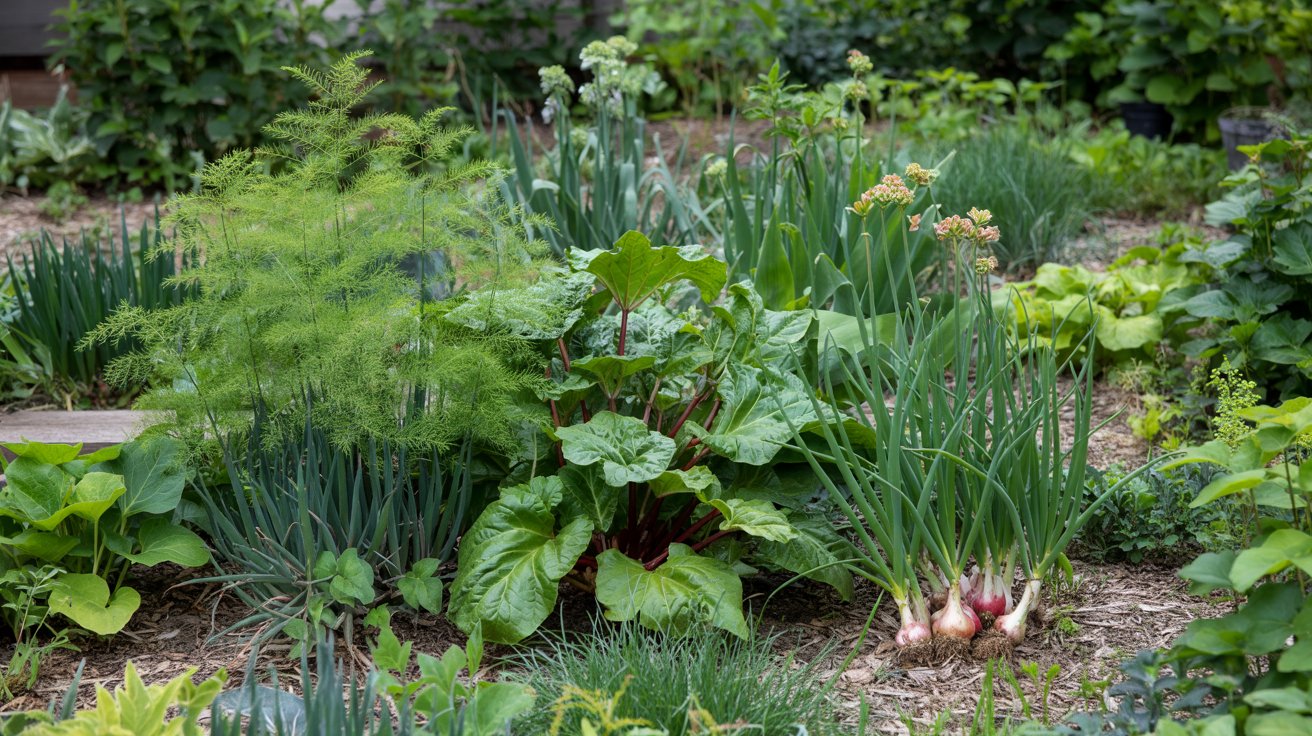
A single asparagus bed, planted correctly, can feed your household for 20 years or more without replanting. That kind of longevity changes how you think about garden real estate.
This list focuses on the best-performing perennial vegetables for home gardens, with zone guidance, lifespan numbers, and care cues you can act on immediately. If you're also mapping out when to start each crop, pairing annuals with perennials gives you harvests across the full season.
According to Cornell Cooperative Extension, asparagus longevity routinely reaches 10-20 years from a single planting. University of Minnesota Extension confirms that horseradish hardy perennial status makes it one of the most resilient edibles you can add to a permanent bed.
Perennial vegetables return year after year from established roots and crowns, reducing replanting labor and cost. Top picks include asparagus, rhubarb, sorrel, Jerusalem artichoke, horseradish, and chives — all hardy across a wide zone range with minimal annual care.
Top Perennial Vegetables at a Glance
Before committing bed space, it helps to see all the main candidates side by side.
Remember it later
Planning to try this recipe soon? Save it for a quick find later!
Each of these crops returns reliably year after year, but they differ significantly in zone hardiness, how long they take to hit full production, and how much space they claim in your garden.
Crops like raised-bed friendly vegetables - including chives and sorrel - work well in tighter spaces, while asparagus and Jerusalem artichoke need room to spread. Use this table to match each crop to your climate and your available square footage.
| Vegetable | USDA Zones | Years to Full Harvest | Lifespan | Key Note |
|---|---|---|---|---|
| Asparagus | 3–8 | 2–3 years | 10–20+ years | Deep crowns; needs patience early |
| Rhubarb | 3–8 | 2 years | 10–20 years | Harvest stalks, never leaves (toxic) |
| Jerusalem Artichoke | 3–9 | 1 year | Indefinite | Spreads aggressively; needs containment |
| Sorrel | 5–9 | 1 year | 5–7 years | Cool-season leaves; cut back in heat |
| Horseradish | 3–9 | 1 year | Indefinite | Harvest roots in fall; very hardy |
| Chives | 3–9 | 1 year | 10+ years | Division every 3 years keeps yield high |
Chives (Allium schoenoprasum) are worth a special mention here. They establish fast, produce from their first season, and the mild onion flavor works in nearly any dish.
Dividing clumps every three years - a simple task covered in our guide on when and how to divide - keeps them vigorous and prevents overcrowding.
Horseradish (Armoracia rusticana) is equally low-maintenance once established. Plant roots in early spring, harvest in fall, and leave a few small roots in the ground to regrow the following year.
Unlike some perennials that peak then fade, horseradish is effectively permanent - it will return as long as you want it to.
Understanding the difference between annuals and perennials helps you allocate bed space wisely, since perennials should occupy permanent corners of your garden rather than rotating rows.
Asparagus: Worth Every Year of the Wait
Asparagus (Asparagus officinalis) is the flagship perennial vegetable for good reason. A well-planted bed can feed a family for two decades, and once crowns are established, the annual workload drops to mulching, fertilizing, and harvesting.
The tradeoff is patience. Oregon State Extension confirms that asparagus takes two to three years from planting to the first real harvest.
During those first years, you're building root depth - don't harvest at all in year one, and harvest lightly in year two to avoid weakening crowns.
Plant one-year-old crowns rather than seeds to shave a year off the wait. Set them 6-8 inches deep in a trench, then backfill gradually as shoots emerge in the first season.
This deep planting anchors the crown and discourages frost heave in cold zones.
By year three, expect a two- to four-week harvest window in spring, cutting spears when they're about 6-8 inches tall. By years four through six, that window typically extends to six weeks or more as the root system matures.
After harvest each season, let the ferns grow fully - they feed the crown for the following year's spears.
Space rows 4-5 feet apart so the tall ferny foliage doesn't shade neighboring beds. If you're working with limited ground space, check our notes on vegetables that manage with less sun for options that can fill shaded spots near your asparagus ferns.
Add a balanced fertilizer (10-10-10) in early spring before spears emerge, and again after the final harvest. Consistent feeding in years one through three is what separates a mediocre asparagus bed from one that produces for 20 years.

Rhubarb: Decades of Stalks from One Planting
Rhubarb (Rheum rhabarbarum) is a cold-climate powerhouse. It needs a genuine winter dormancy period - ideally temperatures below 40°F for several weeks - which makes it ideal for zones 3-8 but unreliable in warm southern climates.
According to the Royal Horticultural Society, rhubarb crown production continues reliably for 10-20 years when crowns are divided every 5-7 years to prevent overcrowding. A single crown planted today can become a multi-crown patch that your kids inherit.
Plant rhubarb crowns in early spring, with the crown buds just at or 1-2 inches below soil level. Planting too deep delays emergence and can rot the crown in wet conditions.
Choose a spot with rich, well-draining soil and full sun - rhubarb roots are hungry and need consistent moisture.
In the first year, let all stalks grow freely to build root mass. In year two, pull two or three stalks per plant.
By year three, harvest freely but always leave a third of the stalks standing so the plant can photosynthesize and replenish the crown.
Remove any flower stalks that appear immediately. Flowering diverts energy from the edible stalks and can reduce yields in subsequent years.
Division every 5-7 years - splitting the crown with a sharp spade - keeps plants productive and gives you free starts to expand the bed.
Jerusalem Artichoke (Sunchoke): Fast, Productive, and Hard to Stop
The Jerusalem artichoke (Helianthus tuberosus), also called sunchoke, is not related to artichokes or Jerusalem. It's a North American native sunflower that produces masses of knobbly, nutty-flavored tubers each fall.
As noted in perennial vegetable guides, it returns reliably year after year from tubers left in the ground.
That comeback habit is both its greatest asset and its biggest challenge. Any tuber left in the soil - even a small fragment - will sprout the following spring.
Without management, a single plant becomes a dense colony within two to three seasons.
Plant sunchokes in a spot where spreading won't be a problem, or install a 12-inch deep root barrier around the bed perimeter to keep tubers from migrating. They tolerate poor soil better than most vegetables and prefer full sun similarly to many perennial flowers, but will produce tubers in partial shade too.
Harvest after the first frost, which converts some starch to sugar and improves the mild, sweet flavor.
Sorrel: The Perennial Salad Green
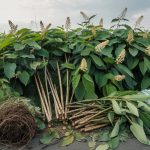
Sorrel (Rumex acetosa) is a cool-season leafy green that most gardeners don't know about - which is a missed opportunity.
University of Minnesota Extension notes that sorrel perennial habits make it a reliable producer, though its lifespan is shorter than rhubarb, typically 5-7 productive years per planting.
It's one of the first edibles ready in spring, often producing harvestable leaves before the last frost date. The flavor is bright and lemony from oxalic acid - excellent raw in salads, wilted into soups, or used as a sauce base for fish.
Cut sorrel back hard in midsummer when heat causes bolting and the leaves turn bitter. New growth returns in fall and continues until hard frost.
Plant it alongside other cool-season edible perennials in a spot that gets partial afternoon shade in hot climates - this extends the productive leaf window by several weeks. Space plants 12-18 inches apart and divide clumps every four to five years to maintain vigor.
Designing and Caring for a Perennial Vegetable Bed
The most important design rule: put perennial vegetables where they won't interfere with annual crop rotation. Dedicate a permanent corner or raised bed to long-lived plants and leave your main beds free for seasonal crops.
Group plants by height - tall sunchokes and asparagus ferns on the north edge, medium rhubarb and sorrel in the middle, low chives at the front. This prevents shading and makes harvesting straightforward.
If you're planning your full growing year, starting crops in January can give perennial crowns the longest possible establishment window before summer heat arrives.
University of Minnesota Extension's mulching research shows that a 2–3 inch layer of organic mulch conserves moisture, moderates soil temperature, and suppresses weeds in perennial beds. Apply in late fall after the ground cools and again in early spring before new growth emerges.
Water newly planted perennials every 2-3 days for the first month, then reduce to once or twice a week as roots establish. Apply a balanced fertilizer each spring before growth starts, and top-dress with compost in fall to restore organic matter.
Check our guide on planning February plantings for timing crown divisions and early starts in mild zones.
For gardeners curious about extending the kitchen garden beyond these staples, growing annual herbs like basil alongside perennial beds fills in the summer gap when cool-season perennials like sorrel go dormant.

Frequently Asked Questions
Yes. Perennial vegetables regrow from established root systems or crowns each spring. Asparagus, for example, returns reliably for 10–20 years from a single planting without replanting.
They spread aggressively because any tuber fragment left in soil regrows the following spring. Installing a 12-inch buried root barrier around the planting area keeps them contained effectively.
Rhubarb reaches full production by year three. Harvest lightly in year two and allow all growth in year one to build a strong crown for decades of future stalks.
Asparagus is not well-suited to containers. Crowns need 18 inches of spacing and roots spread several feet wide; a minimum 20-gallon container per crown is required, and yields are typically poor.
Most perennial vegetables perform best in USDA zones 3–8, where cold winters trigger dormancy. Sorrel and Jerusalem artichoke extend to zone 9; asparagus and rhubarb need cold below 40°F to thrive.
Pin it for your next best perennial vegetables project.