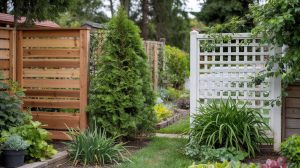
Spring is the best time to look at your backyard and actually do something about it.
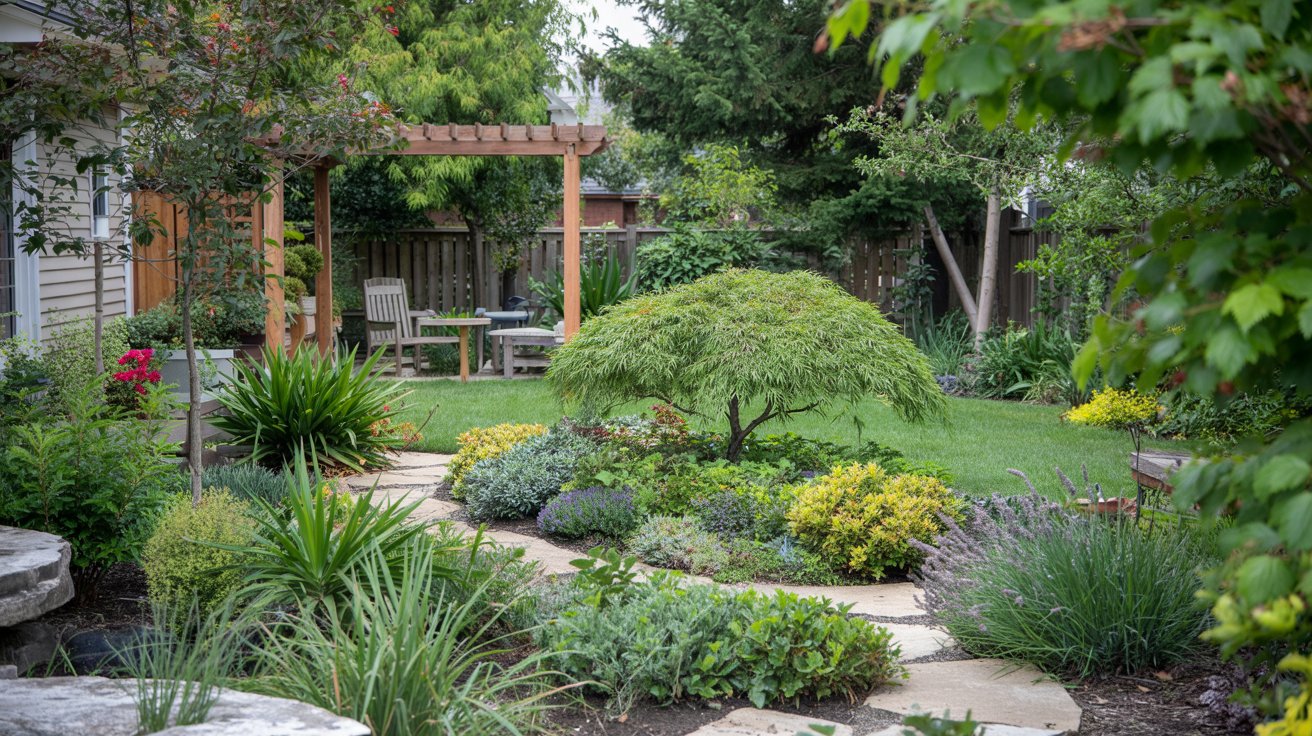
Whether you have a bare patch of grass, a patio with cracked concrete, or just a general sense that the space could work harder for you, a clear plan makes all the difference between a weekend project and a stalled one.
Most yard makeovers fail not because of budget but because of scope creep - trying to do everything at once.
This guide organizes backyard landscaping ideas into three distinct price tiers: under $1,000, $1,000-$5,000, and $5,000-$15,000+. You can start at the bottom and build up, or jump straight to the tier that matches your situation.
landscape design basics from Penn State Extension show that homes with intentional outdoor design consistently see higher livability scores and resale interest.
We also cover front yard coordination so your curb appeal matches your backyard retreat, plus a 12-month maintenance roadmap to keep everything looking sharp after installation.
This guide covers backyard landscaping ideas across three budget tiers — from quick weekend wins under $1,000 to full outdoor living spaces over $5,000 — with cost anchors, design tips, and a seasonal care calendar to keep your yard investment protected year-round.
Before buying a single plant, walk your yard at different times of day and note where sun hits and where water pools. The EPA WaterSense guidelines recommend matching plants to existing site conditions first — this single step saves money on replacements.
Budget-Friendly Foundations: Under $1,000
A tight budget does not mean a plain yard. Under $1,000, you can add structure, color, and function if you focus on high-impact elements first.
Remember it later
Planning to try this recipe soon? Save it for a quick find later!
The secret is choosing two or three ideas that complement each other rather than scattering effort across six half-finished projects.
For tight-space results on a budget, ground-level changes consistently deliver the most visual return per dollar spent.
- Mulched garden beds: A 200 sq ft bed with 3 inches of hardwood mulch costs roughly $60-$120 in materials and blocks weeds for a full season.
- Gravel pathway: A simple 2-foot-wide gravel path across a 20-foot span runs about $80-$150 in pea gravel and landscape fabric.
- Seed or sod patching: Overseeding bare lawn areas costs as little as $30-$80 in seed and starter fertilizer.
- Edging: Steel or plastic lawn edging for a 50-foot run costs $25-$60 and instantly sharpens the line between grass and beds.
- Drought-tolerant perennials: Native perennial plugs from a local nursery typically run $4-$8 each; planting 20 fills a full bed under $200.
- Raised vegetable bed kit: A 4×8 cedar frame kit plus soil runs $150-$300 and provides food production through the season.
The WaterSense planting tips recommend choosing native or drought-adapted species first, which cuts both water bills and replacement costs over time.
Mid-Range Makeovers: $1,000-$5,000
This tier is where a yard starts to look and feel intentional. You can install hardscape foundations, add real irrigation, and plant enough material to create visual weight.
University of Minnesota Extension notes that balanced plant selection - mixing shrubs, perennials, and groundcovers - significantly reduces long-term upkeep costs.
Before committing, use a project cost estimator to reality-check your wish list against your actual budget.
Below is a curated menu of mid-range ideas with approximate installed costs and what each typically includes in materials.
| Idea | Est. Cost | Typically Includes |
|---|---|---|
| Paver patio (200 sq ft) | $1,500–$3,000 | Pavers, base gravel, sand, edging |
| Sod installation (1,000 sq ft) | $800–$1,800 | Sod rolls, topsoil prep, starter fert |
| Drip irrigation system | $500–$1,500 | Timer, lines, emitters, backflow valve |
| Privacy shrub row (10 plants) | $400–$900 | 3-gallon shrubs, mulch, stakes |
| Raised planting berms | $600–$1,200 | Topsoil, compost, native plants |
| Concrete curbing (50 lin ft) | $400–$800 | Formed concrete, color, sealer |
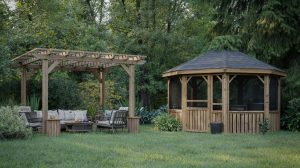
| Pergola (10×12 kit) | $1,200–$2,500 | Cedar frame, hardware, footings |
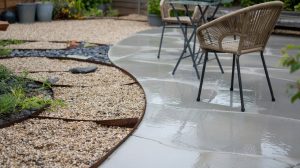
| Gravel patio with border | $600–$1,400 | Decomposed granite, steel edging, fabric |
| Ornamental tree planting (3) | $500–$1,200 | B&B trees, mulch rings, staking |
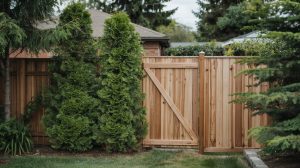
| Outdoor privacy fence (40 ft) | $1,500–$3,500 | Posts, panels, hardware, concrete |
A gravel patio build sits at the lower end of this tier and can be a strong weekend DIY project, saving $400-$700 in labor compared to hiring out.
For privacy, pairing a fence design with a shrub row in front softens the structure and adds year-round screening. That combination typically lands between $2,000 and $4,500 installed.
Irrigation is often the most overlooked mid-range upgrade. A drip system reduces outdoor water use by up to 50% compared to overhead sprinklers, and most systems qualify for local utility rebates that offset installation costs.
Premium Yard Transformations: $5,000-$15,000+
At this level, you're building an outdoor living room, not just landscaping. Premium upgrades include paver patios with built-in seating walls, outdoor lighting systems, water features, and full outdoor kitchens.
Colorado State University Extension recommends starting with a comprehensive site plan before any contractor bids, so scope and priorities are locked before prices are quoted.
Understanding full landscaping cost breakdowns before signing contracts helps you avoid scope surprises mid-project.
Premium projects come with real advantages and real tradeoffs. A well-designed outdoor living area can extend usable yard time by three to four months in temperate climates, but the upfront cost and installation timeline require planning.
- Paver patios last 25–50 years with minimal maintenance versus wood decks at 10–15 years.
- Outdoor lighting adds security, extends evening usability, and costs about $50–$150 per fixture installed.
- Water features like pondless waterfalls add sound buffering from neighbors and road noise.
- Landscape lighting boosts perceived home value by 5–10% according to NAR surveys.
- Built-in fire pits outperform portable units for longevity and safety compliance.
- Low-cost native plantings often outperform expensive ornamentals in drought years.
- Gravel and mulch beds require no professional installation and are easily changed.
- No contractor scheduling delays — most budget projects can start this weekend.
- Portable fire pits cost $150–$400 versus $3,000–$5,000 for a built-in version.
- Lower financial risk if your landscaping priorities shift in two to three years.
For premium outdoor spaces, layered lighting design is the single upgrade most landscape designers cite as the highest impact-per-dollar at this tier. A full lighting plan with path lights, uplights, and zone controls typically runs $2,000-$5,000 installed.
If a fire pit is part of your premium plan, a fire pit style comparison helps you choose between wood-burning, gas, and propane builds before locking in a contractor quote.
Front Yard Landscaping: Curb Appeal That Plays Well with Backyards
A backyard that looks nothing like the front creates a disjointed feel that buyers and neighbors notice immediately. The fix is simpler than most people expect: match your hardscape materials and repeat two or three plant species from front to back.
This creates visual continuity without requiring identical designs on both sides of the house.
Zone-aware plant selection matters here. The USDA Plant Hardiness Zone Map helps you confirm which plants survive your winters before spending money on species that won't last a season.
To align your front and backyard aesthetics, take two concrete steps before planting anything new.
First, photograph both spaces and identify the dominant hardscape material - concrete, brick, wood, or gravel. Second, choose one plant you love and repeat it in both yards as a visual thread; this works with ornamental grasses, boxwood, or flowering perennials equally well.
Front yard work also benefits from the broader backyard and outdoor design principles that guide the full property - particularly how sight lines from the street connect to the back gate or side yard entry.
Seasonal Care and Maintenance: 12-Month Roadmap
Installing a landscape is only half the job. A simple, repeatable maintenance cadence is what separates yards that look better every year from yards that slowly revert to weeds and bare patches.
The EPA WaterSense program recommends adjusting irrigation schedules seasonally rather than monthly, which prevents both overwatering in spring and drought stress in late summer.
Use these steps as a repeatable annual framework, adjusting timing by two to four weeks based on your USDA hardiness zone.
For exterior lighting, schedule an annual landscape lighting check each spring to replace bulbs, clean fixtures, and adjust fixture angles after winter soil movement. Reviewing outdoor lighting cost estimates annually helps budget for LED upgrades before fixtures fail.
Frequently Asked Questions
Basic backyard landscaping runs $500–$3,000 DIY. Hired professional projects average $5,000–$15,000, with full outdoor living spaces reaching $30,000 or more. Reviewing full cost breakdowns by scope helps set realistic expectations before any contractor quotes.
Mulched beds, steel edging, native perennials, and overseeded lawn patches all cost under $200 each. These high-visibility improvements deliver strong visual change without requiring hired labor or permits.
A clean mulched bed with defined edging and two to three flowering shrubs consistently ranks as the highest-ROI front yard upgrade. Matching hardscape materials to your backyard creates a unified look that strengthens overall property appeal, per garden design principles.
DIY budget projects can complete in a single weekend. Mid-range projects with irrigation or hardscape typically take two to four weekends. Hired premium transformations with permits and hardscape usually run three to eight weeks from contract to completion.
Ornamental grasses, lavender, black-eyed Susan, salvia, and sedum tolerate dry spells well and need cutting back just once a year. All five establish quickly in USDA zones 4–9 and require no supplemental irrigation after the first full growing season.
Pin it for your next best backyard landscaping ideas project.