A privacy fence does more than block a neighbor's view - it defines your outdoor space, muffles street noise, and gives you a backyard you actually want to spend time in.
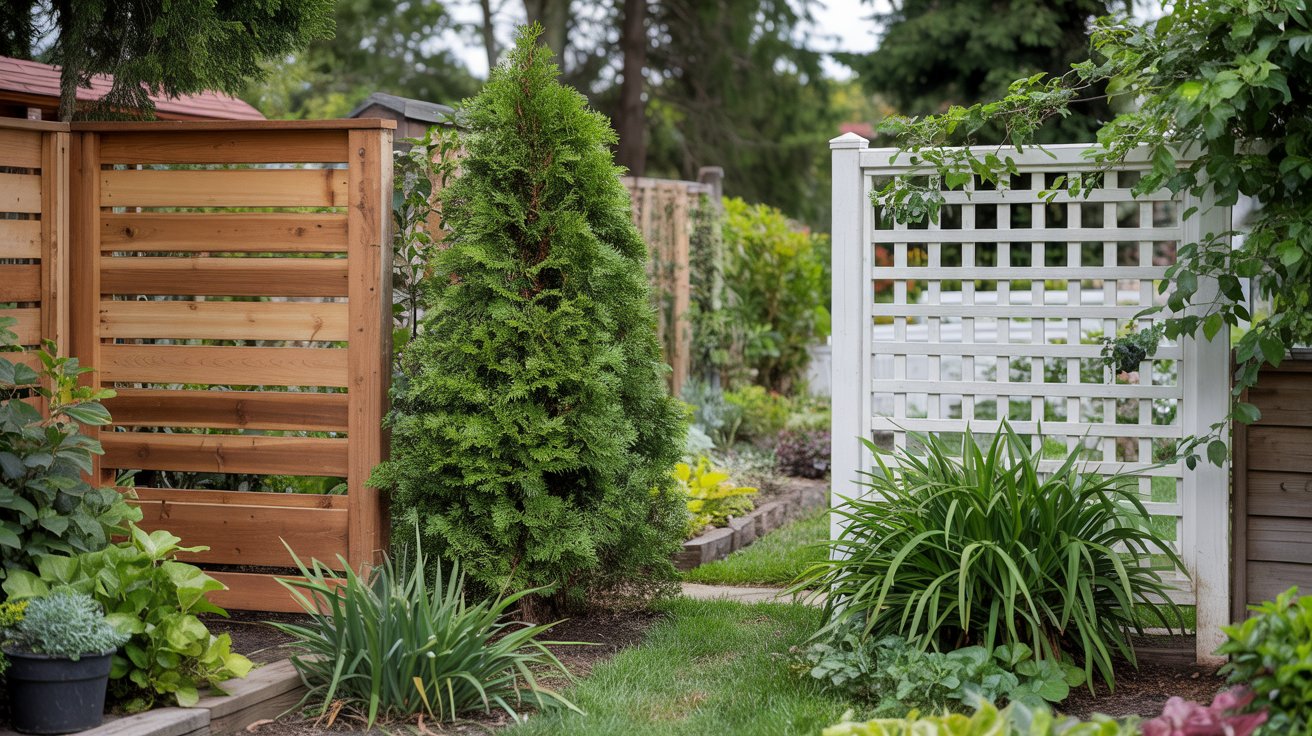
Picking the wrong material or height, though, can mean years of repairs or a style that fights your house at every turn.
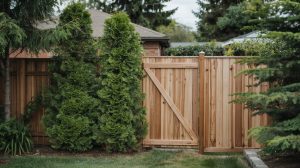
Wood, vinyl, and living options each solve the privacy problem differently. Cedar boards give a warm, natural look but need staining every few years.
Vinyl panels hold up to weather with almost no upkeep. A hedge of Thuja occidentalis (arborvitae) costs little upfront but asks for patience while it fills in.
Budget matters too. Estimate your fence cost before you commit to a material - installed prices swing widely depending on what you choose and how many linear feet you need.
This guide walks through the strongest privacy fence ideas across every budget and yard type, then gives you a clear path from material selection through installation and ongoing care.
Privacy fences come in wood, vinyl, and living options, each with distinct cost ranges and maintenance needs. Wood fences run $13–$45 per linear foot installed; vinyl fences typically cost $25–$60 per foot.
Living screens like arborvitae cost less upfront but take 3–5 years to reach full height. Plan for labor, gates, and permits in your total budget, per Angi's fence guide.
Best Privacy Fence Ideas at a Glance
Before comparing materials in depth, it helps to see all four core options side by side. Material, height, and design are the three levers that control both cost and how much visual cover you actually get.
Remember it later
Planning to try this recipe soon? Save it for a quick find later!
Height is the biggest single factor. A 6-foot fence blocks a standing adult's sightline from a neighboring yard; an 8-foot fence handles two-story deck views and is increasingly popular in tighter subdivisions.
According to Forbes cost data, material choice and height together substantially shape your total project budget.
| Fence Type | Privacy Level | Typical Installed Cost | Maintenance | Best For |
|---|---|---|---|---|
| Wood (cedar/pine) | Full (6–8 ft) | $13–$45/linear ft | Stain/seal every 2–3 yrs | Classic look, mid-range budget |
| Vinyl | Full (6–8 ft) | $25–$60/linear ft | Rinse once or twice a year | Low-maintenance, long-term value |
| Living fence (hedges) | Full when mature | $5–$20/plant | Trim 1–2x per year | Natural look, patient gardeners |
| Modern slat fence | Partial to full | $20–$55/linear ft | Minimal if metal; stain if wood | Contemporary style, mixed materials |
The slat fence deserves a closer look. Horizontal cedar or composite slats with 1-2 inch gaps give a modern feel while still blocking most sightlines.
They work especially well on irregular lots where a solid panel fence would look clunky at grade changes.
Per per-foot cost breakdowns, factors like soil type, existing fence removal, and gate hardware can shift your total by 20-30%. Getting at least two contractor quotes is worth the time before you order materials.
- Cedar boards: Naturally rot-resistant, takes stain well, and smells great when freshly cut. Plan for resealing every 2-3 years to prevent graying.
- Pressure-treated pine: Cheaper than cedar upfront, but the greenish tint fades unevenly and it can warp if not allowed to dry before staining.
- Vinyl panels: Come in tongue-and-groove or board-on-board styles; color is molded in, so scratches stay visible without paint.
- Modern slat designs: Pair well with a backyard fire pit or outdoor seating area, adding a design element beyond pure function - see fire pit design ideas for complementary layouts.
Living fences sit in a different category entirely. They require 3-5 years to reach useful privacy height, but once established they need far less replacement cost than any hard fence material.
Wood vs Vinyl: Core Comparison
Wood and vinyl dominate the residential privacy fence market for good reason - both deliver full visual cover, come in multiple heights and styles, and are widely available through local suppliers and big-box stores. The real difference shows up over time, not on day one.
Upfront, wood wins on price. Cedar or pressure-treated pine typically costs $13-$45 per linear foot installed, while vinyl runs $25-$60.
But wood needs staining or sealing every 2-3 years and can develop rot or warping at post bases in wet climates, per Angi's material comparison. Vinyl asks for almost nothing beyond an annual rinse.
The wood vs. vinyl fence question often comes down to your 10-year plan. If you're staying in the house long-term, vinyl's lower lifetime maintenance cost usually justifies the higher sticker price.
Wood does have one underrated advantage: individual board replacement. When a single cedar board splits or a post rots, you fix just that piece for $10-$30.
With vinyl panel systems, matching a discontinued color or style years later can be genuinely difficult.
Per fence cost calculators, a 150-foot wood fence project might run $3,000-$6,000 installed, while the same run in vinyl lands at $4,500-$9,000. That gap narrows when you factor in 10 years of staining labor and materials for the wood option.
If you're also deciding between a fence and a deck as your main backyard investment, our patio vs. deck breakdown can help you sequence those projects.

Living Privacy Fences
A living fence trades instant gratification for long-term reward. Plant a row of Thuja occidentalis (arborvitae) or Buxus sempervirens (boxwood) today, and in 3-5 years you have a dense, permanent green screen that no windstorm will knock down.
For the patient homeowner, it's often the most cost-effective route.
The Morton Arboretum recommends evergreen hedges like arborvitae for reliable privacy screens, noting they hold foliage year-round - critical if you need winter screening too. Compare that to a deciduous hedge, which drops its leaves and leaves you exposed from November through April.
| Plant | Mature Height | Time to Privacy | Annual Care |
|---|---|---|---|
| Arborvitae ('Green Giant') | 20–30 ft | 3–5 years | Light trim, water first 2 yrs |
| Boxwood (dense hedge) | 4–6 ft | 4–6 years | Trim 1–2x/year, watch blight |
| Leyland Cypress | 40–60 ft | 2–4 years | Annual shaping, check canker |
| Holly (Ilex spp.) | 8–15 ft | 4–6 years | Minimal; trim in late winter |
Arborvitae 'Green Giant' is a standby for good reason: it adds 3-5 feet of height per year in good conditions and resists deer browse better than many competitors. Plant 5-6 feet apart for a solid screen without overcrowding.
For immediate results paired with long-term greenery, some homeowners combine a 4-foot fence base with a hedge planted behind it. The fence provides cover now; the hedge vs. fence privacy comparison explains how each layer adds up over time.
Fast-growing hedge options and basic care steps are outlined in detail at Instant Hedge's planting guide.
Budget-Friendly and Modern Mixes
You don't have to choose a single fence style for your entire yard. Mixing materials is increasingly common - and smart - because it lets you spend money where it shows most and cut costs along the back fence line where no one sees it.
A typical approach: use cedar board-on-board panels along the street-facing side for curb appeal, then switch to pressure-treated pine along the sides and rear. That alone can trim 20-30% off total project cost without sacrificing the look that matters.
Modern horizontal slat sections near a patio or deck add a design accent without fencing the whole yard that way.
According to Forbes privacy fence data, wood remains the most affordable upfront choice, while vinyl earns its higher cost through lower lifetime maintenance. Gates add $150-$400 each, so plan their placement carefully - one double gate beats two single gates for most driveways.
If you're building out the full backyard at once, compare your fence budget against what a new deck costs and pergola pricing so you can allocate across projects without overspending on one.
Per Angi's full cost guide, vinyl can be higher upfront but reduces maintenance spend meaningfully over 10+ years.
Run a string line along your planned fence route before getting quotes. It gives contractors an accurate linear-foot count, and you'll catch grade changes early — those dips and rises add labor cost that surprises most first-time buyers.

Maintenance and Installation Tips
Every privacy fence - wood, vinyl, or living - follows the same four-step setup process. Getting the early steps right saves you permit headaches and expensive re-dos later.
Penn State Extension's fencing guidance emphasizes that material choice and proper post installation are the two factors most responsible for fence lifespan.
The chain link vs. privacy fence comparison and our broader outdoor living project guides can help you set scope before your first contractor call. Think of the four steps below as your pre-build checklist.
In USDA Zones 4 and below, use pressure-treated posts rated for ground contact — standard cedar posts can rot at the base within 5 years in freeze-thaw soils. Check the post's treatment retention level: 0.40 lb/ft³ is the minimum for ground contact.
One detail most guides skip: leave a 2-inch gap between the bottom of wood fence boards and the soil. Direct soil contact accelerates rot even on cedar, cutting years off your fence's life.
Use gravel along the base instead of mulch against the boards. You can estimate your retaining wall costs alongside fence work if your yard slopes sharply enough to need grade control.
Frequently Asked Questions
Pressure-treated pine is typically the cheapest hard fence material at $13–$25 per linear foot installed. Arborvitae hedges cost even less per plant but take 3–5 years to reach full privacy height.
Six feet is the residential standard and blocks a standing adult's sightline. Many cities require a permit for fences over 6 feet — check local codes before planning an 8-foot fence.
Vinyl privacy fences typically last 20–30 years or more with minimal care. The color is molded into the material, so it won't peel or need repainting over that span.
A dense mature hedge can reduce noise by 6–10 decibels, but only once it reaches 6+ feet and fills in completely. A solid wood or vinyl fence provides immediate noise reduction that a new hedge cannot match.
Wood fences need cleaning and a fresh stain or sealer every 2–3 years. Inspect post bases each spring for rot, and keep soil and mulch from contacting the boards directly to extend their lifespan.
Pin it for your next best privacy fence ideas project.