If you've been staring at your backyard, balcony, or rental patio trying to figure out whether to build a raised bed or just grab a few containers, here's the short answer: both work, but for very different situations.
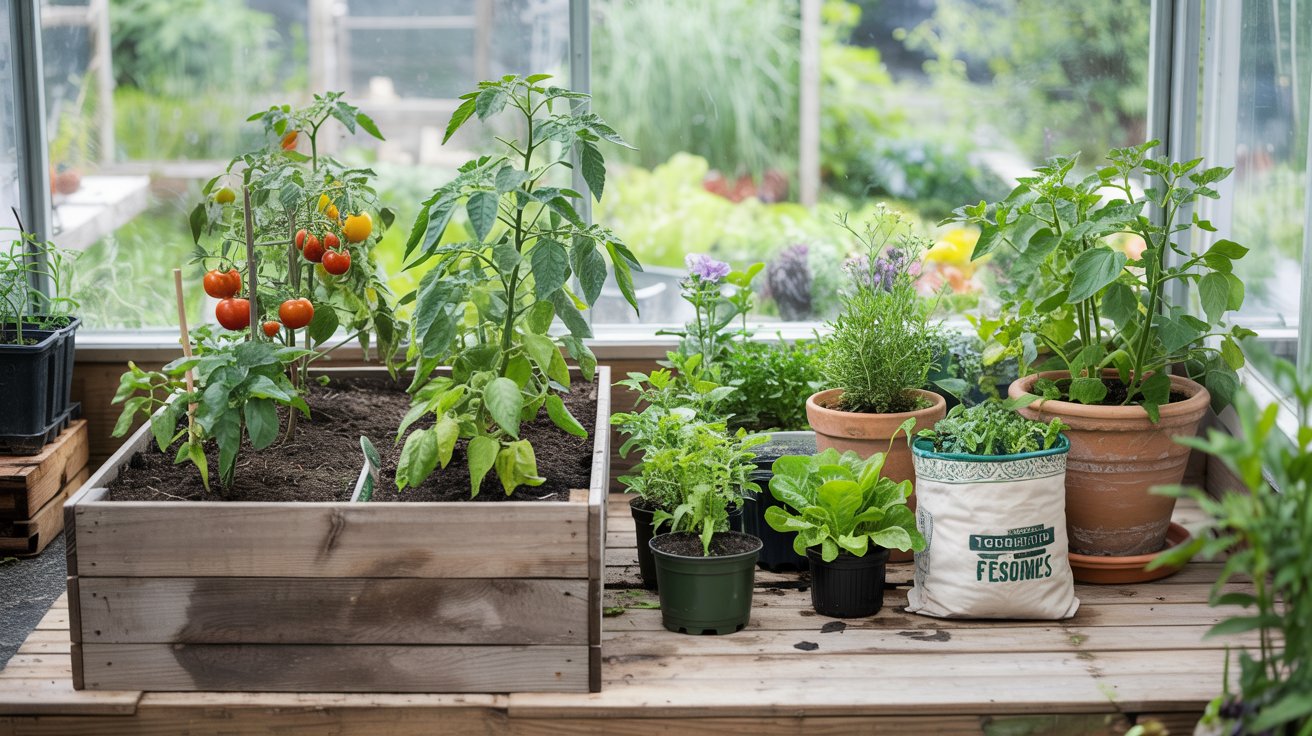
Raised beds win on soil volume, season extension, and long-term vegetable yields. Containers win on portability, low startup cost, and flexibility for renters or anyone with only a deck or balcony.
According to the University of Minnesota Extension, raised beds warm soil earlier in spring and offer better accessibility than in-ground plots, giving crops a measurable head start.
That matters if you're in a short-season climate and want to squeeze every week out of your growing window.
Containers flip that advantage when space is the constraint. The Colorado State Extension notes that container gardens suit small or temporary spaces well, with design and maintenance patterns that differ significantly from fixed garden structures.
A fifth-floor apartment balcony simply cannot host a 4×8 cedar bed.
This guide walks you through a direct side-by-side comparison, real cost figures, and a decision flow you can apply to your specific situation today.
Raised beds offer better soil volume, earlier warmth, and higher yields for committed vegetable growers with permanent outdoor space. Container gardens suit renters, balcony growers, and anyone who needs portability or a low-cost starting point.
Side-by-Side Comparison
Choosing between these two methods comes down to six core factors: soil control, drainage, water needs, space efficiency, mobility, and what you want to grow. Neither is universally superior - the right call depends on your specific setup.
Remember it later
Planning to try this recipe soon? Save it for a quick find later!
Raised beds give you a deep, customizable soil profile that you fill from scratch. That means no clay, no compaction, and no mystery contamination from whatever was in the ground before.
You control the mix entirely, which pays off fast when growing root crops that need loose, consistent soil - check out our guide on how to grow carrots to see exactly why that matters.
The Oregon State Extension highlights soil warmth and season extension as two of the clearest advantages raised beds hold over containers.
Containers have more exposed surface area on all sides, so they lose heat overnight faster - a real issue in zones where late frosts are common.
Watering is where containers demand the most attention. A 12-inch terracotta pot in July heat can dry out completely in less than 24 hours.
Raised beds hold moisture longer because of greater soil mass, but they still need consistent watering every 2-3 days during peak summer, not weekly.
For containers, choose pots that hold at least 5 gallons for tomatoes or peppers. Smaller pots stress plants fast and require watering twice a day in heat waves.
Space efficiency also breaks differently than most people expect. A 4×8 foot raised bed produces far more food than 4×8 feet of containers because the soil depth and volume support larger root systems.
But if your only outdoor space is a 6-foot balcony, containers are the only option - and they can still produce well with the right variety selection.
Wondering which raised bed to buy if you go that route? Our roundup of the best raised garden beds breaks down top options by material and size.
For scenario matching: urban apartment with a balcony points to containers. Suburban yard with permanent outdoor space points to raised beds.
Renting a house with a yard puts you in hybrid territory - containers you can take with you, or a small raised bed if your landlord agrees.
Cost, Setup, and Maintenance
Upfront cost is usually what tips the decision first. Containers feel cheaper because you buy one pot at a time.
Raised beds look expensive until you calculate the per-season cost spread over 5-10 years.
A basic 4×8 cedar raised bed runs $100-$250 for lumber alone, plus $50-$150 for quality soil to fill it. The Mississippi State Extension outlines the core cost components - lumber, fasteners, and soil mix - and shows how costs scale directly with bed size.
A 4×4 bed costs roughly half of a 4×8, which is a practical starting point if budget is tight. You can also compare cedar vs pressure-treated lumber to find the right balance of durability and cost.
Containers have lower entry costs but higher long-term soil costs. Potting mix breaks down faster than raised bed soil because it's watered and leached more aggressively.
Expect to refresh or replace container mix every 1-2 seasons. Raised bed soil, amended annually with compost, can last 5-7 years before needing a full replacement.
For a detailed breakdown of what a raised bed actually costs to build, our raised bed cost breakdown covers lumber grades, soil mixes, and what corners you can safely cut.
- Cedar and redwood beds: Natural rot resistance means 10-15 year lifespan without chemical treatment, making them the most cost-effective over time.
- Metal raised beds: Lower upfront cost and no rot, but some absorb heat in summer and may need shade cloth in hot climates. See our metal vs wood raised bed comparison for the full tradeoff.
- Plastic containers: Cheapest to start, but UV degradation means most last only 3-5 seasons outdoors before cracking.
- Fabric grow bags: $5-$15 each, excellent drainage, and easy to store in winter - a strong budget option for containers.
Maintenance time favors raised beds once established. Daily watering of containers in summer can take 15-20 minutes for a dozen pots.
A single 4×8 raised bed takes roughly the same time but feeds a family of four through peak season.
Cheap bagged "topsoil" sold at hardware stores is not a substitute for raised bed mix. It compacts quickly and stunts root growth. Use a mix of compost, aged bark, and coarse sand — good soil composting practices make a measurable difference in yield.

How to Pick the Right Option for Your Setup?
Most gardeners overthink this choice. Running through five quick questions gets you to a clear answer in under two minutes.
The University of Maine Extension points out that in small spaces, both methods can work - but mobility and accessibility needs should drive the final call.
Work through the steps below in order and stop when you hit a definitive answer.
If you reach step five without a clear answer, a hybrid setup is worth considering. Many gardeners run a small raised bed for heavy feeders like tomatoes and squash, then use containers for herbs and compact plants near the kitchen door.
That split approach covers most growing goals without overcommitting to either method.
Raised beds and in-ground gardens also have a direct comparison worth reviewing if you have open yard space. Our raised bed vs in-ground breakdown covers drainage, accessibility, and cost for that specific decision. If you go raised bed and want to compare steel vs aluminum frames, our aluminum vs steel comparison covers durability and heat retention differences. And if you decide to build your own, our step-by-step guide on how to build a raised garden bed walks you through every stage.
Frequently Asked Questions
Containers win in very tight spaces like balconies under 50 sq ft. A 4×4 raised bed needs ground-level placement and at least 3 feet of clearance on each side for access.
Short carrots like Chantenay and radishes grow in 12-inch deep containers. Full-size carrots and parsnips need at least 18 inches of loose soil, which raised beds provide far more easily.
Raised beds work for renters with landlord permission, but you'll likely leave them behind. Fabric grow bags are a renter-friendly middle ground — portable, cheap, and nearly as productive as rigid containers.
Yes. Raised beds heat up 2–3 weeks earlier in spring due to greater soil mass. Containers lose heat overnight through all exposed sides, making them slower to warm and quicker to freeze.
Clustering 5-gallon containers in a tight grid mimics raised bed conditions but never fully replicates them. Connected soil mass matters — individual pots each have their own temperature and moisture swings.
Pin it for your next raised bed vs container garden project.