Most homeowners assume a fence is the obvious answer for backyard privacy. A hedge can do the same job - and sometimes do it better - but the right choice depends on your budget, your climate, and what your HOA will actually allow.
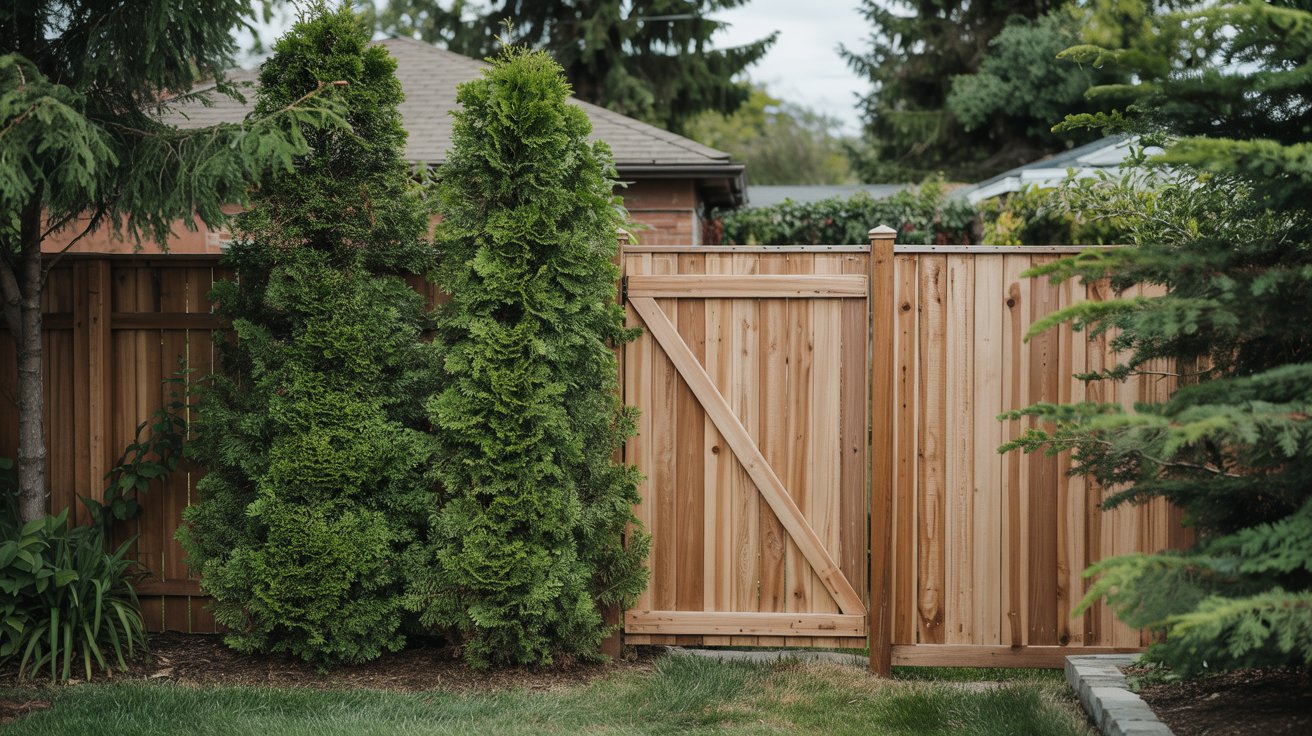
Fences go up in a weekend. Hedges take years to fill in.
Those two facts alone shape almost every other decision in this comparison.
Cost is rarely straightforward either. A wood fence looks cheap until you price in the total installed cost with labor, hardware, and eventual replacement.
A hedge looks expensive until you factor in 30-plus years of growth with minimal replacement costs.
This guide gives you a direct verdict and the specific numbers to back it up - cost per foot, lifespan, establishment time, and a framework for matching your choice to your actual yard conditions.
A fence gives immediate privacy at a higher upfront cost, while a privacy hedge costs less per foot but needs 3–7 years to fill in. The right pick depends on your timeline, HOA rules, and long-term maintenance budget.
Fence vs Hedge: Quick Verdict
A fence wins on immediacy. The day installation finishes, you have full privacy - no gaps, no waiting, no seasonal variation.
Remember it later
Planning to try this recipe soon? Save it for a quick find later!
That matters for small lots, tight sightlines, or anyone who needs the yard usable now.
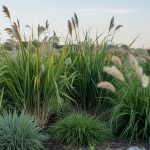
A hedge wins on longevity and cost over time. Once established, a well-chosen hedge can outlast two or three fence replacements with far less material cost.
Research on low-maintenance hedges from Oregon State University shows that species like arborvitae deliver dense, year-round coverage with minimal upkeep after the first few seasons.
The honest verdict: neither option is universally better. A fence suits renters, new homeowners, or anyone with HOA height caps that rule out tall shrubs. A hedge suits patient homeowners with flexible HOA rules, good soil, and a long planning horizon.
HOA rules are often the deciding factor before anything else. Many associations cap fence height at 6 feet on rear lots and as low as 3-4 feet on side or front yards.
Hedges face similar caps in some communities, but others have no plant-height rules at all - check both sets of restrictions before committing.
Sightline geometry matters too. A fence delivers a hard visual block at a known height.
A hedge can be shaped and layered, but irregular growth means gaps are common in the first few years. For yards where even partial visibility is unacceptable, a fence is the more predictable solution.
You can also look at solid vs open fence types to understand which fence styles actually deliver full privacy versus just a boundary marker.
- Immediate coverage — full privacy from day one, no establishment period.
- Predictable height — you know exactly what you're getting before it goes in.
- Low seasonal variation — a solid fence looks the same in January as in July.
- No soil requirements — works on rocky, sandy, or compacted ground where plants won't establish.
- Lower long-term cost — a mature hedge rarely needs full replacement the way a fence does.
- Noise buffering — dense plantings absorb road and neighbor noise better than a flat panel.
- Wildlife habitat — hedges support birds and pollinators; fences do not.
- Visual softness — natural texture blends into the landscape rather than imposing a hard edge.
Cost, Installation, and Longevity
Installed fence costs vary widely by material. A basic pressure-treated wood privacy fence runs $15-$30 per linear foot installed, while vinyl climbs to $25-$45 and composite or aluminum can reach $60-$90.
Labor typically accounts for 50-60% of the total bill on a standard 150-foot backyard perimeter.
Hedge installation costs less per foot but comes with a slower payoff. Individual privacy shrubs like arborvitae or Leyland cypress typically run $25-$75 per plant at nurseries, with spacing of 3-5 feet meaning a 150-foot hedge requires 30-50 plants.
A UC Davis landscape shrub cost study provides per-plant installation benchmarks that help estimate realistic hedge budgets including soil amendment and initial irrigation.
Slope and soil condition swing both budgets significantly. A sloped yard can add 20-30% to fence installation costs due to stepped or racked panel adjustments.
The same slope complicates hedge planting because erosion management and amended planting holes add labor and material costs.
Lifespan is where hedges pull ahead financially. A wood fence typically needs replacement or major repair within 15-25 years.
Vinyl lasts longer - often 30 years - but cracks in extreme cold and fades in intense sun. A well-maintained arborvitae or boxwood hedge can stand for 40-80 years with only annual trimming costs.
You can also compare vinyl and wood fence costs in detail to understand which fence material holds up best in your climate zone before committing to an installation.
| Option | Installed Cost (per ft) | Full Privacy | Lifespan | Annual Maintenance |
|---|---|---|---|---|
| Wood Fence | $15–$30 | Immediate | 15–25 years | Stain/seal every 2–3 yrs |
| Vinyl Fence | $25–$45 | Immediate | 25–35 years | Annual wash |
| Composite/Aluminum | $60–$90 | Immediate | 30–50 years | Minimal |
| Arborvitae Hedge | $3–$10 | 3–5 years | 40–60 years | Trim once/year |
| Leyland Cypress | $4–$12 | 2–4 years | 25–35 years | Trim 1–2×/year |
| Boxwood Hedge | $5–$25 | 5–7 years | 50–80 years | Trim 2–3×/year |
Ongoing maintenance costs also favor hedges in many regions. A fence in a wet climate needs restaining every two to three years - roughly $1-$3 per linear foot each cycle.
A hedge in the same climate needs annual trimming, which a homeowner can handle with a hedge trimmer in a few hours. For a 150-foot perimeter, the labor math shifts in the hedge's favor by year 10.
Use the backyard project cost estimator to model your specific perimeter length, material choices, and maintenance schedule before getting contractor quotes.
Tailoring to Your Yard, Climate, and HOA
Climate is the first filter. In USDA zones 5 and colder, many fast-growing hedge species struggle or die back in harsh winters.
Thuja occidentalis (eastern arborvitae) is reliably hardy to zone 3, making it the default choice for northern yards. In zones 8-10, Podocarpus macrophyllus and Viburnum odoratissimum provide dense coverage without cold-hardiness concerns.
Washington State University Extension's guide on living privacy screens outlines plant selection by climate zone and soil type, including species that tolerate clay, sandy loam, and drought conditions - factors that determine whether a hedge will actually establish.
In the Pacific Northwest and Southeast, fast-growing species like Leyland cypress can reach 3 feet of growth per year under ideal conditions. In the Upper Midwest, the same species barely survives. Match your plant to your zone first, then optimize for speed.
HOA rules require the same due diligence as building permits. Most HOA covenants set maximum fence heights of 6 feet for rear yards and 3-4 feet for side or street-facing yards.
Hedge height rules vary - some communities treat hedges as landscaping (no height cap) while others classify them as barriers and apply the same limits as fences.
Request your HOA's full CC&Rs and check the landscaping addendum specifically. Some associations also require fence style approval - a board-on-board wood fence may pass where a solid panel would not.
Getting written approval before installation saves costly removal later.
Sun and soil matter more for hedges than most homeowners expect. A privacy hedge planted on the north side of a structure in full shade will grow 30-50% slower than the same species in full sun.
Poor drainage causes root rot in arborvitae within two to three seasons, eliminating the cost advantage entirely.
For yards with challenging soil or partial shade, consider a mix of privacy trees and shrubs that layer different heights and tolerances - a canopy tree for upper coverage and a dense understory shrub for the eye-level gap.
A fence is the right default when any of these conditions apply: your timeline is under two years, your soil is poor or heavily shaded, your HOA restricts plant height, or you're renting and need portable solutions.
A hedge makes more sense when you own long-term, your soil and sun are adequate, and you value a lower 20-year total cost.
Beyond the fence or hedge itself, consider how your full landscaping budget interacts with the privacy structure - grading, irrigation, and ground cover all affect the total project cost in ways that a per-foot estimate won't capture.
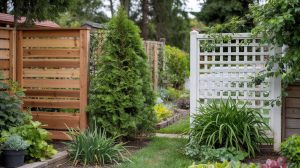
If you're still building out the full backyard picture, creative privacy fence layouts can help you see how fence panels, planters, and screens combine for yards that need both structure and softness. You might also find that outdoor lighting or a fire pit layout shapes where your privacy barrier needs to be densest once you map the actual gathering zones.
For a broader look at how fences and hedges fit into the overall yard, the full backyard design framework covers sightlines, zoning, and flow together.
Frequently Asked Questions
A solid fence provides immediate, gap-free privacy, while a hedge takes 3–7 years to fill in fully. Once established, a dense hedge like arborvitae can match fence-level coverage.
Fast-growing species like Leyland cypress reach usable height in 2–4 years. Slower options like boxwood take 5–7 years to close gaps at typical 3-foot spacing.
A privacy hedge runs $3–$25 per linear foot installed; a wood privacy fence costs $15–$30 per foot. Hedges cost less upfront but require a multi-year wait for full coverage.
Some HOAs classify hedges as barriers and cap them at 6 feet, matching fence rules. Others treat them as landscaping with no height limit — check your CC&Rs before planting.
Yes. A dense, multi-layered hedge absorbs sound better than a flat fence panel. Studies show planted buffers can reduce road noise by 5–10 decibels compared to hard barriers.
Pin it for your next fence vs hedge for privacy project.