Monstera deliciosa earns its place in nearly every indoor space, but the gap between a plant that merely survives and one that produces bold, fenestrated leaves every few weeks comes down to a consistent care routine. Most growers get the basics right-decent light, occasional water-yet still find themselves waiting months for new growth because one or two details are off.
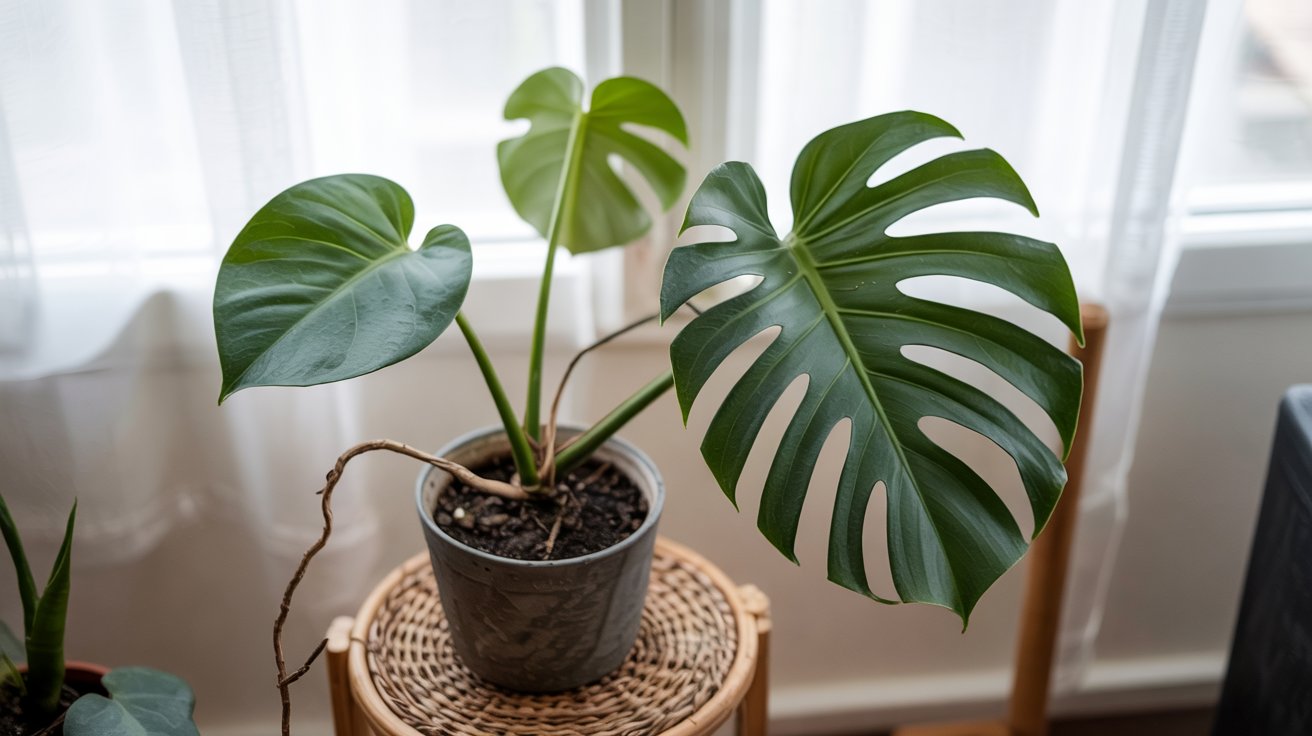
According to RHS care guidelines, getting soil moisture and indirect light dialed in makes the biggest difference for indoor Monstera performance.
This guide covers the full picture: species background, a practical attribute grid, a month-by-month care calendar, and a step-by-step propagation workflow.
We'll also flag the most common missteps-overwatering, low humidity, and inadequate support-so you can skip the trial-and-error phase entirely.
Whether you're starting with a small nursery plant or managing a mature climber, the framework here gives you specific actions for every season.
Monstera deliciosa is a fast-growing, evergreen climber from Central American rainforests. It needs bright indirect light, watering every 7–10 days in summer, well-draining soil, and 65–85°F temperatures to produce its signature split leaves indoors.
Monstera Profile
Monstera deliciosa, commonly called the Swiss cheese plant, originates from the tropical rainforests of southern Mexico and Central America. In the wild, it climbs tree trunks using thick aerial roots, reaching heights above 60 feet.
Remember it later
Planning to try this recipe soon? Save it for a quick find later!
Indoors, the same plant typically tops out at 6-10 feet when given a moss pole or sturdy trellis for support.
The plant's defining feature is its leaf fenestration-the natural holes and deep lobes that develop as leaves mature. Young plants produce solid, heart-shaped leaves; fenestration appears once the plant is established, usually after the first year, and becomes more dramatic with each subsequent leaf.
A fast-climbing evergreen from Central American rainforests, prized for its large, perforated leaves. Indoors it grows 6–10 feet tall, tolerates moderate light, and lives for decades with consistent seasonal care.
The aerial roots serve a functional purpose beyond anchoring the plant. They absorb moisture and nutrients from the air and any surface they contact, which is why misting aerial roots or directing them into a moss pole improves overall plant vigor.
Cutting them off is fine aesthetically, but leaving them intact gives the plant a secondary water source.
Indoors, Monstera is evergreen year-round, though growth slows dramatically in winter. A healthy specimen can push one new leaf every 4-6 weeks during the active growing season when light, humidity, and nutrition are all adequate.
Missouri Botanical Garden's houseplant fact sheet confirms that Monstera tolerates lower light but reserves its best fenestration for bright, filtered conditions.
Pot choice matters more than most growers expect. A pot only 1-2 inches wider than the root ball prevents excess soil from staying wet between waterings-a leading cause of root rot.
Terra cotta works well because it wicks moisture away from roots faster than plastic or glazed ceramic.
For growers building out a varied indoor plant collection, comparing Monstera's light requirements against other popular plants helps with placement. If you're also managing fiddle leaf fig placement, both plants want similar bright-indirect spots but Monstera tolerates lower humidity with less fuss.
Toxicity is worth noting upfront. Monstera contains calcium oxalate crystals in every part of the plant, making it toxic to cats, dogs, and children if ingested.
Keep it out of reach or in a room that pets and small children don't access freely.
Direct afternoon sun through glass scorches Monstera leaves within days, leaving permanent brown patches. Move the plant at least 2 feet back from any west-facing window that gets unfiltered afternoon light.
Growth and Care Plan
A month-by-month approach removes the guesswork from Monstera care. The plant has two distinct phases: an active growing period from March through September, and a slower rest phase from October through February.
Every care decision-watering frequency, fertilizer dosage, repotting timing-should shift accordingly.
Light stays the constant variable. Position the plant 2-4 feet from a south or east-facing window year-round, using a sheer curtain to filter harsh midday sun.
Rotating the pot a quarter turn each month keeps growth even rather than one-sided.
Prep
Active
Peak
During the peak months (May through July), water every 7-10 days, letting the top 2 inches of soil dry out before watering again. Drop that to every 14-21 days from November through February.
Fertilize monthly from April through September using a balanced 20-20-20 liquid fertilizer diluted to half strength; stop feeding entirely from October through March.
Humidity below 40% causes brown leaf tips-the most common cosmetic complaint about Monstera indoors. Group it near other tropical plants, use a pebble tray filled with water beneath the pot, or run a small humidifier nearby to keep levels between 50-60%.
If you're dealing with low-humidity challenges across multiple plants, the same techniques apply when you're caring for peace lily in similar conditions.
A moss pole or bamboo stake installed early-before the plant gets top-heavy-trains aerial roots upward and produces larger, more fenestrated leaves than an unsupported plant. Tie stems loosely with soft plant ties every 6-8 inches as new growth emerges.
Repot every 1-2 years in spring when roots start circling the drainage holes. Move up just one pot size, refresh the soil mix, and check for any soft or dark roots while you're in there-trim and dust with cinnamon as a natural antifungal if needed.
Water Monstera thoroughly until it drains freely from the bottom, then empty the saucer after 30 minutes. Roots sitting in standing water for hours is the fastest path to root rot.
Propagation fits naturally into the spring care window. The University of Minnesota Extension recommends stem cutting propagation as the most reliable method for home growers, with success rates significantly higher when each cutting includes at least one node and one aerial root.
Other popular indoor plants offer useful benchmarks for understanding Monstera's pace. Learning to read plant stress signals on drought-tolerant species sharpens your eye for the subtler cues Monstera gives before problems escalate.
How to Propagate Monstera from Stem Cuttings?
Propagation works best in late spring or early summer, when the plant's growth momentum is highest. Each cutting needs a node (the bump on the stem where a leaf attaches) and ideally one aerial root already present-this cuts rooting time by several weeks.
Once potted, a successfully rooted cutting typically pushes its first new leaf within 6-10 weeks. Avoid fertilizing for the first 6 weeks-let roots anchor before adding nutrient load.
Monstera cuttings without a node will never root, regardless of how long you wait. Always confirm there is at least one visible node on every cutting before starting. The RHS confirms this in their Swiss cheese plant guide.
For growers who want to build a broader indoor-outdoor plant rotation, the same seasonal awareness that governs Monstera care translates well when you're planning summer garden upkeep for other plants. The principles of matching care intensity to the plant's active growth phase apply across species.
Monstera fits well alongside other low-maintenance indoor plants. If you're wondering whether a Monstera suits your home better than a similarly structured plant, our guides on whether snake plants suit low-light rooms and getting consistent herb harvests indoors cover adjacent care territory worth reading.
Outdoor growers in warm climates can also benefit from understanding container dynamics. Our guide to drainage requirements for container citrus covers pot sizing and soil drainage principles that apply equally to large Monstera containers.
Similarly, understanding how flowering plants behave seasonally-like hydrangea bloom timing by climate or getting zinnia color from seed-builds the seasonal intuition that makes Monstera care click faster.
Browse our broader collection of indoor and outdoor plant guides to build a full care library around your specific growing conditions.
Frequently Asked Questions
Water every 7–10 days in summer and every 14–21 days in winter. Always check that the top 2 inches of soil are dry before watering again.
Bright indirect light, positioned 2–4 feet from a south or east-facing window. Direct afternoon sun causes permanent leaf scorch within a few days.
Take a stem cutting with at least one node, root it in water or moist sphagnum moss, and pot up once roots reach 1 inch—typically 3–5 weeks.
Brown tips almost always signal humidity below 40%. Raise humidity to 50–60% using a pebble tray, humidifier, or by grouping it with other tropical plants.
A moss pole isn't strictly required, but plants with support produce measurably larger, more fenestrated leaves than unsupported ones trailing horizontally.
Pin it for your next how to grow and care for monstera project.