
FreshNestly
  • Lawn Care
  • Garden Plants
  • Backyard
  • Pests
  • Seasonal
  • Subscribe
  • Skip to primary navigation
  • Skip to main content
  • Lawn Care
  • Garden Plants
  • Backyard
  • Pests
  • Seasonal
  • Subscribe

FreshNestly

menu icon
go to homepage
  • Lawn Care
  • Garden Plants
  • Backyard
  • Pests
  • Seasonal
  • Subscribe
subscribe
search icon
Homepage link
  • Lawn Care
  • Garden Plants
  • Backyard
  • Pests
  • Seasonal
  • Subscribe
×
Home - Garden Plants

Latest Updated: Mar 16, 2026 by Fresh Admin

Pothos Care: Easiest Houseplant You Can Grow

Pothos is the plant that survives neglect, forgives missed waterings, and still sends out new leaves while you're busy with everything else.
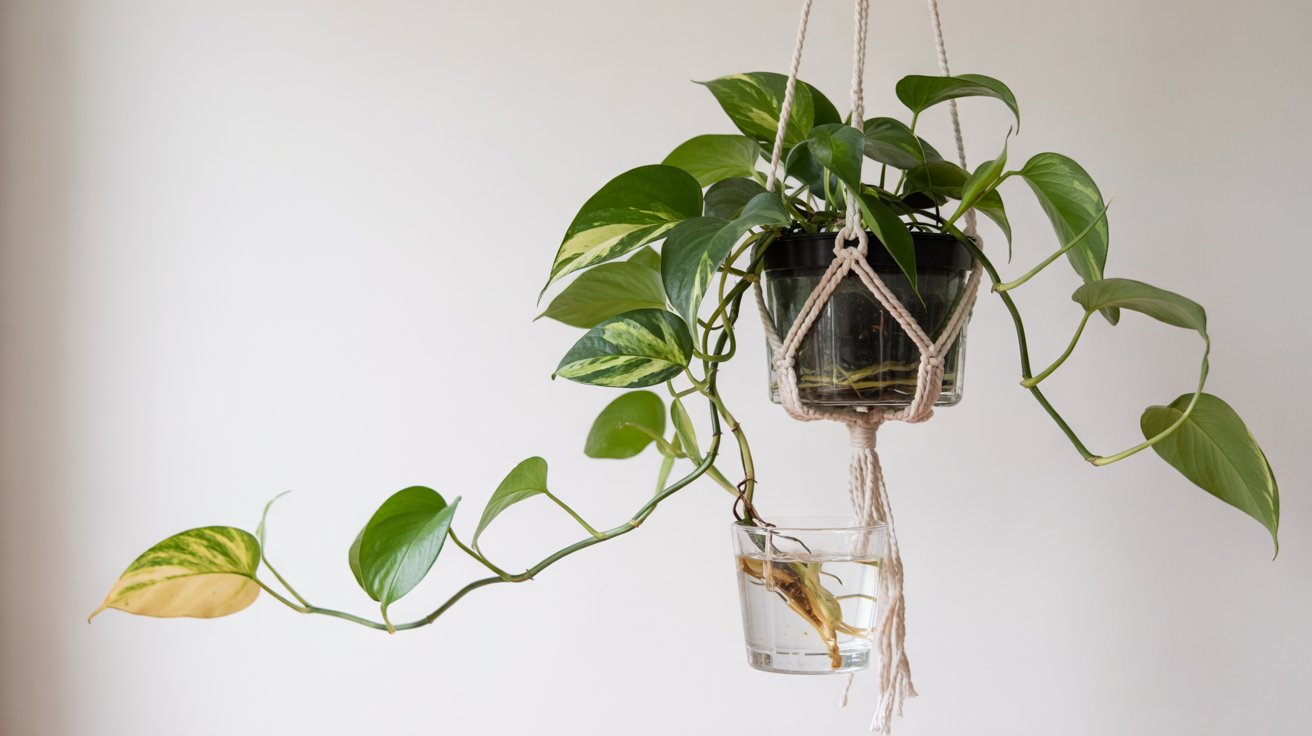
Pothos Care: Easiest Houseplant You Can Grow

Epipremnum aureum, commonly called devil's ivy, earns its reputation as the ultimate beginner houseplant because it adapts to a genuinely wide range of indoor conditions.

A healthy pothos can trail 6 to 10 feet indoors within a single growing season, given decent light and occasional feeding.

Whether you're placing it on a high shelf to cascade down, training it up a moss pole, or rooting a cutting in a jar of water on your windowsill, the care routine stays simple and consistent.

This guide covers everything from light and watering basics to cultivar selection and a practical 30-day care plan.

Penn State Extension notes that pothos ranks among the most adaptable foliage houseplants available, tolerating low light conditions that would stress most other species.

Follow this guide and you'll avoid the two mistakes that kill most pothos - overwatering and putting them in truly dark corners - while building a lush, trailing plant faster than you'd expect.

Quick Summary

Pothos (Epipremnum aureum) is a fast-growing tropical vine that handles low to bright indirect light, infrequent watering, and basic potting mix. It grows in soil or water, propagates easily from stem cuttings, and suits nearly any indoor space.

LightLow to bright indirect
WateringEvery 7–10 days
DifficultyEasy
Bottom LinePothos is the lowest-maintenance trailing houseplant for beginners and busy caretakers alike.

Table of Contents

Toggle
  • Pothos at a Glance
  • Care Basics: Light, Water, Soil, and Feeding
  • Pothos Varieties and Selection
  • Water vs. Soil and Climbing Training
  • Summary and Quick Care Plan
  • Frequently Asked Questions

Pothos at a Glance

Pothos
Epipremnum aureum
Zone 10–12Easy

A fast-trailing tropical vine native to the Solomon Islands, pothos is grown indoors worldwide for its heart-shaped, often variegated foliage. It tolerates low light and irregular watering, making it ideal for apartments, offices, and first-time plant owners.

Remember it later

Planning to try this recipe soon? Save it for a quick find later!

Pothos leaves emerge directly from long, flexible vines that root at every node - which is exactly why propagation is so straightforward. Indoor plants rarely flower, but the foliage alone delivers year-round visual impact.

The plant handles temperature swings between 60°F and 85°F without complaint, which covers the typical range inside most homes. Below 50°F, growth slows sharply and cold drafts near windows can cause blackened leaf edges.

One detail that surprises new owners: pothos leaves stay larger and more vibrant when the plant has something to climb.

Trailing vines produce progressively smaller leaves over time, while vines trained up a moss pole or trellis often push out leaves twice the size of hanging specimens.

Watch Out

Pothos is toxic to cats, dogs, and humans if ingested — the calcium oxalate crystals in the leaves and stems cause mouth irritation and vomiting. Keep it out of reach of pets and small children.

For indoor growers who also want a low-fuss outdoor option, drought-tolerant aloe shares a similarly forgiving care profile and complements a pothos collection well in sunny spots.

Care Basics: Light, Water, Soil, and Feeding

Pothos handles a wider light range than almost any other houseplant, but "tolerates low light" doesn't mean it prefers darkness. In dim rooms, variegated cultivars like Marble Queen will revert toward plain green as the plant conserves energy.

Bright indirect light - think a spot 3 to 6 feet from an east- or north-facing window - produces the fastest growth and the most vivid leaf color. Direct afternoon sun bleaches and scorches the foliage.

Sun
Low to Bright Indirect
Water
Low - let soil dry

Water when the top 1 to 2 inches of soil feel dry - roughly every 7 to 10 days in summer and every 14 days in winter.

Overwatering is the most common pothos killer; yellowing lower leaves are the first sign of root rot from soggy soil.

UF/IFAS Extension lists pothos among the best low-maintenance houseplants precisely because it signals thirst clearly - leaves go slightly limp before any permanent damage sets in.

For soil, use a standard well-draining potting mix with added perlite at a ratio of about 3:1 potting soil to perlite. This keeps roots moist between waterings without staying waterlogged.

  • Fertilizer: Feed with a balanced liquid fertilizer (10-10-10) diluted to half strength once a month from spring through early fall. Skip feeding entirely in winter when growth slows.
  • Pot size: Repot every 1 to 2 years, moving up only one pot size at a time. Oversized pots hold excess moisture and invite root rot.
  • Humidity: Average indoor humidity (40-60%) suits pothos fine. Misting is optional, but a pebble tray with water raises local humidity without overwatering risks.

Pothos grown in the same space as moisture-loving tropical companions like low-light peace lily benefit from grouped placement, which naturally raises ambient humidity for all plants involved.

Good to Know

Pothos leaves accumulate dust quickly, which reduces photosynthesis. Wipe leaves with a damp cloth every few weeks to keep them working efficiently and looking their best.

Garden Plants · See AlsoRed Flowers: 15 Bold Varieties for Beds and BordersRed stops people in their tracks. No other color hits as hard in a garden bed — a...

Pothos Varieties and Selection

The most commonly sold pothos is the standard golden variety - green leaves streaked with yellow - but the species includes cultivars ranging from near-white to electric lime. Choosing the right one comes down to your light levels and the look you want.

University of Florida research introduced two cultivars, Pearls and Jade and Neon, that have become widely available and represent the range of what pothos can look like, from two-toned white-and-green to a solid chartreuse that almost glows in bright rooms, as documented in UF/IFAS cultivar research


.

Popular Pothos Cultivars at a Glance
CultivarVariegationLight Needs
Golden PothosGreen with yellow streaksLow to bright indirect
Marble QueenHeavy white and green marblingMedium to bright indirect
NeonSolid chartreuse-greenMedium to bright indirect
Pearls and JadeWhite edges with green-gray patchesMedium indirect
ManjulaCreamy white with green specklesBright indirect

Golden Pothos is the most forgiving of the group - it keeps reasonable color even in lower-light rooms where Marble Queen or Neon would fade. If your space gets less than 3 hours of indirect light per day, Golden is your most reliable option.

Marble Queen needs more light than most people expect. Without adequate brightness, the white variegation shrinks and new leaves push out almost entirely green - a visual clue that the plant needs a better spot.

Neon and Pearls and Jade both stay compact and work well in smaller spaces or on desks.

For comparison, if you enjoy the tropical look of large-leafed plants, the bold Monstera foliage is a natural next step from pothos once you're ready for a bigger plant.

Water vs. Soil and Climbing Training

Pothos grows surprisingly well in plain water. Cut a stem just below a node, remove the lower leaves, and place it in a clear jar - roots emerge within one to two weeks.

Wisconsin Master Gardener guidelines confirm pothos adapts to water cultivation with basic maintenance like weekly water changes to prevent stagnation.

Water-grown pothos grows more slowly and stays smaller than soil-grown specimens, but requires almost no maintenance beyond refreshing the water weekly and adding a single drop of liquid fertilizer monthly. Soil growing wins for long-term size and trailing length.

Pro Tip

To train pothos vertically, press small adhesive hooks into the wall or use a moss pole anchored in the pot. Guide vines toward the support every few weeks — the aerial roots grab on and the plant rewards you with noticeably larger leaves as it climbs.

For growers who enjoy experimenting with different growing mediums, fresh basil from cuttings also roots easily in water, making both plants a natural pairing for a kitchen windowsill.

Best Garden Kneelers and Seats for Bad Knees
Tools & Equipment · See AlsoBest Garden Kneelers and Seats for Bad KneesYour knees take a beating in the garden. Kneeling on hard soil, concrete, or gravel for even 20...

Summary and Quick Care Plan

A consistent 30-day routine locks in healthy pothos growth without overthinking it. The Missouri Botanical Garden's houseplant reference confirms that routine pothos care requires little beyond correct watering and adequate indirect light.

Stick to this schedule for the first month and you'll establish the habits that keep the plant healthy year-round.

30-Day Pothos Care Plan

In the first month, focus on getting the light and watering rhythm right. Check soil every 7 days, water only when the top 2 inches are dry, and choose a spot with consistent indirect light.

Propagate spare cuttings in week two; repot only if roots are visibly escaping drainage holes.

Week 1Set location, check soil moisture baseline
Week 2Take a cutting for propagation practice
Week 3Feed with half-strength liquid fertilizer
Week 4Assess root health and pot fit; repot if rootbound.

If your pothos is in a bright room and growing fast, shade-tolerant hostas outdoors fill a similar low-maintenance niche in garden beds.

Healthy pothos needs repotting every 1 to 2 years in spring. Move to a pot no more than 2 inches larger in diameter, refresh the soil entirely, and trim any brown or mushy roots before replanting.

For growers who want to branch out beyond houseplants, growing zinnias from seed outdoors follows the same principle of minimal input for maximum reward. Outdoors, consider pairing your indoor plant hobby with easy-care shrubs - low-maintenance boxwood hedges and spring-blooming azalea color bring the same beginner-friendly success to your garden.

For seasonal edibles, growing pumpkins from seed is a rewarding summer project with clear milestones similar to propagating pothos cuttings.

Frequently Asked Questions

Yes. Pothos contains calcium oxalate crystals that are toxic to cats and dogs, causing mouth swelling, drooling, and vomiting if ingested. Keep it elevated and out of reach.

Yes, pothos survives indefinitely in water if you change the water weekly and add a single drop of liquid fertilizer monthly to replace lost nutrients.

Cut a 4- to 6-inch stem just below a node, remove lower leaves, and place it in water or moist soil. Roots typically appear within 7 to 14 days.

Yellow leaves almost always signal overwatering. Let soil dry out completely between waterings and check that drainage holes are not blocked before watering again.

A mix of standard potting soil and perlite at a 3:1 ratio provides the fast drainage pothos needs. Avoid heavy or moisture-retaining mixes designed for vegetables.


Save This Guide

Pin it for your next how to grow and care for pothos project.

Garden Plants · See AlsoPink Flowers: 20 Varieties by Light and ZoneSpring catalogs flood gardeners with pink options, but choosing the wrong variety for your zone or light conditions...
Related Guides
Backyard Design
Driveway Cost: Asphalt, Concrete, and Gravel Pricing
Read guide ->
Garden Plants
Types of Succulents: Hardy and Indoor Varieties
Read guide ->
Outdoor Living
Pellet Grill vs Charcoal: Flavor and Temp Control
Read guide ->

More Garden Plants

  • Butterfly Bush Care: Pruning, Growth, and Control
    Butterfly Bush Care: Pruning, Growth, and Control
  • Wisteria Care: Taming, Pruning, and Getting It to Bloom
    Wisteria Care: Taming, Pruning, and Getting It to Bloom
  • Ornamental Grass Care: Varieties, Pruning, and Planting
    Ornamental Grass Care: Varieties, Pruning, and Planting
  • Coneflower Care: Pruning, Planting, and Bloom Guide
    Coneflower Care: Pruning, Planting, and Bloom Guide
FreshNestly

Practical guides for your garden, yard, and backyard. Clear answers, not jargon.

Guides
  • Lawn Care
  • Garden Plants
  • Backyard Design
  • Soil & Composting
  • Pests & Disease
More
  • Outdoor Living
  • Tools & Equipment
  • Wildlife & Birds
  • Seasonal Guides
About
  • About
  • Editorial Standards
  • Privacy Policy
  • Terms
  • Contact
© 2026 FreshNestly. All rights reserved.Some articles may include affiliate links. We may earn a commission at no extra cost to you.

Footer

↑ Back to Top

Forklift Kitchen

We do the heavy lifting so you can enjoy the cooking. Tested recipes, smart substitutes, and perfect pairings—built for real home cooks.

Content

  • Recipes
  • Substitutes
  • What to Serve With
  • Blog

Company

  • About Us
  • Contact
  • Subscribe

Legal

  • Privacy Policy
  • Terms of Service

As an Amazon Associate I earn from qualifying purchases.

© 2026 Forklift Kitchen.