Japanese maples stop people in their tracks. Whether it's a fiery red dissected weeper in a courtyard or a compact upright specimen anchoring a mixed border, Acer palmatum earns its place in almost any landscape with surprisingly modest demands.
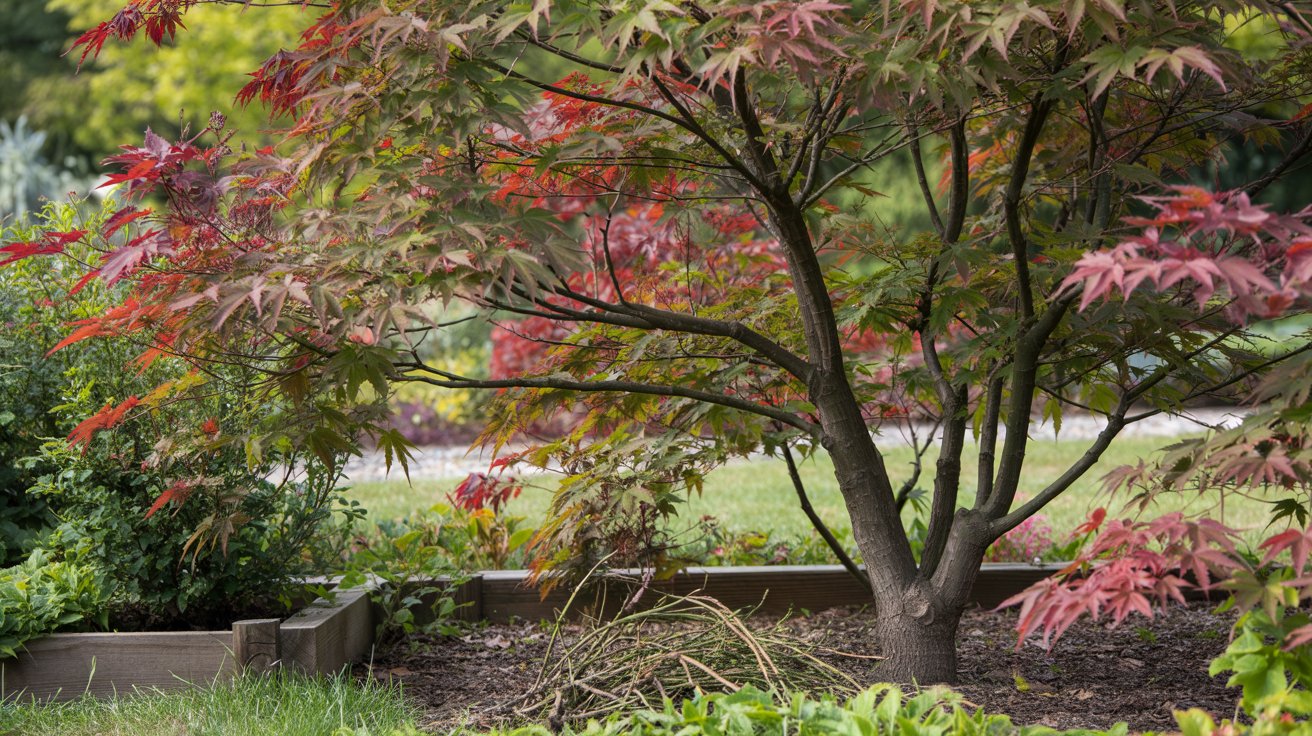
Most failures with Japanese maples come down to two mistakes: wrong cultivar for the zone, and pruning at the wrong time of year.
Get those two things right, and the rest of the care routine is straightforward. This guide walks through cultivar selection by zone, soil and light needs, and a seasonal care plan built around how these trees actually grow.
If you already grow shade-loving companions, the principles here pair well with how hostas handle shade - both plants share a preference for filtered light and consistent moisture.
Japanese maple (Acer palmatum) is a small to medium deciduous tree hardy in USDA zones 5–9, reaching 15–25 feet in most cultivars. It prefers sun to part shade with well-drained soil and consistent moisture.
Hundreds of named cultivars offer varied leaf forms, sizes, and colors suited to different zones and spaces.
Japanese Maple at a Glance
A deciduous understory tree native to Japan, prized for its layered branching and vivid seasonal color. Cultivars range from compact weeping forms under 8 feet to upright specimens exceeding 20 feet. Leaves vary widely, from finely dissected lace-like foliage to broader palmate forms in shades of green, red, and purple.
Remember it later
Planning to try this recipe soon? Save it for a quick find later!
Acer palmatum originated in the forests and hillsides of Japan, Korea, and China, where it grew beneath taller canopy trees.
That origin explains a lot about how it behaves in gardens: it wants filtered light, protection from drying winds, and consistent soil moisture rather than wet-dry extremes.
In the landscape, Japanese maple functions as a focal specimen or understory anchor. It works well near patios, at garden corners, or alongside shade-tolerant shrubs.
Because mature size varies so dramatically by cultivar, site planning matters as much as care.
Leaf form divides most cultivars into two broad categories. Non-dissected types have broader, palmate leaves with 5-7 lobes and tend to be more vigorous.
Dissected types (the lace-leaf group) carry deeply cut, feathery foliage and typically grow in a weeping or mounding habit. According to Oregon State's landscape plant database, leaf form and growth habit vary significantly across cultivars, ranging from upright to strongly weeping.
Fall color is another reason gardeners seek these trees out. Most cultivars shift from their summer tones to gold, orange, or crimson before leaf drop, giving the tree a second moment of peak interest each year.
Not every cultivar suits every region. The Morton Arboretum's plant guide notes that some cultivars lack reliable hardiness in zone 5, making cultivar selection the single most important decision before purchase.
Japanese maples also work well as companion plants for hydrangeas, sharing a preference for morning sun and afternoon shade in warmer zones. Both benefit from the same mulching and moisture practices covered in the next section.
Care Essentials: Light, Water, and Soil
Japanese maples are more flexible than their reputation suggests, but they do have firm preferences. Meeting those preferences consistently produces healthier growth and better color than any fertilizer program.
In zones 5 and 6, a spot with full morning sun and light afternoon shade produces the best leaf color without stressing the tree. In zones 7 through 9, afternoon shade becomes more important - direct summer sun past 2 p.m. can scorch the foliage, especially on red-leafed and dissected cultivars.
Oklahoma State University's extension plant profile confirms partial sun as the preferred exposure, with well-drained soil as a non-negotiable site requirement.
Soil drainage matters more than soil richness. Standing water for even 48 hours during the growing season can damage roots.
If your native soil is heavy clay, amend the planting area with compost or plant on a slight berm to encourage drainage. Adding 3-4 inches of organic mulch over the root zone conserves moisture, moderates soil temperature, and reduces compete from grass and weeds.
Keep mulch pulled back 3–4 inches from the trunk base. Mulch piled against bark traps moisture and invites fungal problems. A 3-foot mulch ring is more effective than a deep pile touching the trunk.
Fertilizing Japanese maples is a lighter task than many gardeners assume. A balanced slow-release fertilizer in early spring, applied once annually, is sufficient for most established trees.
Over-fertilizing pushes weak, fast growth and reduces the compact layered form that makes these trees attractive. Skip fall feeding - late nitrogen can push tender new growth just before frost.
If you grow other acid-loving shrubs nearby, the same care principles apply. The soil and mulching routine used for growing azaleas successfully translates directly to Japanese maple beds.
Zones, Varieties, and Site Planning
Picking a Japanese maple by looks alone - because a red lace-leaf looked stunning at the nursery - is how gardeners end up replacing trees after a hard winter. Zone-first selection takes less than five minutes and saves years of frustration.
The University of Florida extension confirms that dissectum (lace-leaf) cultivars are generally rated zones 5B through 9B, making them adaptable across a wide geographic range.
The Morton Arboretum notes, however, that not all cultivars share equal cold hardiness in zone 5 - some borderline selections may survive mild zone 5 winters but suffer tip dieback in colder years.
Three cultivar archetypes cover most home garden needs:
- Upright, non-dissected (e.g., 'Bloodgood'): Reaches 15-20 ft; deep red foliage holds color through summer heat; reliably hardy in zones 5-8. Needs minimal structural pruning once established.
- Weeping, dissected (e.g., 'Crimson Queen'): Stays under 10 ft; feathery red leaves on cascading branches; suits small gardens and containers. More sensitive to reflected heat - avoid south-facing walls.
- Compact, green-leaf (e.g., 'Sango Kaku' / coral bark): Grown partly for its coral-red winter bark; reaches 20-25 ft at maturity; excellent fall color. More tolerant of full sun than red-leaf types.
Pruning needs differ by type, as the University of Florida extension publication on Acer palmatum points out - named cultivars often require structural pruning to develop strong form, particularly upright types that can develop crossing or competing leaders.
After confirming your zone, match mature size to the available space. A tree rated 20 ft tall planted 4 ft from a foundation creates a removal job in 15 years.
Allow at least half the mature spread as clearance from structures on each side.
For zone 7 and warmer, the same site-planning logic applies to other heat-sensitive ornamentals.
If you're also considering crepe myrtle's heat tolerance as a companion planting, note that crepe myrtles handle afternoon sun that would scorch a Japanese maple - giving you options for sun and shade spots in the same bed.
Gardeners in zones 8-9 should prioritize afternoon shade and apply a thicker mulch layer - 4 inches rather than 2-3 - to keep root-zone temperatures from climbing during summer.
Pruning, Planting, and Seasonal Care
Planting and early establishment set the trajectory for everything that follows. A Japanese maple planted well in the right season can establish without drama; one planted in midsummer heat or into waterlogged soil will struggle for years.
Never prune Japanese maples in spring. Maples bleed sap heavily when cut during active growth, which weakens the tree and invites disease. The Morton Arboretum specifically flags spring pruning as a practice to avoid — stick to winter dormancy for all structural cuts.
Light shaping can happen in late summer once the tree has hardened off its new growth. Remove any dead twigs or small crossing shoots at this point.
Avoid any cuts larger than ½ inch in diameter outside of the dormant window.
The Oregon State landscape plant guide also highlights moisture consistency as a key care factor - Japanese maples don't recover well from severe drought stress during establishment.
In the first two years, treat the tree like a new planting regardless of how established it looks above ground.
Established trees need less intervention. After year three, most Japanese maples need only annual dormant pruning to remove dead wood, occasional deep watering during drought, and a fresh mulch layer each spring.
Combine this care rhythm with the seasonal planting calendar to time each task precisely for your climate zone.
For climates with late spring frosts, protect newly emerging foliage with a frost cloth if temperatures threaten to drop below 28°F. A single hard frost during leaf-out can set the tree back significantly, though it rarely kills an otherwise healthy specimen.
Clematis growers face a similar late-frost risk - if you're also managing clematis vine structure nearby, the same frost-cloth approach protects both plants.
Container-grown Japanese maples need extra winter protection in zones 5-6. Move pots to an unheated garage or shed once temperatures stay below 20°F consistently.
Roots in containers freeze faster than in-ground roots and lack the insulation of surrounding soil. Repot container trees every 2-3 years in early spring to refresh soil and prevent root circling.
For comparison, container care demands are similar to managing pothos in indoor conditions - both require attention to root space and soil freshness.
Japanese maples pair beautifully in borders with long-blooming perennials. If you're planning a mixed bed, peony planting depth is worth reviewing since peonies and Japanese maples share spring interest timing.
Similarly, growing zinnias for cut flowers in sunny spots nearby frees up the shadier areas for the maple. And if your plans include an edible element, basil's sun requirements can help you map which remaining beds get full sun.
Frequently Asked Questions
Prune during full winter dormancy, between late December and early February. Spring pruning causes heavy sap bleed and increases disease risk significantly.
In zones 5–6, full morning sun is tolerated well. In zones 7–9, afternoon shade is necessary — full summer sun past 2 p.m. scorches foliage, especially red and dissected cultivars.
Weeping dissected cultivars like 'Crimson Queen' stay under 10 feet and suit containers or small beds. They offer the same ornamental value as larger types in a compact footprint.
Repot every 2–3 years in early spring and move containers to an unheated shelter when temperatures drop below 20°F. Container roots freeze faster than in-ground roots and need insulation.
Brown leaf edges usually indicate leaf scorch from afternoon sun, dry soil, or drying winds. Increase mulch depth to 4 inches and ensure deep watering every 4–5 days during hot spells.
Pin it for your next how to grow and care for japanese maple project.