Azaleas can look effortless in a neighbor's yard and completely defeated in yours, and the difference almost always comes down to soil chemistry. Get the pH wrong, and even a well-watered, well-placed plant will struggle to pull iron and other nutrients from the ground.
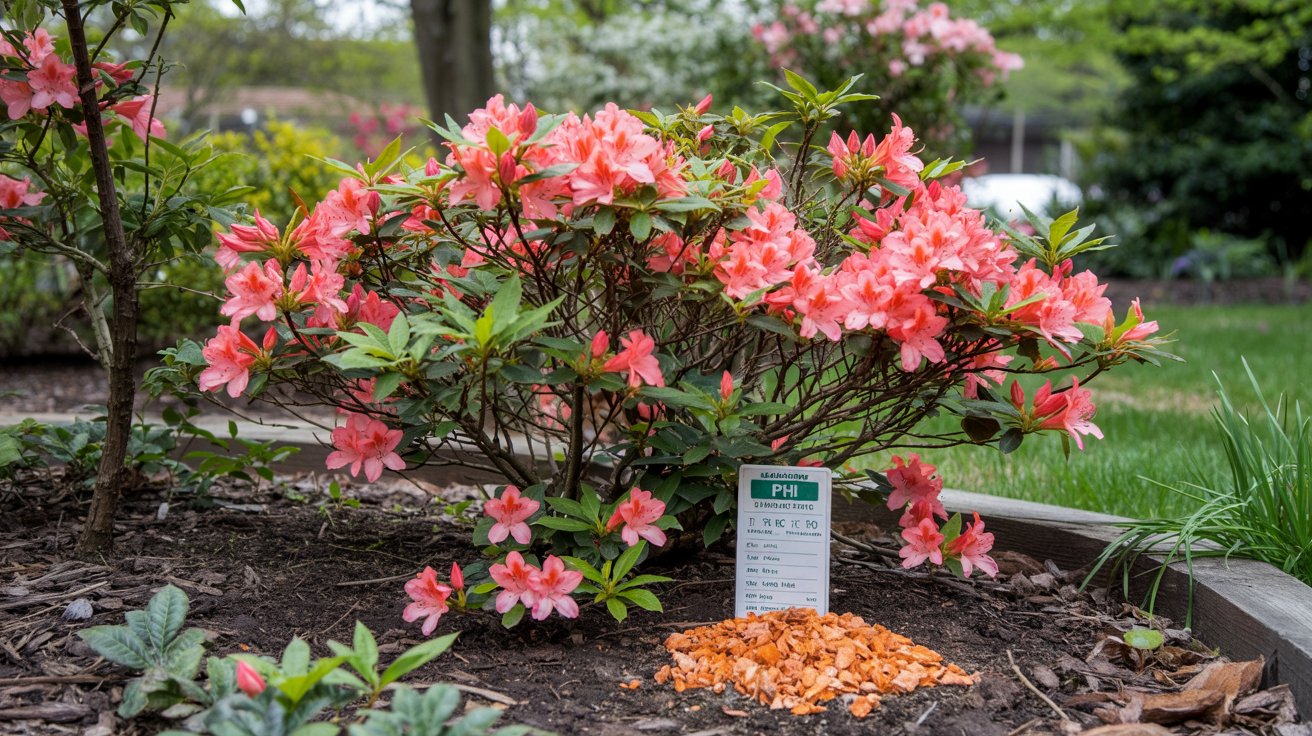
Most failures trace back to two mistakes: planting in soil that's too alkaline, and pruning at the wrong time of year.
Fix both, and azaleas are genuinely low-maintenance shrubs that reward you with dense foliage and a flush of color that few spring shrubs can match.
Azaleas belong to the genus Rhododendron, and like their close relatives, they depend on strongly acidic soil to access the nutrients they need. Understanding that one fact shapes every other decision in their care.
If you've already had success with blue hydrangea color maintenance, the acid-soil principles here will feel familiar.
Azaleas need acidic, well-drained soil (pH 4.5–6.0, ideal 5.0–5.5), partial shade, consistent moisture, and pruning immediately after bloom to protect next year's flower buds. Choose between evergreen and deciduous types based on your climate and desired bloom window.
Azalea Care Snapshot
Azaleas are flowering shrubs grown for their dense spring bloom and reliable foliage. They require acidic soil, partial shade, and shallow, fibrous roots kept consistently moist. Bloom colors range from white and pale pink to deep red and orange, with both evergreen and deciduous species available.
Remember it later
Planning to try this recipe soon? Save it for a quick find later!
A healthy azalea starts with a soil test before you plant anything. Oregon State Extension confirms that azaleas and rhododendrons require strongly acidic soil, with pH 4.5-6.0 acceptable and 5.0-5.5 producing the best nutrient availability.
Beyond soil, azaleas want dappled or partial shade for most of the day - especially afternoon protection in warmer climates. Their roots sit shallow and wide, not deep, which means they dry out faster than you'd expect and benefit from a consistent mulch layer.
Pruning is where most gardeners lose a year of blooms. Because nearly all common azaleas bloom on old wood, cutting back in fall or winter removes the buds that were set last summer.
Prune within four to six weeks after flowers drop, and you're safe.
Fertilize lightly in early spring with an acid-forming fertilizer formulated for azaleas or rhododendrons. Heavy feeding does more harm than good - it pushes soft, weak growth that invites pests and disease.
Soil, pH, and Watering for Azaleas
Soil pH is not just a background detail for azaleas - it directly controls which nutrients the plant can absorb.
At pH levels above 6.0, iron and manganese become chemically unavailable even in soils that contain plenty of both, causing the yellowed leaves between green veins known as chlorosis.
Testing your soil before planting takes about ten minutes and saves months of guesswork. Home test kits from garden centers give a useful ballpark reading, but a lab test through your county extension office gives you more actionable numbers, including recommendations for specific amendment rates.
| pH Range | Effect on Azalea | Action Needed |
|---|---|---|
| 4.5–5.5 | Optimal nutrient uptake, strong growth | None — maintain |
| 5.5–6.0 | Acceptable, minor nutrient limits | Monitor; retest annually |
| 6.0–6.5 | Iron/manganese less available, yellowing risk | Apply iron sulfate or sulfur |
| Above 6.5 | Chlorosis likely, poor growth | Significant amendment required |
When soil pH runs too high, Missouri Extension guidance recommends iron sulfate or agricultural sulfur, either of which can lower pH by roughly one unit when applied at recommended rates.
Sulfur works more slowly - weeks to months - while iron sulfate acts faster but doesn't last as long.
Work amendments into the top 6-8 inches of soil before planting rather than pouring them around an established shrub. For existing plants in alkaline soil, a combination of soil acidifier and regular acidic mulch (pine bark, pine needles) is the most practical long-term strategy.
Pine bark mulch does double duty for azaleas: it slowly acidifies the soil as it breaks down and keeps the shallow roots cool and moist. Apply a 2–3 inch layer, keeping it pulled back an inch from the main stem.
Drainage matters as much as pH. Azalea roots rot quickly in waterlogged soil, which is why raised beds and slightly elevated planting spots work so well for them.
If your native soil is heavy clay, amend generously with coarse organic matter or build the bed up 6-8 inches before planting.
For watering, azaleas need about 1 inch per week during the growing season, more during establishment in the first year. Water at the base, not overhead - wet foliage overnight invites fungal problems.
During dry summers, check soil moisture 2 inches below the surface every three to four days.
Container-grown azaleas dry out twice as fast as in-ground plants. Check them every one to two days in summer heat, and use a pot large enough to hold moisture without staying soggy.
Many gardeners growing shade plants alongside azaleas find that grouping them reduces how often each needs watering.
Pruning, Growth Habits, and Bloom Timing
The single most important pruning rule for azaleas: prune after bloom, not before. Most azaleas bloom on old wood, meaning flower buds for next spring are set on this year's growth from midsummer onward.
Any cut made after midsummer removes those buds and costs you a full season of flowers.
According to Penn State Extension, flowering shrubs that bloom on old wood - azaleas included - should always be pruned immediately after flowering to avoid cutting off next year's buds.
For most spring-blooming azaleas, that window is roughly late April through late June, depending on your climate.
The NC State pest management calendar ties azalea pruning directly to bloom cycles, reinforcing that post-bloom timing is the standard for maintaining consistent flowering year after year.
Light annual shaping keeps azaleas dense and manageable without sacrificing blooms. Rejuvenation pruning - cutting old, leggy shrubs hard - is a valid tool, but spread it across multiple seasons to avoid losing your entire bloom cycle at once.
If you enjoy managing bloom timing across shrubs, similar principles apply when you time clematis cuts around their flowering groups - old-wood bloomers share the same pruning logic.
Reblooming azalea varieties like the Encore series flower on both old and new wood. They can handle a light trim in late summer without losing all their fall blooms, making timing slightly more forgiving than traditional spring-only types.
Azalea Varieties and Seasonal Care
Azaleas split cleanly into two main categories: evergreen and deciduous. Evergreen types (including most Kurume, Satsuki, and Gable hybrids) hold their leaves year-round and are the classic landscape azaleas seen across the Southeast and Pacific Northwest.
Deciduous types - like the native Rhododendron calendulaceum (flame azalea) and many Exbury hybrids - drop their leaves in fall and often produce larger, showier individual flowers in orange, yellow, and red tones uncommon in evergreen types.
Evergreen azaleas generally suit Zones 6-9 and prefer sheltered partial shade. Deciduous types are often hardier, with some performing well in Zone 4, making them a better choice for northern gardens where evergreen types struggle with winter desiccation.
Prep/Plant
Prune/Shape
Peak Bloom
Early spring (March-April) is the right time to plant new azaleas in most climates - soil is workable, heat stress is minimal, and plants establish before summer. Apply a slow-release acid fertilizer at planting, then again lightly the following spring.
Skip fall fertilizing; it pushes tender late growth that gets damaged by early frost.
Summer care is mostly about moisture and mulch. Refresh the pine bark mulch layer in June to keep roots cool through the hottest months.
University of Georgia extension notes that bloom-aware pruning timing is especially critical in the South, where hot summers cause bud initials to set earlier than in northern regions - sometimes by mid-June rather than mid-July.
Fall is a good time to retest soil pH and apply sulfur if levels have crept up. It's also when cold-season bloom planning starts - pairing azaleas with winter bloomers extends your garden's color well beyond spring.
Varieties like 'Stewartstonian' and 'Hino Crimson' are well-suited to mixed borders alongside long-blooming border companions that carry the display into early summer.
For gardeners working with shaded sites alongside acid-loving woodland plants, evergreen azaleas layer naturally under tall deciduous trees, sharing both the light conditions and the soil type that native understory plants prefer.
If you're building out a mixed shade border, native perennial companions that tolerate slightly acidic soil make good candidates for sunny spots adjacent to the azalea bed.
Never apply lime around azaleas to "improve" the soil. Lime raises pH rapidly and directly causes the nutrient lockout that leads to chlorosis and poor blooming. If a neighbor offers lime for your beds, keep it away from anything in the Rhododendron family.
Deciduous azaleas work well in landscapes where you also grow multi-season flowering shrubs - the bare winter structure of deciduous types pairs naturally with plants that carry color through late summer and fall. For gardeners who enjoy vining plants nearby, wisteria's spring timing can overlap with early azalea bloom for a dramatic combined display.
You can also extend the overall flowering calendar by adding summer annuals to fill the gap after azalea blooms fade.
Frequently Asked Questions
The ideal range is pH 5.0–5.5, where iron and manganese are most available. pH above 6.0 causes chlorosis even in nutrient-rich soil.
Prune within four to six weeks after blooms drop, and finish by mid-July. Cutting later removes bud initials already forming for next spring.
Evergreen types like Kurume and Satsuki hybrids suit Zones 6–9. Deciduous Exbury hybrids are cold-hardier, performing in Zone 4 and offering yellow and orange tones rare in evergreen types.
Yes, but containers dry out fast — check soil moisture every one to two days in summer. Use an acidic potting mix and a pot at least 18 inches wide for good root room.
Satsuki azaleas bloom in late May to June, several weeks after most Kurume types. Encore series reblooming azaleas also produce a secondary flush in late summer and fall.
Pin it for your next how to grow and care for azalea project.