Ornamental grasses bring structure, movement, and texture to a garden in ways that flowering plants simply can't replicate.
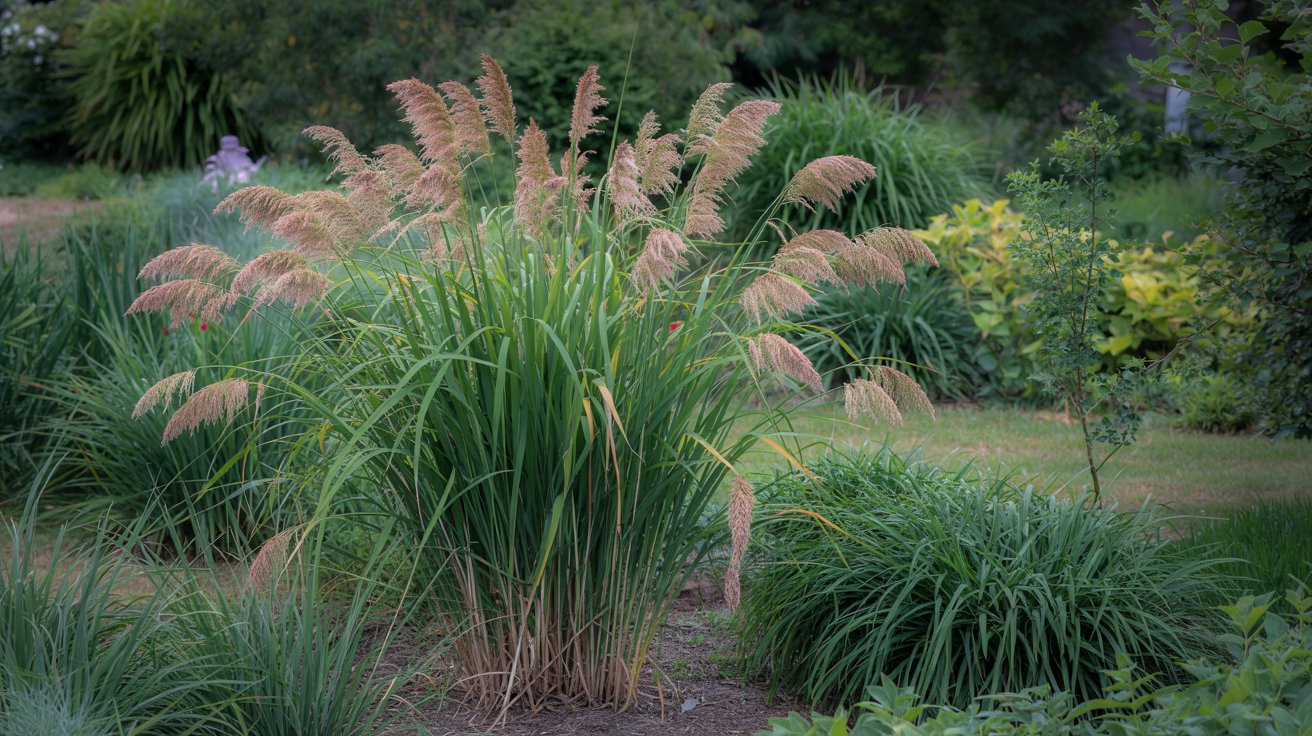
A single clump of Miscanthus sinensis can anchor a border, while a mass planting of fountain grass softens a fence line with feathery plumes from midsummer through fall.
Not all ornamental grasses behave the same way, though. Some spread aggressively, some die back to the ground in winter, and some stay evergreen year-round depending on your climate.
This guide focuses on three of the most widely planted ornamental grasses - fountain grass, miscanthus, and pampas grass - and walks through everything needed to select, plant, and maintain them well.
low-growing grass alternatives like liriope suit shady spots where these sun-loving grasses won't perform.
Getting ornamental grass care right means understanding a few key decisions upfront: site sun, drainage, mature size, and pruning timing. Nail those, and these plants mostly take care of themselves.
Ornamental grasses are low-maintenance, drought-tolerant plants that deliver year-round interest. Fountain grass, miscanthus, and pampas grass cover a wide range of sizes and climates.
Plant in full sun with well-drained soil, water deeply during establishment, and cut back in late winter before new growth begins.
Three of the garden's most versatile grasses, ranging from compact fountain grass at 2-4 feet to towering pampas grass at 10-12 feet. All prefer full sun and well-drained soil. According to CSU Extension, ornamental grasses require very little fertilizer and are among the easiest perennials to maintain once established.
Varieties and How They Behave
Each of the three featured grasses has a distinct growth habit, and choosing the wrong one for your site is the most common mistake gardeners make. Size at maturity, cold hardiness, and whether the plant is clumping or running should all factor into your selection.
Remember it later
Planning to try this recipe soon? Save it for a quick find later!
Fountain grass (Pennisetum alopecuroides) stays in a tight clump and tops out at 2-4 feet tall, making it the most container-friendly of the three. Annual fountain grass (Pennisetum setaceum 'Rubrum') is popular for its deep burgundy foliage but is only hardy in Zones 9-11, so gardeners in colder climates treat it as a seasonal container plant.
The University of Maryland Extension lists miscanthus and pampas grass among the most common in-ground ornamental grasses in the mid-Atlantic and Southeast.
Miscanthus sinensis is a true workhorse for large borders, reaching 4-8 feet tall depending on cultivar. Varieties like 'Morning Light' stay under 5 feet, while 'Gracillimus' can hit 7 feet in good conditions.
It's deciduous, dies back hard in winter, and re-sprouts reliably from Zone 5 northward.
Pampas grass (Cortaderia selloana, also now classified as Tripidium selloanum) is the largest of the three, routinely reaching 10-12 feet with plumes. It's hardy in Zones 7-11 and performs best in-ground rather than in containers due to its massive root system.
Note that pampas grass is considered invasive in parts of California and the Pacific Northwest - check local regulations before planting.
| Grass | Mature Height | USDA Zones | Container Use | Water Needs |
|---|---|---|---|---|
| Fountain Grass | 2–4 ft | 5–11 | Yes (annual types) | Low–Moderate |
| Miscanthus | 4–8 ft | 5–9 | Limited (large pots) | Low after establishment |
| Pampas Grass | 10–12 ft | 7–11 | Not recommended | Low–drought tolerant |
For gardeners exploring other grass types for lawn use, the differences in root depth and spread between turf grasses and ornamental grasses are significant - ornamental types are never mowed.
Site Selection, Planting, and Establishment
All three grasses perform best in full sun, at least 6 hours daily. Partial shade reduces vigor and causes the clumps to flop open at the center.
Drainage matters as much as sun - wet feet in winter will rot roots faster than cold temperatures.
Soil doesn't need to be rich. In fact, overly fertile soil produces lush, floppy growth rather than the upright, airy texture these grasses are known for.
A native or amended loam with good drainage is ideal, and most ornamental grasses adapt to clay soils as long as water doesn't pool for more than a few hours after rain.
Plant ornamental grasses in spring rather than fall whenever possible. Spring planting gives roots a full growing season to anchor before winter stress arrives. Fall-planted grasses in Zone 6 and colder face higher heave and loss rates.
Spacing depends entirely on mature size. Fountain grass can be planted 18-24 inches apart for a mass effect, while miscanthus needs 3-5 feet and pampas grass requires 6-8 feet between plants.
Crowding them leads to competition and poor air circulation.
The summer garden maintenance window is also a reasonable time to transplant container-grown ornamental grasses if you water them in well and shade them for a week.
Newly planted miscanthus may look sparse in year one. These grasses follow the classic rule: "sleep, creep, leap" - slow the first year, moderate the second, and full size by year three.
Comparing establishment needs to other long-lived shrubs in the landscape is useful - ornamental grasses typically establish faster than woody plants and require less soil amendment.

Seasonal Care: Pruning, Fertilizing, and Watering
Pruning is the single most important maintenance task for ornamental grasses, and timing determines whether plants come back clean and vigorous or ragged and crowded.
For deciduous types like miscanthus, cut back to 4-6 inches above ground in late winter before new growth emerges - typically February to mid-March depending on your zone.
Pampas grass can be cut back in late winter as well, but wear heavy gloves and long sleeves. The leaf edges are serrated and sharp enough to slice skin easily.
Many gardeners use the "paper bag" method: loosely tie the clump with twine before cutting to make cleanup faster.
Fountain grass follows a similar pruning schedule, though in Zones 9-11 where it stays semi-evergreen, simply cut out any dead or brown foliage rather than cutting the whole plant to the ground.
According to the UF/IFAS Extension, cutting warm-season grasses too early in fall removes the ornamental seed heads and winter interest before they've served their purpose.
Fertilization for established ornamental grasses should be minimal. A single light application of balanced 10-10-10 fertilizer in early spring is enough for most plantings.
Pampas grass and miscanthus in average soil often need no fertilizer at all after year two. Avoid high-nitrogen feeds - they push leafy, floppy growth.
Watering after establishment is straightforward. Most ornamental grasses need water every 7-10 days in summer without rain, and far less in fall and winter.
Established pampas grass survives drought periods of 3-4 weeks with no supplemental water once roots are deep. For gardeners managing mixed borders, the water-wise border strategies used for hydrangeas apply here too - deep, infrequent irrigation beats shallow daily sprinkles.
- Prune in late winter: Wait until you see new green shoots emerging at the base before cutting - this confirms the plant survived winter and guides cut height.
- Water deeply at planting: Soak the root zone to 8-10 inches so roots follow moisture downward, building drought resistance faster.
- Divide clumps every 3-5 years: Miscanthus and fountain grass develop dead centers without division; dig, split with a spade, and replant outer sections.
- Leave winter structure standing: Seed heads and dried foliage provide habitat for birds and insulate the crown against freeze damage through winter.
- Don't cut back in fall: Removing foliage in autumn exposes the crown to frost and eliminates winter visual interest before the plant has gone fully dormant.
- Don't overwater established clumps: Standing water around roots through winter is the leading cause of crown rot, especially in clay-heavy soils.
- Don't fertilize heavily: High-nitrogen fertilizer makes ornamental grasses flop open and lean, ruining the upright silhouette that makes them valuable.
- Don't skip division: Ignoring clump size leads to dead centers and hollow rings by year 6-7, requiring full removal and replanting.
For comparison, timing pruning on ornamental grasses is a similar decision to knowing when not to cut woody plants - the wrong season sets the plant back significantly.
Troubleshooting, Pests, and Common Problems
Ornamental grasses are resistant to most pests and diseases, but a few problems do appear, especially when drainage or air circulation is poor. Catching issues early saves you from losing an established clump.
The most frequent disease problems are leaf spot and rust, both fungal, and both more common in humid climates or when foliage stays wet. Improving air circulation by spacing plants correctly and avoiding overhead irrigation prevents most cases.
Rust appears as orange pustules on leaf blades; remove affected foliage and avoid wetting leaves when watering. The UMD Extension grass guide notes that rust is rarely fatal but weakens plants over multiple seasons if left unchecked.
- Aphids: Cluster on new growth in spring. A strong spray of water dislodges most colonies; insecticidal soap handles persistent infestations.
- Mealybugs: More common on container fountain grass. Wipe with isopropyl alcohol on a cotton swab or use neem oil spray.
- Crown rot: Caused by poor drainage, not disease. Lift the plant, remove rotted tissue, improve drainage, and replant in a raised area.
- Dead center syndrome: Hollow centers in older clumps signal the plant needs dividing, not treating. Dig, split, and replant outer sections.
Pampas grass clumps accumulate years of dead thatch that becomes a fire hazard in dry climates. In fire-prone regions of California and Australia, local fire codes may require removing established clumps entirely. Check your county's weed and fire regulations before planting.
Ornamental grasses in shaded spots are more prone to all these issues. If a clump looks consistently poor despite proper watering, inadequate sun is usually the cause, not disease.
Transplant to a sunnier site before assuming a pest or pathogen problem.

Maintenance Schedule and Quick Reference
A yearly maintenance rhythm for ornamental grasses is simple once you internalize the three key windows: late winter pruning, spring fertilizing, and summer division if needed. Most problems gardeners encounter trace back to skipping or mistiming one of these tasks.
For gardeners maintaining a broader mixed border, the same seasonal discipline that works for perennials with distinct dormancy cycles applies directly to ornamental grasses - respect the plant's rest period and it rewards you.
| Task | Fountain Grass | Miscanthus | Pampas Grass |
|---|---|---|---|
| Prune | Late Feb–Mar, cut to 4 in | Late Feb–Mar, cut to 4–6 in | Late Feb–Mar, cut to 6–8 in |
| Fertilize | Light 10-10-10 in March | Optional; skip after yr 2 | Rarely needed |
| Water (summer) | Every 5–7 days | Every 7–10 days | Every 10–14 days |
| Divide | Every 3–4 years | Every 3–5 years | Every 5–7 years |
| Watch for | Aphids, crown rot | Rust, dead centers | Thatch buildup, fire risk |
Container fountain grass needs repotting every 2 years as roots fill the pot and water runs straight through without absorbing. Move containers indoors in Zones 6 and colder before the first hard frost if you want to carry the plants over winter.
When planning a mixed planting, consider pairing ornamental grasses with high-color annuals for contrast against the grasses' neutral tones, or use ornamental grasses as backdrop plants behind flowering perennials. For gardeners interested in exploring the full range of drought-tolerant plants for sunny borders, ornamental grasses pair well with lavender, salvia, and rudbeckia.
Similarly, choosing the right vertical plants for a fence alongside ornamental grasses can complete a layered design without competing for resources.
Frequently Asked Questions
Fountain grass (Pennisetum alopecuroides) is ideal for small spaces, staying under 3 feet tall and wide. Compact cultivars like 'Hameln' top out at just 18-24 inches.
Yes, most ornamental grasses need at least 6 hours of direct sun daily. In partial shade, clumps become floppy and lose vigor; fewer than 4 hours leads to poor flowering.
Pampas grass is not suited to containers — its root system reaches 6 feet deep and wide at maturity, far exceeding what any practical container can support.
A single light application of balanced 10-10-10 in early spring is sufficient. Established clumps in average soil often need no fertilizer at all after their second year.
A hollow, flopping center means the clump needs dividing. Dig it out, split it into sections 6-8 inches across, and replant outer pieces — typically needed every 3-5 years.
Pin it for your next how to grow and care for ornamental grass project.