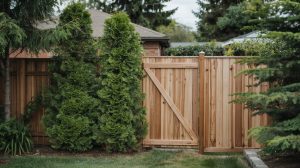
Most homeowners searching for fence prices want one thing fast: a number they can actually budget around.
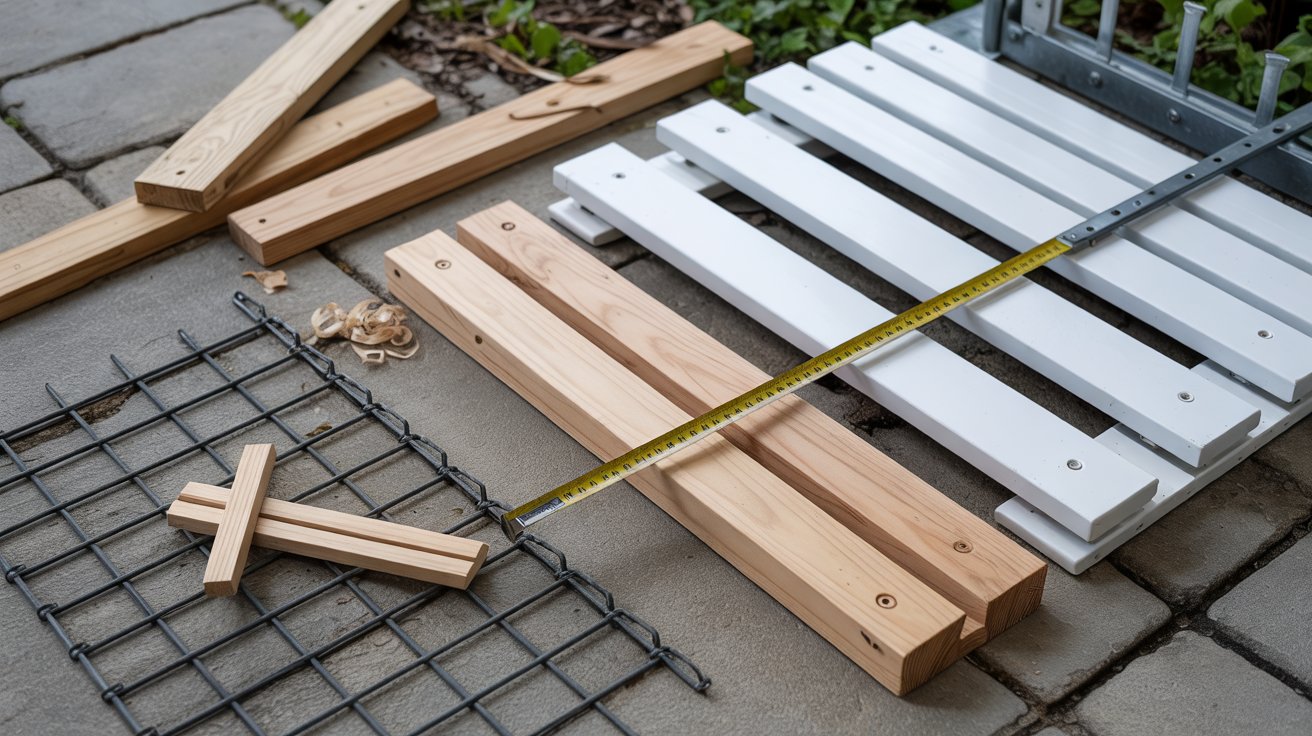
The ranges below cover all six common materials at installed prices, with three realistic total-budget tiers for a typical backyard - so you can estimate a ballpark figure before you call a single contractor.
Installed fence costs run $8–$90+ per linear foot depending on material, height, and labor market. A typical 150–200 ft yard lands between $2,000 and $7,000 for a pro-installed wood or chain-link fence, and up to $20,000+ for premium wrought iron or composite.
Prices assume standard 6-ft privacy or 4-ft decorative height, flat terrain, and one single gate per 100 ft.
How Price Per Foot Breaks Down by Material?
Each material has a wide price range because height, style, post size, and regional labor all pull costs in different directions. Understanding what pushes a material toward its high end helps you compare contractor quotes on equal footing.
Remember it later
Planning to try this recipe soon? Save it for a quick find later!
If you're still deciding between material types, our breakdown of vinyl vs. wood fence durability and cost covers the tradeoffs in detail.
Wood
Pressure-treated pine is the budget entry point; cedar and redwood sit at the higher end due to natural rot resistance. 6×6 posts with 8-ft spacing cost noticeably more than standard 4×4 posts at 6-ft spacing, which is a common line-item difference between bids.
Vinyl
Vinyl panels arrive pre-assembled, which cuts labor time, but the material itself costs more than wood. Textured or colored panels add 10-25% over standard white, and thicker-wall vinyl (Class 1 or Class 2 grade) commands a premium worth paying for longevity.
Chain-Link
Galvanized chain-link is the most budget-friendly fenced perimeter you can install professionally. Vinyl-coated mesh adds $2-$5 per linear foot but extends the realistic service life to 20-30 years by blocking rust at the wire surface.
Aluminum
Ornamental aluminum mimics wrought iron at roughly half the weight and cost. Powder-coating is standard on quality aluminum fence; the coating itself adds $3-$8 per foot but is responsible for most of the 20-30+ year lifespan.
Composite
Capstock composite boards resist moisture, insects, and UV fading better than wood. Composite fencing runs $30-$70 per linear foot installed, but near-zero maintenance costs over a 25-40 year lifespan often offset the higher upfront price for homeowners who plan to stay long-term.
Wrought Iron and Steel
True wrought iron is now rare; most "wrought iron" fences are tubular steel with decorative finials. Custom fabrication is what pushes prices toward $90+ per foot - stock panel styles hold closer to $35-$55/ft installed.
| Material | Installed Cost/ft | Typical Pro Range/ft | Lifespan | Typical Warranty |
|---|---|---|---|---|
| Wood (PT/Cedar) | $12–$45 | $18–$30 | 10–25 years | 1–5 yr labor; material varies |
| Vinyl | $20–$60 | $30–$45 | 20–40 years | 10–20 yr material |
| Chain-Link (galvanized) | $8–$25 | $10–$18 | 20–30 years | 1–3 yr labor |
| Aluminum (ornamental) | $20–$50 | $25–$40 | 20–30+ years | 5–25 yr powder-coat |
| Composite (capstock) | $30–$70 | $40–$55 | 25–40 years | 10–25 yr material |
| Wrought Iron/Steel | $35–$90+ | $45–$70 | 30–50+ years | 5–10 yr finish |
The privacy comparison between fences and hedges shows that planted borders can cost less upfront but typically take 3–7 years to reach effective screening height. Prices above reflect nationally averaged 2026 contractor data; your local labor market may shift quotes 15–25% in either direction. According to industry installation standards, post depth should reach at least one-third of total post length below grade for structural integrity.
What Changes the Per-Foot Price?
The per-foot number in any quote is a starting point, not a final price. Several site-specific and project-specific variables stack on top of material cost before you reach the total you'll actually pay.
If your yard also needs grading work, it's worth knowing what a retaining wall costs before budgeting - slope correction often happens alongside fence installation.
- Fence height: Adding 2 ft to a standard fence height increases material and labor costs by roughly 20-40%, since taller panels need deeper posts and more concrete.
- Gates: A single pedestrian gate adds $150-$800 depending on material and hardware; a double drive gate runs $500-$2,500.
- Old fence removal: Expect $1-$6 per linear foot, or a flat $300-$1,200 for a typical residential project, including post extraction and haul-away.
- Rocky soil or slopes: Difficult terrain adds 10-30% to labor costs because post-setting takes significantly longer when drilling through rock or working on a grade.
- Permits and HOA: Municipal permit fees run $0-$500 depending on the city; HOA approval adds no direct fee but can delay the project by weeks if design revisions are required.
Buried utilities are a hidden cost trigger. Always call 811 (USA dig-safe line) before post installation — hitting an underground line can add emergency repair costs of $500–$5,000+ to your project. Most contractors require this step, but confirm it is in the scope of work before signing.
- Call 811 before any post is dug, even for DIY installs.
- Pull a permit if required - inspectors catch post-depth and setback violations that protect your investment.
- Ask contractors to specify concrete volume and post depth in writing before work begins.
- Check HOA covenants for height limits, approved materials, and color restrictions.
- Don't skip the permit to save $150 - unpermitted fences sometimes must be removed at owner expense.
- Don't assume a slope adds nothing to cost; even a modest 5-8% grade can add a full day of labor.
- Don't forget to factor in gate posts, which need extra concrete and hardware beyond standard line posts.

Quick Budget Estimator and Worked Examples
Use this formula for a fast ballpark: (cost per foot × linear feet) + gates + fence removal + permit + 10% contingency. The 10% buffer covers small material overages, difficult post spots, and hardware surprises that show up on nearly every job.
You can cross-check your total against other backyard projects using our full backyard cost calculator to see how fencing fits into your overall outdoor budget.
Linear footage is the perimeter of the fenced area minus any openings (driveways, existing walls). Measure each run and add them up — most homeowners underestimate by 10–15% before they walk the property with a tape measure.
| Scenario | Linear Feet | Material / Tier | Base Cost | Add-Ons | Est. Total |
|---|---|---|---|---|---|
| Example A | 100 ft | Chain-link, typical pro ($12/ft) | $1,200 | 1 gate ($200) + 10% contingency | ~$1,540 |
| Example B | 150 ft | Wood privacy, typical pro ($24/ft) | $3,600 | Removal ($600) + gate ($350) + 10% | ~$4,950 |
| Example C | 300 ft | Premium vinyl/aluminum ($45/ft) | $13,500 | 2 gates ($1,200) + permit ($300) + 10% | ~$16,500 |
Example B is the closest to a national average scenario - 150 ft of wood privacy fence installed by a pro, with one gate and old fence removal, lands most homeowners between $4,500 and $5,500.
That range covers standard cedar dog-ear panels with 4×4 posts set in concrete at 6-ft spacing.
Example C assumes a mix of vinyl privacy sections and aluminum ornamental sections, which is common along rear property lines that transition to side-yard visibility.
If you're also planning a deck or patio alongside the fence, check what a deck costs and how a patio compares to sequence projects and potentially negotiate bundled labor rates.
Hiring Tips, Warranties, and Cost-Saving Strategies
Getting three written bids is the single most effective cost-control move available. Compare them line by line - materials specified by grade, post size and depth, concrete volume per post hole, and gate hardware brand - not just the bottom-line number.
Many homeowners planning larger outdoor upgrades also find value in tackling projects like building a pergola DIY or installing a fire pit in the same season to share mobilization and labor costs with a contractor.
- Workmanship warranty: Expect 1-5 years from reputable contractors; anything under 1 year on labor is a red flag worth questioning.
- Material warranties: Vinyl manufacturers typically offer 10-20 year limited warranties; metal powder-coat warranties run 5-25 years depending on brand and coating system.
- Off-season scheduling: Installing in late fall or winter in temperate climates can save 10-15% - contractors often discount to fill gaps in their schedule.
- Standard panel sizes: Accepting a contractor's standard color and panel dimensions instead of custom orders avoids 5-20% upcharges on material lead times.
- Partial DIY: Doing your own demolition and haul-away saves $300-$1,200 on most projects without requiring any specialty tools or permits.
Ask each bidder how they handle post depth on your specific soil type — sandy or clay-heavy soil needs deeper posts (30–36 in.) than standard. A contractor who mentions soil without being prompted is demonstrating field experience worth paying for.
- Specifies concrete volume (typically 1-2 bags per post hole) in writing.
- Lists post dimensions and spacing, not just panel count.
- Provides a written timeline with a realistic start date.
- References local permit requirements unprompted.
- Bid is 40%+ below the other two quotes without a clear explanation.
- Contractor asks for full payment upfront before any work starts.
- Timeline is unusually short (e.g., "We can finish 300 ft tomorrow") - rushed installs skip concrete cure time.
- No written contract, no license number, no proof of liability insurance.
For additional backyard project planning resources including layout ideas and material guides, the silo covers everything from surface choices to structures. Also compare the security and cost differences between chain-link and privacy fence styles before committing to a material.

Frequently Asked Questions
Permit requirements vary by municipality. Most cities require a permit for fences over 6 ft tall; some require one for any fence. Check your local building department and HOA rules before starting.
Installed wood fence runs $12–$45 per linear foot. A typical pro install using cedar or pressure-treated pine lands around $18–$30/ft for a standard 6-ft privacy fence.
Chain-link is cheapest upfront at $8–$25/ft installed. Vinyl or composite costs more initially but requires near-zero maintenance, making it cheaper over a 25–40 year lifespan.
Common surprises include buried utility rerouting, retaining walls on sloped lots, gate hardware upgrades, and municipal inspection fees that can add $300–$2,000+ to the base quote.
Yes. Options include personal home improvement loans, contractor-offered financing plans, and home equity lines of credit (HELOCs), which typically carry lower interest rates for larger projects.
Pin it for your next how much does a fence cost? (by material) project.