A backyard fire pit sounds simple until you start pricing materials, labor, permits, and fuel - and the number climbs fast. Whether you're eyeing a weekend steel bowl build or a full masonry installation with gas controls, the final cost swings from under $200 to well over $10,000.
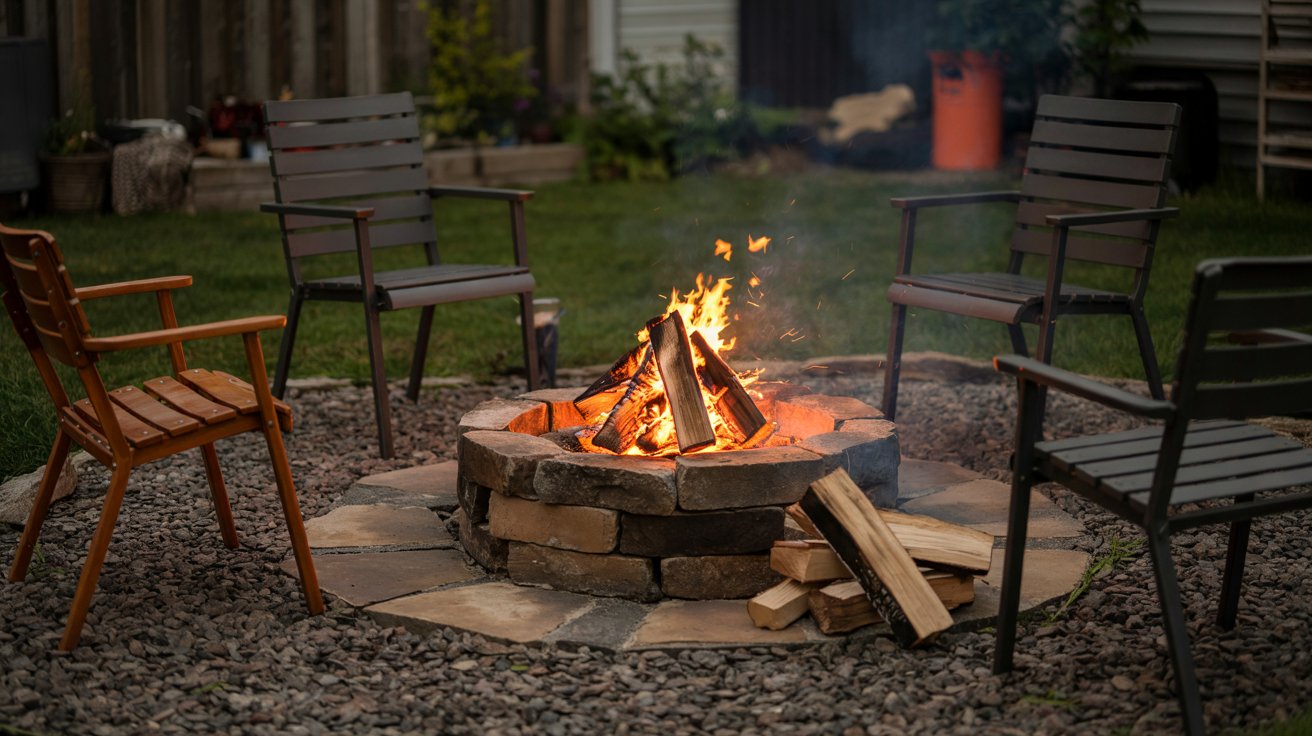
This guide lays out every cost bucket in plain numbers so you can set a realistic budget before you buy a single brick.
Fire pit costs depend on type, fuel source, and whether you hire a pro. A DIY steel ring can cost as little as $100, while a built-in masonry fire pit with gas controls can exceed $10,000 installed.
Budget under $500 for DIY, $500–$3,000 for midrange prefab or gas, and $3,000+ for premium built-in work.
Before committing to a type, it helps to see every option on one scale. The four main categories below cover the full range of what homeowners actually spend in the first year of ownership.
Detailed Cost Breakdown by Fire Pit Type
Headline ranges only tell part of the story. The table below splits each fire pit type into four cost buckets - materials, labor, permits, and a realistic first-year total - so you can see where money actually goes before you commit to a design.
Remember it later
Planning to try this recipe soon? Save it for a quick find later!
Built-in masonry carries the widest swing because mason labor rates vary significantly by region and site conditions. A flat, accessible yard with good drainage costs far less to prep than a sloped lot with clay soil.
| Type | Materials | Labor | Permits/Inspections | Typical 1st-Year Total |
|---|---|---|---|---|
| DIY Steel Ring or Bowl | $100–$400 | $0 (self-install) | $0–$150 | $100–$600 |
| DIY Paver or Flagstone | $300–$1,200 | $0 (self-install) | $0–$150 | $300–$1,400 |
| Prefab Portable Wood | $200–$2,000 | $0–$300 | $0–$150 | $200–$2,500 |
| Gas Prefab (propane or NG) | $300–$2,000 | $200–$1,500 | $0–$300 | $400–$5,000 |
| Built-In Masonry | $600–$3,000 | $800–$6,000 | $0–$500 | $1,500–$10,000+ |
Labor is the single biggest variable for gas and masonry projects. The U.S.
Department of Energy notes that natural gas line work requires a licensed contractor in most jurisdictions, which is reflected in those higher hookup costs above.
If you're also weighing paver installation for a surrounding path, budget that as a separate line item - it typically adds $500-$3,000 depending on square footage and material choice.
DIY Fire Pit Cost: Realistic Budgets and Where Overruns Hide
A DIY fire pit is the fastest path to a real fire outdoors for under $500. The most common builds are a simple gravel-and-paver ring, a stacked stone circle, or a freestanding steel bowl - each with a very different labor and materials footprint.
A steel bowl or ring kit runs $100-$400 in materials, while a paver or flagstone build climbs to $300-$1,200 depending on stone type and ring diameter. Neither includes delivery fees, which typically add $50-$150 per material order.
Renting a plate compactor for proper base prep costs $60-$150 per day - a line item many first-time builders skip, then regret.
Budget 4-16 hours for a DIY build depending on size and how many helpers you have. Soil removal, gravel base depth (often 4-6 inches of compacted gravel is required for drainage), and frost-depth considerations in colder zones all stretch timelines and material costs.
You can browse design ideas for different layouts to size your project before pricing materials.
- Check local setback rules first. Most municipalities require 10-25 feet of clearance from structures before you dig anything.
- Lay a proper gravel base. At least 4 inches of compacted gravel prevents shifting and improves drainage, protecting your investment.
- Use firebrick or refractory stone inside the ring - standard patio pavers can crack or explode under sustained heat.
- Budget for delivery fees when ordering stone or gravel; it's a $50-$150 cost that often gets forgotten.
- Don't skip the permit check. An unpermitted wood-burning pit can trigger fines and complicate insurance claims if there's ever a fire.
- Don't build directly on bare soil without a gravel base - ground movement and water pooling degrade the structure within a season.
- Don't use river rock or wet stone inside the fire ring; trapped moisture turns to steam and can cause stones to crack or shatter.
- Don't undersize the ring. A diameter under 36 inches restricts airflow and makes managing a safe fire significantly harder.
According to the National Fire Protection Association, the majority of outdoor fire pit incidents involve improper placement or flammable materials too close to the burn area - a risk that proper base prep and setback planning directly reduce.
If you want a gravel base around the fire pit, calculate that square footage separately from the pit materials themselves.
Gas Fire Pit Cost: Propane vs. Natural Gas and Hookup Expenses
Gas fire pits split into two fuel paths - propane and natural gas - and the choice affects both upfront hardware costs and long-term running expenses.
Propane is portable and needs no gas line, while natural gas requires a permanent line but costs less per hour of use once installed.
A propane burner kit runs $150-$900, while natural gas kits cost $200-$1,200 depending on BTU output and pan size. Both require a flexible gas line and regulator, adding $50-$350 to the hardware total.
Professional hookup labor for a natural gas line runs $200-$1,500 based on distance from the meter and local permit requirements. For a full side-by-side breakdown of fuel trade-offs, see which fuel type costs less over time.
| Component | Propane | Natural Gas |
|---|---|---|
| Burner Kit | $150–$900 | $200–$1,200 |
| Gas Line + Regulator | $50–$200 (hose + regulator) | $200–$350 (flexible line) |
| Professional Hookup Labor | $0 (self-connect tank) | $200–$1,500 |
| Spark Ignition Upgrade | $100–$400 | $100–$400 |
| Glass Media or Lava Rock | $50–$300 | $50–$300 |
| Typical Propane Refill (20 lb) | $20–$70 per fill | N/A |
| Est. Running Cost Per Event | $5–$20 | $1–$5 |
A 20-lb propane tank typically runs a mid-size burner for 4-8 hours before needing a refill. At $20-$70 per fill, frequent users will find natural gas cheaper within the first season.
Remote ignition systems, premium glass fire media, and electronic valves each add $100-$400 to the project. For those planning a larger outdoor setup, pairing a gas fire pit with a full outdoor kitchen may allow sharing a single gas line run, reducing hookup costs overall.
Built-In Masonry Fire Pit Cost: Site Prep, Labor, and Long-Term Value
A built-in masonry fire pit is the most expensive option because it combines skilled labor, significant site work, and durable materials into a permanent structure. Mason labor rates run $50-$150 per hour regionally, and most built-in projects take 2-5 days to complete depending on complexity.
Materials alone typically cost $600-$4,000, covering concrete block, firebrick, mortar, and capstone. A stainless steel burner upgrade adds $300-$1,000, and gas controls with spark ignition add another $150-$600.
Excavation and base work runs $200-$1,200 depending on soil type and equipment access. When tied into a patio or seating wall project, costs compound quickly - but so does the visual impact and resale value.
You can estimate the full scope of surrounding hardscape when you plan your fire pit build from the ground up.
A professionally installed masonry fire pit typically offers a better return on curb appeal than any portable unit. Real estate professionals generally cite outdoor living features — including permanent fire features — as strong selling points in competitive markets. The USDA National Agricultural Library notes that documented landscape improvements, including permanent hardscaping, can contribute positively to appraised property value. Budget $1,500–$10,000+ for the full installed range, and plan landscaping tie-ins like a gravel surround or bulk gravel pricing before finalizing your contractor quote.

Permits, Inspections, and Hidden Costs You Should Budget For
Permits are the most skipped line item in fire pit budgets - and the one most likely to cause expensive problems later.
Permit fees range from $0 to $500 depending on your jurisdiction and whether the project includes a gas hookup, which typically triggers a required inspection.
Most local codes require 10-25 feet of clearance from structures, fences, and tree canopies. Building without a required permit can result in fines, mandatory removal, or denial of a homeowner's insurance claim if the pit causes property damage.
Check your municipal code office before purchasing materials - it's a free call that can save thousands.
Your homeowner's insurance policy may exclude fire damage originating from an unpermitted structure. Call your insurer before you build and ask specifically about outdoor fire features. Some policies require written notification of any permanent fire pit installation, permitted or not. For broader context on local fire safety ordinances, your city or county fire marshal's office is the fastest source of accurate setback and fuel-type rules — requirements vary significantly even between neighboring municipalities. Also factor in your backyard layout and clearance zones when siting the pit relative to any overhead structures.
How to Choose: Budget Decision Path?
Picking the right fire pit type comes down to three factors: how much you want to spend upfront, whether you plan to cook or just enjoy ambiance, and how permanent a feature you want on your property.
Wood-burning units - DIY or prefab - handle cooking and ambiance equally well. Glass-media gas pits are purely decorative and perform poorly for actual grilling.
High-BTU gas burners rated above 60,000 BTU can handle cooking, but they require proper cookware and clearance. If you're comparing the cost of a fire pit to other outdoor structures, reviewing what a pergola installation costs can help you prioritize your backyard budget overall.
Weekend DIY under $500: Steel bowl, gravel ring, or simple paver circle — best for casual use and tight budgets. Midrange $500–$3,000: Quality prefab wood unit or gas fire pit with a basic propane hookup — suits most households. Premium $3,000+: Built-in masonry with gas controls — best for frequent entertaining and long-term property investment. If your neighborhood has an HOA, verify fire feature rules before selecting any tier. A professionally installed built-in adds more lasting curb appeal than any portable unit, but only if local restrictions allow open flame features.
Comparison Summary and Quick Budgeting Worksheet
Use the cost bars below as a working reference when talking to contractors or pulling together a materials list. Each range reflects a realistic first-year total including materials, any labor, permits, and one season of fuel or firewood costs.
To build your own estimate, note your chosen type, then set a low and high figure based on your site conditions. Add $0-$500 for permits, $50-$300 for base gravel and delivery, and $100-$500 for first-year fuel (propane refills or a half-cord of firewood).
That three-number worksheet gives you a budget floor, ceiling, and a realistic midpoint to share with any contractor. If you're pairing the pit with a gravel surround, check current gravel patio pricing to build one combined quote.
Frequently Asked Questions
Yes. Many insurers require notification of any permanent fire feature. Unpermitted installations can void claims; annual premium increases of $50–$200 are common after disclosure.
Steel bowls last 5–15 years depending on weather exposure. Masonry fire pits last 20–50 years with proper maintenance. Gas burner kits typically need replacement every 10–15 years.
Yes. HOA rules frequently restrict open-flame features, fuel types, or permanent structures. Always review your CC&Rs before purchasing materials or hiring a contractor.
Budget $50–$200 annually for a steel or masonry pit — covering a weather cover, touch-up mortar, and ash disposal. Gas pits add $50–$150 for burner cleaning and valve inspection.
Converting an existing wood pit to gas typically costs $400–$2,500, covering a burner kit ($150–$900), gas line materials, and certified hookup labor. Natural gas conversions cost more than propane.
Pin it for your next how much does a fire pit cost? project.