Gravel is one of the most practical materials you can bring onto a property, but the price swings are wide enough to catch homeowners off guard. A basic crushed limestone driveway costs a fraction of what decorative pea gravel runs, and delivery fees can quietly double a small order.
Knowing the numbers before you call a supplier puts you in a much stronger position.
Most homeowners pay $15 to $75 per ton for gravel, depending on the type and where you live. Delivery, grading, and installation push the total project cost higher - sometimes significantly.
This guide breaks down gravel prices by type, by unit (ton vs. cubic yard), and by project so you can build a realistic budget.
We cover delivery fees, the math for calculating how much you need, and the factors that move the price up or down.
Whether you're pricing out a driveway, a drainage solution, or a gravel patio installation, the cost structure follows the same basic pattern - material plus delivery plus labor. Understanding each piece separately makes the total easier to control.
Gravel costs $15–$75 per ton or $20–$100 per cubic yard for material alone. Delivery adds $50–$200+ per load.
Common driveway gravel runs $25–$45 per ton. Decorative types like pea gravel or river rock cost more.
Total installed project costs range from $300 to $3,000+ depending on size and type.
Gravel Cost Per Ton by Type
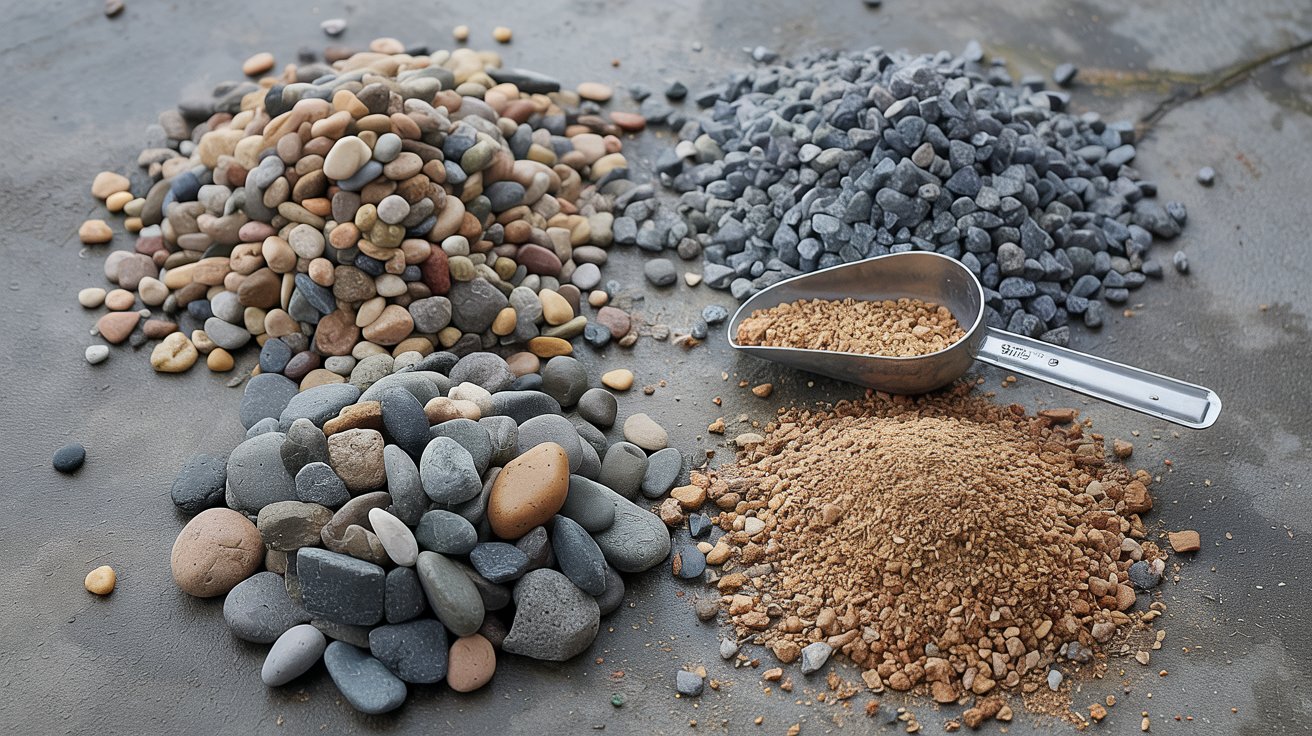
The type of gravel you choose is the single biggest variable in material cost. Utility-grade crushed stone is cheap and abundant; decorative river rock is priced like a finish material.
Remember it later
Planning to try this recipe soon? Save it for a quick find later!
Prices below reflect national averages for bulk orders from a local quarry or landscape supplier. Retail bags from a home improvement store cost significantly more per ton equivalent.
| Gravel Type | Cost Per Ton | Best Use |
|---|---|---|
| Crushed Limestone | $15–$30 | Driveways, base layers |
| Crushed Granite | $25–$50 | Driveways, paths |
| Pea Gravel | $30–$55 | Patios, playgrounds |
| River Rock | $45–$75 | Landscaping, drainage |
| Decomposed Granite | $25–$50 | Paths, xeriscape |
| #57 Crushed Stone | $20–$40 | Drainage, base fill |
| White Marble Chips | $50–$80 | Decorative beds |
Crushed limestone is the workhorse of the gravel world and consistently the cheapest option in most regions. River rock and white marble chips sit at the top of the range because they require more processing and sourcing.
Buy directly from a local quarry instead of a landscape retailer when ordering more than 5 tons — you can save 20–40% on material cost alone. Ask about "crusher run" or "road base" for the lowest price per ton on functional gravel.
Gravel Cost Per Cubic Yard
Suppliers sell gravel by the ton or by the cubic yard, and the two units don't convert evenly because gravel density varies by type. One cubic yard of average gravel weighs roughly 1.4 to 1.5 tons.
If your supplier quotes by the yard and you need to compare with a ton price, multiply the yard price by 0.67 to get the per-ton equivalent. Most landscape calculators default to cubic yards, which makes it the more practical unit for estimating coverage.
One cubic yard covers roughly 100 square feet at a 3-inch depth - the standard recommended depth for most driveways and paths. For a 2-inch decorative layer, one yard stretches to about 160 square feet.
If you're comparing gravel against harder surfaces, poured concrete costs significantly more per square foot but lasts decades without replenishment. Gravel needs topping up every few years.
Delivery Cost and What Affects It
Delivery is where gravel budgets frequently go sideways. Most suppliers charge a flat delivery fee per load, regardless of how much gravel fills the truck.
Typical delivery fees run $50 to $200 for a standard dump truck load within 10-20 miles of the quarry.
Distance is the primary driver. Suppliers often charge $5 to $15 per mile beyond their standard delivery radius.
A quarry 40 miles away can add $150 or more to your total before a single stone hits your driveway.
- Load size: A standard dump truck holds 10-15 cubic yards. Filling the truck spreads the delivery fee across more material, lowering the effective per-yard cost.
- Access difficulty: Tight driveways, low-hanging wires, or soft ground that requires a smaller truck can increase fees or require multiple trips.
- Fuel surcharges: Some suppliers add a variable fuel surcharge on top of the base delivery rate.
- Day and time: Saturday or rush deliveries sometimes carry a premium of $25-$75 over standard weekday rates.
Ordering a small amount — say, 2 tons — and paying a $150 delivery fee effectively doubles your material cost. Coordinate with a neighbor to share a load if you both have smaller projects, or wait until you have enough for a full truck.
How Much Gravel Do You Need?
Calculating your order before calling a supplier saves money and prevents shortfalls. The formula is straightforward: multiply length × width × depth (all in feet), divide by 27 to get cubic yards, then multiply by 1.4 to convert to tons.
For a 12 × 50-foot driveway at 4 inches deep, you need approximately 9 cubic yards or 12-13 tons. At $30 per ton for crushed limestone plus a $100 delivery fee, that's roughly $490 in material and delivery before any labor.
The full driveway cost breakdown includes excavation, edging, and compaction that add to this base number, especially for new installations.

Gravel Cost by Project Type
Material cost per ton is only one part of the picture. Project size, required depth, and whether you're doing the work yourself or hiring out all shape the final number.
| Project | Typical Size | Estimated Total Cost |
|---|---|---|
| Driveway (resurfacing) | 12 × 50 ft | $400–$1,200 |
| Driveway (new install) | 12 × 50 ft | $1,000–$3,000 |
| Patio | 10 × 12 ft | $200–$700 |
| Walkway | 3 × 30 ft | $100–$350 |
| French drain fill | 50 linear ft | $300–$800 |
| Landscape bed top-dress | 200 sq ft | $150–$500 |
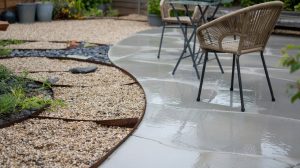
A gravel patio is one of the most cost-effective outdoor surfaces you can build - typically $1-$3 per square foot for materials. Compare that to a wood deck or pavers, and the savings are immediate.
If you're deciding between surface types, the patio vs. deck question comes down to more than just upfront cost.
New driveway installations cost more than resurfacing because they require excavation, a compacted base layer of crusher run, and edging before any finished gravel goes down.
Factors That Raise or Lower the Price
Two homeowners buying the same gravel type can pay very different amounts based on timing, location, and project specifics. These are the variables worth controlling.
- Regional availability: Limestone is cheap in the Midwest and South where it's abundant; the same material can cost twice as much in the Pacific Northwest where it must be shipped in.
- Order volume: Suppliers often offer price breaks above 10 tons. Bulk pricing can drop the per-ton rate by $5-$15.
- Season: Spring demand spikes drive prices up in March through May. Ordering in fall or winter often yields better rates and faster delivery windows.
- Color and grade: Washed, sorted, or dyed decorative gravels cost more than unsorted crusher run. Washing adds $5-$20 per ton to the base price.
- Labor costs: Spreading and compacting gravel yourself versus hiring a landscaper can save $50-$100 per hour of labor.
Comparing gravel to other hardscape and landscape materials like pavers or concrete shows just how budget-friendly it is for utility applications. The tradeoff is durability and maintenance frequency.
Recycled concrete aggregate — sometimes called "crushed concrete" — costs $6–$14 per ton in many markets and performs similarly to crushed limestone for driveways and base layers. Ask local suppliers if they carry it.
Gravel vs. Other Driveway and Patio Materials
Gravel competes directly with asphalt, concrete, and pavers for driveways and patios. The cost gap is significant, especially at installation.
Gravel wins on upfront cost and drainage. Concrete wins on longevity and resale value perception.
For patio surface budgeting, gravel is frequently the entry-level option that still looks intentional when edged properly.
If you're weighing harder surfaces, stamped concrete versus pavers is the next comparison worth making - both cost 3-6× more per square foot than gravel.
DIY vs. Hiring a Landscaper
Gravel is one of the most DIY-friendly hardscape projects. The materials are forgiving, the tools are basic, and mistakes are easy to correct.
But there are cases where professional installation makes financial sense.
- DIY for top-dressing, patios, and simple path fills - a rake and tamper are all you need.
- Hire out for new driveway installs that require excavation and compaction equipment.
- Rent a plate compactor for $60-$90/day if you're tackling a driveway yourself.
- Call 811 before any excavation - utility marking is free and required by law.
- Skipping the compacted base layer on a driveway - gravel will rut and sink within a season.
- Ordering bags from a home center for large projects - bulk delivery is far cheaper above 1 ton.
- Laying gravel directly on bare soil without landscape fabric in weed-prone areas.
- Ignoring drainage slope - gravel needs a 1-2% grade to shed water away from structures.
Labor to spread and compact gravel typically runs $25-$60 per hour when hired out. A standard driveway resurfacing takes 2-4 hours for two workers, adding $100-$480 in labor on top of material and delivery costs.
For projects involving fencing or boundary work alongside a gravel installation, fence installation pricing follows a similar DIY-vs-hire calculus - labor is often 50% or more of total cost.

Where to Buy Gravel and What to Ask?
Your buying source affects both price and convenience. Each option suits a different project scale.
- Local quarry or gravel pit: Cheapest source for bulk orders. Best for 5+ tons. You can often pick up yourself with a truck or trailer to skip delivery fees.
- Landscape supply yard: Wider selection including decorative types. Prices are 10-25% higher than a quarry but they stock premium materials and smaller minimums.
- Home improvement stores: Convenient for bags under 0.5 cubic feet. Costs 3-5× more per ton equivalent than bulk - only practical for tiny fill jobs.
- Online aggregates marketplaces: Sites like aggregates direct can connect you with local suppliers and compare prices, but verify delivery coverage before ordering.
When calling a supplier, ask for the delivered price per ton with your address included, the minimum order size, and whether they offer a discount for full truck loads.
Also ask whether the gravel is washed - unwashed stone is cheaper but carries more fines that can affect drainage.
If your project is part of a larger backyard overhaul, knowing what a deck installation costs alongside gravel work helps you sequence and budget across multiple phases without overspending on any single component.
For projects that sit somewhere between gravel and masonry, fence material comparisons reveal a similar pattern: the cheapest entry material has ongoing maintenance costs that close the gap over time.
Frequently Asked Questions
One ton of gravel covers roughly 60–80 square feet at a 3-inch depth, or about 100 square feet at 2 inches. Coverage varies by gravel density and particle size.
Neither is inherently cheaper — they measure different things. One cubic yard weighs about 1.4 tons, so divide the yard price by 1.4 to compare directly with a ton price.
Most suppliers charge $50–$200 per load within 10–20 miles. Beyond that radius, expect an additional $5–$15 per mile tacked onto the base delivery fee.
Crushed limestone and recycled concrete aggregate are typically the least expensive options, running $6–$30 per ton depending on your region and supplier.
Most gravel driveways need a fresh 1–2 inch top-up every 3–5 years. Heavy traffic or poor edging can accelerate displacement and shorten that interval.
Pin it for your next how much does gravel cost? project.