Before you call a contractor or pull a single weed, you need a number - and this guide gives you one fast.
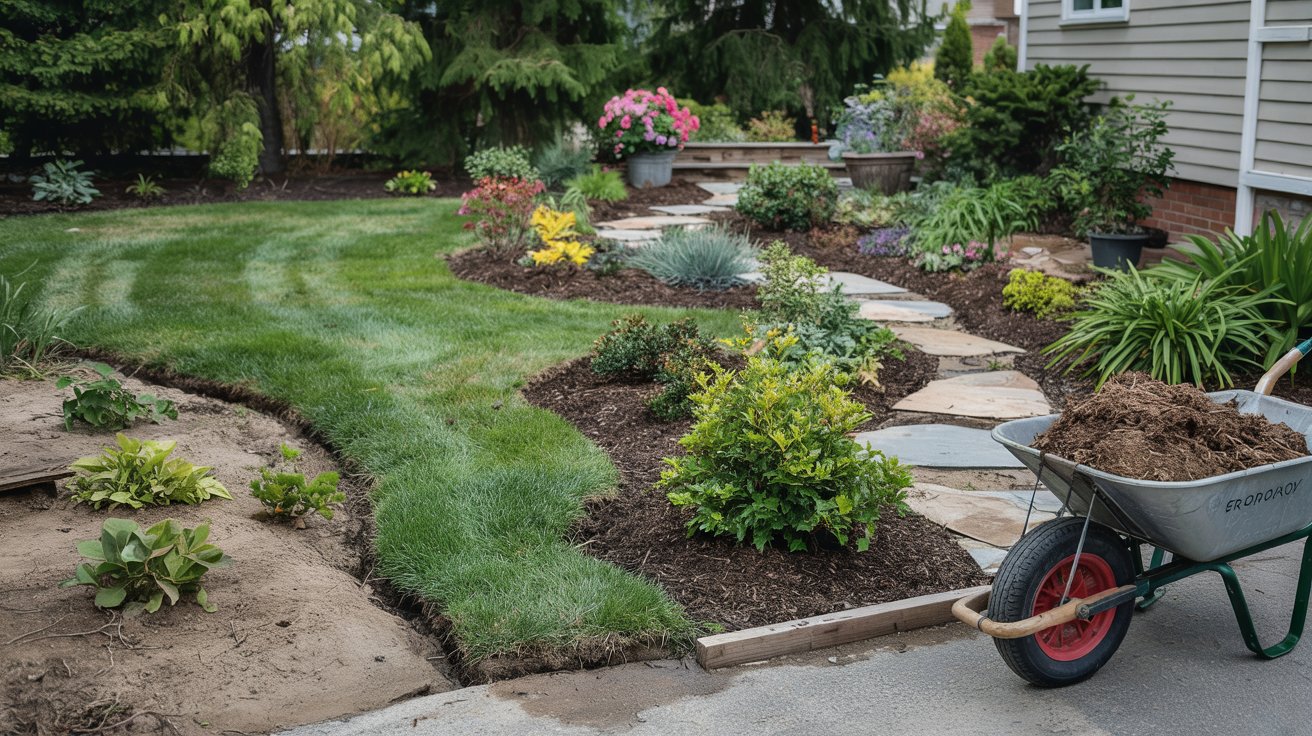
Whether you're planning a simple front-yard refresh or a full backyard overhaul, the prices below let you map your project to a realistic budget tier and walk into any quote conversation prepared.
Landscaping costs range from $4–$12 per square foot for softscape-focused work up to $40+/sq ft for hardscape-heavy projects. Small updates run $1,000–$5,000; full yard renovations reach $10,000–$50,000+.
Three budget tiers — Basic, Mid, and Premium — cover most residential projects.
Three tiers cover the majority of residential landscaping projects. According to HomeAdvisor's cost data, national averages land squarely in the ranges below regardless of region.
Line-by-Line Costs for Common Landscaping Tasks
The single most useful thing you can bring to a contractor meeting is a line-item list with your own reference prices. Use the table below to check every number on a bid - and flag anything that falls well outside the typical range.
Remember it later
Planning to try this recipe soon? Save it for a quick find later!
Prices below reflect installed costs (materials plus labor) unless noted. Regional labor rates and material availability shift these ranges, but the Angi landscaping guide and HomeGuide's cost breakdown both confirm these as reliable national baselines.
| Task | Low | Average | High |
|---|---|---|---|
| Sod installation (per sq ft) | $1.00 | $2.00 | $3.50 |
| Seeding / hydroseeding (per sq ft) | $0.10 | $0.25 | $0.50 |
| Small shrub / perennial install | $25 | $50 | $100 |
| Medium tree install | $150 | $350 | $700 |
| Large/mature tree install | $700 | $1,500 | $3,000+ |
| Mulch (per cu yd installed) | $40 | $65 | $100 |
| Irrigation system (installed) | $1,800 | $3,500 | $5,200 |
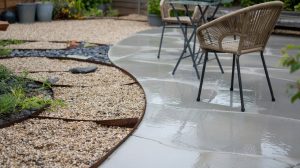
| Paver patio (per sq ft) | $10 | $18 | $30 |
| Retaining wall (per sq ft) | $25 | $45 | $75 |
| Landscape lighting (per fixture) | $100 | $300 | $600 |
| Lighting system (full install) | $1,000 | $2,500 | $5,000+ |
| Grading / resloping | $500 | $1,800 | $5,000 |
| Drainage (French drain, etc.) | $800 | $2,500 | $6,000 |
| Design fee (flat or % of project) | $500 | $2,000 | $5,000 |
| Permits (varies by jurisdiction) | $50 | $400 | $2,000+ |
Knowing retaining wall costs before you hire is critical — material choice (timber vs concrete block vs natural stone) can swing your per-sq-ft cost from $25 to well over $75. Always confirm the material spec in writing before signing a contract.
How the Per-Square-Foot Number Actually Works?
A per-sq-ft price bundles materials, labor, and sometimes equipment - but rarely everything. Softscape-only projects (lawn, planting beds, mulch) run $4-$12/sq ft.
Add hardscape, grading, and specialty work and the same space can cost $15-$40+ per sq ft.
Three factors most often push a project toward the high end: mature plant material (which can cost 5-10× more than 1-gallon starts), extensive grading or drainage corrections, and difficult site access that slows crews down.
A backyard cost estimate built from actual square footage and your specific line items is more accurate than any per-sq-ft rule of thumb alone.
Hidden costs catch most homeowners off guard. Permitting, dump fees, topsoil import, and drainage fixes can add 10-30% to a base estimate - and they're rarely mentioned in a ballpark quote.
The HomeAdvisor landscaping guide flags these exclusions as among the most common sources of budget overruns.
- Ask every contractor for a full line-item bid so you can compare materials and labor separately.
- Confirm in writing whether grading, irrigation, and permits are included in the per-sq-ft price.
- Request a separate line for dump/haul fees - these are often added after the fact.
- Don't accept a single per-sq-ft number as a complete price - it almost never is.
- Don't assume a cheap quote uses the same materials as a higher one; check specs first.
- Don't skip a soil test if you're seeding or sodding - correcting poor soil after install costs more.
Build a Realistic Backyard Budget in 5 Steps
A backyard landscaping plan works best when you build the budget before you design the details. This five-step process turns your yard's square footage and priorities into numbers you can actually hand to a contractor.
Phasing spreads cost over time without sacrificing the end result. For a 1,200 sq ft backyard: Phase 1 (structural grading, drainage, lawn base) ≈ $3k-$6k; Phase 2 (irrigation, paver patio, core planting) ≈ $8k-$18k; Phase 3 (landscape lighting, retaining wall, mature specimen plants) adds $15k+.
Spreading phases over two or three seasons is a common way to hit Premium-tier results on a Mid-tier annual budget.
Long-Term Costs: Water, Maintenance, and the Xeriscaping Math
Installation price is only part of the story. A lush, thirsty lawn costs real money every year in water and upkeep - and those operational costs often exceed the original installation cost within a decade.
Xeriscaping and water-conserving hardscape choices typically raise initial installation costs modestly, but the EPA's Greenscapes resource documents meaningful reductions in both water use and annual maintenance expenses over time.
Oregon State Extension's ecological landscape research confirms that native and xeric plantings substantially cut replacement and irrigation costs compared to conventional turf.
Virginia Tech Extension's water-wise landscape guide notes that phased conversion - replacing turf section by section with drought-tolerant plantings - is one of the most cost-effective approaches for homeowners who can't fund a full redesign upfront.
Replacing 500 sq ft of turf with native groundcover or gravel beds can cut outdoor water use by 30–50% in dry-summer climates. Pair that with drip irrigation and the payback period on the higher install cost is often under five years.

Hiring a Pro vs DIY: When Each Makes Sense
Labor typically runs $50-$100+ per hour depending on region and crew experience - or contractors price the whole job per project or per sq ft. DIY makes financial sense for mulching, planting perennials, small bed edging, and simple sod laying.
Complex grading, drainage corrections, large paver patios, and retaining walls are worth paying for: errors cost more to fix than the labor saved.
Landscape architects and designers charge $100-$250/hour or 5-20% of total project cost. For projects above $25,000 or with significant drainage or structural elements, a professional design fee often pays for itself in avoided mistakes.
When comparing patio vs deck options, a designer can also identify which hardscape choice adds the most value for your specific lot.
- Ask every contractor for proof of license, liability insurance, and worker's comp before signing anything.
- Request a line-item bid and clarify who pays for permits and dump fees upfront.
- Ask about their change-order policy - cost overruns without a clear process are a red flag.
- Don't supply your own plants unless you've confirmed the contractor will warranty them - most won't.
- Don't let a contractor pull permits in your name without verifying the scope matches local codes.
Material allowances in contracts can shift costs significantly. If a bid says "allowance: $800 for pavers," that's a placeholder — actual paver walkway material costs can run two to three times that depending on stone type. Lock in the actual material spec before you sign.
Saving Money: Rebates, Phasing, and Smart Substitutions
The fastest way to cut upfront cost is to phase the project and choose smaller plant sizes - a 1-gallon shrub costs $8-$15; the same species in a 5-gallon container runs $35-$60.
Buying in bulk from a local nursery (10+ plants of one species) often unlocks a 10-20% discount, and reusing existing edging, boulders, or pavers from demo work adds up fast.
Many municipal water agencies offer cash-for-grass or turf-replacement rebates - the LA DWP turf rebate program is a well-known example of per-sq-ft incentives that can meaningfully offset xeriscape installation costs. Check your local utility before budgeting.
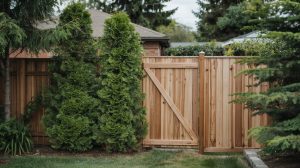
Rebate amounts vary widely by region and water district. Some programs pay $1–$3 per sq ft of turf removed; others offer flat incentives for drip irrigation upgrades. Also compare financing options: home equity loans often carry lower rates than personal loans for projects above $10,000, but factor in closing costs before deciding. You can also estimate patio costs and fence costs separately to keep each phase of financing manageable.
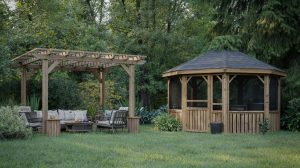
Landscape outdoor lighting systems and pergola additions are also strong candidates for phasing - a DIY pergola build can save $2,000-$5,000 in labor on a structure that would otherwise sit in a Premium-tier budget.
Frequently Asked Questions
Softscape-focused projects run $4–$12 per sq ft installed. Adding hardscape, grading, or irrigation pushes that to $15–$40+ per sq ft on the same area.
Installed paver patios typically cost $10–$30 per sq ft. Concrete pavers sit at the low end; natural stone or complex patterns with thick base prep hit the high end.
Yes. Installation costs more than conventional turf, but water and maintenance savings — often 30–50% lower annual costs — typically recover the difference within five years in dry climates.
Permits are generally required when altering grade, building retaining walls over 3–4 feet, adding large patios, or impacting drainage. Check your local building department before starting.
Small yards with basic mowing and cleanup run $300–$1,200 per year. Larger or high-maintenance landscapes with regular pruning, fertilizing, and irrigation service can reach $1,200–$5,000+ annually.
Pin it for your next how much does landscaping cost? project.