Most homeowners get their first retaining wall quote and immediately wonder why it's double what they expected. The surprise usually comes from four add-ons that rarely appear in headline pricing: drainage, footings, permits, and engineering.
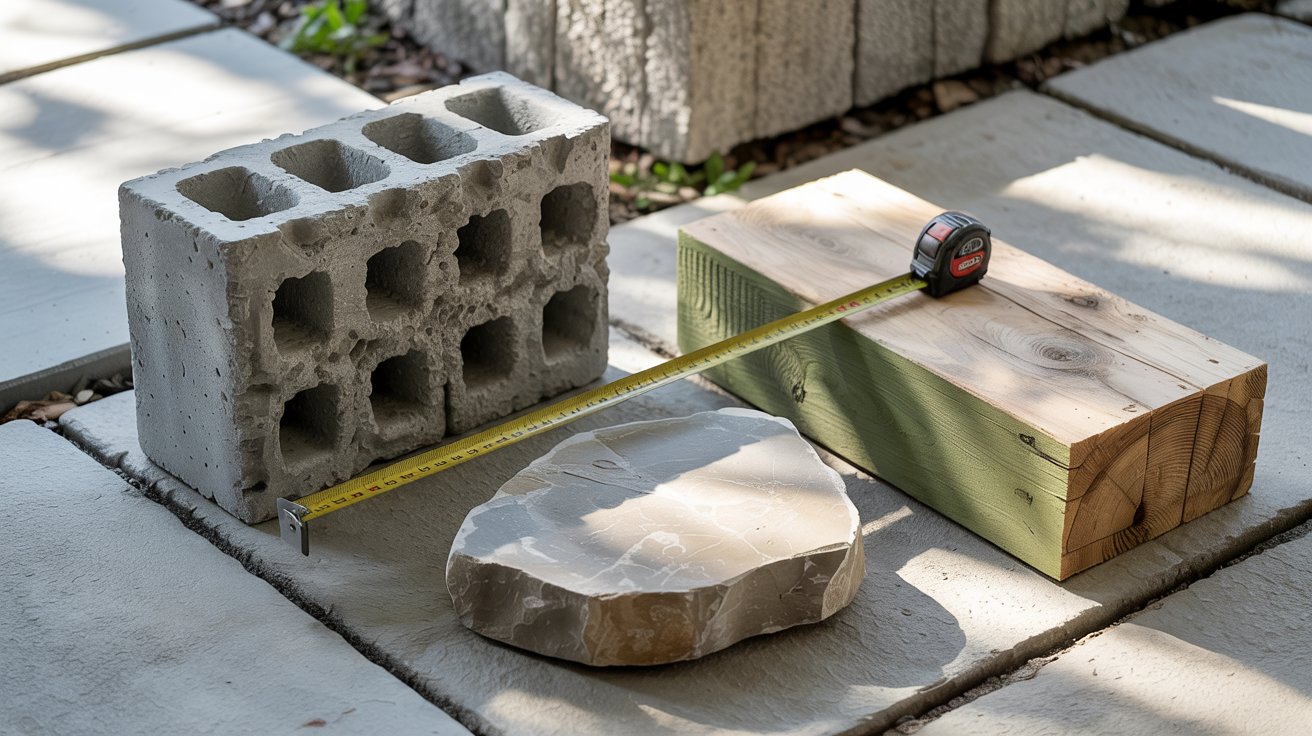
This guide gives you real installed-cost ranges by material, a step-by-step estimation method, and a clear picture of what actually drives the price - so your budget holds up when bids arrive.
Retaining wall costs run $40 to $360 per linear foot installed, depending on material, height, and site conditions. Simple segmental block walls cost far less than engineered poured concrete.
Always budget for drainage, backfill, and permits before requesting quotes.
Quick Answer: How Much Will Your Retaining Wall Cost?
The national average for an installed retaining wall lands between $40 and $360 per linear foot, with most residential projects falling in the $60-$150 range. On a per-square-foot basis (measured on the exposed face), expect $15 to $60 depending on material and complexity.
Remember it later
Planning to try this recipe soon? Save it for a quick find later!
Those ranges assume a standard residential wall at 2-3 feet tall for the low end and a fully engineered 4-6 foot wall for the high end. Add drainage, decorative cap, and permit fees on top of any installed base price.
Regional labor markets shift these numbers meaningfully. Coastal metro areas like Los Angeles or New York can push totals 25-50% above the national average, while rural Midwest projects often come in 10-15% below.
The three add-ons that most commonly blow budgets are drainage pipe and gravel (add $2-$30 per linear foot), excavation and haul-off, and engineering or permit fees. According to the Purdue Extension, site preparation alone can represent 15-25% of total project cost on sloped lots.
| Wall Height | Complexity | Typical Range (installed) |
|---|---|---|
| 2–3 ft | Simple, no engineer | $40–$100 per linear foot |
| 4–5 ft | Engineered, drainage | $100–$220 per linear foot |
| 6 ft+ | Fully engineered, permit | $220–$360+ per linear foot |
These ranges cover installed cost only. Landscape restoration, decorative cap stones, and stucco veneer are almost always billed separately and can add $5–$25 per linear foot.
Cost Breakdown by Material
Choosing the right material means balancing upfront cost against lifespan, maintenance, and the visual result you want. Each option has a distinct installed-cost window that shifts based on wall height, site access, and finish level.
The table below gives you a fast side-by-side comparison. Notes in the final column flag the most common extras that inflate the base price on real projects - these are the line items contractors sometimes omit from initial quotes.
| Material | $/Linear Ft | $/Sq Ft (face) | Typical Height | Notes |
|---|---|---|---|---|
| Segmental Block | $40–$120 | $15–$40 | Up to 4 ft DIY; 6 ft+ w/ geogrid | Geogrid, cap, drainage |
| Poured Concrete | $80–$360 | $24–$58 | 3–8 ft | Rebar, formwork, footing |
| Natural Stone | $120–$360+ | $35–$120 | 2–5 ft typical | Labor-intensive; dry-stack vs mortared |
| Timber / Railroad Ties | $30–$90 | $14–$37 | 2–4 ft | Deadman anchors, drainage |
| Gabion | $25–$120 | $13–$70 | 2–6 ft | Rock fill, wire cage, drainage |
Segmental concrete block (brands like Allan Block or Versa-Lok) is the most widely installed residential option. At $40-$120 per linear foot and $15-$40 per square foot, it balances cost, durability, and DIY-friendliness.
Walls taller than 4 feet typically require geogrid reinforcement woven into the backfill, which adds $1-$3 per square foot to materials.
Poured concrete runs $80-$360 per linear foot because it demands formwork, rebar, and a continuous footing. It's the strongest option for tall or load-bearing walls but almost always requires engineering and a permit.
You can learn more about pricing poured concrete for related backyard projects.
Natural stone is the premium tier. Dry-stack fieldstone starts around $120 per linear foot, while mortared cut-stone walls can exceed $360 per linear foot in high-labor markets.
The payoff is longevity - a well-built stone wall can last 50+ years with minimal maintenance.
- Timber / Railroad Ties: The lowest entry cost at $30-$90 per linear foot, but lifespan is limited to 10-25 years depending on pressure treatment and moisture exposure. Deadman anchors buried into the slope are required for walls over 2 feet.
- Gabion walls: Wire cages filled with rock or rubble run $25-$120 per linear foot. They drain naturally, which reduces drainage add-on costs, and suit rustic or industrial aesthetics well.
- Boulder / large rock: Placed by excavator, boulder walls run $150-$400+ per linear foot. Machinery access is essential, which limits where this option works.
Three common project sizes show how these numbers translate to real budgets. A 20 lf × 3 ft segmental block wall runs roughly $1,200-$2,400 installed.
A 40 lf × 4 ft block wall with drainage lands around $3,200-$5,600. An 80 lf × 3 ft timber wall costs approximately $2,400-$7,200, with the wide range driven by site access and soil conditions.
When comparing block vs. poured concrete bids, ask each contractor to include drainage and backfill in the quote. Block bids often omit these; concrete bids sometimes bundle them. Apples-to-apples comparison is only possible if both quotes cover the same scope.

Main Cost Drivers: What Makes the Price Jump
Two walls of the same length and material can differ by thousands of dollars based on site-specific factors. Understanding these drivers lets you flag the variables before contractors quote - and prevents budget surprises mid-project.
Wall height is the single biggest lever. Moving from a 3-foot wall to a 4-foot wall often crosses the engineering and permit threshold, which alone adds $500-$3,000 to a project.
Many municipalities require a licensed engineer's stamp and a building permit for any wall over 3-4 feet in height - check your local building department for the exact trigger in your area.
- Drainage and backfill: Simple perforated pipe with gravel adds $2-$5 per linear foot. Complex drainage systems with French drains or multiple outlet points can reach $10-$30 per linear foot. Skipping drainage is the fastest path to wall failure.
- Soil and ground conditions: Rocky soil, high clay content, or unstable fill all require more excavation time and sometimes soil testing. Expect a 15-25% labor premium on difficult ground.
- Access and slope: A wall at the end of a narrow side yard with no equipment access can add 10-50% to labor costs because materials must be hand-carried and machinery can't assist with excavation or backfill.
- Footings and engineering: Engineered footings on a 4-6 ft wall typically add $15-$40 per linear foot to the base price, before the engineering fee itself.
- Utilities and demolition: Cutting through an existing concrete pad or working around buried utilities adds $500-$2,000 depending on scope. Always call 811 before any excavation.
You can check what landscaping costs overall to see how a retaining wall fits into a broader site budget. Finish choices like stucco, veneer stone, or a decorative cap add another $5-$25 per linear foot on top of structural costs.
In most U.S. jurisdictions, walls over 3–4 feet require a permit and often a stamped engineering plan. Building without one can result in fines, a demolition order, or complications when selling your home. Verify the height threshold with your local building department before starting.
How to Estimate Your Project?
You don't need a contractor to get a realistic ballpark. A five-step process using the per-foot ranges in this guide will get you within 15-20% of real bids - close enough to set a budget and spot outliers when quotes arrive.
Here's a worked example: a 40 linear foot, 4-foot-tall segmental block wall with drainage and engineered footings. Base cost at $60 per linear foot = $2,400.
Add drainage at $10 per foot = $400. Add engineering and permit = $1,200.
Total: approximately $4,000. In a high-cost metro, apply the +25% regional multiplier for a revised estimate of $5,000.

Regional and Site-Specific Adjustments
National averages are a starting point, not a final number. Where you build matters nearly as much as what you build.
Labor rates, material freight costs, local code requirements, and climate-driven footing depths all push your real cost above or below the baseline.
Frost-line depth is a significant driver in northern states. A wall in Minnesota may need footings 42-48 inches below grade to prevent frost heave, while the same wall in Georgia requires only 12 inches.
That difference alone can add $20-$50 per linear foot. Seismic zones in the Pacific Northwest and California require additional reinforcement and engineering review, which is reflected in the high-cost multipliers below.
| Region / Market | Multiplier | Typical Premium / Discount |
|---|---|---|
| Rural Midwest / Southeast | 0.85 | −10% to −15% vs national avg |
| National Average (baseline) | 1.0 | — |
| Coastal CA / NYC Metro | 1.25–1.50 | +25% to +50% vs national avg |
Permit and engineering fees are especially variable. A straightforward 4-foot block wall permit in a mid-size Midwest city might cost $150-$300.
The same wall in San Francisco can trigger a structural review with fees of $2,000-$5,000. Always call your local building department for the current fee schedule before finalizing a budget.
If you're budgeting other outdoor improvements alongside a wall, the total backyard project cost tool can help you prioritize spending.
Tradeoffs and Pros and Cons by Material
Cost alone shouldn't decide your material. A cheap timber wall that needs replacing in 12 years often costs more over a 30-year period than a block wall installed correctly the first time.
Match the material to how long you need it to last and how much maintenance you're willing to do.
For building a retaining wall on a gentle slope under 3 feet, segmental block or timber both work well. For garden terracing where looks matter, natural stone earns its premium.
For tall, load-bearing walls near structures, poured concrete is the only sensible choice.
- Lifespan of 30–50 years with proper drainage and geogrid reinforcement.
- Widest range of styles and colors; blends with most landscapes.
- DIY-friendly for walls under 4 feet, reducing labor cost significantly.
- Lowest installed cost at $30–$90 per linear foot — hard to beat for tight budgets.
- Fast installation compared to block or stone; less site disruption.
- Easy to source and replace individual timbers if damage occurs.
- Best for slope under 3 ft: Segmental block gives you longevity and DIY potential at a manageable price.
- Best for garden terraces: Natural stone or dry-stack fieldstone delivers the highest visual return and outlasts every other option.
- Best for high, engineered walls: Poured concrete is the only material that reliably handles 6+ feet of retained soil near structures.
Saving Strategies and Where to Cut Costs Safely
There's real money to be saved on a retaining wall project - but only in the right places. Cutting corners on drainage or compaction will cost far more in repairs than the original savings.
Focus reductions on scope, material tier, and competitive bidding.
- Reduce wall height by terracing: Breaking one 4-foot wall into two 2-foot stepped walls can eliminate the engineering threshold entirely. Dropping 12 inches of height cuts costs by 5-15% through simpler footings and no permit.
- Choose segmental block over stone or concrete: On a like-for-like basis, block consistently comes in 30-50% cheaper than natural stone and 20-40% cheaper than poured concrete for walls under 5 feet.
- Handle demo and prep yourself: Clearing vegetation, removing old edging, or breaking up a small concrete pad yourself can save $300-$1,000 in contractor labor.
- Reuse onsite rock: If you have fieldstone or boulders on your property, a contractor can often incorporate them into a gabion or dry-stack design at no material cost.
- Get three competitive bids: Comparing three bids typically saves 5-15% versus accepting the first quote. Use the same written scope for all three so comparisons are valid. You might also look at fence installation pricing if you're combining boundary work with your wall project.
Phasing a large project - building 40 feet now and 40 feet next season - spreads cost without compromising the structural integrity of each completed section.
Never cut drainage, backfill compaction, or footing depth to save money. These are the three elements that determine whether your wall stands for 30 years or fails in the first hard rain. Every other line item is negotiable; these are not.
Getting Quotes, Permits, and What to Ask Contractors
A well-prepared homeowner gets better bids. Contractors quote more accurately - and often more competitively - when you hand them complete information upfront rather than making them guess at site conditions or project scope.
Send the same written request to at least three contractors. Include your site photos, measured dimensions, preferred material, and a target completion window.
Ask each contractor to itemize drainage, backfill, footings, and permits as separate line items so you can compare apples to apples. A reasonable deposit is 10-30% of contract value; anything higher is a red flag.
Expect a workmanship warranty of 1-5 years; material warranties vary by manufacturer. For context on how contractor pricing works across other backyard projects, see patio installation costs and pergola pricing details.
Three red flags that should stop the process: a contractor who can't provide two or more references from similar projects, any bid delivered verbally with no written scope, and pressure to pay more than 30% upfront before work begins. Also check whether your slope and drainage situation will need additional grading work that should be quoted alongside the wall.
If you're planning a larger outdoor renovation, comparing a patio vs. deck decision alongside your wall budget can help prioritize where to spend.
A contractor who pushes back on itemized quotes or refuses to pull permits is signaling either inexperience or an intent to cut corners. Both outcomes cost you money.
Also consider checking whether building DIY structures alongside your wall makes sense as a cost-saving companion project on the same permit application.

Frequently Asked Questions
A 4-foot wall typically runs $80–$180 per linear foot installed, because this height usually triggers engineering requirements and drainage systems that a shorter wall avoids.
Yes — segmental block runs $40–$120 per linear foot versus $80–$360 for poured concrete. Block is also DIY-friendly for walls under 4 feet, which cuts labor cost further.
Most U.S. jurisdictions require a permit for walls over 3–4 feet. Some areas trigger the requirement at 2 feet if the wall is near a property line or structure.
Simple perforated pipe and gravel adds $2–$5 per linear foot. Complex drainage systems with multiple outlets or French drains can add $10–$30 per linear foot to the total.