Metal raised beds have earned their place in serious gardens - and in 2026, choosing between aluminum and steel comes down to more than just price.
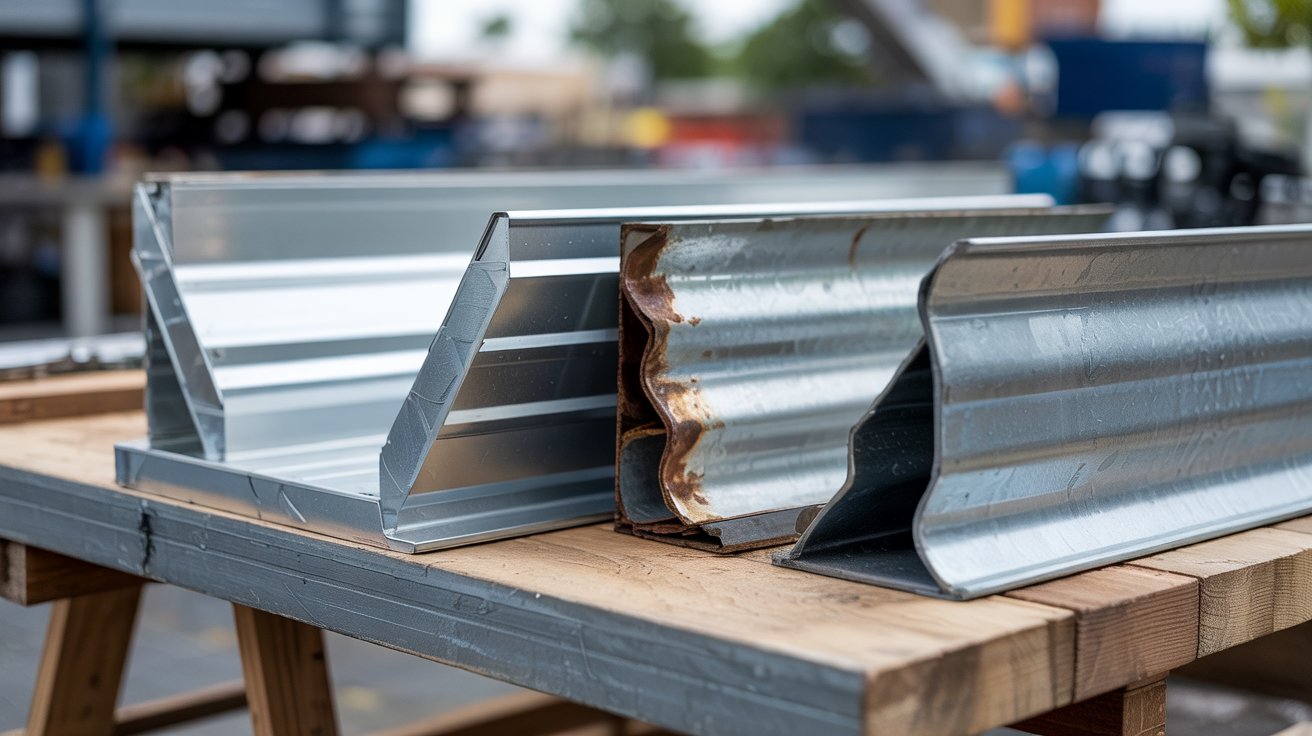
Both materials outlast wood in most climates. But aluminum and steel behave differently under sun, rain, and heavy soil loads, and the coating on a steel bed can matter as much as the base metal itself.
If you're comparing metal vs wood raised bed options and landing on metal, the next question is which metal - and that's where most buyers stall.
This comparison focuses on the real factors: weight, corrosion resistance, heat behavior, and total cost. We also put two leading brands - Birdies and VegO - in context, since both use multi-metal coatings that change the steel story considerably.
Aluminum wins on weight and corrosion resistance; coated steel (Aluzinc, zinc/aluminum/magnesium) wins on structural rigidity and value. For coastal or high-moisture gardens, aluminum has a natural edge.
For large, deep beds where stiffness matters, quality coated steel beds like Birdies or VegO are hard to beat.
Materials Snapshot
Aluminum and steel are both valid raised-bed materials. University extensions - including Illinois Extension's bed guide - confirm that metal is an established alternative to wood, brick, and block for raised-bed frames.
Remember it later
Planning to try this recipe soon? Save it for a quick find later!
The difference between a basic galvanized steel bed and a premium coated steel bed is significant. Aluzinc coatings combine zinc, aluminum, and magnesium to deliver corrosion resistance well beyond standard galvanized steel - a claim VegO makes central to its product positioning.
Birdies takes a similar approach, using zinc, aluminum, and magnesium-coated steel as its core frame material, with long-term outdoor performance as the headline benefit. Both brands have moved well past the plain galvanized sheet steel that gave early metal beds a mixed reputation.
| Feature | Aluminum | Steel (Aluzinc / Multi-Metal Coated) |
|---|---|---|
| Base material | Aluminum alloy | Steel with Zn-Al-Mg coating |
| Weight | Very light | Moderate to heavy |
| Corrosion resistance | Naturally rust-free | High (coating-dependent) |
| Structural rigidity | Moderate | High |
| Typical coating | Anodized or bare alloy | Aluzinc, zinc/aluminum/magnesium |
| Food safety | Generally accepted | Marketed as food-safe by major brands |
| Representative brands | Various generic/specialty | Birdies, VegO |
For gardeners choosing top-rated raised garden beds, coating quality is the single biggest variable in long-term steel bed performance.
Performance and Durability
Aluminum's biggest real-world advantage is that it cannot rust. No coating required, no maintenance schedule, no watching for chips or scratches in the finish.
In coastal areas, high-humidity climates, or gardens that stay wet, that matters enormously.
Steel's advantage is rigidity. A tall, wide steel bed holds its shape under soil pressure better than most aluminum panels of equivalent thickness.
That's why steel dominates the large-format, deep-bed segment - 24-inch and 30-inch tall beds need structural stiffness that thin aluminum struggles to provide.
Heat behavior is worth addressing directly. Dark metal beds absorb more solar heat than light-colored ones, warming soil earlier in spring - useful in cool climates, but potentially stressful for roots in hot summers.
Both aluminum and steel share this trait, though lighter aluminum panels tend to reflect more heat than darker powder-coated steel.
OSU and Illinois extensions both note that metal frames are viable for raised beds, with frame height and drainage being the key practical considerations rather than material choice alone.
Raised beds vs in-ground gardens come down to drainage and soil control - metal frames simply handle both very well.
Scratches or cut edges on coated steel can expose raw metal to moisture. Seal any cut edges with a rust-inhibiting paint or touch-up coating before filling and planting.
For growing carrots in raised beds, depth matters more than material - but a rigid steel frame holds deep soil better than thin aluminum panels under sustained load.
Cost and Value
Metal raised beds cost more upfront than basic wood. A mid-size metal kit typically runs $100-$400+, depending on dimensions, coating quality, and brand.
Premium coated steel beds from Birdies or VegO sit at the higher end, but that cost reflects multi-metal coatings and hardware built for multi-decade use.
For a full breakdown, our raised bed pricing guide covers material and fill costs by size. Soil fill is often the largest single cost in any raised bed project - frame material is just the starting point.
Illinois and OSU extensions both emphasize that frame dimensions - height especially - affect total soil volume and therefore total project cost. A 12-inch deep bed uses roughly twice the soil of a 6-inch bed at the same footprint.
Choosing the right height before buying matters as much as choosing the right metal. You can also compare raised beds vs container gardening if a smaller-scale setup fits your space better.
When choosing the right raised bed soil, budget at least as much as the bed frame itself - that's where plant performance is actually won or lost.
Brand Context: Birdies vs VegO
Both Birdies and VegO have built their reputations on coating technology, not just raw steel. Birdies garden beds use a zinc, aluminum, and magnesium-coated steel engineered for long outdoor life, with hardware designed to match.
VegO's Aluzinc steel specifically targets marine and high-humidity environments, claiming substantially higher corrosion resistance than standard galvanized steel.
Birdies has broader availability in North America and Australia, with replacement parts easier to source. VegO's Aluzinc positioning makes it worth considering if you're gardening near the coast or in a persistently wet climate.
Check both brands for warranty terms before buying. Birdies and VegO each back their coatings, but coverage periods and conditions vary by market. Confirm parts availability in your region if you plan to expand the bed system later.
For readers still deciding between wood and metal entirely, our guide on cedar vs pressure-treated beds covers the wood side in detail. And for a broader look at the metal question, we compare both angles in the full metal vs wood raised bed breakdown.
If you want to see how these stack up across all types, browse our list of best vegetables for raised beds to match your crop selection to your bed choice. For composting and soil amendment planning, starting with the right organic matter saves money on amendments long-term.
Frequently Asked Questions
Aluminum lasts indefinitely with no rust risk. Coated steel (Aluzinc or zinc/aluminum/magnesium) can match that lifespan, but only if the coating stays intact throughout its use.
Yes. Aluminum does not leach at levels harmful to vegetables or humans under normal garden soil conditions, and university extensions list it as an acceptable raised-bed material.
Choose Birdies for parts availability and proven North American support. Choose VegO if you're in a coastal or high-humidity climate where Aluzinc's marine-grade coating is a specific advantage.
Dark metal panels can raise soil temps by several degrees in direct sun. Mulching the soil surface and choosing lighter powder-coat colors both reduce heat buildup significantly.
Yes. Aluzinc (Zn-Al-Mg) coatings outperform plain galvanized zinc in corrosion resistance, particularly at cut edges and in wet conditions, making them a meaningful upgrade for long-term use.
Pin it for your next aluminum vs steel raised bed project.