Annual flowers do something no perennial border can match: they give you a completely fresh palette every single season, with no waiting for plants to bulk up over years.
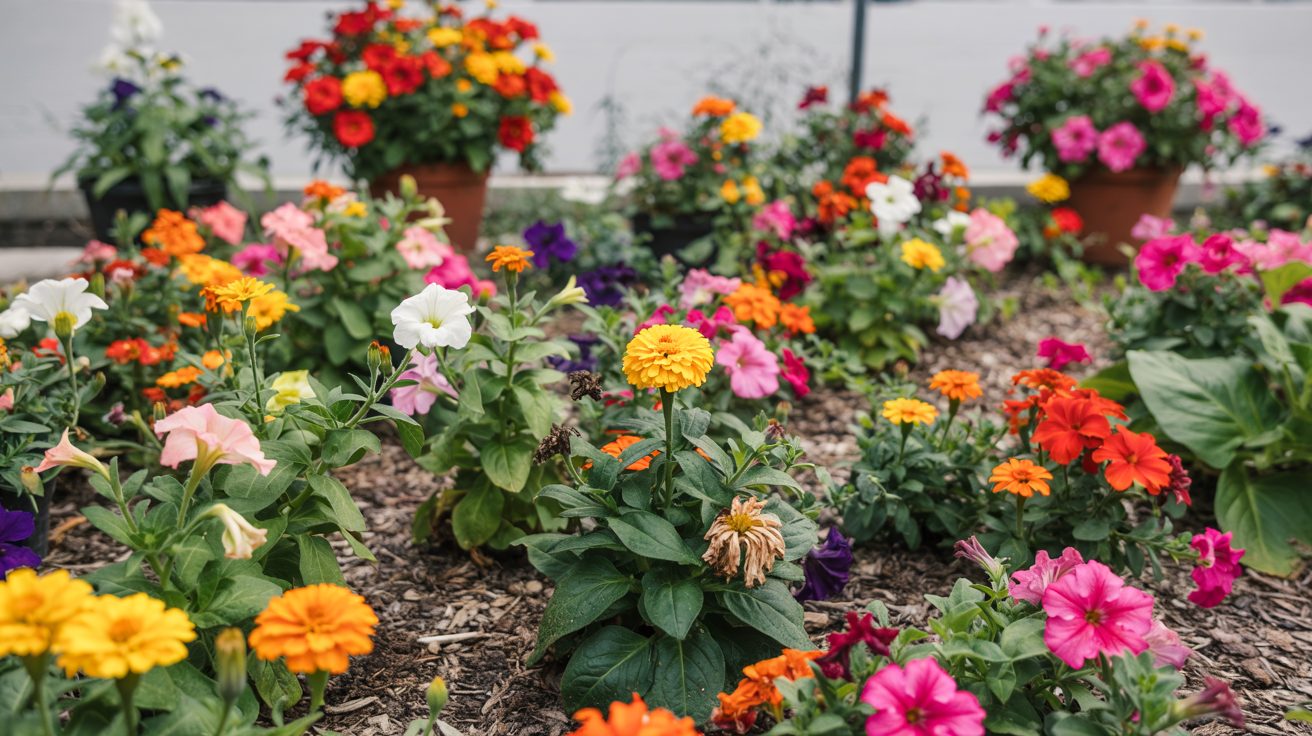
Plant them in spring, fill every container, bed, and hanging basket with color, then start over next year if you want something completely different.
The best annual flowers combine reliable bloom time, clear sun and spacing requirements, and strong performance in beds or containers. Whether you need a sun-drenched border, a shaded patio pot, or cut flowers with real vase life, there's a specific cultivar built for the job.
Before You Plant: How to Read Annual Flower Labels
Most annuals are labeled by their hardiness zone as a perennial, not as a seasonal annual. A plant listed as Zone 10-11 simply means it survives winters there - everywhere colder, you grow it for one season and replace it.
Remember it later
Planning to try this recipe soon? Save it for a quick find later!
That's expected, not a flaw.
When buying transplants or seeds, check three things on the label before anything else.
- Days to bloom: Transplants usually flower 4-12 weeks after planting. Seeds take longer - factor that into your timing.
- Spacing: Crowded annuals get leggy and diseased fast. The number on the tag is a minimum, not a suggestion.
- Sun requirement: "Full sun" means 6+ hours of direct sun daily. "Partial shade" means 3-5 hours. Getting this wrong kills plants faster than any pest.
Buy transplants for short-season annuals like snapdragons and impatiens. Direct-sow fast germinators like zinnias and portulaca — they resent transplanting and germinate in 7–10 days anyway.
Full Sun Annuals for Beds and Borders
Full-sun beds are where most annuals shine hardest. These six cultivars all need 6+ hours of direct sun and reward that exposure with continuous, heavy bloom.
Knowing how to space sun lovers correctly makes the difference between a dense planting and a weedy mess.
Petunia 'Wave Purple'
Zone 9–11 / Annual Easy
Few spreading annuals cover ground as reliably as 'Wave Purple.' A single plant fills 2-3 square feet and starts blooming 6-10 weeks after transplant, continuing until hard frost.
- Spread: 24-36 inches, so plant 18 inches apart minimum to avoid overcrowding.
- Coastal use: Tolerates light salt spray - a rare trait that makes it useful in coastal yards.
- Height: Only 6-10 inches tall, ideal for the front of borders or cascading over container edges.
Marigold 'Durango Mixed'
Zone 4–10 Easy
Tagetes erecta 'Durango Mixed' is compact enough at 10-14 inches that heavy summer rain won't flatten it, unlike taller marigold types. It flowers 6-8 weeks from transplant and works as a pest-repellent companion planted 12 inches from tomatoes.
- Rain resistance: Tighter bloom structure holds up in summer storms better than open-faced cultivars.
- Pest control: Root secretions deter nematodes; plant in vegetable beds for a dual purpose.
Zinnia 'State Fair Mix'
Zone 3–10 Easy
Zinnia elegans 'State Fair Mix' is the cut-flower workhorse of the annual bed, producing 4-inch blooms on stems tall enough to cut at 18-36 inches. Direct-sow it where it's to grow - seeds germinate in 7-10 days and plants dislike root disturbance.
For more detail on timing and deadheading, the full zinnia guide covers succession sowing.
- Vase life: 7-10 days per stem, which makes it genuinely useful as a cut flower.
- Spacing: Plant 12 inches apart for air circulation - zinnias get powdery mildew fast when crowded.
- Germination: Direct-sow after last frost; do not cover seeds more than ¼ inch deep.
Celosia 'Flamingo Feather'
Zone 9–11 / Annual Medium
Plume celosia handles heat and humidity better than most annuals. The feathery plumes on 'Flamingo Feather' hold their color for 6-8 weeks because the plant is slow to set seed, which delays the natural decline cycle.
- Soil requirement: Well-drained soil is non-negotiable - waterlogged roots cause rapid crown rot.
- Height range: 12-24 inches depending on fertility; richer soil pushes taller growth.
- Dried use: Plumes dry well upright in a vase, holding shape and color for winter arrangements.
Salvia 'Victoria Blue'
Zone 4–10 Easy
Annual salvia gives you vertical structure in a sun bed that mounding annuals can't provide. 'Victoria Blue' sends up 18-30 inch spikes that pollinators - especially bumblebees - work continuously. Once established, it handles dry spells without irrigation for 2-3 weeks.
Salvia also fits naturally into pollinator-focused plantings alongside native perennials.
- Bloom timing: Flowers appear 8-12 weeks after transplant and continue until frost.
- Drought window: Tolerates short dry periods once roots are established at 4-6 weeks after planting.
Portulaca 'Sundial Mix'
Zone 10–11 / Annual Easy
The only annual here that actively prefers poor, dry soil. 'Sundial Mix' moss rose reaches just 2-6 inches, making it useful for rock gardens, sandy slopes, and the front edges of containers that dry out fast.
One honest limitation: flowers close on overcast days, so it underperforms in cloudy climates.
- Water: Water once or twice a week during establishment; almost none needed after 3 weeks.
- Soil fertility: Low-nutrient soil keeps plants compact and blooming; rich soil produces foliage over flowers.
Portulaca and celosia both fail fast in heavy clay that holds water. If your soil stays wet 24+ hours after rain, either amend it with coarse grit or plant them in raised containers instead.
Shade and Part-Shade Annuals
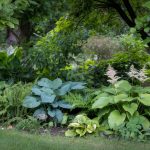
Shaded spots don't have to mean bare soil or ferns only. These three cultivars bloom dependably with 3-5 hours of sun or bright indirect light - and two of them work equally well in deep shade.
Impatiens 'Super Elfin Red'
Zone 10–11 / Annual Easy
Standard impatiens earned a bad reputation from the impatiens downy mildew outbreak of the early 2010s. 'Super Elfin Red' is among the newer cultivars with improved resistance - less susceptible than older varieties, though not fully immune.
For keeping it blooming all season, light grooming every few weeks removes spent flowers and encourages new bud sets.
- Container density: 2-3 plants per 8-inch pot gives a full, mounded look by week 4.
- Shade depth: Handles deep shade reliably - one of the few annuals that performs under dense tree canopy.
Begonia 'Dragon Wing Red'
Zone 9–11 / Annual Easy
'Dragon Wing Red' is a wax begonia type with noticeably larger, glossier leaves than standard bedding begonias - the foliage looks good even between flush cycles.
It produces continuous red clusters in partial to full shade and resists powdery mildew when plants have room to breathe.
- Spacing: Space 12-15 inches apart for adequate air circulation.
- Height: 12-18 inches, so it works as a mid-level shade plant behind low-growing impatiens.
- Overwintering: In Zones 9-11, treat as a perennial; elsewhere, take cuttings in fall to overwinter indoors.
Snapdragon 'Rocket Mix'
Zone 7–10 Cool-Season Medium
Antirrhinum majus 'Rocket Mix' is a cool-season annual - plant it in early spring or late summer, and it flowers before summer heat sets in. Space plants 12-18 inches apart and pinch the growing tip once to force branching.
Unlike the other shade entries, snapdragons prefer full sun but tolerate partial shade in warmer zones where afternoon shade reduces heat stress.
- Season: Peak performance below 75°F; plants decline in midsummer heat but may rebloom in fall.
- Vertical interest: 12-36 inch spikes anchor small beds and add height structure that low-mounding annuals can't provide.
In Zones 8–10, snapdragons often overwinter and behave like short-lived perennials. In Zone 7 and colder, treat them as disposable cool-season annuals and pull them when daytime temps consistently exceed 80°F.
Trailing Annuals for Containers and Hanging Baskets
Trailing annuals are what transform a plain container into something that looks intentional. They need a container deep enough for good root development - at least 8 inches - and consistent feeding because pot soil depletes fast.
Calibrachoa 'Million Bells'
Zone 10–11 / Annual Easy
Calibrachoa produces dozens of small petunia-like flowers on trailing stems that reach 18-36 inches. It blooms 4-6 weeks after transplant and keeps going until hard frost - but it demands feeding.
Skip fertilizer for two weeks and flower count drops noticeably.
- Feeding schedule: Weekly liquid fertilizer at half strength outperforms monthly slow-release in container trials.
- Light flexibility: Handles partial shade but produces denser flower coverage in full sun.
- Use case: Best in hanging baskets or tall containers where stems can trail freely rather than pile up.
Nicotiana 'Alba'
Zone 8–11 / Annual Medium
Nicotiana 'Alba' is one of the few annuals that earns its place in a garden based on scent alone - the white tubular flowers open in the evening and release a jasmine-like fragrance that carries 10-15 feet. For a broader comparison of night-scented flowers worth growing, it consistently ranks near the top.
One honest drawback: the leaves are sticky and trap debris, so don't plant it where it brushes against seating.
- Height: 24-48 inches - use it at the back of a container grouping or mid-border.
- Self-seeding: Drops seed freely where soil is disturbed; useful in informal beds, annoying in tidy borders.
Nicotiana 'Alba' is distinct from the ornamental tobacco hybrid sometimes mislabeled as 'Snap Pea Flower' or Nicotiana × sanderae in nursery catalogs. If you see inconsistent spacing recommendations on the label, ask the nursery to confirm the exact cultivar before buying.

Annual Flower Comparison: Quick Reference
Use this table to compare the key specs across all twelve cultivars at a glance. The "Best Use" column reflects where each plant reliably outperforms alternatives - not just where it can survive.
| Cultivar | Height | Sun | Bloom After Transplant | Best Use |
|---|---|---|---|---|
| Petunia 'Wave Purple' | 6–10 in | Full sun | 6–10 weeks | Ground cover / border edge |
| Marigold 'Durango Mixed' | 10–14 in | Full sun | 6–8 weeks | Vegetable garden companion |
| Zinnia 'State Fair Mix' | 18–36 in | Full sun | 7–10 days (seed) | Cut flower beds |
| Impatiens 'Super Elfin Red' | 8–12 in | Full shade | Varies by transplant size | Deep shade containers |
| Celosia 'Flamingo Feather' | 12–24 in | Full sun | 6–8 weeks | Hot, humid beds |
| Calibrachoa 'Million Bells' | 6–10 in | Full to partial sun | 4–6 weeks | Hanging baskets |
| Begonia 'Dragon Wing Red' | 12–18 in | Partial to full shade | Continuous from transplant | Shade borders |
| Salvia 'Victoria Blue' | 18–30 in | Full sun | 8–12 weeks | Pollinator beds |
| Snapdragon 'Rocket Mix' | 12–36 in | Full to partial sun | Cool-season only | Spring/fall structure |
| Nicotiana 'Alba' | 24–48 in | Full to partial sun | Self-seeds freely | Evening fragrance |
| Portulaca 'Sundial Mix' | 2–6 in | Full sun | Fast from seed | Dry, poor-soil spots |
Deadheading and Mid-Season Care
Most annuals on this list bloom longer if you remove spent flowers before they set seed. The plant's goal is reproduction - once seeds form, flower production slows significantly.
Deadheading petunias every 10-14 days, for example, can extend bloom by 4-6 additional weeks compared to neglected plants.
Not every annual needs the same treatment. Knowing which flowers need deadheading versus which self-clean saves a lot of unnecessary work.
- Self-cleaning (no deadheading needed): Calibrachoa 'Million Bells', Impatiens 'Super Elfin Red', Begonia 'Dragon Wing Red'
- Benefits from deadheading: Petunia 'Wave Purple', Zinnia 'State Fair Mix', Salvia 'Victoria Blue', Snapdragon 'Rocket Mix'
- Cut back hard at mid-season: Petunias that get leggy by July respond well to cutting stems back by one-third - new growth and fresh flowers follow within 2-3 weeks.
- Leave seed heads on: Nicotiana 'Alba' if you want it to self-seed; celosia if you're harvesting for dried arrangements.
Feed container annuals every 7-14 days with a balanced liquid fertilizer. In-ground beds with amended soil need far less - a slow-release granular at planting often carries plants through the season without further feeding.

Which Annual Fits Your Situation?
Picking from twelve options is easier with a clear scenario in mind. These decision shortcuts match specific conditions to the right cultivar from this list.
They're also useful alongside vertical options if your goal is a layered, multi-height planting rather than a flat bed.
- You have a dry, full-sun slope with poor soil: Portulaca 'Sundial Mix' is the only choice here - it's bred for exactly this condition and needs almost no irrigation after 3 weeks.
- You want flowers for cutting all summer: Zinnia 'State Fair Mix' outperforms everything else on this list for vase life (7-10 days) and stem length.
- Your patio is mostly shaded and you need container color: Combine Impatiens 'Super Elfin Red' (low) with Begonia 'Dragon Wing Red' (mid) in a single large pot for two layers of continuous shade bloom.
- You're planting near tomatoes and want companion plants: Marigold 'Durango Mixed' at 12-inch spacing around the bed perimeter deters nematodes and adds compact color without competing for root space.
- You need fragrance in the evening garden: Nicotiana 'Alba' at the back of a border releases scent from dusk onward - no other annual on this list matches it for evening fragrance intensity.
- You want a hanging basket that feeds itself: Calibrachoa 'Million Bells' fills a basket fast and trails naturally, but it needs weekly liquid feeding to maintain bloom density.
How to Time Your Annual Plantings Across the Season?
Treating all annuals as one category causes timing mistakes. Cool-season annuals planted in summer heat stall and die; warm-season annuals planted before last frost get killed overnight.
The difference between winter-interest plants and summer annuals comes down to their temperature tolerance window.
For beds that need year-round interest, the timing approach above connects directly to broader garden planning strategies that layer annuals with bulbs and shrubs across all four seasons.
Check your average last frost date before buying transplants, not after. Most garden centers stock warm-season annuals 2–3 weeks before it's safe to plant them outdoors — buying on day one means holding plants under grow lights or losing them to a late frost.

Frequently Asked Questions
Zinnia 'State Fair Mix', Salvia 'Victoria Blue', and Marigold 'Durango Mixed' all perform reliably in full sun through summer heat, with bloom windows of 6–12 weeks after transplant in Zones 4–10.
Space Zinnia elegans cultivars like 'State Fair Mix' at least 12 inches apart to allow air circulation and reduce powdery mildew, which spreads rapidly in dense plantings above 80% humidity.
Snapdragon 'Rocket Mix' tolerates light frost down to about 28°F, and in Zones 7–9 it often continues blooming well into November when planted in a fall round 8 weeks before first frost.
Yes — Calibrachoa 'Million Bells', Impatiens 'Super Elfin Red', and Begonia 'Dragon Wing Red' all perform as well or better in containers than in-ground, provided pots are at least 8 inches deep and fed weekly.
Salvia 'Victoria Blue' is the strongest pollinator attractor on this list, drawing bumblebees and skippers consistently; zinnias also rank high, supporting over 100 recorded bee species in North American garden studies.
Pin it for your next annual flowers: best varieties and growing tips project.