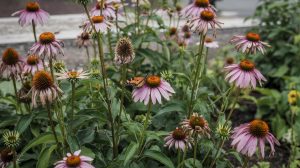
Choosing between annuals and perennials comes down to one practical question: do you want reliable structure that fills in over years, or bold seasonal color you can swap out each spring?
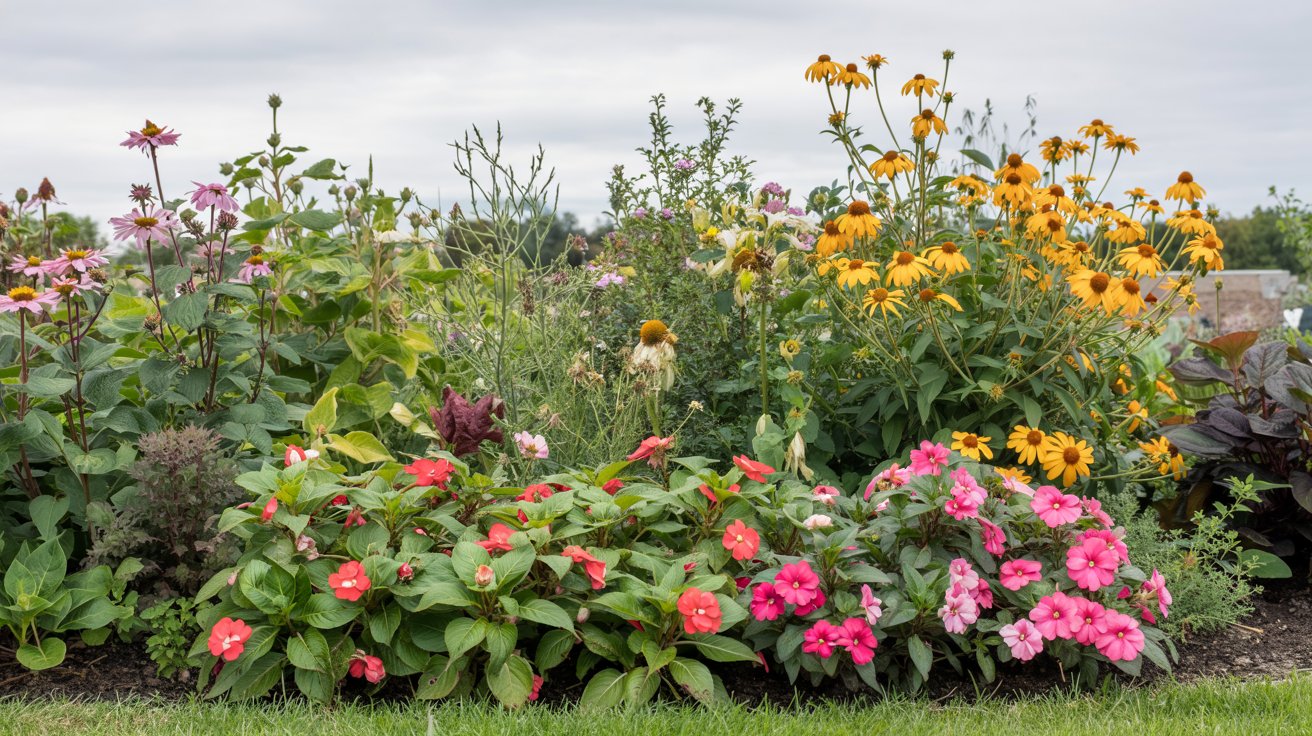
The short verdict: perennials offer long-term value and lower yearly replacement costs, while annuals give you maximum color flexibility in a single season.
Both plant types belong in most gardens. The trick is knowing which to lean on for which job.
This guide covers lifecycle basics, a direct side-by-side comparison, and a climate-zone decision framework. Whether you're a new gardener planning your first bed, a container gardener chasing seasonal color, or someone in a transitional climate unsure which plants will survive winter, you'll find a clear path forward.
Our seasonal planting guides pair well with the framework in Section 4 if you want to go deeper on timing.
Annuals complete their full life cycle in one growing season, delivering intense color but requiring yearly replanting. Perennials return for three or more years, building garden structure over time with lower long-term cost and effort.
What Are Annuals and Perennials?
An annual plant completes its lifecycle - germination, flowering, seed set, and death - within a single growing season. Common examples include zinnias, marigolds, petunias, and impatiens.
Remember it later
Planning to try this recipe soon? Save it for a quick find later!
A perennial, by contrast, lives three or more years, returning each spring from established roots. Hostas, coneflowers, black-eyed Susans, and daylilies all fall into this category.
Climate zone is a critical factor here. Some plants blur the annual/perennial line depending on where you garden.
Snapdragons and salvias, for example, behave as annuals in cold-winter zones but persist as perennials in Zone 9 or warmer.
This zone-dependent behavior matters for planning. If you're growing plants that survive hard winters, always verify the hardiness rating before assuming a plant will return.
Biennials are a third category — they complete their lifecycle over two years, flowering in year two. Foxglove and hollyhock are common examples. They're worth noting so you don't mistake a slow-to-bloom biennial for a perennial.
| Trait | Annual | Perennial |
|---|---|---|
| Lifespan | 1 growing season | 3+ years |
| Blooms | Entire season (often nonstop) | Weeks per season, varies by species |
| Overwinters | No — dies at frost | Yes — roots survive in-zone |
| Self-seeding | Some reseed freely | Some spread by division or seed |
| Examples | Zinnia, marigold, petunia | Hosta, coneflower, daylily |
For long-form color planning, browsing a list of long-blooming perennial varieties can help you identify which species fill the longest window in your zone.
Side-by-Side Comparison
When you place annuals and perennials next to each other on the key decision criteria, the trade-offs become obvious fast.
Annuals typically require full replanting each year, which adds up in both time and money. A flat of annuals might cost $15-$30 per season, repeated annually.
A perennial clump costs more upfront but can be divided every 3-4 years to multiply your plants for free.
Many perennials are winter-hardy and return year after year in suitable zones, making them the lower-effort choice once established.
| Your Goal | Best Choice | Reason |
|---|---|---|
| Nonstop summer color | Annual | Blooms entire season without gaps |
| Lower long-term spend | Perennial | One purchase, returns 3+ years |
| Try new color schemes | Annual | Swap varieties each spring |
| Structural garden beds | Perennial | Builds bulk and form over years |
| Container gardens | Annual | Seasonal impact, easy to refresh |
| Low-maintenance beds | Perennial | Minimal yearly replanting needed |
Annual flowers are also the faster way to fill a new garden bed while perennials establish. Pairing a browse of fast-blooming annual varieties with slower-growing perennial anchors is a practical two-track approach for new beds.
For fall interest specifically, mixing in late-season perennial bloomers like asters and sedums extends your garden's color well past summer.
Planning for Your Climate and Goals
Your USDA hardiness zone is the single biggest filter for perennial success. A plant rated to Zone 6 will die over winter in Zone 5 - and you'll be buying it again next spring, which erases the cost advantage entirely.
Frost dates matter just as much as zone ratings. A short growing season under 120 days favors fast-maturing annuals for peak impact, since many perennials spend their first season establishing roots rather than blooming visibly.
Check both your zone and your average first frost date before buying perennials. A plant rated "Zone 5 hardy" still needs 6–8 weeks of root establishment before hard frost to survive its first winter.
| Climate Type | Best Strategy | Notes |
|---|---|---|
| Cold winters (Zone 3–5) | Mix: hardy perennials + annuals | Verify zone rating; fill gaps with annuals |
| Moderate winters (Zone 6–7) | Lean perennial | Most common perennials thrive here |
| Mild winters (Zone 8–10) | Perennial-heavy | Many "annuals" may persist as perennials |
| Short season (<120 days) | Annual-heavy | Annuals mature faster and bloom longer |
| Transitional/uncertain zone | Test with annuals first | Invest in perennials after confirming survival |
In long-season or milder climates, perennials persist for many years, steadily reducing yearly plant purchases and bed labor. A well-chosen perennial in Zone 7 can anchor a bed for a decade with only occasional division.
Hardiness zone and local winter conditions strongly influence perennial longevity in practice. Use the two-path approach below to match your planting plan to your actual goals.
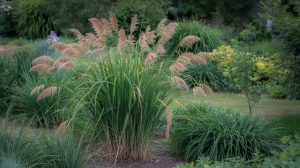
Path A (low-maintenance, year-after-year beds): plant a perennial backbone - think ornamental grasses, coneflowers, and long-lived plants like peonies - and let them fill in over three seasons. Reduce annuals to accent pots only.
Path B (dynamic seasonal color): choose 2-3 perennial anchors for structure, then rotate annuals around them each spring. This approach suits gardeners who enjoy changing their color palette yearly.
You can also factor in your planting calendar to time annual rotations alongside vegetable beds for a fully coordinated season.
For woody plants that add multi-year structure without the perennial flower maintenance cycle, growing a Japanese maple is one of the most reliable long-term investments in a mixed garden.
If you want a dedicated perennial edibles layer, planting perennial vegetables like asparagus or rhubarb adds a permanent productive layer that annuals simply can't match.
Frequently Asked Questions
Annuals complete their full lifecycle — germination through seed set — in one growing season and must be replanted. Perennials live three or more years, returning from established roots each spring.
Yes. Snapdragons, salvias, and impatiens act as annuals in Zone 5 winters but persist as perennials in Zone 9 or warmer. Always check hardiness ratings for your specific zone before assuming a plant will return.
Perennials last significantly longer — three or more years versus one season for annuals. A well-sited perennial like a peony can live and bloom for 20–50 years with minimal intervention.
Absolutely — mixing both is the most practical approach for most gardens. Use perennials as a structural backbone and fill visible gaps with annuals while perennials establish during their first two seasons.
In zones where perennials survive winter reliably, yes — the per-year cost drops sharply after the first season. In Zone 4 or colder, a mismatched perennial that dies each winter costs more than simply buying annuals.
Pin it for your next annual vs perennial plants project.