Growing your own herbs is one of the fastest ways to see results in a garden - most go from seed or transplant to your kitchen in under eight weeks.
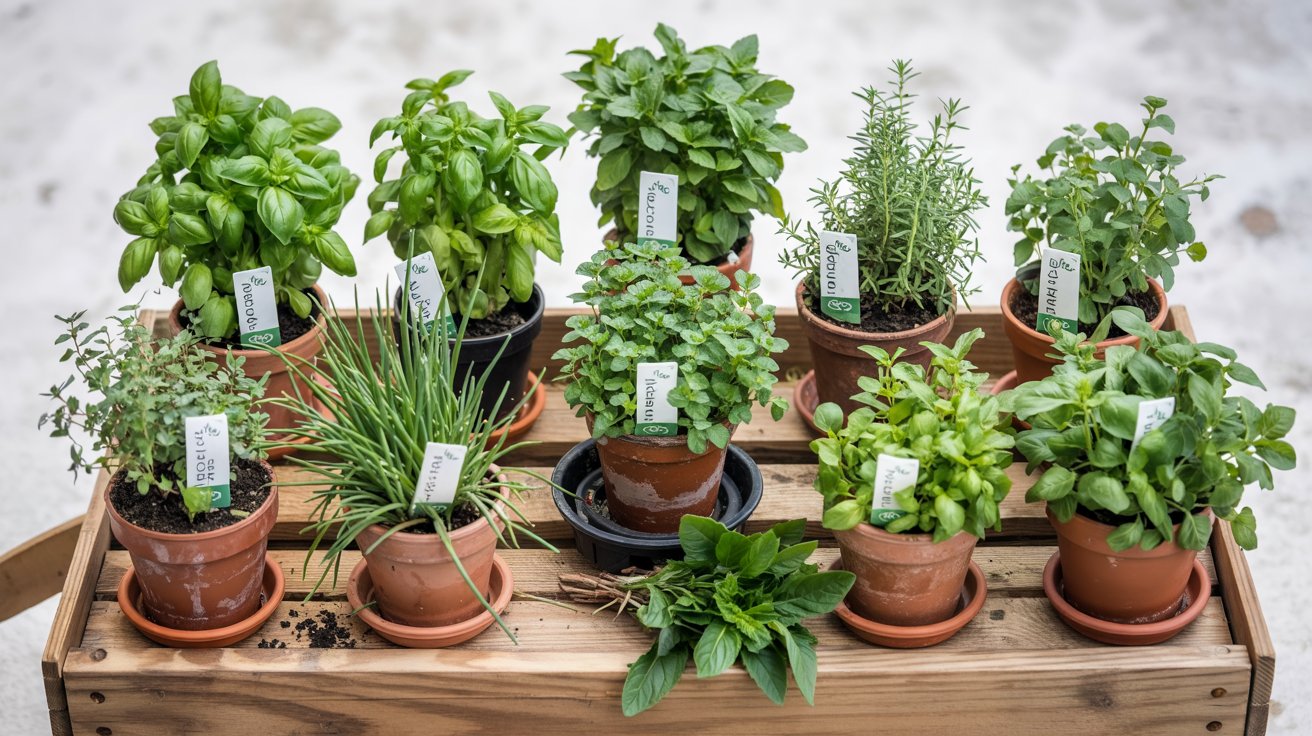
If you've never grown a plant before, herbs are the right place to start: they're compact, they forgive small mistakes, and they reward even irregular attention with usable leaves.
This guide covers the 10 best herbs for beginners, a six-step setup plan, and honest care basics you can apply today.
Whether you have a sunny windowsill, a balcony railing, or a small patch of backyard soil, every herb on this list fits. Many also grow well indoors year-round with the right pot and a south-facing window.
We've kept the advice practical and skipped the gardening jargon. You'll know exactly what to plant, where to put it, and when to water.
This guide covers the 10 most beginner-friendly herbs, including basil, mint, chives, and thyme, with a compact setup plan and care basics for containers, windowsills, or garden beds.
Top 10 Best Herbs for Beginners
According to MSU Extension herb guidance, basil, cilantro, chives, rosemary, parsley, thyme, mint, oregano, dill, and marjoram are the most practical choices for new growers. Every herb on this list shares one quality: it responds well to beginner-level care without demanding perfect conditions.
Remember it later
Planning to try this recipe soon? Save it for a quick find later!
The table below gives you a quick-scan reference for sun and water needs before we break each one down.
| Herb | Notes | Sun | Water |
|---|---|---|---|
| Basil | Warm-season annual | Full sun | Moderate, consistent |
| Mint | Container recommended | Part to full sun | Moderate, keep moist |
| Chives | Cold-tolerant perennial | Full sun | Low to moderate |
| Parsley | Slow to germinate | Full to part sun | Moderate |
| Thyme | Drought-tolerant | Full sun | Low, let dry |
| Rosemary | Woody perennial | Full sun | Low, well-drained |
| Oregano | Spreads easily | Full sun | Low to moderate |
| Cilantro | Bolts in heat | Full to part sun | Moderate |
| Dill | Tall, needs staking | Full sun | Moderate |
| Sage | Drought-tolerant perennial | Full sun | Low |
1. Basil
Ocimum basilicum is the most popular starter herb for good reason: it grows fast, signals stress visibly through drooping leaves, and recovers quickly when watered. UMass Extension confirms basil is a reliable beginner herb that starts easily from transplants.
Pinch off flower buds to keep leaves coming all summer - once it flowers, flavor drops fast.
For a deeper look at timing, soil prep, and harvesting, our guide on growing basil from seed covers the full process.
2. Mint
Mentha spp. grow so vigorously that containment is the only real challenge. Plant mint in its own pot - roots spread underground and can crowd out neighboring plants within a single season.
It tolerates part shade better than most herbs, making it ideal for east-facing windows or slightly shaded balconies.
3. Chives
Allium schoenoprasum are practically indestructible. They come back every year in zones 3-9, tolerate light frost, and need minimal feeding.
Snip the hollow leaves down to 2 inches from the base and they regrow within days.
4. Parsley
Petroselinum crispum is a biennial often grown as an annual. Seeds can take 3-4 weeks to germinate, so most beginners buy transplants.
Once established, it's forgiving about watering gaps and produces heavily through spring and fall.
5. Thyme
Thymus vulgaris is one of the most drought-tolerant herbs you can grow. It prefers dry conditions between waterings and actually produces more aromatic leaves under moderate stress.
A single plant in a 6-inch pot will supply a kitchen for years.
6. Rosemary
Salvia rosmarinus needs full sun and excellent drainage above everything else. In zones 7-10 it grows as a perennial shrub; in colder areas, bring containers indoors before the first hard frost.
It's slow to establish but nearly trouble-free once settled.
7. Oregano
Origanum vulgare is a low-water Mediterranean herb that handles neglect gracefully. It spreads by runners, so give it room or trim the edges twice per season.
Harvest just before flowers open for the strongest flavor.
8. Cilantro
Coriandrum sativum grows best in cool weather - spring and fall are its prime seasons. It bolts (goes to seed) quickly in summer heat, so sow new seeds every 3-4 weeks for a continuous supply.
The seeds themselves are the spice coriander, so nothing goes to waste.
9. Dill
Anethum graveolens can reach 3-4 feet tall, so it works better in garden beds or large containers than on windowsills. Direct-sow it where it will grow - dill dislikes transplanting.
Keep it away from fennel, which cross-pollinates and muddies flavor.
10. Sage
Salvia officinalis is a hardy perennial that asks for little beyond sun and drainage. Its silvery leaves contain aromatic oils that intensify as the plant matures, and it pairs well alongside low-maintenance plants that share its dry-soil preference.
Start with just three herbs your kitchen already uses — you'll harvest them before they bolt or overgrow. Basil, chives, and thyme make a reliable first trio and cover most everyday cooking.
Starter Garden Setup: Quick-Start Steps
A good setup takes about 30-60 minutes and prevents the most common beginner mistakes - waterlogged roots, crowded pots, and poor light.
According to WVU Extension herb guidance, most herbs need a sunny location, do well in containers, and should be watered deeply with soil allowed to dry between sessions.
Follow these six steps in order and your herbs will have everything they need from day one.
Never use a pot without a drainage hole. Standing water at the root zone is the leading cause of herb death for beginners. Even herbs labeled moisture-loving will rot in waterlogged soil within a week.
Care Essentials: Water, Light, and Common Issues
Most herb failures trace back to two problems: overwatering and not enough sun. WVU Extension herb growers recommend aiming for well-drained soil at roughly pH 6.5 and watering deeply, then waiting until the surface dries before watering again.
That cycle keeps roots healthy and prevents fungal issues.
The visual bars below reflect the ideal ranges for the most common beginner herbs as a group.
Sun is non-negotiable for most herbs on this list. A south- or west-facing window indoors, or an unshaded outdoor spot, will cover basil, rosemary, thyme, oregano, and sage.
UMD Extension herb resources confirm that container herbs do well indoors when placed in a site with strong natural light.
Common issues beginners face, and what they actually signal:
- Yellow leaves: Almost always overwatering or poor drainage - check that your pot isn't sitting in collected runoff.
- Leggy, pale growth: Insufficient light - move the pot 12-18 inches closer to the window or add a grow light for 6-8 hours daily.
- Wilting despite wet soil: Root rot has set in - remove the plant, trim black roots, repot in fresh dry mix, and hold off watering for 3-4 days.
- White powdery coating on leaves: Powdery mildew from poor air circulation - increase spacing between plants and reduce evening watering.
Herbs in containers dry out faster than in-ground plants, especially in terracotta pots in summer. In hot weather, check container moisture every day rather than every 2-3 days.
Herbs grown in containers benefit from a half-strength liquid fertilizer every 3–4 weeks during the growing season. In-ground herbs in decent soil rarely need feeding at all in their first year.
Adapt This Plan to Your Space
Not every beginner has a backyard, and that's no obstacle. UMD Extension growing advice confirms that many herbs adapt to containers or indoor conditions when light and drainage are managed well.
A windowsill kit with basil, chives, and parsley in three 4-inch pots is a fully functional herb garden.
If you're on a balcony, a single 16-inch planter can hold thyme, oregano, and sage together - all three prefer dry conditions and won't compete aggressively.
Swap rosemary for equally low-maintenance lavender in climates above zone 8 where rosemary grows too large to manage in a pot.
For year-round indoor growing, move cold-tender herbs like basil inside before temperatures drop below 50°F. Hardy perennials - chives, thyme, and sage - can stay outdoors in zones 5+ through winter and regrow in spring.
Pair any indoor herb setup with our guide to plants that suit low-humidity rooms to avoid leaf problems common in heated interiors. You can also browse the full range of edible and ornamental plants to expand beyond herbs once you're confident in your routine.
Frequently Asked Questions
Chives, mint, thyme, and basil are among the most forgiving. Chives regrow after cutting and survive light frost, making them especially reliable for first-time growers.
A practical starter set is basil, parsley, thyme, and mint — four herbs that cover everyday cooking, tolerate container growing, and are available as transplants at most garden centers.
Yes, with a south-facing window or a grow light running 6–8 hours daily. Basil, chives, and parsley perform best indoors; rosemary and dill struggle without very strong light.
Thyme, chives, basil, and oregano all do well in pots 6 inches or deeper. Mint must be grown in its own container — it spreads aggressively and will overtake shared planters.
Most herbs need a minimum of 6 hours of direct sun per day. Mint and parsley tolerate 4 hours, but Mediterranean herbs like rosemary and oregano need full sun to stay compact and flavorful.
Pin it for your next best herbs for beginners project.