Raised beds change what's possible in a backyard garden. The soil warms faster in spring, drains better after rain, and stays loose enough for roots to push deep without hitting compacted clay.
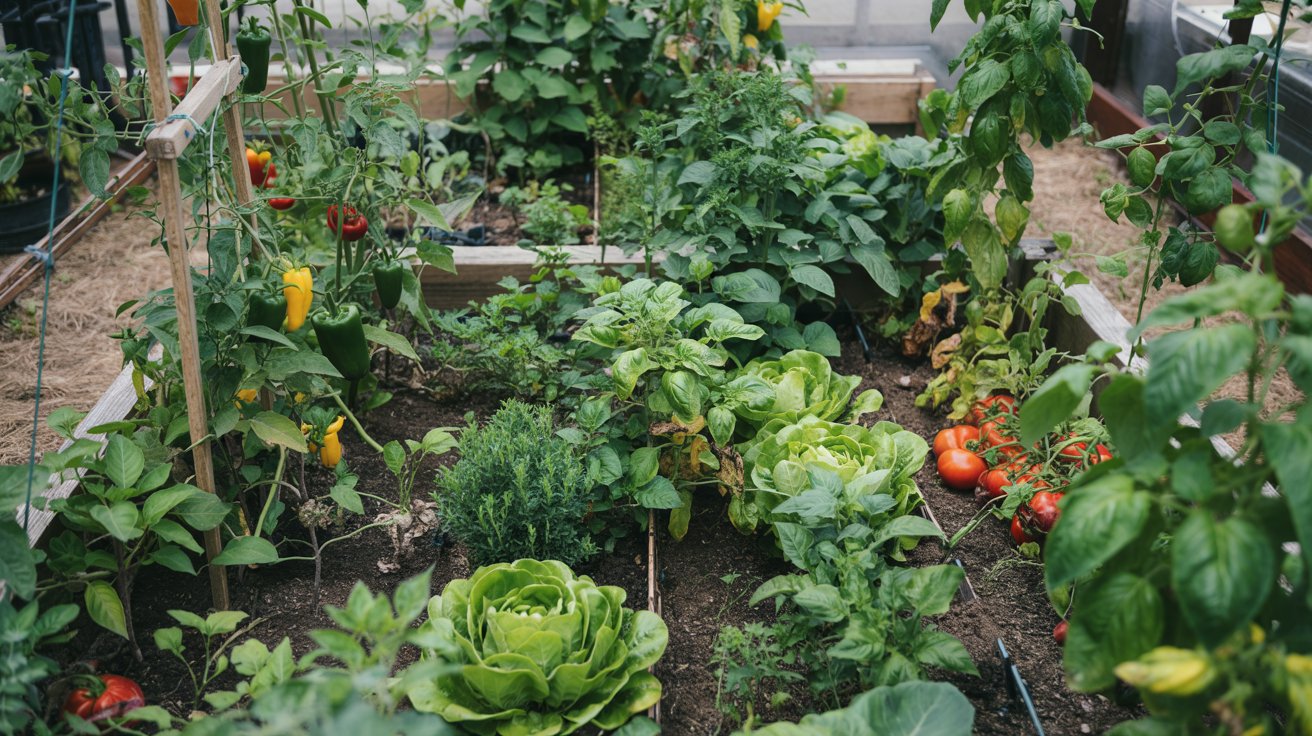
Most gardeners see noticeably higher harvests from a 4×8 raised bed than from the same footprint in-ground - and OSU Extension research backs that up, citing denser plantings and better-controlled soil as the main drivers.
Not every vegetable earns its place in a raised bed, though. Sprawling melons and tall indeterminate tomatoes can overwhelm a small space fast.
The picks on this list were chosen for yield per square foot, manageable size, and realistic days to maturity.
We also built in a quick-start setup guide and a seasonal cheat sheet, so you leave with more than just a list. Whether your bed is already built or still in the planning stage, this covers what to plant and how to get the most out of every square foot.
If you're still choosing a structure, our guide to which bed works best is a good starting point.
Raised beds deliver higher yields per square foot than in-ground plots when planted with the right vegetables. Lettuce, radishes, kale, bush beans, and beets rank highest for space efficiency and quick turnover.
A proper soil mix, at least 6 hours of sun, and block-style planting unlock the full potential of any raised bed.
Top Picks for Raised Beds
The vegetables below were ranked on four criteria: yield per square foot, days to maturity, sun requirements, and how well they adapt to the tight spacing that raised beds allow. Each one performs consistently across most U.S. climates and suits beginner through intermediate gardeners.
Remember it later
Planning to try this recipe soon? Save it for a quick find later!
Raised beds give you a real structural advantage. Drainage improves dramatically because you control the soil mix entirely, and UF/IFAS guidelines note that eliminating compacted subsoil is one of the biggest yield gains a home gardener can make.
| Vegetable | Spacing (in) | Days to Maturity | Sun Needed | Yield per Sq Ft |
|---|---|---|---|---|
| Lettuce / Salad Greens | 6–8 | 45–60 | Partial–Full | Very High |
| Radishes | 2–3 | 25–30 | Full Sun | Very High |
| Kale | 12–18 | 55–70 | Full Sun | High |
| Bush Beans | 4–6 | 50–60 | Full Sun | High |
| Beets | 3–4 | 55–70 | Full Sun | High |
| Spinach | 3–6 | 40–50 | Partial–Full | High |
| Determinate Tomatoes | 18–24 | 65–80 | Full Sun | Medium–High |
| Peppers | 12–18 | 70–90 | Full Sun | Medium |
Lettuce tops the list because you can fit up to four plants per square foot using cut-and-come-again harvesting, essentially resetting the clock on your harvest window every two to three weeks.
Radishes are the fastest cash crop in a raised bed. Plant them between slower crops like tomatoes or peppers - they'll finish and clear the space before the main crop needs the room.
Beets pull double duty: you eat the roots and the greens, making every plant count twice.
Switch from row planting to block planting in your raised bed. Arrange plants in a grid pattern so each one gets equal spacing on all sides — this typically increases usable planting area by 30–40% compared to standard row gardens.
Determinate tomato varieties like 'Bush Early Girl' or 'Patio' stay compact enough to share a 4×8 bed without crowding out neighbors. Indeterminate types need at least 4 square feet each and heavy caging, which eats into your available planting space quickly.
Understanding in-ground vs. raised-bed tradeoffs helps you decide which crops to move to a raised bed and which can stay in the ground.
Space-Saving Picks by Bed Size
A 4×4 bed and a 4×8 bed call for different planting strategies. Smaller beds need faster-maturing crops and tighter spacing; larger beds can handle a mix of quick-turnover greens and slower fruiting vegetables planted at the same time.
Clemson Extension specifically recommends block planting in compact groups to maximize harvests - a principle that changes how you think about layout entirely. Instead of long rows, you're filling square-foot blocks with individual crops.
| Vegetable | Best Bed Size | Spacing (in) | Days to Maturity | Notes |
|---|---|---|---|---|
| Baby Carrots | 4×4 or larger | 2–3 | 60–70 | Need 10–12 in depth |
| Green Onions | Any | 2–3 | 60–80 | Plant in tight clusters |
| Peas (bush) | 4×4 or larger | 2–4 | 55–70 | Cool-season only |
| Swiss Chard | 4×4 or larger | 6–9 | 50–60 | Cut outer leaves first |
| Turnips | Any | 4–6 | 35–60 | Edible roots and greens |
| Cucumber (bush) | 4×8 preferred | 12 | 50–60 | Use a vertical trellis |
| Pak Choi | 4×4 or larger | 6–9 | 45–50 | Quick spring or fall crop |
| Garlic | Any | 6 | 240 (plant fall, harvest summer) | Low maintenance |
Bush cucumbers deserve special attention in a raised-bed context. Trained up a simple 5-foot vertical trellis, a single plant uses about 1 square foot of bed space while producing heavily through summer.
Learning how to grow carrots in a raised bed is worth the effort - the loose, deep soil in a raised bed is actually the ideal environment for straight, full-sized roots. In compacted ground, carrots fork and stunt.
Green onions are the most underrated space-filler on this list. You can tuck them into bare corners between larger plants, and each plant takes just 2 inches of bed space.
They also repel some common pests when planted near carrots or beets.
Garlic is a long-game crop but earns its spot because it requires almost zero maintenance after planting. Put it in the ground in fall, and it's ready to harvest by late June - leaving the bed free for summer crops without any overlap.
Succession planting every 2–3 weeks extends your harvest window without adding more bed space. As one block of lettuce or radishes finishes, replant that exact square immediately with the next round of seeds.
For anyone weighing raised beds against containers for smaller crops like pak choi or green onions, the raised bed vs. container comparison breaks down which setup wins for each situation.

How to Set Up Raised Beds for High Yields?
Setup decisions made before you plant determine most of your yield. Getting the location, soil, and watering right from the start means less correcting later in the season.
UF/IFAS recommends avoiding plain topsoil as your primary growing medium - it compacts too quickly and drains poorly, undoing the main advantage of a raised bed. A blended growing mix keeps roots fed and aerated all season.
Frame material affects long-term durability and cost. The choice between cedar or pressure-treated lumber comes down to budget and how long you want the bed to last - cedar resists rot naturally but costs more upfront.
For gardeners comparing metal and wood options, the metal vs. wood raised bed breakdown covers heat retention, lifespan, and cost differences for each material.
If you're specifically looking at metal, there's also a detailed comparison of aluminum vs. steel bed performance worth reading before you buy.
Good composting and soil health practices extend well beyond the initial fill. Top-dressing beds with an inch of compost each season keeps the growing mix from degrading and maintains the drainage benefits that make raised beds productive year after year.
Don't skip the soil depth calculation for root vegetables. Carrots planted in a bed with only 6 inches of growing medium will hit the hard ground below and fork or stunt. Minimum 12 inches for carrots, beets, and turnips.
Raising bed costs before you build helps avoid budget surprises - the actual cost breakdown includes lumber, hardware, soil, and irrigation line so you can plan accurately.
Quick-Start Seasonal Cheat Sheet
Knowing what to plant and when is half the work. The table below maps a standard 4×8 bed through a full growing year, organized by season with succession-planting windows included.
Clemson's raised-bed planning guidelines emphasize that spacing and timing decisions made at the start of each season determine maintenance load and overall productivity. Getting both right upfront means less thinning, less replanting, and more food.
| Season | Plant Now | Succession Plant (Every 2–3 Weeks) | Clear By |
|---|---|---|---|
| Early Spring | Lettuce, spinach, peas, radishes | Lettuce, radishes | Late spring |
| Late Spring | Bush beans, beets, Swiss chard | Beets, green onions | Midsummer |
| Summer | Tomatoes, peppers, bush cucumbers | Bush beans | First frost |
| Fall | Kale, pak choi, turnips, garlic | Lettuce, spinach | Hard freeze |
A simple 4×8 layout puts tall crops (tomatoes, cucumbers on trellis) along the north edge, medium crops (peppers, kale, chard) in the middle two rows, and fast-turnover crops (lettuce, radishes, green onions) along the south edge where they get light without shade.
That arrangement keeps the bed productive in all three planting zones at once. When the south-edge radishes finish in 30 days, you replant that strip with another quick crop - without disturbing the tomatoes or peppers still growing in the back.
In USDA zones 9–11, the "early spring" window shifts to late winter (January–February), and fall planting extends into November. In zones 4–5, delay summer crops until soil temps consistently hit 60°F, typically late May. Adjust the table above by 3–4 weeks in either direction based on your last frost date.
For anyone still deciding whether a raised bed is the right structure at all, comparing a raised bed against a container setup is useful - containers work better for single plants like peppers or herbs, while raised beds win on multi-crop yield and soil management.
Frequently Asked Questions
Yes. OSU Extension data shows raised beds produce higher yields per square foot due to denser planting, improved drainage, and better-controlled soil compared to in-ground plots.
Yes, but bed depth matters. Carrots and parsnips need at least 12–18 inches of loose growing medium. Beets and radishes do fine in a standard 10-inch-deep bed.
Most vegetables grow well in 10–12 inches of growing medium. Root crops like carrots and parsnips need 18 inches. Shallow-rooted crops like lettuce and radishes can manage in 6–8 inches.
Good companions include tomatoes with basil, carrots with green onions, and beets with lettuce. Avoid planting tall crops like tomatoes next to low-light-tolerant plants that still need direct sun exposure.
Water every 2–3 days during summer, or daily during heat waves above 90°F. Raised beds dry out faster than in-ground soil, so a drip line or soaker hose with a timer prevents inconsistent moisture.
Pin it for your next best vegetables for raised beds project.