Boxwood brings year-round structure to gardens in a way few other shrubs can match. Buxus sempervirens, the common boxwood, holds its dense, fine-textured foliage through every season, giving formal hedges and garden borders a reliable backbone that flowering plants simply cannot provide.
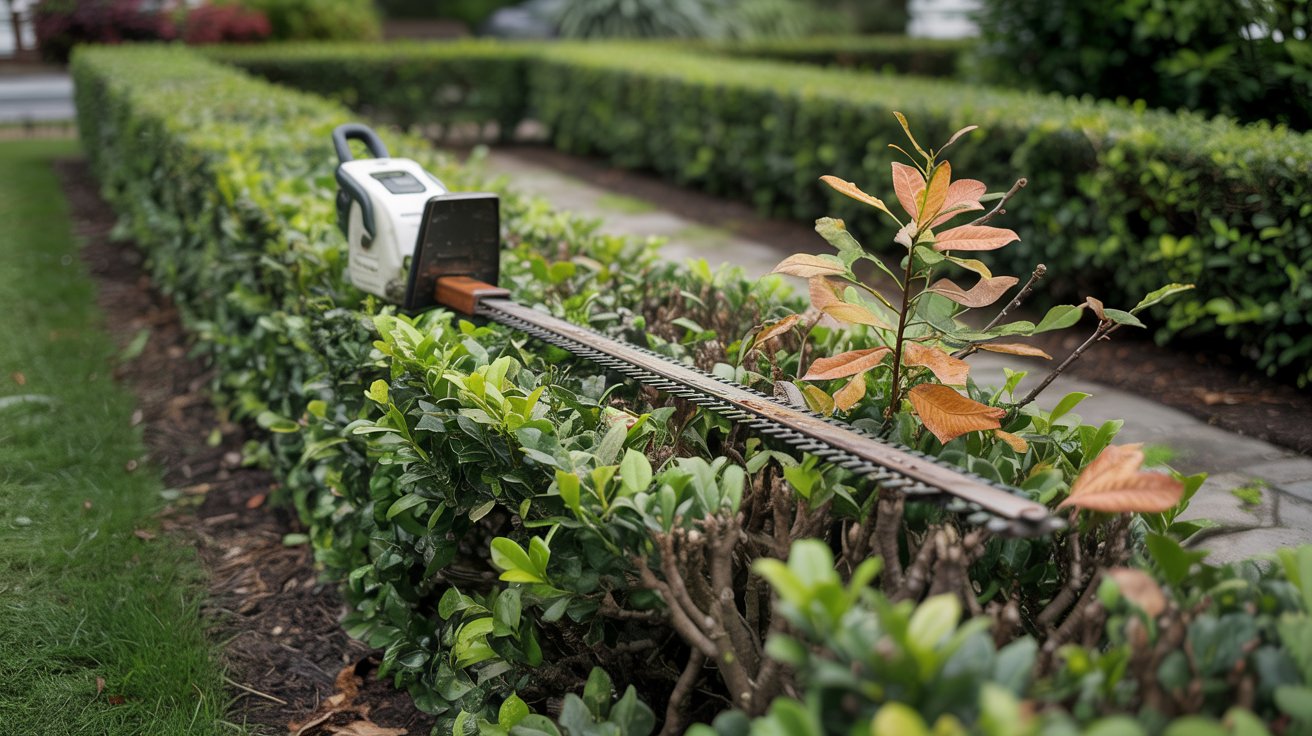
That permanence has a cost, though. Poorly timed pruning produces leggy, hollow hedges.
Overwatering or bad drainage invites root rot. And boxwood blight - a fast-moving fungal disease - can strip a mature hedge in a single season if you miss the early signs.
This guide covers everything from selecting the right cultivar to shaping a finished hedge, with a clear seasonal maintenance calendar and a practical breakdown of blight detection and control strategies that extension services recommend.
Whether you're establishing a new boxwood border or rehabilitating an overgrown one, the care steps here are specific enough to act on today.
Boxwood is a versatile, evergreen shrub prized for formal hedges and topiary. It needs well-drained, slightly acidic soil, consistent moisture during establishment, and pruning 1–2 times per year.
Boxwood blight is the primary disease threat and requires proactive sanitation and resistant cultivar selection.
Boxwood Portrait: Basics and Quick Start
Boxwood is a slow-growing, dense evergreen shrub native to Europe and western Asia. It tolerates heavy shearing, making it the standard choice for formal hedges, knot gardens, and topiary. Mature plants can live for centuries in well-managed landscapes.
Remember it later
Planning to try this recipe soon? Save it for a quick find later!
Boxwood grows slowly - most cultivars add 3-6 inches per year - so site selection and soil preparation at planting pay off for decades.
boxwood care basics from the University of Florida confirm that full sun to partial shade suits most cultivars, with afternoon shade reducing stress in hot climates.
Soil drainage is non-negotiable. Boxwood roots sitting in wet soil develop root rot within a single growing season.
Amend heavy clay before planting and avoid low-lying spots where water pools after rain.
For a quick-start routine: water deeply twice a week for the first full growing season, mulch 2-3 inches deep around the root zone (keeping mulch off the stems), and hold off on any heavy pruning until the plant shows vigorous new growth in year two.
A light tip prune in late spring is enough to encourage density while the root system establishes. Resist the urge to hard-shape a young boxwood - doing so before roots are settled slows recovery and invites winter dieback.
Boxwood Varieties for Hedges
Not every boxwood suits every hedge project. Cultivar choice affects mature height, cold hardiness, density, and - critically - resistance to boxwood blight.
The common boxwood varieties overview from UF/IFAS identifies key differences that matter most for landscape use.
Formal hedges need a cultivar with tight branching and slow, predictable growth. Informal or mixed borders can use faster-growing types that require less frequent shearing.
The table below covers the most useful selections for hedge work.
| Cultivar | Mature Size | Best Use | Blight Resistance |
|---|---|---|---|
| Buxus sempervirens 'Suffruticosa' | 2–4 ft | Formal edging, knot gardens | Low |
| Buxus sempervirens 'Green Velvet' | 3–4 ft | Low formal hedges | Moderate |
| Buxus sempervirens 'Vardar Valley' | 2–3 ft | Cold-hardy low borders | Moderate |
| Buxus 'NewGen Independence' | 3–5 ft | Formal mid-height hedges | High |
| Buxus microphylla 'Winter Gem' | 3–4 ft | Informal borders, Zone 4–9 | Moderate |
| Buxus 'SB108' (Sprinter) | 3–5 ft | Fast-establishing hedges | High |
'NewGen Independence' and 'Sprinter' are the clearest choices where blight pressure is high. In low-disease areas, 'Suffruticosa' still delivers the finest texture and tightest habit for formal work - it's the cultivar most associated with classic European-style parterre gardens.
If you're pairing boxwood with acid-loving shrubs like azaleas, 'Green Velvet' and 'Winter Gem' both tolerate the slightly acidic soil conditions those companions prefer. Spacing at planting should match the cultivar's mature width - planting too close forces premature shearing and weakens interior branching.
Care Essentials: Light, Soil, Water, and Fertilizer
Boxwood tolerates a range of light but performs best with at least 4 hours of direct sun daily. In zones 7 and warmer, afternoon shade prevents leaf scorch and reduces drought stress during peak summer heat.
Soil pH between 6.5 and 7.0 keeps nutrients available at the root zone. Below pH 6.0, boxwood shows yellowing foliage from iron and manganese deficiency - a problem easily mistaken for disease.
Test soil before planting and lime if needed.
Good drainage is more important than soil richness. If your native soil is heavy clay, raise the planting bed by 4-6 inches or amend deeply with coarse compost and perlite.
Boxwood planted in poorly drained sites rarely recovers once root rot takes hold, so this step is worth the extra work upfront.
Watering during the first two years is where most boxwood failures originate. Water deeply once a week in normal conditions, letting moisture reach 8-10 inches below the surface.
Shallow daily sprinkles produce a shallow root system that struggles in drought and heat.
Established boxwood is surprisingly drought-tolerant, but extended dry spells still cause root stress. University of Minnesota Extension notes that tan or brown foliage often signals winter desiccation or drought rather than disease - a useful distinction before reaching for fungicides.
Mulching is the single easiest way to maintain consistent soil moisture and temperature. Apply 2-3 inches of shredded bark or wood chip mulch in a ring extending to the dripline, keeping it at least 2 inches away from the stem base.
Mulch piled against the stem traps moisture and invites crown rot.
Fertilize once in early spring with a balanced, slow-release fertilizer formulated for broadleaf evergreens - something in the 10-6-4 or 12-6-6 range works well. A second light application in early June supports new growth without pushing late-season flushes that are vulnerable to cold damage.
Skip fertilizing after July; late feeding stimulates soft growth that fails to harden before frost.
Container-grown boxwood needs more frequent watering than in-ground plants - check soil moisture every 2-3 days in summer and water when the top inch feels dry. Containers also need fertilizing more often; a liquid feed every 3-4 weeks from spring through midsummer keeps potted boxwood vigorous.
If you want to see how other shade-tolerant evergreens like low-maintenance foliage plants handle container culture, the care principles around drainage and feeding overlap significantly.
Pruning and Hedge Shaping: Steps for a Neat Boxwood Hedge
Boxwood tolerates heavy shearing better than almost any other broadleaf evergreen. The trick is timing - and knowing when to thin rather than just cut the surface.
Wisconsin Extension's guidance on boxwood maintenance practices emphasizes that good airflow inside the hedge is as important for disease prevention as any spray program.
Most established boxwood hedges need two pruning sessions per year: a main shaping in late spring after the first flush of new growth hardens off, and a light cleanup in early fall before temperatures drop.
Pruning too late in fall - after September in zones 5-6 - exposes fresh cuts to frost damage.
For formal vertical structure in garden design, boxwood trained as a tall hedge - above 4 feet - benefits from a light third session in midsummer to keep the shape crisp through fall.
Keep that session to surface touches only; heavy midsummer cuts stress the plant heading into heat.
Rejuvenating an overgrown boxwood hedge takes two to three years. Cut one side hard in year one, let that side recover, then cut the other side and the top in year two.
Trying to do everything at once often kills the hedge outright, particularly in plants over 10 years old.

Boxwood Blight: Detection, Prevention, and Quick Action
Boxwood blight, caused by the fungus Calonectria pseudonaviculata, is the most destructive disease in the genus. It can defoliate a mature hedge in two to three weeks under warm, humid conditions - and spores remain viable in soil for up to five years.
Early detection is the only reliable management tool. The blight prevention guide from MNLA outlines the full symptom progression and sanitation protocol professionals use.
| Stage | What You See | Action |
|---|---|---|
| Early infection | Dark circular leaf spots with light centers | Confirm diagnosis; isolate affected sections |
| Active spread | Rapid defoliation; dark stem cankers | Remove and bag all affected material immediately |
| Soil contamination | Recurrence after replanting in same spot | Replace soil or solarize before replanting |
| Prevention (healthy hedge) | No symptoms | Prune for airflow; use resistant cultivars; avoid overhead irrigation |
| Fungicide program | High-risk areas or post-outbreak | Apply chlorothalonil or thiophanate-methyl every 7–14 days during humid periods |
Overhead irrigation is a significant risk factor - water splashing between leaves moves spores efficiently. Switch to drip or soaker hose irrigation and water in the morning so foliage dries before nightfall.
Reviewing broader plant disease and pest management principles helps build a whole-garden approach that goes beyond treating individual outbreaks.
Design Options for Boxwood Hedges
Boxwood's willingness to hold any shape makes it one of the most flexible structural plants in garden design. The style you choose determines spacing, maintenance frequency, and which cultivar suits the job.
Adding shade perennials like hostas at the base of a taller boxwood hedge creates a layered look that reads as intentional and polished.
Formal straight hedges work best in gardens with hard geometry - defined pathways, symmetrical beds, or walled spaces where crisp lines reinforce the overall layout. These require the most maintenance but deliver the strongest visual impact year-round.
For softer landscapes, loosely shaped boxwood masses pair naturally with flowering perennials and summer annuals for seasonal color contrast.
| Style | Height Range | Spacing | Pruning Frequency |
|---|---|---|---|
| Formal wall hedge | 3–6 ft | 18–24 in apart | 2–3 times/year |
| Low edging border | 12–24 in | 12–15 in apart | 1–2 times/year |
| Sculpted topiary ball | 2–4 ft | Single specimen | 3–4 times/year |
| Informal mass planting | 3–5 ft | 24–36 in apart | 1 time/year |
| Mixed-species border | 2–3 ft | 18–24 in apart | 1–2 times/year |
Topiary is the highest-maintenance option but rewards patience - a single well-shaped boxwood ball or cone becomes a year-round focal point that no flowering plant can replicate in winter. Start with a young, single-stem plant and shape slowly over three to four seasons rather than cutting hard from the start.
Boxwood also handles container culture well; potted specimens work on terraces where container-grown foliage plants serve as living architecture.
Mixed-species borders that combine boxwood with flowering shrubs that bloom seasonally give you structure in winter and color in summer without relying on a single plant for both. Keep boxwood at the front or middle of the border where shearing is easy, and leave flowering companions at the back with room to grow naturally.
When pairing edibles nearby, keep boxwood clippings contained - the foliage is toxic if ingested.
Frequently Asked Questions
'NewGen Independence' offers the best combination of tight habit and high blight resistance for formal hedges. 'Suffruticosa' gives the finest texture but has low blight resistance.
Most boxwood hedges need pruning twice a year — once in late spring and a light trim in early fall. Topiary specimens may need three to four sessions annually.
Yes. Container boxwood needs watering every 2–3 days in summer and liquid fertilizer every 3–4 weeks. Use a well-draining potting mix and choose a pot with drainage holes.
Boxwood is considered deer-resistant by most extension services due to its bitter, mildly toxic foliage. Deer rarely browse it unless food is extremely scarce in winter.
Use drip irrigation, prune for airflow, disinfect tools between plants, and plant resistant cultivars. Chlorothalonil applied every 7–14 days during humid periods provides additional protection.
Pin it for your next how to grow and care for boxwood project.