Choosing between clay and plastic pots sounds simple until you watch a beloved succulent rot in a moisture-trapping container or a tropical fern wilt in terracotta that dried out overnight.
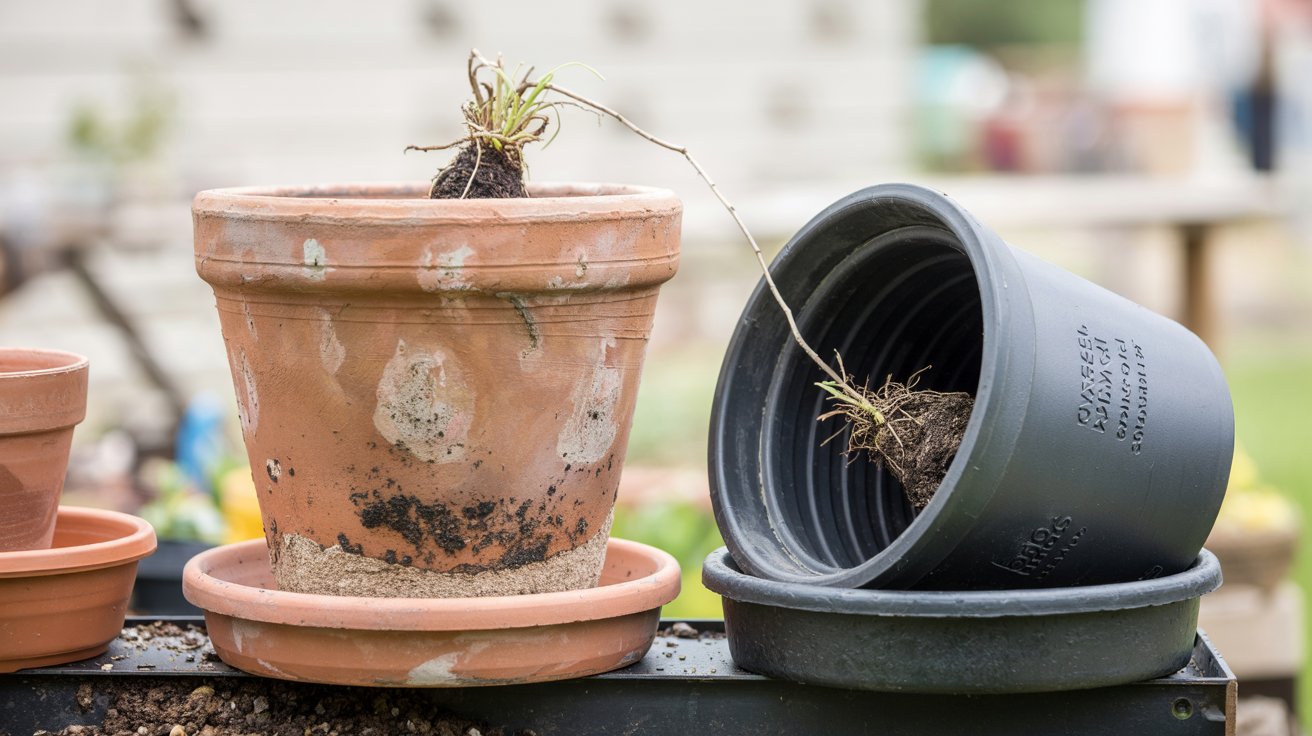
The material you pick directly controls how fast soil dries, how heavy your balcony gets, and how much you spend each season.
Both materials work. Neither is universally better.
Clay pots - specifically unglazed terracotta - are porous, which means water and air move through the walls. That's a feature for drought-tolerant plants and a liability for anything that needs consistent moisture.
Plastic pots seal in water, weigh almost nothing, and cost a fraction of the price. For container garden plants that need regular moisture or live on a high balcony, plastic often wins on pure practicality.
This breakdown covers moisture, drainage, plant-type matching, cost, and durability - section by section, with a clear verdict in each.
For fast-draining soil and breathable walls, choose clay. For moisture retention, light weight, and lower cost, choose plastic.
The right pot depends on your plant's water needs, your climate, and whether you can lift heavy containers.
Bottom-Line Verdict
Unglazed terracotta pots are porous, and UNH Extension confirms that evaporation occurs directly through the pot wall, not just from the soil surface.
Remember it later
Planning to try this recipe soon? Save it for a quick find later!
That means clay pots dry out noticeably faster than plastic in warm weather - a real advantage for succulents and a real problem for moisture-hungry plants.
Plastic pots are non-porous, so moisture stays in the soil longer. According to Missouri Extension, plastic can actually be the smarter pick in full-sun locations where terracotta dries too fast for plants to drink efficiently.
- Succulents and cacti: Clay wins. Fast wall evaporation prevents the soggy soil that kills these plants.
- Tropical houseplants: Plastic wins. Consistent moisture without daily watering keeps roots stable.
- Herbs on a windowsill: Either works - mint and basil tolerate both, though clay needs more frequent watering in summer.
- Balcony or rooftop gardens: Plastic wins on weight alone. A 12-inch terracotta pot can weigh over 10 pounds empty.
- Decorative use without drainage holes: The double-pot technique - dropping a plastic nursery pot inside a decorative outer pot - is a practical workaround, as noted by Iowa State Extension.
- Superior root aeration via porous walls
- Prevents overwatering for drought-tolerant plants
- Natural, heavy base resists tipping in wind
- Aesthetically neutral — suits most garden styles
- Weighs a fraction of clay — easy to move
- Retains moisture for plants that need it
- Costs significantly less per pot
- Doesn't crack in freezing temperatures
Moisture, Drainage, and Temperature
The single biggest practical difference between clay and plastic is how they handle water. Clay walls actively wick moisture outward, so the entire pot surface participates in evaporation - not just the soil top.
A small terracotta pot in summer heat can dry out in 24 hours or less.
Plastic creates a closed system. Water exits only through drainage holes and soil-surface evaporation.
That's useful when you want to grow mint in containers without watering twice a day, but it creates overwatering risk for plants that prefer dry cycles.
| Property | Clay (Terracotta) | Plastic |
|---|---|---|
| Porosity | High — air and water pass through walls | None — non-porous |
| Moisture Retention | Low — dries fast | High — retains water longer |
| Watering Frequency | Every 1-2 days in summer | Every 3-5 days in summer |
| Soil Temperature | Stays cooler via evaporation | Heats up faster in direct sun |
| Weight (12-inch pot) | 8-12 lbs empty | Under 2 lbs empty |
| Winter Freeze Risk | Cracks when wet soil freezes | Flexible — generally survives |
Soil temperature is an underrated factor. Clay's evaporative cooling keeps roots from overheating, which benefits cool-season crops.
Plastic absorbs and traps heat in full sun, which can stress roots on heat-sensitive sun plants during peak summer.
Larger pots behave differently in both materials. Iowa State Extension notes that larger containers dry more slowly because the soil volume is greater relative to the evaporating surface area.
A 16-inch plastic pot in partial shade may only need watering once a week even in July.
Use the double-pot technique to get the look of a decorative ceramic outer pot without sacrificing drainage. Drop a plastic nursery pot with drainage holes inside the outer pot, then lift it out to water. This preserves root health without drilling into expensive ceramics.
In winter, unglazed clay is vulnerable. When wet soil inside a pot freezes and expands, it cracks the pot wall from the inside out.
Plastic flexes with the freeze-thaw cycle and typically survives multiple winters without damage. If you want to display cold-season blooms outdoors, plastic is the safer container choice.

Plant-Type Decision Flow
Five questions narrow the choice down fast. Work through them in order, and you'll land on a clear recommendation for whatever you're planting.
Here's how common plant groups land after running through these steps:
- Succulents and cacti: Clay every time. The breathable wall prevents root rot better than any other container material.
- Tropicals (pothos, philodendron, peace lily): Plastic. Consistent moisture without constant watering suits their needs.
- Herbs: Clay for Mediterranean herbs (thyme, rosemary, oregano); plastic for high-water herbs like basil and mint.
- Perennial flowers: Depends on the species, but plastic works well for most long-lived flowering perennials that stay in the same pot for years.
- Citrus in containers: Clay suits lemon trees well - good drainage and aeration support the roots - though weight makes moving them indoors for winter difficult.
In hot, dry climates (USDA Zones 9-11), clay pots may require daily watering in summer, even for moderate-water plants. In those zones, plastic or glazed ceramic reduces water stress without sacrificing aesthetics.
Cost, Durability, and Practical Tips
Price differences between clay and plastic are significant at scale. A basic 6-inch plastic nursery pot costs under $1; a comparable terracotta pot runs $3 to $6.
At 12 inches, plastic stays under $5 while quality terracotta climbs to $15 to $30.
Durability favors plastic in most outdoor conditions. Terracotta cracks in frost - especially when left outside with moist soil that freezes and expands.
Missouri Extension confirms that unglazed clay pots dry out faster and are vulnerable in freezing weather, while plastic holds up across freeze-thaw cycles without damage.
| Factor | Clay (Terracotta) | Plastic |
|---|---|---|
| 6-inch pot price | $3-$6 | Under $1 |
| 12-inch pot price | $15-$30 | $3-$8 |
| Lifespan (outdoors) | 3-7 years (crack risk) | 5-10 years (UV fading) |
| Freeze damage | High — cracks when wet | Low — flexible material |
| UV degradation | Minimal | Moderate — brittle after years |
| Recyclable | Yes — reuse or dispose | Check local recycling rules |
UV exposure is plastic's main weakness. After several years in direct sun, many plastic pots become brittle and crack when moved.
UV-stabilized or thicker-walled plastic pots last longer. Look for labels indicating UV protection if the pot will sit in full sun year-round.
Use a potting mix labeled specifically for containers, not garden soil. Container mixes drain faster and resist compaction — critical for both clay and plastic pots. Garden soil compacts in pots and blocks the drainage that makes either material work correctly.
For a potted lemon tree or large shrub, consider using a plastic grow pot as the primary container and a terracotta or ceramic cache pot as the outer shell.
You get lighter weight for moving, proper drainage from the inner pot, and a clean look from the outer one.
To maintain terracotta, scrub white mineral deposits (salt buildup) off with a stiff brush and diluted white vinegar each spring. Store empty clay pots indoors or in a dry shed over winter to prevent freeze-cracking.
Plastic pots can stay outside, but stack them out of direct UV exposure to slow degradation. If you grow fragrant flowers outdoors, plastic pots in dark colors absorb heat that can stress roots - choose light-colored plastic in warm climates.
Never leave a terracotta pot outside filled with wet soil when hard frost is forecast. The expanding frozen soil will crack the pot wall — sometimes overnight. Even one freeze-thaw cycle can split a pot you've used for years.
Both materials work well when matched to the right plant and condition. For a broad selection of plants suited to container growing, the container and garden plant guides on FreshNestly cover specific care needs by plant type.
Frequently Asked Questions
Yes. Unglazed terracotta is porous, so moisture evaporates through the pot wall itself — not just the soil surface — drying out up to twice as fast as plastic in warm weather.
Plastic typically outlasts clay outdoors. Clay cracks in frost after 3-7 years; UV-stabilized plastic lasts 5-10 years, though it becomes brittle in prolonged direct sun without UV protection.
Yes. Plastic flexes through freeze-thaw cycles without cracking, making it safer for outdoor winter use than unglazed terracotta, which splits when wet soil inside freezes and expands.
Yes — biodegradable options include coconut coir, rice hull, and compressed peat pots. Recycled plastic pots also reduce new plastic use; check for "recycled content" labeling when buying.
Choose a pot 1-2 inches wider than the root ball. Oversized pots hold excess wet soil around roots, increasing rot risk — especially in non-porous plastic containers with slow evaporation rates.
Pin it for your next clay pots vs plastic pots project.