Coneflowers are one of those plants that make a garden look like it knows what it's doing. Bold, upright, and covered in daisy-like blooms from midsummer into fall, Echinacea purpurea earns its place in nearly any sunny bed.
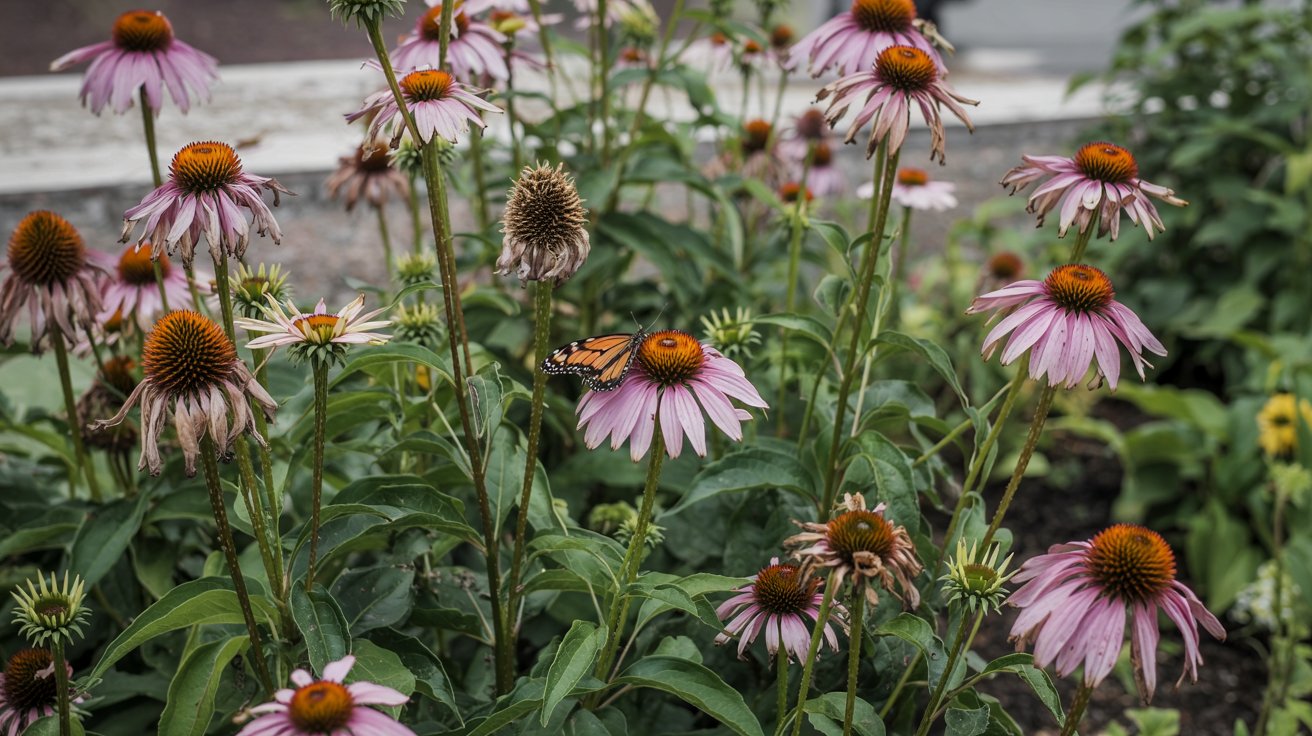
They pull double duty: feeding bees, butterflies, and goldfinches while requiring very little from you.
According to Illinois Extension, coneflowers prefer full sun and well-drained soil - two conditions most home gardens can easily provide.
This guide covers everything from initial planting to seasonal upkeep, so your coneflowers settle in fast and bloom reliably year after year.
Coneflower (Echinacea purpurea) is a drought-tolerant perennial that blooms mid-to-late summer in zones 3–9. It needs full sun, well-drained soil, and minimal feeding.
Deadhead spent flowers to extend bloom, and cut back old growth at season's end to keep clumps tidy.
Coneflower Basics and Growing Requirements
A native North American perennial with prominent raised centers and swept-back petals in shades of purple, pink, white, orange, and yellow. Plants stand 2–5 feet tall and bloom for 6–10 weeks, drawing heavy pollinator traffic. Established plants tolerate heat and dry stretches without much intervention.
Remember it later
Planning to try this recipe soon? Save it for a quick find later!
Coneflowers belong to the daisy family (Asteraceae) and are native to eastern and central North America. That origin story matters - it explains why they handle clay soils, summer drought, and cold winters without fuss.
As Iowa State Extension notes, plants bloom in mid-to-late summer, typically peaking in July and August depending on your region. Pairing them with late-season perennials extends your garden's color window well into October.
Here's what coneflowers need to perform well:
- Sun: Full sun - at least 6 hours daily. They'll tolerate part shade but bloom less and stretch toward light.
- Soil: Well-drained loam or sandy loam. They handle clay better than most perennials, but standing water will rot crowns.
- Moisture: Moderate water during the first season; much less once established.
- Soil pH: Neutral to slightly acidic, roughly 6.0-7.0.
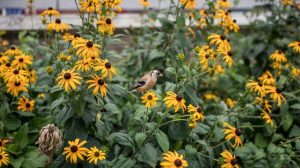
- Pollinator value: Bees, monarchs, and swallowtails visit flowers; goldfinches eat seed heads through winter.
Plants spread slowly by self-seeding and by clump expansion, so one or two plants in year one can become a generous colony by year four.
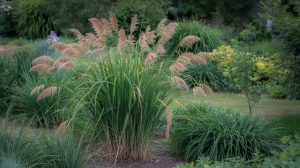
If you're building a bed around full-sun perennials, coneflowers pair naturally with ornamental grasses, black-eyed Susans, and other full-sun varieties that share the same low-maintenance watering habits.
In zones 3–5, coneflowers die back hard in winter but return reliably from the root crown. In zones 7–9, summer heat can shorten bloom time — plant in a spot with afternoon shade to extend flowering by two to three weeks.
Planting and Establishment
Getting coneflowers off to a strong start comes down to site prep, correct spacing, and consistent moisture in the first six weeks. After that, they largely take care of themselves.
Spring planting (after last frost) and early fall planting both work well. Fall-planted coneflowers establish roots before winter and often outbloom spring-planted ones in their first summer.
For the first four to six weeks, water every two to three days if rain doesn't fall. Once you see strong new growth, back off to once a week, then taper further as the plant matures.
If you're growing from seed, coneflowers need cold stratification — 4–6 weeks in a moist paper towel in the fridge — before germinating reliably indoors. Direct-sown seeds in fall skip this step; winter does the work for you.
Ongoing Care: Watering, Fertilization, and Deadheading
Once coneflowers are past their first season, their care routine becomes very simple. The biggest mistake most gardeners make is overwatering or over-fertilizing - both push leafy growth at the expense of blooms.
According to Clemson Extension, coneflowers show strong drought tolerance once established. In their second year and beyond, supplemental watering is mainly needed during hot, dry spells lasting more than two weeks.
For fertilization, a single light application of balanced granular fertilizer (10-10-10) in early spring is plenty. Avoid high-nitrogen feeds - they produce large, floppy plants with fewer flowers.
Deadheading is where you can make a real difference in bloom count:
- Remove spent flowers by cutting the stem back to the next lateral bud or leaf node. This triggers a second or even third flush of blooms.
- Stop deadheading in late summer (around August) to let seed heads form. Birds will feed on them through fall and winter.
- Cut back foliage to about 3-4 inches above the ground after the first hard frost, or leave stems standing until early spring for added wildlife habitat.
Clumps benefit from division every 3-4 years. Dig the root mass in early spring, split it into sections with at least 3-4 stems each, and replant immediately.
This rejuvenates flowering and gives you free plants for other beds - or to share.
Coneflowers fit naturally into low-maintenance perennial schemes. If you're managing a mixed border, the same mid-season upkeep principles apply to keeping your summer beds tidy without spending hours each week.
Powdery mildew shows up in late summer when air circulation is poor. Space plants correctly and avoid overhead watering in the evening. Fungicide sprays help but rarely fix the underlying spacing problem.
Varieties and Selection
The straight species, Echinacea purpurea, is hard to beat for reliability and wildlife value. But breeders have expanded the palette dramatically, offering compact forms, double blooms, and colors from deep red to mango orange.
When choosing a cultivar, match height and bloom color to your bed's scale and existing palette. Compact varieties work well in containers and front-of-border positions.
If you enjoy purple-toned plantings, classic cultivars like 'Magnus' remain the most consistent performers in heat and humidity.
| Cultivar | Height | Bloom Color | Notes |
|---|---|---|---|
| 'Magnus' | 3–4 ft | Rose-purple | RHS Award of Garden Merit; very heat tolerant |
| 'White Swan' | 2–3 ft | Creamy white | Great for brightening shaded edges |
| 'PowWow Wild Berry' | 18–24 in | Deep pink-purple | Compact; suited for containers |
| 'Cheyenne Spirit' | 2–3 ft | Mixed: red, orange, yellow | All-America Selections winner; grows well from seed |
| 'Green Envy' | 2–3 ft | Green-pink | Unusual color; holds bloom shape well |
If you're deciding between coneflowers and another structural perennial, compare them side by side with long-lived perennials like peonies - both thrive with minimal care but suit different bloom windows and soil types.
Echinacea purpurea and "purple coneflower" are the same plant - the common name simply describes the species. Other Echinacea species like E. pallida and E. angustifolia are also called coneflowers but have narrower petals and different native ranges.
Seasonal Care Schedule
Coneflower care follows a predictable rhythm. Most of the work happens in spring and early summer; the rest of the year you're mostly watching and enjoying.
The calendar below reflects a temperate zone 5-7 schedule. Adjust prep and cutback timing by two to four weeks earlier in zones 8-9, or later in zones 3-4.
Our year-round planting guides can help you map tasks to your specific climate.
Prep/Cutback
Active Care
Peak Bloom
- March-April (Prep): Cut back any old stems left from winter. Apply a single light feed of balanced fertilizer. Divide overcrowded clumps before new growth exceeds 4 inches.
- May-June (Active): Plant new transplants. Water regularly if rainfall is below 1 inch per week. Watch for aphids on new growth.
- July-August (Peak): Deadhead weekly to extend bloom. Stop deadheading by late August to allow seed head formation.
- September (Active): Final blooms taper off. Leave seed heads standing for birds. Reduce watering as temperatures cool.
- October (Prep): Apply fresh mulch after first frost. Cut back foliage or leave stems for wildlife - both are valid choices.
In zones 8-9, heat stress can cause early dormancy in August. A 1-inch deep watering every 10 days through peak summer keeps plants from shutting down prematurely.
Linking this calendar to your broader warm-season maintenance routine makes the timing easier to manage.
Frequently Asked Questions
Coneflowers are considered deer-resistant but not deer-proof. The coarse, rough-textured foliage deters casual browsing, though hungry deer in fall will still eat them.
Yes — compact cultivars like 'PowWow Wild Berry' (18–24 inches) work well in containers at least 12 inches deep. Move pots to a sheltered spot in zones 5 and colder to protect roots over winter.
Individual plants bloom for 6–10 weeks, typically July through September. Regular deadheading can extend the bloom window by two to three additional weeks.
They're the same plant. Echinacea purpurea is the scientific name; "purple coneflower" is the common name. Other Echinacea species exist but are less commonly sold in garden centers.
Coneflowers self-seed modestly and expand slowly by root division — not invasively. Removing seed heads before they drop controls spread; most gardeners welcome the extra seedlings to fill gaps.
Pin it for your next how to grow and care for coneflower project.