Green flowers occupy a strange, satisfying niche in the garden: too subtle for showoffs, too striking to ignore.
Whether you're after the chartreuse spikes of Bells of Ireland in a cutting garden or the nodding lime cups of a winter hellebore under bare trees, green blooms earn their space in ways that red and pink rarely can.
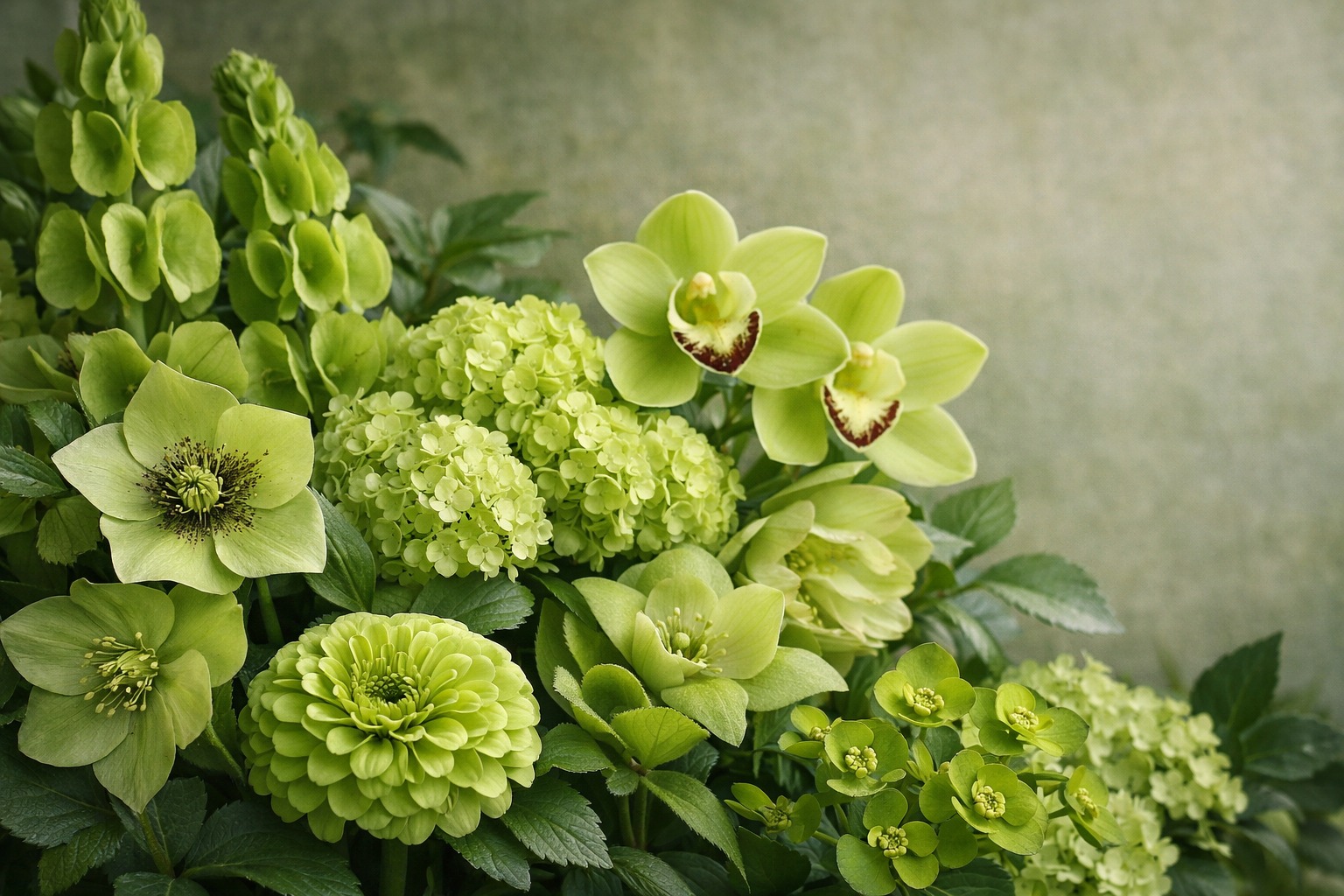
They read as neutral without being boring, and they make every neighboring color sharper.
Green flowers range from hardy perennials in zone 3 to tropical houseplant orchids to fast annual zinnias. This list covers 12 reliably green-blooming species and named varieties, organized by garden use, with zone ranges, light needs, and spacing details to help you plant confidently.
Why Green Flowers Work in the Garden?
Most gardeners reach for green foliage to fill gaps between colored blooms, but green-flowered plants do double duty: they read as both flower and foliage at once. That visual trick makes borders feel cohesive rather than crowded.
Remember it later
Planning to try this recipe soon? Save it for a quick find later!
Green blooms also hold up unusually well as cut flowers because they don't visually clash with anything. Florists pair them with bold deep purple arrangements specifically because the contrast sharpens both colors simultaneously.
- Color range: True green blooms run from near-white pale green (phalaenopsis orchids) to electric chartreuse (Bells of Ireland calyces) to muted olive-green (hellebore cups).
- Longevity: Many green flowers - especially sedums and dried hops cones - hold color long after cutting, making them useful in dried arrangements.
- Seasonal spread: With the right mix, you can have green blooms from February (hellebores) through hard frost (chrysanthemums and sedums).
Green pigment in flowers often comes from chlorophyll retained in petals rather than from floral pigments. This means fully green blooms tend to fade to cream or white as the flower ages and chlorophyll breaks down in direct sun.
Shade-Tolerant Green Flowers
Shade borders get the least attention in most color planting guides, but two green-blooming plants belong there before almost anything else. Both handle deep shade that would kill most flowering perennials.
Hellebore (Lenten Rose)
Zone 4–9 Easy
Helleborus spp. starts blooming in late winter, sometimes pushing up flowers through snow, which makes it essentially irreplaceable for cold-climate shade gardeners. The nodding cups carry green or green-flushed tones depending on the variety, and individual flowers persist for 8-10 weeks.
You can browse other long-season perennials that suit similar shaded spots.
- Light: Partial to full shade - performs best under deciduous trees where it gets winter sun before leaf-out.
- Soil: Moist, humus-rich; mulch heavily each fall to retain moisture and protect crowns.
- Size: 12-18 inches tall and wide; space plants 18 inches apart for a solid clump within 2-3 seasons.
- Cut flower use: Slit the stem base and condition in deep water overnight before arranging.
Green Orchid (Phalaenopsis and Cattleya with green tones)
Indoor Medium
Green-toned phalaenopsis and cattleya hybrids are among the few true green flowers available indoors year-round. Individual blooms last 6-12 weeks per spike, and the plants rebloom reliably if given a 10-15°F temperature drop at night for 4-6 weeks in fall.
- Light: Bright indirect light - an east-facing windowsill works better than a south window in summer.
- Humidity: Keep at 40-70%; a pebble tray with water under the pot raises local humidity without waterlogging roots.
- Watering: Water thoroughly once a week, letting bark medium dry slightly between waterings.
Cut hellebore stems early in the morning when temperatures are cool. Flowers picked at midday wilt faster and don't recover as well in the vase, even with overnight conditioning.
Full-Sun Annual Green Flowers
Annuals give you the fastest return on green blooms - most flower within 6-10 weeks of transplanting. These three perform best in full sun with consistent moisture and can be direct-sown after last frost in most zones.
Bells of Ireland
Annual, Zones 2–10 Easy
Moluccella laevis is almost always the first green flower florists reach for. The tall spikes carry chartreuse bell-shaped calyces (the flowers inside are tiny and white), and each stem holds its color and shape for 2-3 weeks in a vase.
Direct-sow seeds in early spring - they need cold to germinate and often fail when sown after warm weather arrives.
- Height: 24-36 inches; stake in exposed sites to prevent lodging in wind.
- Bloom duration: 6-8 weeks; successive sow every 3 weeks for continuous stems.
- Drying: Hang upside-down in a dry, dark space - calyces keep their color for months.
Green Zinnia ('Envy' and lime cultivars)
Annual, Zones 2–10 Easy
Zinnia elegans 'Envy' produces single to semi-double heads in bright lime-green, and it flowers 6-8 weeks from seed. Heat doesn't stop it, but crowded zinnia plants develop powdery mildew fast - space them at least 12 inches apart and water at the base, never overhead.
- Pinching: Pinch the central growing tip at 6 inches to encourage branching and more flower stems.
- Cut flower: Harvest when the first outer petals open fully; buds picked early rarely open in the vase.
- Pairing: Combines well with orange marigolds or deep red dahlias for high-contrast arrangements.
Green Amaranth
Annual, Frost-Free Season Easy
Where most gardeners know Amaranthus cruentus for its red or burgundy tassels, lime-green selections produce architectural drooping flower plumes that dry without losing shape. Plants can hit 4-6 feet in a single season given rich soil, making them useful as a quick temporary screen or back-of-border accent.
Knowing how tall annuals behave at the back of a border helps you plan sightlines correctly.
- Soil: Rich, consistently moist - skip fertilizer-heavy sandy soil or stems become floppy.
- Harvest timing: Cut tassels for drying when flowers are 50% open; fully open tassels shed seeds indoors.
- Height range: 24-72 inches depending on variety - check the seed packet before placing.
Shrubs and Perennials with Green Blooms
For permanent garden structure, these species deliver green blooms on woody or long-lived stems without replanting each year. They anchor mixed borders where annuals fill in around them.
Hydrangea 'Limelight' (Panicle Hydrangea)
Zone 3–8 Easy
'Limelight' opens its large conical panicles in pure lime-green in midsummer, then ages through cream to blush pink by fall - three distinct looks from one shrub.
Unlike bigleaf hydrangeas, it blooms on new wood, so cutting it back hard in early spring guarantees flowers every year regardless of winter damage.
- Size: 6-8 feet tall and wide at maturity; space 6 feet apart or use as a standalone specimen.
- Sun: Full sun produces more blooms; partial shade keeps lime color longer before fading to pink.
- Pruning: Cut to 18-24 inches each March in zones 3-5; lighter cuts work fine in zones 6-8.
Sedum 'Lime Zinger'
Zone 3–9 Easy
At just 6-10 inches tall, Sedum 'Lime Zinger' functions as a drought-proof edging plant that happens to flower lime-green in summer. Once established - usually by its second season - it survives on rainfall alone in most zones.
It's worth pairing alongside drought-tolerant coneflowers in hot, dry borders where both thrive without supplemental irrigation.
- Soil: Fast-draining; raised beds or gravel gardens suit it better than heavy clay.
- Spacing: 12-15 inches apart - plants spread slowly and fill gaps within 2 seasons.
- Winter look: Seed heads persist through winter and add structure to the dormant border.
Green Grevillea (Lime-Green Cultivars)
Zone 8–11 Medium
Grevillea lime-green cultivars are evergreen shrubs with spidery inflorescences that hummingbirds target immediately. They're fussy about soil - avoid phosphorus-heavy fertilizers, which damage the proteoid root system and cause rapid decline.
In zones 8-9, they function as year-round flowering shrubs; in zone 11, they can reach small-tree scale.
- Soil: Well-drained, slightly acidic (pH 5.5-6.5); do not amend with bone meal or superphosphate.
- Water: Drought-tolerant once established; overwatering causes root rot faster than drought does.
- Size: 3-8 feet depending on cultivar - confirm expected size at purchase since cultivars vary widely.
Hops (Humulus lupulus)
Zone 3–8 Medium
Hops produce pale green, papery cone-shaped female flowers - technically strobiles - that are both aromatic and visually distinctive. The bines grow 20-30 feet in a single season, so you need a strong trellis or fence before planting.
Harvest the cones in late summer when they're fully papery and slightly sticky to the touch. They dry well and hold their pale color longer than most dried flowers.
- Support: Install trellis wire or a pergola before planting - bines pull down lightweight supports quickly.
- Fertilizer: Heavy feeder; apply balanced 10-10-10 at planting and again in early summer.
- Cutting back: Cut all growth to the ground in late fall; new bines emerge from crown each spring.
Hops perform best in zones 5–7 where cool winters give rhizomes a proper dormancy period. In zones 3–4, mulch crowns heavily after first frost. In zone 8, summer heat often reduces cone production significantly — morning shade helps.

Cool-Season and Specialty Green Bloomers
These last four plants don't fit neatly into "annual" or "perennial" categories - they're grown as cool-season crops, florist crops, or specialty cut flowers. Each rewards gardeners who match timing to the plant's preferences.
Green Trick Dianthus (Green Ball)
Zone 3–8 Easy
Commonly sold as 'Green Ball', this member of the Dianthus barbatus family produces round, mossy lime-green clusters that look more like textured pom-poms than conventional flowers. Unlike most dianthus, it has no visible petals - the calyces form a dense ball of bracts.
Regular deadheading of spent clusters extends the bloom period by 3-4 weeks.
- Soil pH: Neutral to slightly alkaline (pH 6.5-7.5); acidic soil reduces vigor noticeably.
- Cut flower life: 10-14 days in a clean vase with fresh water every 2 days.
- Spacing: 12 inches apart; wider spacing improves airflow and reduces botrytis in humid summers.
Green Chrysanthemum ('Green Mist' and chartreuse types)
Zone 5–9 Medium
True chartreuse-petaled mums like 'Green Mist' are primarily florist-bred, but they're increasingly available as potted plants and bare-root divisions. They rebloom best under cool fall conditions - nights below 60°F trigger bud set.
Pinch once when stems reach 6-8 inches to build a bushy plant with more flower stems.
- Perennial vs. annual: Hardy in zones 5-9 as perennials; treat as annuals in zones 2-4 or 10.
- Fall care: Leave stems until spring in zones 5-6 - they protect crown buds from freeze-thaw cycles.
- Sun: Full sun only; shade causes lax stems and fewer flowers.
Green Carnation
Zones 2–10 (greenhouse/cool climate) Hard
Florist-bred Dianthus caryophyllus in chartreuse tones is a cool-season crop that struggles where summers exceed 85°F. Grow it in a cold frame, cool greenhouse, or as a fall-planted annual in mild-winter climates like zones 9-10.
Soil must drain well and stay near pH 6.5-7.0 - waterlogging or acid conditions cause rapid decline.
- Temperature: Optimal growth at 50-65°F nights; above 75°F nights, flower quality drops sharply.
- Support: Grow through wire netting stretched horizontally above the bed to keep stems upright.
- Harvest: Cut when the outermost petals open and the bud is still tight at the center.
Green carnations are occasionally created by placing white carnation stems in dyed water — these are not true green-flowering plants and will not rebloom green. Buy only verified chartreuse-petaled cultivars from specialty growers or reputable nurseries.
How Green Flowers Compare: At a Glance?
Choosing between these plants often comes down to zone, commitment level, and whether you need cut flowers or permanent landscape structure. This table lets you compare the most requested attributes side by side.
| Plant | Zone | Height | Sun | Best Use |
|---|---|---|---|---|
| Hellebore | 4–9 | 12–18 in | Shade | Shade border / cut |
| Bells of Ireland | Annual | 24–36 in | Full sun | Cut flower |
| 'Limelight' Hydrangea | 3–8 | 6–8 ft | Full/part sun | Landscape anchor |
| Green Zinnia 'Envy' | Annual | 12–24 in | Full sun | Border / cut |
| Sedum 'Lime Zinger' | 3–9 | 6–10 in | Full sun | Edging / dry sites |
| Hops | 3–8 | 20–30 ft | Full sun | Trellis / dried flower |
| Green Ball Dianthus | 3–8 | 12–18 in | Full/part sun | Cut flower / border |
| Green Orchid | Indoor | 12–24 in | Indirect | Indoor / cut spike |
Using Green Flowers in Arrangements
Green blooms function differently in a vase than in the garden. In arrangements, they act as structural neutrals - they separate competing colors without the eye treating them as background filler the way foliage can.
Florists use green flowers most heavily when building monochromatic white-and-green bouquets, but pairing them with saturated colors works just as well. For instance, green carnations beside deep blue flowers that bloom in summer create one of the most striking cool-palette combinations in cut flower design.
- With warm colors: Chartreuse zinnias or amaranth tassels amplify orange, gold, and deep red - the contrast feels electric in late-summer arrangements.
- With cool colors: Pale green hellebore cups or orchid spikes read as sophisticated alongside lavender, white, and silver-gray foliage.
- Monochromatic green: Layer Bells of Ireland spikes, Green Ball dianthus pom-poms, and 'Limelight' hydrangea panicles for a fully green bouquet with strong textural variation.
- Drying for winter: Hops cones, amaranth tassels, and Bells of Ireland calyces all hold their green-to-cream color when hung-dried in a dark, ventilated space.
Conditioning time matters more with green flowers than with most others. Because similarly pigmented yellow blooms share the chlorophyll-loss issue, both benefit from being cut in early morning and placed in cool water for at least 4 hours before arranging.
Which Green Flower Suits Your Garden?
The right choice depends on what you already have: existing shade, a sunny border, a trellis, or just a windowsill. Use these scenario-based shortcuts to narrow the list fast.
- Cold zone, deep shade: Hellebore in zones 4-9 handles the worst conditions - dry summer shade under maples included.
- Fast results from seed: Direct-sow Bells of Ireland or zinnia 'Envy' - both flower within 8 weeks and cost less than transplants.
- Permanent shrub, zones 3-8: 'Limelight' hydrangea is the single most reliable woody plant for sustained lime-green blooms across a wide zone range.
- Hot, dry border: Sedum 'Lime Zinger' survives drought that kills most perennials and still flowers reliably in midsummer.
- Trellis or fence to cover: Hops fills 20-30 feet of vertical space in one season - no other plant on this list moves that fast.
- Indoor year-round color: Green phalaenopsis orchid spikes last 6-12 weeks per bloom and rebloom annually with minimal care.
- Florist-quality cut stems: Green Ball dianthus and Bells of Ireland both hit 10-14 days in the vase and pair with almost any other flower. If you're also building a cutting garden with soft pink companions, these two anchor the green role without competing.
Frequently Asked Questions
Bells of Ireland, Green Ball dianthus, zinnia 'Envy', and chartreuse chrysanthemums like 'Green Mist' all produce visibly green petals or calyces rather than just green foliage — Bells of Ireland calyces stay green for up to 3 weeks in a vase.
Helleborus species are the strongest performers in shade, blooming reliably in zones 4–9 under dense tree canopy where most flowering perennials fail; they produce green-tinted nodding cups from late February through April.
Green flowers act as neutral separators between competing colors — use Bells of Ireland spikes or 'Limelight' hydrangea panicles to bridge bold color contrasts without adding visual noise the way solid green foliage sometimes does.
No — panicles open lime-green in July, then shift to cream and blush pink by September; plants in partial shade retain the green color about 2–3 weeks longer than those in full sun before the color shift begins.
Yes — zinnia 'Envy', Bells of Ireland, and green amaranth are all reliably grown from direct-sown seed; Bells of Ireland needs cold stratification and should be sown 4–6 weeks before the last frost date for best germination.
Pin it for your next green flowers: 15 stunning varieties project.