Basil is one of the fastest-rewarding herbs you can grow, going from seed to first harvest in as little as three to four weeks.
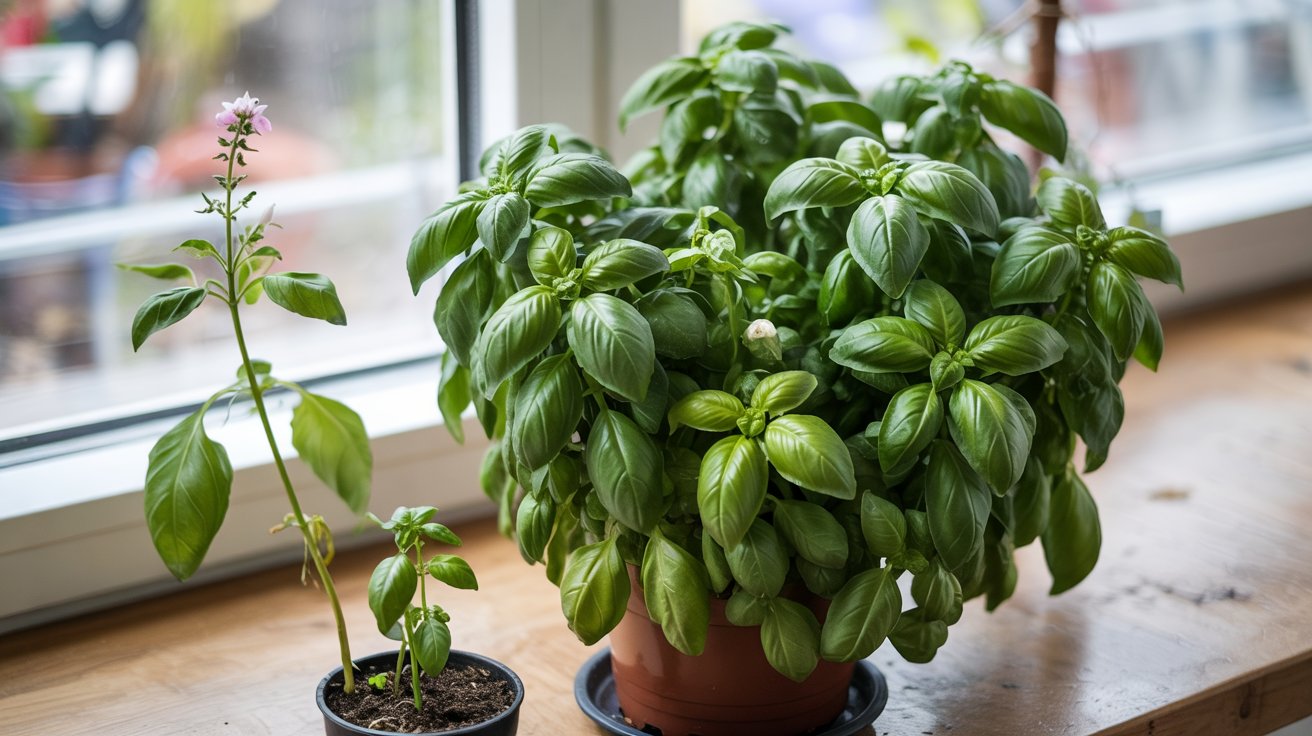
A single healthy plant on a sunny windowsill can supply enough leaves for weekly pasta nights, and a small outdoor bed of four to six plants can keep you in fresh pesto all summer long.
The challenge most beginners face isn't really about basil being difficult. It's about skipping the fundamentals - not enough light, wrong watering habits, or letting the plant flower before it's been harvested properly.
This guide covers both indoor and outdoor growing in one unified framework. Whether you're working with a south-facing window in January or a garden bed in June, the same core principles apply: light, warmth, drainage, and frequent cutting.
According to UMN Extension, basil grows best in full sun, and indoor plants that don't get consistent bright light will become leggy and produce fewer leaves. That one fact alone prevents most indoor failures.
We'll walk through variety selection, setup steps for both environments, a harvesting routine that keeps plants productive, and a quick troubleshooting reference.
If you're also growing other herbs, our guide to thriving herbs indoors covers companion plants that pair well with basil on a kitchen shelf.
Basil needs 6–8 hours of light daily, well-draining soil, consistent moisture, and regular harvesting to stay productive. It grows well indoors or outdoors as long as temperatures stay above 50°F.
Pick stems just above a leaf node to trigger branching and extend the plant's productive life.
Basil Varieties and Uses
Choosing the right variety before you plant saves a lot of frustration later. A compact Genovese basil in a 6-inch pot behaves very differently from a sprawling Thai basil in a raised bed, and flavor differences are significant enough to affect the finished dish.
Remember it later
Planning to try this recipe soon? Save it for a quick find later!
The UC ANR basil fact sheet identifies several distinct culinary types - Genovese, Thai, lemon, and purple among them - each with unique flavor notes and growth habits that make some better suited to containers than others.
| Variety | Flavor Profile | Growth Habit | Best For | Container? |
|---|---|---|---|---|
| Genovese | Sweet, classic, slightly peppery | Upright, 18–24 in. | Pesto, caprese, pasta sauces | Yes — 6–8 in. pot |
| Thai (Ocimum basilicum 'Siam Queen') | Anise, licorice, spicy | Bushy, 12–18 in. | Stir-fries, curries, pho | Yes — 6 in. pot |
| Lemon basil | Citrus, floral, mild | Compact, 12 in. | Fish dishes, salad dressings, tea | Excellent — stays small |
| Cinnamon basil | Warm spice, sweet | Upright, 18–24 in. | Desserts, fruit salads, cocktails | Yes — 8 in. pot |
| Purple (Dark Opal) | Mild, slightly clove-like | Bushy, 12–18 in. | Garnish, infused vinegars | Yes — ornamental too |
| Lettuce Leaf | Sweet, mild, large leaves | Tall, 24–30 in. | Wraps, fresh eating, salads | Needs 10 in. pot |
For container growing, lemon basil and Thai basil are the most compact and manageable choices. Genovese is the classic pesto variety and produces the highest leaf volume, but it needs a deep enough pot and strong light to stay bushy rather than tall and thin.
If you're new to growing food in pots, the same principles behind growing citrus in containers apply here - drainage holes, quality potting mix, and consistent feeding matter more than the pot material.
- For pesto: Genovese is the industry standard, with large, cupped leaves and a classic sweet-pepper aroma that holds up in blended sauces.
- For Thai cooking: Thai basil holds its flavor during cooking better than Genovese, making it the right call for stir-fries and soups.
- For small spaces: Lemon basil stays under 12 inches, tolerates partial shade better than most types, and works beautifully in 4-6 inch windowsill pots.
- For ornamental use: Purple basil adds visual contrast to beds or mixed containers while still being fully edible.
Indoor Basil: Setup and Step-by-Step
Indoor basil succeeds or fails based on two things above all else: light and airflow. A plant stuffed in a dark corner will stretch toward any available light, grow pale, and become vulnerable to fungal issues within weeks.
The UF/IFAS gardening guide recommends a well-draining potting mix, ample light, and consistent pinching of flower buds to keep leaf production high indoors. Those three habits are the foundation for everything that follows.
If indoor light is genuinely limited - north-facing rooms, basement offices, or winter in northern states - don't try to compensate with more water or fertilizer. The only real fix is more light.
Pothos and other low-light tolerant plants are better for those spaces, while basil needs a dedicated bright spot.
Feed indoor basil with a diluted liquid fertilizer (half-strength balanced 10-10-10) every two weeks during active growth. Over-fertilizing produces lush green leaves with weaker flavor, so less is more.
For growers comparing the effort of basil versus other windowsill plants, basil is more demanding than something like easy-care trailing vines but gives you something edible in return within weeks.
Outdoor Basil: Setup, Seasonality, and Care
Outdoors, basil rewards you with faster growth and bigger yields - but it also faces more variables. Soil temperature, rainfall, and pests all play roles that don't exist in a controlled indoor setting.
According to Utah State Extension, basil needs about 1½ inches of water per week in warm growing conditions, with roots kept consistently moist but never waterlogged. A sunny, well-drained site is non-negotiable for strong outdoor performance.
In USDA Zones 9–11, basil can grow nearly year-round as a short-lived perennial. In Zones 5–8, treat it as an annual and start seeds indoors 4–6 weeks before last frost. In Zone 4 and colder, expect a shorter outdoor season of roughly 10–12 weeks.
Aphids and Japanese beetles are the most common outdoor pests on basil. A strong blast of water knocks aphids off stems without chemicals.
Handpicking beetles works for small infestations. If you're growing basil alongside larger crops like sprawling pumpkin vines, keep basil toward the bed's edge where air circulation stays better.
Outdoor basil grown in full sun is much simpler to manage than many garden plants.
Compared to the structured pruning routines required for formal shrubs or the deadheading cycles needed for perennial flowers, basil asks only that you harvest it often and keep it from flowering.
For growers also tending a mixed vegetable bed, basil pairs well with tomatoes and lettuce. If you're wondering how often lettuce needs watering versus basil, the two plants have similar moisture needs and work well in adjacent rows.
Harvesting, Care, and Troubleshooting
The right harvesting technique does more for your plant's longevity than any fertilizer or amendment. Always cut stems just above a pair of leaves - never strip individual leaves from the middle of a stem, which leaves bare stalks that don't branch well.
UMN Extension confirms that morning harvests preserve the highest flavor concentration, since essential oils are most potent before midday heat. Cut what you need, then use or store within hours for the best result.
- Storage: Keep fresh-cut stems in a glass of water at room temperature (not the fridge - cold damages basil leaves). Use within 5-7 days.
- Freezing: Blend leaves with olive oil and freeze in ice cube trays for up to 3 months of usable flavor.
- Yellowing leaves: Usually caused by overwatering or insufficient light - check soil drainage first, then light hours.
- Leggy growth: Almost always a light shortage. Move the plant to a brighter spot or add a grow light before trying anything else.
- Wilting despite moist soil: Check for Fusarium wilt, a fungal disease with no cure. Remove affected plants promptly to prevent spread.
Browse other edible and ornamental plant guides to build out your growing space with plants that complement your basil setup.
Frequently Asked Questions
Use a full-spectrum grow light for 14–16 hours daily and keep temperatures above 60°F. Natural window light is rarely sufficient in winter north of Zone 7.
Lemon basil and Thai basil stay compact at 12 inches and thrive in 6-inch pots. Genovese works too but needs at least an 8-inch pot to avoid root crowding.
Prune every 7–14 days once the plant has 6 or more leaf sets, cutting just above a node. This forces branching and can double leaf production within two weeks.
Yes. Thai basil is one of the better indoor varieties due to its compact habit. It needs the same 6–8 hours of bright light as Genovese but tolerates slightly drier soil.
Harvest Genovese basil in the morning before flower buds fully open, when essential oil content peaks. Plants at 8–12 inches tall yield the most flavorful leaves for blending.
Pin it for your next how to grow basil (indoor and outdoor) project.