Palm trees split cleanly into two leaf types - fan palms and feather palms - and that single distinction shapes everything from how much space you need to which USDA zones will keep them alive.
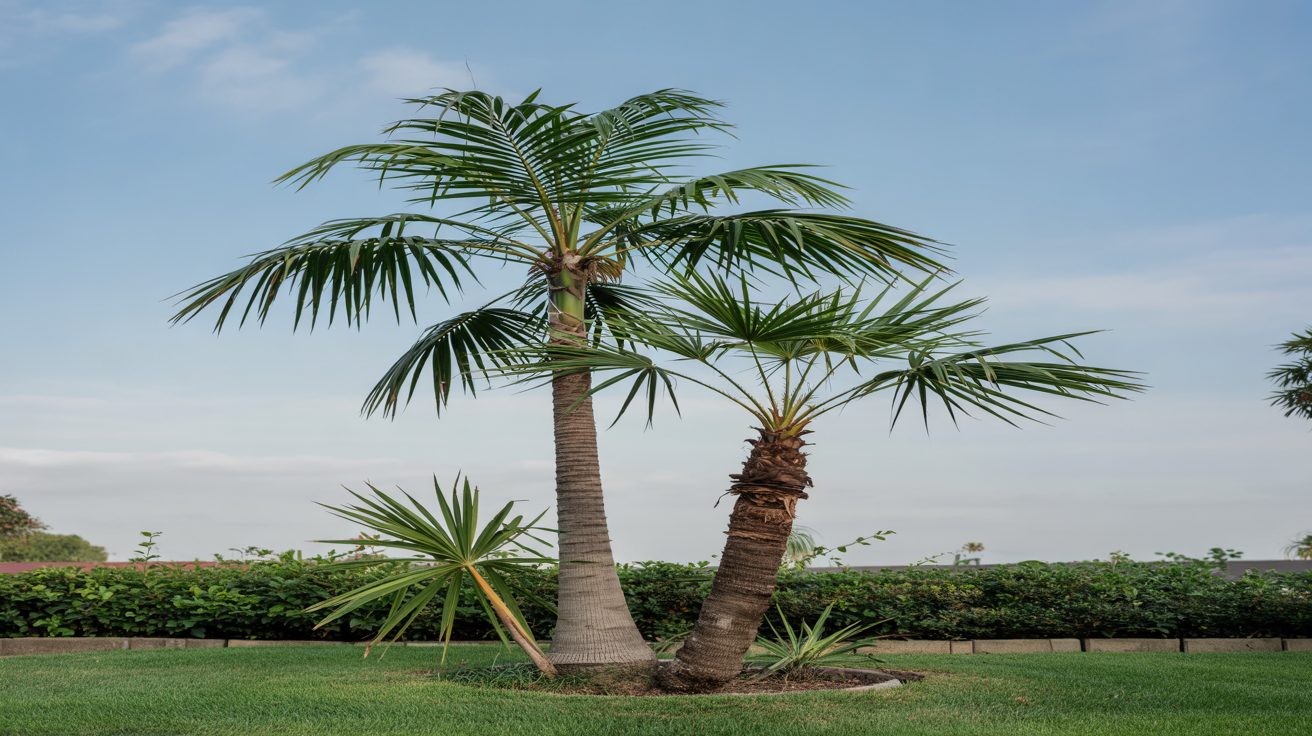
Pick the wrong one and you're either replacing a freeze-killed specimen in spring or hacking skyscraper trunks away from your roof.
This guide covers 12 palm varieties suited to yards and containers, from cold-hardy specimens in zone 6 to full-tropical types that demand zone 10-11 heat.
We cover mature size, sun requirements, freeze tolerance, and the single best use case for each palm so you can match the right tree to your actual site.
Cold-Hardy Palms for Temperate Gardens
Most homeowners in zones 6-8 assume palms are off the table entirely. A handful of species genuinely survive hard winters, and knowing which ones changes what's possible in mid-Atlantic, Pacific Northwest, and upper South gardens.
Remember it later
Planning to try this recipe soon? Save it for a quick find later!
Needle Palm
Zone 6-10 Easy
Rhapidophyllum hystrix is the hardiest palm in cultivation, tolerating temperatures down to -5°F once established. It's a clumping, multi-stemmed species that stays compact - rarely taller than 6 feet - with sharp spines bristling at the base of each stem, which explains the common name.
- Cold limit: -5°F or lower with established root systems, making it viable in most of zone 6 with minimal protection.
- Habit: Dense, spreading clump reaching 6-12 feet wide - works as a bold accent or informal barrier planting.
- Light: Partial to full shade, which is rare among palms; it grows naturally in forest understories in the Southeast.
Windmill Palm
Zone 7-10 Easy
Trachycarpus fortunei handles brief freezes to -8°F, which puts it in more American gardens than almost any other upright palm. The garden plants that consistently outperform expectations in zone 7 corridors - coastal Virginia, Portland, western North Carolina - often include this species.
- Wind resistance: Fan-shaped leaves flex and shed wind instead of catching it, unlike feather palms that can shred in storms.
- Trunk: Slender, fibrous trunk topped with a tight crown; stays narrow enough for small yards at 10-20 ft tall.
- Growth rate: Slow - expect 6-8 inches per year, so buy the largest specimen your budget allows.
Windmill Palm survives zone 7 winters but needs a sheltered wall or south-facing microclimate in zone 7a. Open, exposed sites in zone 7 can still kill it during a prolonged freeze below 10°F.
Jelly Palm / Pindo Palm
Zone 8-11 Easy
Butia capitata produces arching, blue-green pinnate fronds and clusters of small orange-yellow fruits tart enough to make excellent jelly - hence both common names.
It handles brief dips to about 15°F and shrugs off coastal salt spray, making it a workhorse for zone 8-9 coastal plantings.
- Fruit: Heavy clusters of 1-inch fruits ripen in late summer; edible raw but most often processed into preserves.
- Salt tolerance: One of the best among ornamental palms - viable within 500 feet of the ocean.
- Size: Stays 10-20 ft tall with a broad, weeping crown that reads more sculptural than imposing.
Large Statement Palms for Sunny Landscapes
These are the palms that define a skyline or anchor a large property. None of them belongs in a small suburban lot - but in the right setting, a single mature specimen does more visual work than a dozen shrubs.
Canary Island Date Palm
Zone 9-11 Medium
At 40-60 feet tall with a trunk that can exceed 3 feet in diameter, Phoenix canariensis is a true specimen tree.
The trunk develops a distinctive pineapple-textured base where old frond bases stack in rings - no other palm in this list produces that visual detail.
- Growth rate: 6-12 inches per year - slow enough that established trees represent decades of investment.
- Fronds: 15-18 ft arching fronds with sharp basal spines; wear leather gloves when working near the crown.
- Best use: Boulevard or estate specimen where overhead clearance is not a constraint.
Mexican Fan Palm
Zone 8-11 Easy
Washingtonia robusta grows faster than nearly any other palm - in warm zones it can push 5 feet of height per year once established - and routinely tops out at 70-100 feet.
If you need rapid vertical height and your zone supports it, nothing in the palm family competes on speed.
- Dead skirt: Old fronds persist as a dense, thatch-like skirt below the living crown unless actively removed.
- Lifespan: Shorter-lived than many palms - 50-100 years - and more prone to trunk disease in humid climates.
- Root zone: Non-invasive root system makes it safer near pavement than many broadleaf trees of similar height.
Queen Palm
Zone 9-11 Easy
Syagrus romanzoffiana offers fast growth, a clean smooth gray trunk, and long feathery fronds that photograph well - which explains why it fills California and Florida subdivisions by the thousands. It tolerates brief cold to 20°F but can suffer frond tip burn below that threshold.
- Manganese need: Queen palms are notorious for manganese deficiency; apply granular manganese sulfate annually in alkaline soils.
- Fruit litter: Heavy clusters of orange fruits drop and ferment on pavement - avoid planting over driveways or pool decks.
- Height: Reaches 30-50 ft with a crown spread of 15-25 ft.
California Fan Palm
Zone 8-11 Easy
The only palm native to the western United States, Washingtonia filifera grows at desert oases in California and Arizona. Its trunk is noticeably thicker than its Mexican cousin, and the fronds have distinctive white fiber filaments that hang from the leaf segments.
- Cold tolerance: Slightly hardier than W. robusta, reliable in sheltered zone 8 sites.
- Crown: Broader and fuller than Mexican Fan Palm; at 40-60 ft it's more proportionate in mid-scale commercial plantings.
- Drought: Once established, survives on rainfall alone in low-desert climates with summer temps above 100°F.
Bismarck Palm
Zone 10-11 Medium
Bismarckia nobilis stops people mid-stride. Its stiff, silvery-blue fan fronds - each one up to 10 feet wide - make it the most visually distinctive palm on this list.
Like selecting drought-adapted plants for color contrast, placing a Bismarck in a green tropical landscape creates instant focal drama.
- Color: Silver-blue is the most striking form; a green-leaved variety also exists but has little ornamental advantage over other fan palms.
- Transplanting: Does poorly when moved; plant in its permanent location and disturb the root zone as little as possible.
- Size: 30-40 ft tall with a crown nearly as wide - needs 20 ft of clearance in all directions.
Bismarck Palm roots are extremely sensitive to disturbance. Digging, heavy foot traffic, or soil compaction within 10 feet of the trunk during the first three years after planting can stall growth for a full season or cause visible frond decline.
Coconut Palm
Zone 10-11 Hard
Cocos nucifera is the most recognized palm on Earth, but it's also the most site-specific. It demands consistently warm temperatures year-round, sandy well-drained soil, and high humidity - even a brief hard freeze will kill it.
- Zone reality: Reliably outdoor-grown only in south Florida, Hawaii, and coastal southern California microclimates in the US.
- Height: Can reach 50-80 ft; dwarf cultivars like 'Malayan Dwarf' stay under 30 ft and are more practical for residential yards.
- Fruit timing: Trees typically begin producing coconuts at 6-10 years of age from planting.
Low-Growing and Container Palms
Not every garden needs a 50-foot crown. This category covers palms scaled for patios, entry gardens, interior atriums, and zones where a smaller footprint matters more than drama.
Pygmy Date Palm
Zone 9-11 Medium
Phoenix roebelenii is the go-to container palm for good reason: fine, arching fronds on a slender trunk max out at 6-12 feet, fitting a large pot or courtyard planting without overrunning the space.
Multi-trunk specimens - three trunks clustered at planting - look more established immediately than single-trunk plants.
- Indoor use: Tolerates bright indoor light for weeks at a time, but humidity below 40% causes brown frond tips within a month.
- Spine hazard: Stiff, sharp leaflet tips make it a poor choice near children's play areas or pedestrian paths.
- Container care: Repot every 2-3 years; roots circling the bottom of the pot reduce vigor noticeably within one season.
Majesty Palm
Zone 10-11 Medium
Ravenea rivularis is sold by the millions as a houseplant, but most of those plants eventually decline because indoor conditions can't match what this palm actually needs.
It performs far better on a warm, humid patio than in a living room - think of it the way you'd think of shade-loving ferns that struggle under harsh indoor heating.
- Indoor failure point: Most indoor specimens die from spider mites and low humidity, not cold; mist fronds and run a humidifier nearby.
- Outdoor best use: Partial shade patio specimen in zone 10-11; trunk stays clean and straight when it gets regular moisture.
- Growth rate: Moderate outdoors (1-2 ft/year); noticeably slower indoors where light is limiting.
Saw Palmetto
Zone 8-11 Easy
Serenoa repens rarely gets credit as a landscape plant, but it's one of the most useful low-maintenance natives in the Southeast. At 2-6 feet tall with a spreading, prostrate habit, it functions as a groundcover, erosion control plant, and wildlife habitat all at once.
- Drought performance: Among the most drought-tolerant palms available - established plants survive months without irrigation in sandy Florida soils.
- Salt tolerance: Handles salt spray and coastal wind without leaf damage, outperforming many ornamental shrubs in beachfront gardens.
- Wildlife value: Berries feed 300+ wildlife species; the dense crown shelters ground-nesting birds and small mammals.
Saw Palmetto is nearly impossible to transplant from the wild — the root system extends 15+ feet horizontally. Always buy nursery-grown container stock. Field-collected specimens have a transplant survival rate under 30%.
| Palm | Zone | Mature Height | Growth Rate | Best Use |
|---|---|---|---|---|
| Needle Palm | 6-10 | 3-6 ft | Slow | Coldest zone groundcover |
| Windmill Palm | 7-10 | 10-20 ft | Slow | Temperate specimen |
| Jelly Palm | 8-11 | 10-20 ft | Slow-moderate | Coastal accent |
| Saw Palmetto | 8-11 | 2-6 ft | Slow | Native groundcover |
| Queen Palm | 9-11 | 30-50 ft | Fast | Fast canopy fill |
| Mexican Fan Palm | 8-11 | 70-100 ft | Very fast | Skyline height |
| Bismarck Palm | 10-11 | 30-40 ft | Moderate | Color focal point |
| Coconut Palm | 10-11 | 50-80 ft | Moderate | Tropical statement |
Palm Planting and Soil Basics
Palms share a critical structural difference from broadleaf trees: they have a single growing point at the apex of the trunk. Damage that point - from hard frost, lightning, or a careless chainsaw - and the tree is dead.
That fact shapes every decision from site selection to pruning.
Soil drainage matters more than fertility for most palms. Standing water at the root zone for more than 48 hours promotes Phytophthora root rot, which kills from the ground up and is essentially untreatable once established.
Raised planting mounds in clay soils solve this before it starts.
- Planting depth: Never bury the trunk base deeper than it sat in the nursery container - too deep causes crown rot in humid climates.
- Fertilizer: Use a palm-specific slow-release formula with magnesium and potassium; standard lawn fertilizers cause micronutrient deficiencies in most species.
- Mulch: Apply 3 inches of wood chip mulch in a wide ring, keeping it 6 inches away from the trunk base to prevent fungal collar rot.
- Watering after transplant: Water every 2-3 days for the first 8 weeks regardless of rain, then step down to weekly once new frond growth is visible.
Palms should never have green fronds removed — only fully brown fronds. Cutting green fronds stresses the tree and can trigger potassium deficiency symptoms in the remaining crown. The "hurricane cut" style (removing nearly all fronds) measurably reduces cold hardiness in the following winter.
Palms transplant best when soil temperature is above 65°F, which in most zones means late spring through early summer. Fall planting in zones 9-11 also works.
Winter planting in marginal zones stresses the root system at its most vulnerable point - screening plants that include cold-hardy palms survive longer when planted before temperatures drop.
Which Palm Fits Your Situation?
The right palm depends on zone first, then the specific role it needs to fill. This shortcut narrows the field quickly.
- Zone 6-7, want any upright palm: Windmill Palm in a sheltered south-facing microclimate is your only realistic upright option; Needle Palm works everywhere in zone 6 as a clumping groundcover form.
- Zone 8-9, want a manageable 10-20 ft specimen: Jelly Palm outperforms most options - cold-tolerant, salt-adapted, and produces edible fruit as a bonus.
- Want fast height in zone 9-11: Mexican Fan Palm reaches usable canopy height faster than any alternative, though fast-growing trees in other genera may offer better longevity in humid climates.
- Container planting for a patio or moving indoors in winter: Pygmy Date Palm in a 20-inch pot is the most forgiving option; repot before roots circle the bottom and keep humidity above 50% indoors.
- Zone 10-11, want visual drama beyond green: Bismarck Palm's silver-blue crown is unmatched - no other palm produces that color at that scale.
- Native Southeast garden or erosion control: Saw Palmetto requires the least maintenance of any palm on this list once established and supports more wildlife species than the alternatives.
For zone 10-11 gardeners wondering whether to choose ornamental focal trees over a statement palm, the distinction often comes down to canopy: palms provide vertical drama without casting heavy shade, while broadleaf specimens block more light but offer seasonal color change.
Fan Palm vs. Feather Palm: Does It Actually Matter?
Beyond aesthetics, leaf structure affects maintenance, wind performance, and how a palm fits a specific site. Fan palms - Windmill, California Fan, Bismarck, Needle, Saw Palmetto - have palmate leaves radiating from a central point like fingers on a hand.
Feather palms - Queen, Coconut, Pygmy Date, Jelly, Majesty - have pinnate leaves with leaflets arranged along a central rib like a feather.
- Wind damage: Fan palms generally shed wind better because the rigid leaf can tilt as one unit; pinnate fronds can shred along leaflet attachment points in sustained high winds.
- Cold hardiness pattern: The three hardiest palms on this list (Needle, Windmill, Jelly) are all fan palms - not a coincidence, as fan-leaf structure may contribute to freeze resistance, though genetics and origin matter more.
- Visual texture: Feather palms cast a finer, more tropical texture; fan palms read bolder and more architectural from a distance.
- Debris pattern: Feather palm fronds drop as long single units when they die; fan palm leaves can partially drop or hang, requiring more frequent cleanup in formal settings.
Knowing whether you're choosing a shade-tolerance question or a sun-maximizing one also helps narrow the leaf type: fan palms dominate the shade-tolerant end of the spectrum, while feather palms almost all need full sun to look their best.
Frequently Asked Questions
Windmill Palm (Trachycarpus fortunei) is the most reliable upright palm for zone 7, surviving brief freezes to -8°F in sheltered sites; Needle Palm also grows in zone 7 and tolerates temperatures down to -5°F as a low clumping form.
Pygmy Date Palm (Phoenix roebelenii) handles indoor bright light better than most species, though it needs humidity above 50% to avoid brown frond tips; Majesty Palm is widely sold indoors but declines quickly without high humidity and strong light.
Mexican Fan Palm is the fastest, adding up to 5 feet per year in warm zones and reaching 70-100 feet at maturity; Windmill Palm and Needle Palm grow only 6-8 inches per year, making them far more manageable in residential landscapes.
Coconut Palm (Cocos nucifera) grows reliably outdoors only in south Florida, Hawaii, and coastal southern California microclimates in USDA zones 10-11; a single hard freeze below 32°F for more than a few hours can kill the growing tip and the entire tree.
Jelly Palm (Butia capitata) handles salt spray, coastal wind, and brief freezes to 15°F while staying under 20 feet tall; Saw Palmetto is an even tougher native option for zone 8-11 coastal sites where low-maintenance erosion control matters more than ornamental appeal.
Pin it for your next types of palm trees: best varieties and growing tips project.