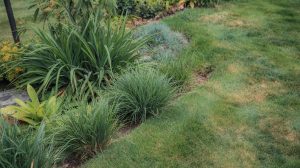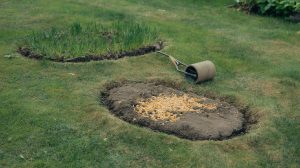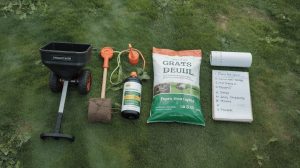
Picking a bag of fertilizer off the shelf without knowing your grass type is like buying shoes without knowing your size - you might get lucky, but you probably won't.
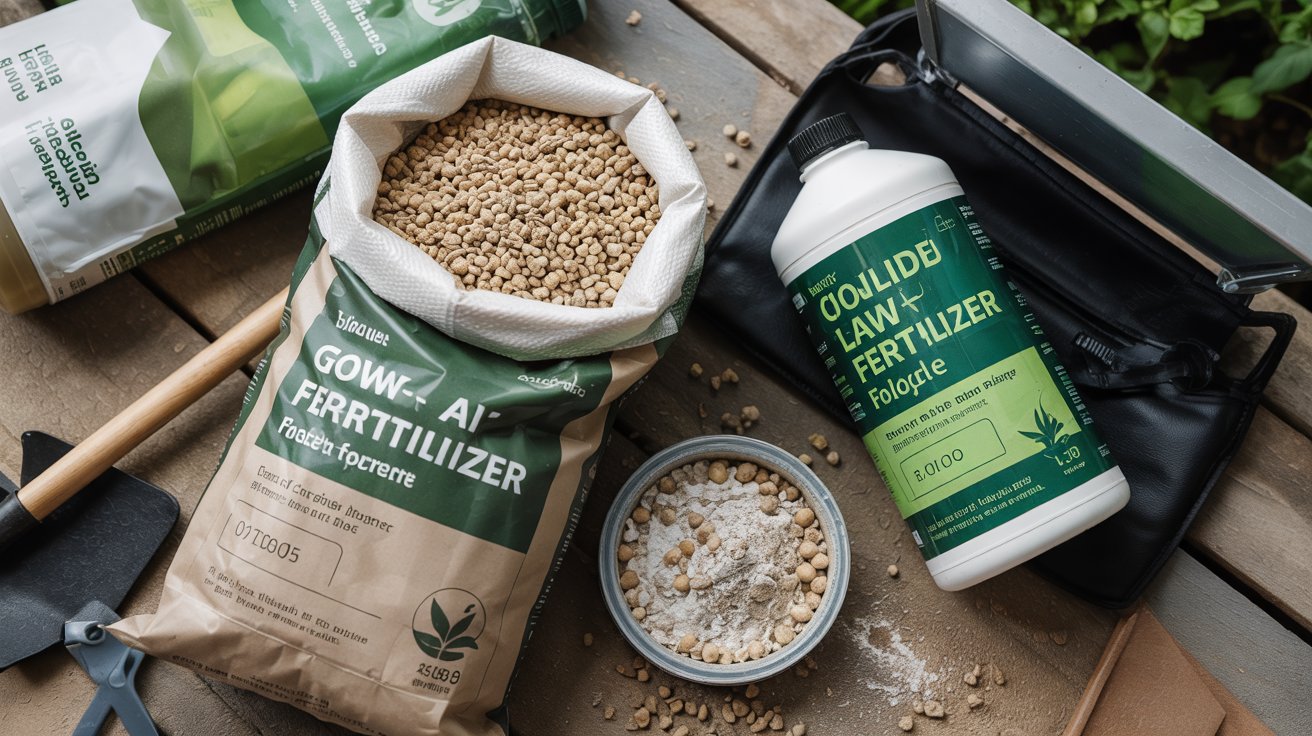
Bermudagrass and tall fescue have fundamentally different nitrogen demands, growth seasons, and feeding windows, which means a product that delivers results on a Southern lawn can stress a cool-season lawn in the Northeast.
Most lawn problems - thin coverage, yellowing, excessive thatch - trace back to fertilizer applied at the wrong time or in the wrong amount.
This guide builds a grass-type-first framework so every fertilizer decision connects to your actual turf. You can compare which grass suits your region before you buy a single bag.
We cover warm-season and cool-season guidelines separately, include organic alternatives, and tie it all to realistic budget tiers. Regional nitrogen rates, soil-test guidance, and split-application schedules are all here.
Your grass type determines fertilizer timing, N-P-K ratio, and annual nitrogen rate. Bermudagrass needs 3–7 lb N/1000 sq ft per year depending on region; tall fescue needs just 2–3 lb.
Soil testing every three years keeps spending targeted and prevents overapplication.
Not sure whether your grass is warm- or cool-season? Warm-season grasses go brown in winter and green up in late spring. Cool-season grasses stay green through fall and early spring but slow down hard in July heat.
How to Choose a Fertilizer by Grass Type?
Buying the right fertilizer comes down to answering five questions in order: grass type, climate zone, soil test results, formulation preference, and timing window. Skipping any step leads to guesswork - and wasted money.
Remember it later
Planning to try this recipe soon? Save it for a quick find later!
According to UF/IFAS extension guidance, Bermudagrass annual nitrogen recommendations vary significantly by region - 3-5 lb N/1000 sq ft in northern Florida, 4-6 in central, and 5-7 in southern zones. A flat rate ignores that spread entirely.
Warm-Season Fertilizer Guidelines for Bermudagrass
Cynodon dactylon (Bermudagrass) is a high-nitrogen user that grows fast when soil temperatures stay above 65°F. Feed it too early and nitrogen leaches before the roots can absorb it; feed it too late and you push tender growth into a frost window.
The University of Georgia extension recommends 2-5 lb N/1000 sq ft per year for Bermuda, with applications timed after soil temperature rises and adjusted by soil test results. Splitting that total into 4-6 smaller applications reduces runoff risk and prevents fertilizer burn on this already aggressive turf.
You can also review Bermuda vs. zoysia fertilizer differences if you're deciding between warm-season options.
| Region | Annual N Rate (lb/1000 sq ft) | Primary Application Window | Split Applications |
|---|---|---|---|
| Northern (Zone 6–7) | 3–5 | Late May – August | 3–4 splits |
| Central (Zone 7–8) | 4–6 | April – September | 4–5 splits |
| Southern (Zone 9–11) | 5–7 | March – October | 5–6 splits |
| Transition Zone | 3–4 | May – August | 3 splits |
For Bermuda, a slow-release nitrogen source - polymer-coated urea or sulfur-coated urea - works well for the bulk of the season. Fast-release products are useful for the first spring application when you need quick green-up after dormancy.
Phosphorus and potassium needs depend heavily on your soil type and drought stress history. Sandy soils in coastal regions lose potassium quickly and usually need supplemental K applications mid-season.
Avoid applying nitrogen within 6 weeks of the first expected frost date. Late nitrogen forces soft leafy growth that Bermuda cannot harden before cold arrives, leading to winter kill at the crown.
Check the UGA Bermudagrass lawn calendar for a month-by-month application breakdown specific to Georgia and surrounding states.

Cool-Season Fertilizer Guidelines for Tall Fescue
Festuca arundinacea (tall fescue) behaves the opposite of Bermuda - it peaks in spring and fall, then barely grows through summer heat. That growth pattern completely reshapes the fertilizer calendar.
Rutgers University's turf fertility guidelines set tall fescue's annual nitrogen target at 2-3 lb N/1000 sq ft per year, with the heaviest feeding in fall and a lighter application at spring green-up. Applying more than that threshold increases disease pressure and thatch buildup without improving turf quality.
If you're weighing fescue against another cool-season option, the ryegrass vs. fescue comparison covers their different nutrient needs side by side.
| Grass Type | Annual N Rate (lb/1000 sq ft) | Primary Window | Summer Rule |
|---|---|---|---|
| Tall Fescue | 2–3 | September – November, March – April | No N above 85°F |
| Kentucky Bluegrass | 2–4 | September – October, April – May | Skip July–August |
| Perennial Ryegrass | 2–4 | September – November, March – May | Reduce or skip |
| Fine Fescue | 1–2 | September – October | Minimal N needed |
Fall feeding is the most important application for all cool-season grasses. A September-October application fuels root development after summer stress and sets up spring density without forcing excessive top growth.
Many lawn care professionals call this the one application you cannot skip.
Spring feeding should be light - roughly 0.5-1 lb N/1000 sq ft - to support green-up without pushing a flush of blade growth that invites fungal disease in humid climates.
Do not apply nitrogen to tall fescue after mid-May in most regions; summer heat combined with soluble nitrogen is a reliable recipe for root stress.
Slow-release formulations matter less for cool-season grasses than timing does. A standard granular product applied correctly at the right moment outperforms an expensive slow-release product applied in July.
Fertilizing tall fescue during a summer heat wave — even with a low-nitrogen product — can push disease like brown patch. If daytime temps are consistently above 85°F, hold off entirely until September.
Organic Lawn Fertilizers and Soil Health
Organic fertilizers release nitrogen slowly through microbial activity, which naturally limits burn risk and feeds the soil biology rather than just the grass blades. Products derived from feather meal, blood meal, or compost deliver N-P-K alongside carbon that synthetic granules cannot provide.
The trade-off is speed. Organic sources often need 2-4 weeks longer to show visible results, especially in cold soil where microbial activity slows.
For spring green-up on a deadline, they're less reliable than a quick-release synthetic application.
Montgomery County DEP recommends soil testing every 3 years and notes that organic lawn practices actively support microbial life in the soil. Healthy soil biology reduces the total fertilizer input your lawn needs over time.
When evaluating organic products, look for a labeled nitrogen percentage of at least 5% and a clear indication of slow-release source materials.
Products that list "water insoluble nitrogen" (WIN) on the label are true slow-release; those listing only "water soluble nitrogen" behave more like synthetics despite organic origins.
Pairing organic fertilizer with aeration each fall lets nutrients reach the root zone faster and compounds the soil-building benefit year over year. Check the seasonal timing guides to align organic applications with active microbial windows in your region.
Budget-Friendly Buying Guide
Fertilizer price per bag means very little without knowing the actual nitrogen content and coverage area. A $60 bag covering 15,000 sq ft costs less per application than a $25 bag covering 5,000 sq ft - yet the cheaper label wins at the shelf.
Missouri Extension's fertilizer selection guide emphasizes that soil test results should drive product selection, not marketing claims. Knowing your existing phosphorus level, for example, lets you skip expensive complete fertilizers and buy a straight nitrogen source instead.
Some links in this guide are affiliate links - we may earn a small commission at no extra cost to you. We only recommend products consistent with the grass-type guidance and N-rate data in this article.
If you're also budgeting for ground prep, our sod installation cost guide covers the full picture for new lawn establishment.
When managing weeds alongside feeding, pairing the right fertilizer schedule with a targeted lawn weed control product prevents competition that steals nutrients from your turf.
Frequently Asked Questions
A slow-release nitrogen fertilizer with an N-P-K ratio like 32-0-6 works well for established Bermuda. Apply after soil temps exceed 65°F, splitting the annual 3–7 lb N/1000 sq ft total into 4–6 applications.
Feed tall fescue primarily in fall (September–November) and lightly in spring (March–April). Skip summer entirely — nitrogen applied above 85°F increases disease risk without improving turf health.
Yes, but effectiveness drops in cold soil because microbial activity slows below 50°F. Organic fertilizers still provide soil-building benefits in fall even when nutrient uptake is minimal.
Soil tests reveal existing phosphorus and potassium levels, so you avoid paying for nutrients you don't need. Testing every 3 years can reduce annual fertilizer spending by 20–30% on well-maintained lawns.
No — Bermuda needs 2–3× more annual nitrogen than fine fescue, and their active seasons don't overlap. Using one product on a mixed lawn will either starve the high-demand grass or burn the low-demand one.
Pin it for your next best lawn fertilizer by grass type project.