Most lawn problems - patchy growth, persistent weeds, bare brown rings - trace back to mowing mistakes that happen week after week without anyone realizing it. Mowing height, blade sharpness, and cutting frequency matter far more than most homeowners expect.
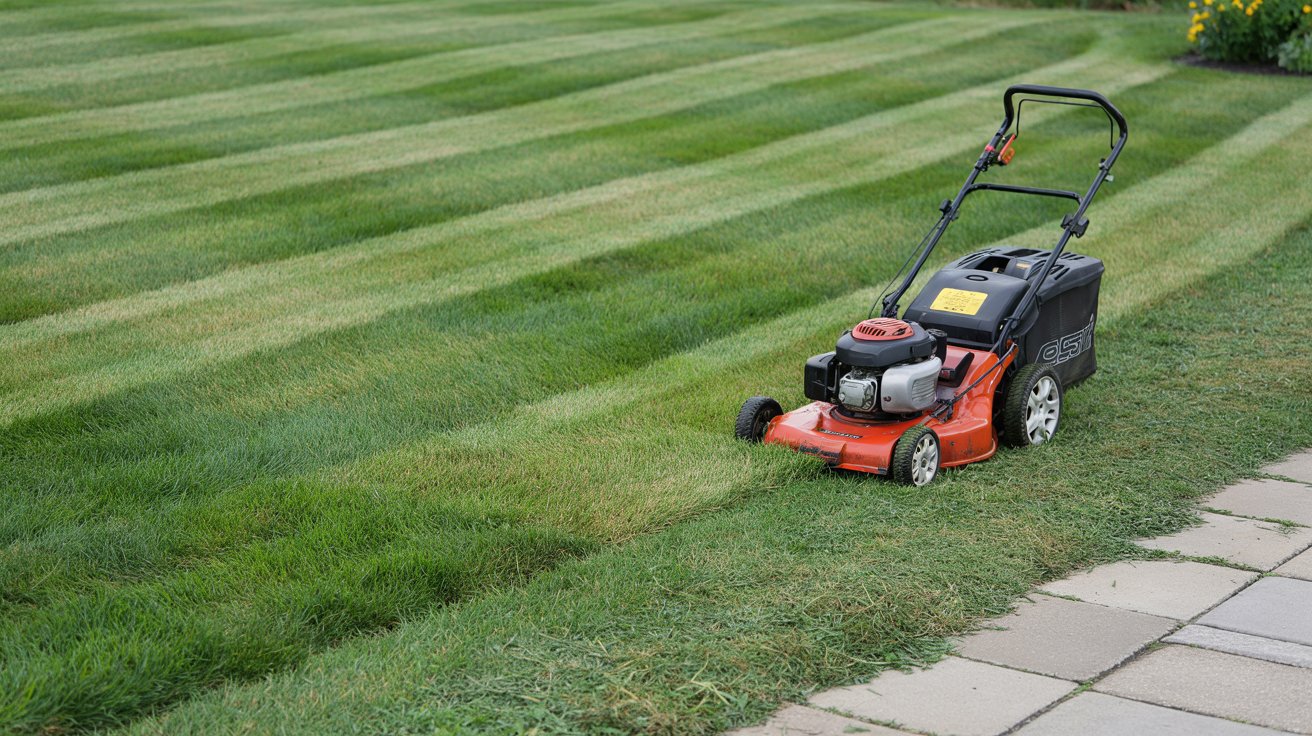
Get these three things right and your lawn handles drought, foot traffic, and weed pressure much better on its own.
Mow at the correct height for your grass type, never removing more than one-third of the blade in a single pass. Keep your mower blade sharp, alternate your mowing pattern weekly, and mulch short dry clippings to feed the lawn naturally.
What You Need Before You Start?
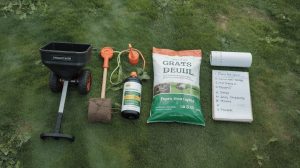
Having the right gear ready before you pull the mower out of the garage saves time and prevents the kind of mid-job shortcuts that damage turf. You don't need anything fancy - but each item on this list has a specific job.
Remember it later
Planning to try this recipe soon? Save it for a quick find later!
- Push or riding mower with adjustable deck: Deck height should be easy to change in half-inch increments. Sharpen the blade at least twice per season or every 20-25 hours of use.
- String trimmer: Handles edges along fences, beds, and driveways where the mower deck can't reach cleanly.
- Rake or leaf blower: Clear sticks, stones, and debris before mowing - a rock thrown by a blade can reach 100 mph.
- Ear and eye protection: Standard mowers hit 90-100 dB, which causes hearing damage in under 2 hours of exposure.
- Work gloves: Required whenever you're adjusting or inspecting a blade - even with the spark plug disconnected.
- Soil thermometer (optional): Useful for timing first and last cuts of the season, especially in zones 5-7 where the transition windows are narrow.
Always disconnect the spark plug wire before tilting the mower or touching the blade. Even a momentarily engaged blade can cause serious injury.
Step-by-Step: Mowing Your Lawn Correctly
These steps follow the natural order of a proper mow - from setup through cleanup. Skipping the early steps (especially blade inspection and height adjustment) is where most problems start.
Mow when grass is dry and air temperature is below 90°F. Morning dew needs time to evaporate — mid-morning to early afternoon is usually ideal. Evening mowing leaves wet turf overnight, which encourages fungal growth.
Grass Height Reference by Type
Cutting height isn't one-size-fits-all. Each grass species has a photosynthesis "sweet spot" - too short and roots weaken, too tall and the lawn flops and holds moisture.
Use this table as your starting point, then adjust slightly based on shade, foot traffic, and season.
| Grass Type | Ideal Height (in) | Zones |
|---|---|---|
| Kentucky bluegrass | 2.5–3.5 | 3–7 |
| Tall fescue | 3–4 | 4–7 |
| Perennial ryegrass | 2–3 | 3–6 |
| Bermuda grass | 1–2 | 7–10 |
| Zoysia | 1.5–2.5 | 6–10 |
The height difference between bluegrass and fescue is meaningful in practice - fescue's deeper roots support a taller blade, while bluegrass spreads laterally and can be kept shorter without stress.
Warm-season grasses like Bermuda are different again; keeping them at 1.5 inches in summer encourages dense, weed-suppressing growth.
Mowing Frequency: How Often Is Actually Right?
Frequency follows growth rate, not the calendar. In peak spring growth, a cool-season lawn may need cutting every 5-6 days.
In midsummer heat or drought, that same lawn might go 10-14 days between cuts without exceeding the one-third rule.
- Spring (cool-season lawns): Every 5-7 days during active growth; this is when your seasonal schedule matters most for staying ahead of growth spurts.
- Summer (cool-season lawns): Every 10-14 days; raise the deck by half an inch to shade soil and reduce water loss.
- Summer (warm-season lawns): Every 7-10 days at peak growth from late spring through early fall.
- Fall: Taper frequency as growth slows; make your final cut slightly shorter (about 2-2.5 inches for cool-season types) to reduce snow mold risk over winter.
In zones 3–5, cool-season grasses like perennial ryegrass go nearly dormant in July heat. Skip cuts if the lawn stops growing — mowing stressed dormant grass damages crowns and slows recovery in fall. In zones 8–10, Bermuda and zoysia slow down in winter and should not be mowed below their minimum height once nighttime temps drop below 50°F.
Mulching vs. Bagging: Making the Right Call
Mulching isn't always better, and bagging isn't wasteful - the right choice depends on clipping length and lawn condition at that moment. Many homeowners default to bagging out of habit and miss out on free fertilizer all season.
When you return nitrogen to soil through mulched clippings, you can reduce synthetic fertilizer applications by 25% over a full season. That adds up to real savings and lower nutrient runoff.
- Mulch when: Clippings are short (under 1 inch), grass is dry, and you're mowing on schedule. Short clippings filter through the canopy in 1-2 days.
- Bag when: You've missed a mow and clippings are thick. Long clippings mat together, block sunlight, and can kill the grass below within days.
- Bag when (disease): Your lawn has visible fungal patches - dollar spot, brown patch. Mulching spreads spores across the entire lawn.
- Compost the clippings: Bagged clippings from untreated lawns make excellent compost additions; they're nitrogen-rich and break down fast in an active pile.
Mistakes That Wreck Turf Over Time
The three most common mowing errors aren't dramatic - they happen quietly, week after week, until the lawn looks chronically patchy and hard to fix. Each one has a clear cause and an equally clear fix.
- Scalping: Setting the deck too low or cutting off more than one-third of height at once removes the leaf tissue the plant needs to photosynthesize. The result is bare or straw-brown rings, especially on slight ground contours. Raise the deck immediately and overseed thin areas in fall to fill gaps.
- Mowing wet grass: Wet clippings clump, clog the deck, and smother turf underneath. The blade also tears rather than cuts, even when sharp. Wait until mid-morning after dew has dried - if you can leave footprints in the lawn, it's still too wet.
- Repeating the same pattern: Grass leans in the direction of travel, and mower wheels compact soil in the same tracks each week. Alternate between north-south, east-west, and diagonal passes on a rotating basis to keep growth upright and soil structure intact.
A sharp blade is non-negotiable. If you can only do one maintenance task per season, sharpen the mower blade. A torn grass tip loses water three times faster than a clean cut and stays brown for days.

When Your Lawn Needs More Than a Mow?
Good mowing technique handles a lot - but some lawn problems need a different solution entirely. Knowing where mowing stops and lawn renovation begins saves you from over-cutting a lawn that actually needs feeding, aeration, or reseeding.
If you're choosing between ryegrass and fescue for a renovation or overseeding project, height tolerance is one of the most practical factors: perennial ryegrass handles lower cuts better, while tall fescue performs best kept at 3.5 inches or above.
- Persistent thin patches: If bare areas don't fill after 4-6 weeks of correct mowing, the problem is soil compaction or low fertility - not technique. Aerate in fall and follow up with overseeding.
- Weed pressure despite proper height: Weeds like crabgrass establish when soil is exposed. Check that you're not scalping edges or low spots. A pre-emergent applied in early spring prevents germination in the first place.
- Lawn growing unevenly fast: Uneven fertility - often from pet spots or old fertilizer burns - causes growth spikes in patches. A soil test identifies the problem before you keep mowing around it.
- Considering replacement: If your lawn needs more repair than maintenance, compare the cost of artificial turf against multi-year renovation expenses before committing either way.
For most homeowners, consistent lawn care - mowing, watering, and light fertilizing on schedule - prevents the kind of decline that needs expensive fixes.
Hire out if time is the real constraint; professional mowing costs run $30-$80 per visit depending on yard size, which is often cheaper than equipment repairs from deferred maintenance.
If you're still working out which warm-season grass fits your yard, comparing Bermuda and zoysia side by side makes the mowing height and frequency differences clear before you plant.
Frequently Asked Questions
Mow based on growth rate, not a fixed schedule — every 5–7 days in peak spring growth for cool-season grasses, and every 10–14 days during summer heat or drought when growth slows naturally.
Tall fescue performs best kept at 3–4 inches, with the higher end of that range recommended in summer heat since the extra blade length shades the soil and reduces drought stress on roots.
Yes, when clippings are short and dry — under about 1 inch — mulching returns roughly 0.25 lb of nitrogen per 1,000 sq ft per season, reducing how much synthetic fertilizer you need to apply.
Raise your deck to the correct height immediately and stop stressing the area further. Overseed bare patches in early fall using a matching grass seed — Kentucky bluegrass or tall fescue — and keep the soil moist until germination, which takes 7–21 days.
You can, but expect clumping and an uneven cut — wet clippings mat together and can smother turf within 48 hours if left in thick piles. If you must mow wet, bag the clippings and mow at a slower walking pace to reduce deck clogging.
Pin it for your next how to mow a lawn the right way project.