Choosing between Kentucky bluegrass and fescue comes down to three things: how much sun your lawn gets, how much water you're willing to apply, and what kind of maintenance schedule you can realistically keep.
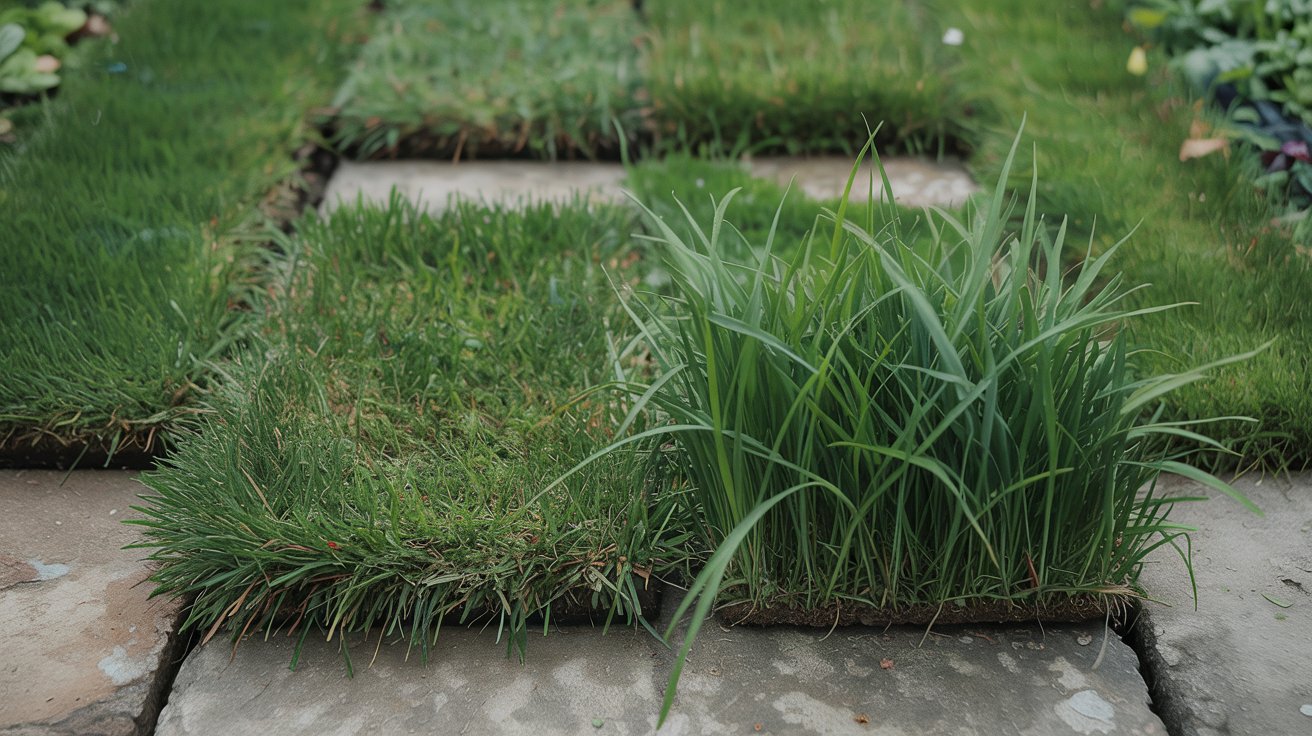
Pick the wrong one and you'll spend the summer nursing a patchy, stressed lawn.
Poa pratensis (Kentucky bluegrass) builds a thick, velvety carpet that's hard to beat visually - but it earns that look through steady irrigation and regular feeding.
Tall fescue (Festuca arundinacea) won't win a beauty contest against a well-fed bluegrass lawn, but it handles heat, shade, and dry spells without falling apart. Understanding cool-season grass differences before you seed saves you money and frustration in year one.
For most suburban lawns with mixed sun and occasional summer dry spells, a blend outperforms either grass alone.
Kentucky bluegrass delivers dense, dark-green sod in sunny, well-watered cool-climate yards. Tall fescue offers deeper roots and better drought tolerance across a wider range of conditions.
Fine fescues fill shaded zones neither species handles well alone. Blending often beats a single-species lawn.
Side-by-Side: Growth Habit, Color, and Tolerance
Kentucky bluegrass spreads through rhizomes, filling bare spots and knitting together into dense sod over a single growing season.
Remember it later
Planning to try this recipe soon? Save it for a quick find later!
That self-repair ability is one of its biggest advantages over bunch-type grasses - but it also means it grows aggressively, requiring more frequent mowing during peak spring growth.
Tall fescue is a bunch-type grass with no spreading rhizomes, so it won't fill in bare patches on its own. What it lacks in lateral spread, it compensates for with root systems reaching 2-3 feet deep, pulling moisture from soil layers that KBG simply can't access.
According to Oregon State Extension, those deeper roots are a key reason tall fescue outperforms KBG in summer drought conditions.
Color and texture tell the biggest visual story. KBG produces a fine-bladed, dark blue-green lawn that most homeowners picture when they imagine a perfect front yard.
Tall fescue runs coarser, with a medium to dark green that looks solid but won't have the same smooth finish.
Fine fescues - including creeping red fescue and hard fescue (Festuca spp.) - sit in their own category for shade. They're slower to establish in open sun but can survive and stay green in spots where KBG thins out and tall fescue struggles.
The NC State shade grass guide recommends fine fescues specifically for dense-shade areas where other cool-season grasses fail to maintain density.
Wear tolerance is a close call. KBG recovers from foot traffic well once fully established, which typically takes a full growing season after seeding.
Tall fescue handles consistent traffic from day one with fewer setbacks, making it a better fit for active-use lawns with kids and pets.
According to Purdue Turf Science, mowing KBG too short - below 2 inches - reduces root depth and makes it more vulnerable to summer stress. Tall fescue tolerates slightly higher cuts, which also supports the deeper root system that fuels its drought resilience.
Maintenance, Water Needs, and Cost Implications
Maintenance requirements separate these grasses more than any other factor. Penn State Extension notes that KBG demands consistent fertilization - typically 3-5 pounds of nitrogen per 1,000 sq ft annually - along with regular irrigation to maintain its dense appearance.
Tall fescue runs leaner, often performing well with 2-3 pounds of nitrogen per 1,000 sq ft per year.
Water bills are where the cost gap widens fastest. KBG requires regular moisture to hold color and density, especially during July and August in most cool-season zones.
Tall fescue's deeper root system lets it pull from subsoil moisture, reducing irrigation frequency during dry stretches. If you're budgeting for low-water lawn options, tall fescue is the more practical starting point.
| Category | Kentucky Bluegrass | Tall Fescue |
|---|---|---|
| Mowing height | 2.0–3.5 inches | 2.5–4.0 inches |
| Mowing frequency (peak) | Every 5–7 days | Every 7–10 days |
| Annual nitrogen (per 1,000 sq ft) | 3–5 lbs | 2–3 lbs |
| Irrigation need (summer) | 1–1.5 inches/week | 0.75–1 inch/week |
| Overseeding frequency | Every 2–3 years | Every 3–5 years |
| Typical seed cost per lb | $4–$8 | $3–$6 |
Overseeding costs add up faster with KBG, particularly in drought years when stand density drops. Tall fescue holds density longer without intervention, though its bunch-type growth means bare patches won't fill without manual reseeding.
A year-round maintenance plan helps you stay ahead of density loss in either grass type.
For new lawns, tall fescue seed establishes in 7-14 days under ideal fall conditions. KBG germinates more slowly, often taking 14-21 days, and requires a full season before it can handle normal foot traffic or mowing stress.
If you're weighing seed vs. sod installation, KBG sod establishes faster than seeding but costs roughly 10–15x more per square foot. Review the sod vs seed tradeoffs before committing to a full installation budget.
Blends, Overseeding, and Real-World Strategy
A single-species lawn is rarely the best answer for a typical suburban yard with some shade, some full sun, and occasional dry weeks. A 50/50 KBG-tall fescue blend gives you the density and visual polish of bluegrass alongside the drought resilience of fescue's deeper root system.
In hotter zones - or yards with southern exposure - shifting toward 60-70% tall fescue improves summer survival without sacrificing too much texture.
For areas receiving less than 4 hours of direct sun, bring fine fescues into the mix. Creeping red fescue and hard fescue hold color and coverage in dense shade where tall fescue thins and KBG simply stops growing.
A common shade-area blend is 40% fine fescue, 40% tall fescue, 20% KBG - enough bluegrass for self-repair in sunny edges, enough fine fescue for shade survival.
Early fall is the preferred overseed window for all cool-season grasses in USDA Zones 4–7. Soil temperatures between 50–65°F maximize germination for both KBG and fescue. Spring overseeding works in a pinch but competes with crabgrass pressure and summer heat stress. The Oregon State fescue guide supports fall seeding as the standard for cool-season establishment.
When comparing this to warm-season options, the Bermuda vs Zoysia decision follows a similar logic: match the grass to the climate zone first, then refine for sun and water habits. A similar blend-first approach applies when comparing ryegrass vs fescue for overseeding in transitional climates.
Which Grass Wins for Most Homes and a Starter Plan?
For sunny, cold-climate lawns in Zones 4-6 with reliable rainfall or irrigation access, KBG or a KBG-dominant blend delivers the best-looking lawn. In Zones 6-7 with hotter summers or limited irrigation budgets, tall fescue - or a fescue-dominant blend - holds up without the same water demand.
According to the NC State lawn grass guide, shade-prone yards benefit most from fine fescue or tall fescue blends, particularly when more than 30% of the lawn sits under tree canopy.
Poor-soil sites with compacted clay or thin topsoil lean toward tall fescue by default. Its root depth and lower input requirements make it far more forgiving during establishment than KBG, which needs consistent fertility to develop its characteristic density.
Before buying seed, pull a soil test through your local extension office — most cost under $20. Knowing your pH and nutrient baseline lets you pick the right starter fertilizer and avoid common establishment failures in both KBG and tall fescue lawns.
Here's a practical 6-8 week starter plan once you've selected your seed mix:
If you're weighing whether to seed at all, review artificial turf installation costs as a long-term comparison - especially for high-traffic zones where neither grass sustains well.
For summer lawn upkeep after establishment, a summer maintenance checklist keeps both grass types healthy through the most stressful months.

Frequently Asked Questions
No. Tall fescue's root system reaches 2–3 feet deep, allowing it to access subsoil moisture that Kentucky bluegrass cannot. KBG typically needs 1–1.5 inches of water per week in summer to stay green.
Fine fescues are the strongest shade performers; tall fescue handles moderate shade adequately. Kentucky bluegrass thins significantly below 50% daily sunlight and is not recommended for shaded areas.
Yes, and many turf professionals recommend it. A 50/50 blend balances KBG's density and self-repair with tall fescue's drought resilience; shift toward more fescue in hotter or drier zones.
Kentucky bluegrass typically needs watering every 3–4 days in summer heat to maintain color. Tall fescue can go 5–7 days between waterings under similar conditions due to its deeper root access.
Early fall, when soil temperatures drop to 50–65°F, is ideal for both grasses. Spring overseeding is riskier due to crabgrass competition and the short window before summer heat stress sets in.
Pin it for your next kentucky bluegrass vs fescue project.