In drought-prone states and high-traffic backyards alike, the natural vs artificial grass decision comes down to three things: water costs, how the space gets used, and how much maintenance you'll actually do. Natural grass wins on comfort, biodiversity, and surface temperature.
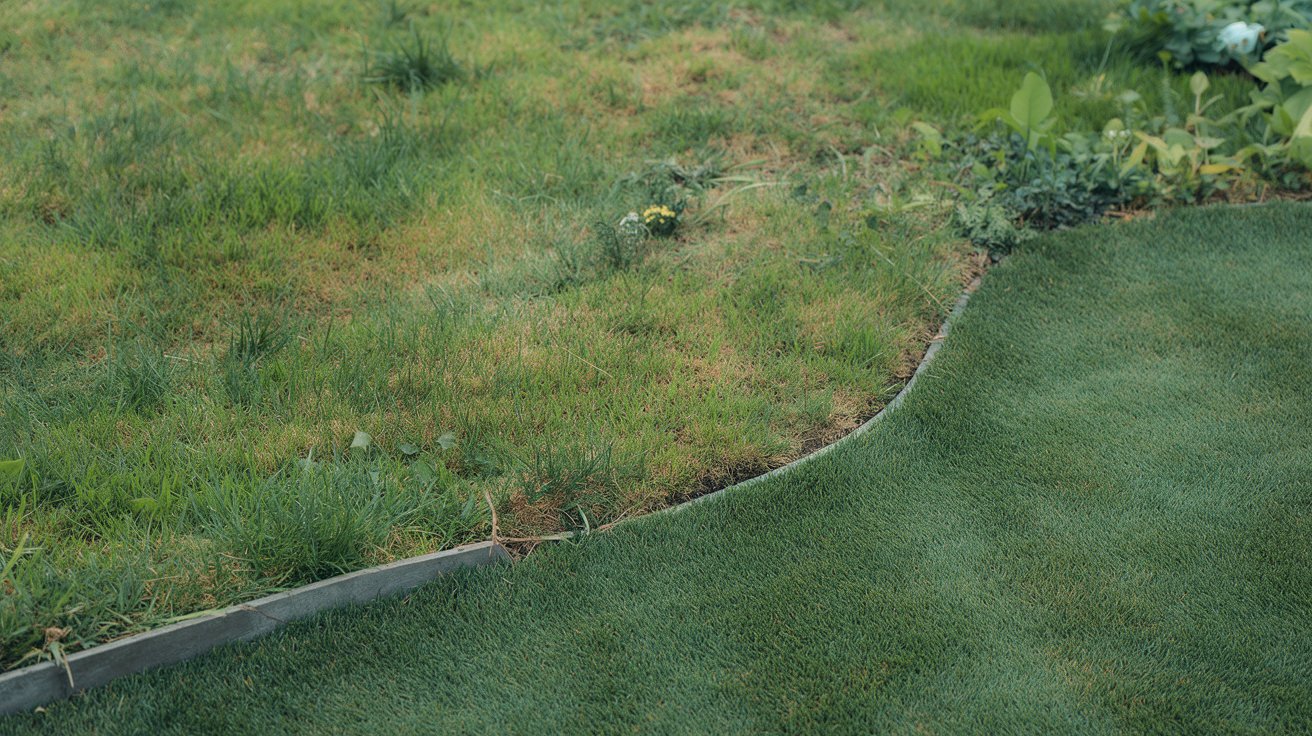
Artificial turf wins on water savings, durability, and low weekly effort.
Most natural lawn irrigation needs roughly 1 to 1.5 inches of water per week in dry periods - that adds up fast in the Southwest or during summer droughts.
If you're in a cool, rainy climate with kids who play outside daily, natural grass is hard to beat. If you're in Phoenix, have dogs, or just hate mowing, artificial turf makes a compelling case.
Natural grass costs less upfront and stays cooler underfoot, but demands 1–1.5 inches of water weekly and regular mowing.
Artificial turf runs $5–$20 per sq ft installed, lasts 10–20 years, and nearly eliminates irrigation — making it best for dry climates, heavy-use yards, and time-strapped households.
Side-by-Side Verdict: When Natural Wins vs When Artificial Wins
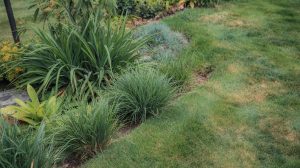
Natural grass makes sense when rainfall is reliable, the yard sees moderate foot traffic, and you want a surface that stays cool on bare feet. It also supports pollinators, absorbs stormwater, and can be reseeded cheaply when damaged.
Remember it later
Planning to try this recipe soon? Save it for a quick find later!
Artificial turf earns its place in yards where water bills are steep, dogs destroy grass repeatedly, or the lawn gets so much use that bare patches are a constant battle.
Water efficiency research confirms that replacing natural turf with synthetic alternatives can significantly reduce outdoor water consumption - a real factor in USDA Zones 9-11.
In shaded yards, natural grass often struggles anyway - certain shade-tolerant species like fine fescue help, but no grass thrives under dense tree canopy. Artificial turf performs consistently regardless of light.
For a deeper look at fescue vs ryegrass options, the species choice matters before you commit to sod.
- Lower upfront cost — sod runs $0.50–$2 per sq ft versus $5–$20 for installed turf.
- Cooler surface — stays near air temperature, safer for bare feet and pets in summer.
- Supports wildlife — feeds bees, absorbs rainwater, and improves soil health over time.
- Repairable — damaged patches can be reseeded or re-sodded inexpensively.
- Minimal water use — eliminates weekly irrigation almost entirely in most climates.
- No mowing or fertilizing — saves 2–4 hours of maintenance per week in growing season.
- Handles heavy traffic — dog runs, play areas, and sports zones stay intact year-round.
- Consistent appearance — stays green through drought, winter, or neglect.
For pet owners specifically, artificial turf is easier to rinse clean, though urine odor can build up in infill over time without enzymatic treatment. Natural grass self-cleans more readily but suffers visible burn marks from dog urine nitrogen loads.
Checking your monthly lawn task calendar helps manage those natural grass pressure points before they compound.
Costs, Maintenance, and Lifespan
The sticker shock on artificial turf is real - $5 to $20 per square foot installed covers materials, base prep, and labor. A 500-square-foot lawn can run $2,500 to $10,000.
Natural sod for the same space costs $250 to $1,000 for materials, though you'll spend more on water, fertilizer, and maintenance annually.
Understanding what drives turf installation pricing helps avoid mid-project surprises - base excavation and drainage add cost that many quotes omit upfront. According to a detailed breakdown from Bob Vila's cost guide, quality and pile height heavily influence final price per square foot.
| Cost Category | Natural Grass | Artificial Turf |
|---|---|---|
| Installation | $250–$1,000 (sod) | $2,500–$10,000 |
| Annual Water | $150–$600 | ~$0–$30 (rinse only) |
| Fertilizer/Weed Control | $80–$200/yr | ~$20–$50/yr |
| Mowing (DIY equipment) | $100–$300/yr | $0 |
| 10-Year Total (est.) | $3,550–$10,000 | $2,700–$10,500 |
The breakeven point typically falls between years 7 and 10, depending on local water rates and whether you hire lawn care. In high-water-cost regions like California or Arizona, artificial turf pays back faster.
Want to know what sod installation actually costs before committing to natural grass? That number shifts the comparison significantly.
Artificial turf's lifespan of 10-20 years is well-documented but contingent on infill type, UV-resistant fibers, and drainage quality underneath. Crumb rubber infill degrades faster than silica sand or organic cork alternatives.
After year 15, most turf shows matting and fiber loss that affects both appearance and performance. The right lawn and garden tools for brushing and rinsing extend artificial turf life noticeably.
Environment, Heat, Pet Safety, and Biodiversity
The environmental trade-offs between these two options are more nuanced than marketing from either side suggests. Natural grass absorbs carbon, filters stormwater, and supports soil microbiomes - but it also consumes large volumes of water and typically requires synthetic fertilizers and pesticides to stay presentable.
Choosing lower-water grass species reduces that chemical footprint significantly.
Artificial turf eliminates irrigation and most chemical inputs, but it introduces different concerns. The Alliance for Water Efficiency notes that while water savings are substantial, synthetic turf contributes to urban heat islands and raises questions about microplastic runoff from worn fibers.
In USDA Zones 9–11, artificial turf surface temperatures can reach 150–180°F on hot summer days — up to 40–60°F above air temperature. This makes it genuinely dangerous for pets and small children during afternoon hours in July and August.
Heat buildup is artificial turf's most serious safety concern. Crumb rubber infill retains heat longest.
Switching to lighter-colored infill or cork-based alternatives can reduce surface temps by 20-30°F, though the turf will still run warmer than natural grass.
For pets, the picture is mixed. Dogs can't dig through turf and muddy paws disappear, but paw pad burns are a real summer risk on hot days.
The Valley Water fact sheet highlights that proper drainage design under artificial turf is essential for pet urine management - poor drainage creates persistent odor even with regular rinsing.
- Test artificial turf surface temperature with an infrared thermometer before letting pets or children onto it in summer.
- Use enzymatic cleaners monthly on pet turf areas to prevent ammonia buildup in infill.
- Plant native species around lawn edges to partially offset biodiversity loss from artificial turf.
- Choose silica sand or cork infill over crumb rubber to reduce heat retention and microplastic risk.
- Don't let children or dogs play on dark-infill artificial turf mid-afternoon in summer without a temperature check first.
- Don't skip base drainage preparation - water pooling under turf accelerates fiber degradation and creates odor.
- Don't apply standard pesticides to natural grass near storm drains; runoff directly harms aquatic ecosystems.
- Don't assume artificial turf is maintenance-free - it needs brushing, rinsing, and infill top-ups every 1-2 years.
For natural grass, the biodiversity argument is real but requires honest lawn management. A summer yard maintenance routine that reduces pesticide use and allows some clover or wildflowers preserves far more ecological value than a chemically perfect monoculture lawn.
Decision Framework: 4-Question Plan to Pick the Right Lawn
Most homeowners overcomplicate this choice. Run through four questions in order - your answer to each narrows the decision significantly.
If you reach a clear "yes" or "no" at any step, you likely have your answer.
Before you start, pull your average summer water bill and check your city's current outdoor watering restrictions. Those two numbers anchor the whole framework.
Full grass species comparisons by region also help clarify whether natural grass is even viable in your zone.
Get 3 quotes for artificial turf installation and ask each contractor to itemize base prep separately from materials and labor. Base prep is where hidden costs hide — poor drainage under turf causes odor and early failure. Spending $1–$2 extra per sq ft on proper crushed aggregate base pays back in turf longevity.
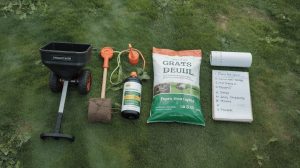
If natural grass still makes sense after step 4, use a structured fertilizing and feed plan from the start - it dramatically reduces the water and effort needed to keep a natural lawn looking sharp through summer stress.
The full sod installation cost breakdown confirms that starting right with quality sod beats reseeding twice a year.
Frequently Asked Questions
Most lawns need 1 to 1.5 inches of water per week during dry periods. Sandy soils may require more frequent watering in shorter intervals to prevent runoff.
Generally yes, but surface temps can hit 150–180°F in direct summer sun — check temperature before use. Cork or silica infill runs cooler than crumb rubber and poses lower microplastic risk.
Artificial turf saves water but contributes to heat islands and can release microplastics from worn fibers. It also eliminates the stormwater absorption and biodiversity benefits natural grass provides.
Most artificial turf lasts 10–20 years depending on UV exposure, infill type, and traffic. Heavy-use areas like dog runs tend to show matting and fiber wear closer to the 8–12 year mark.
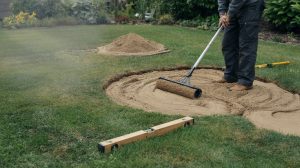
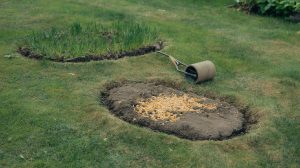
Yes, and many homeowners do after a few high-water-bill summers. Conversion costs $5–$20 per sq ft installed and requires sod removal plus base excavation before turf goes down.
Pin it for your next natural vs artificial grass project.