Picking a fire pit feels simple until you're standing in a big-box store staring at 30 options with no clear way to choose.
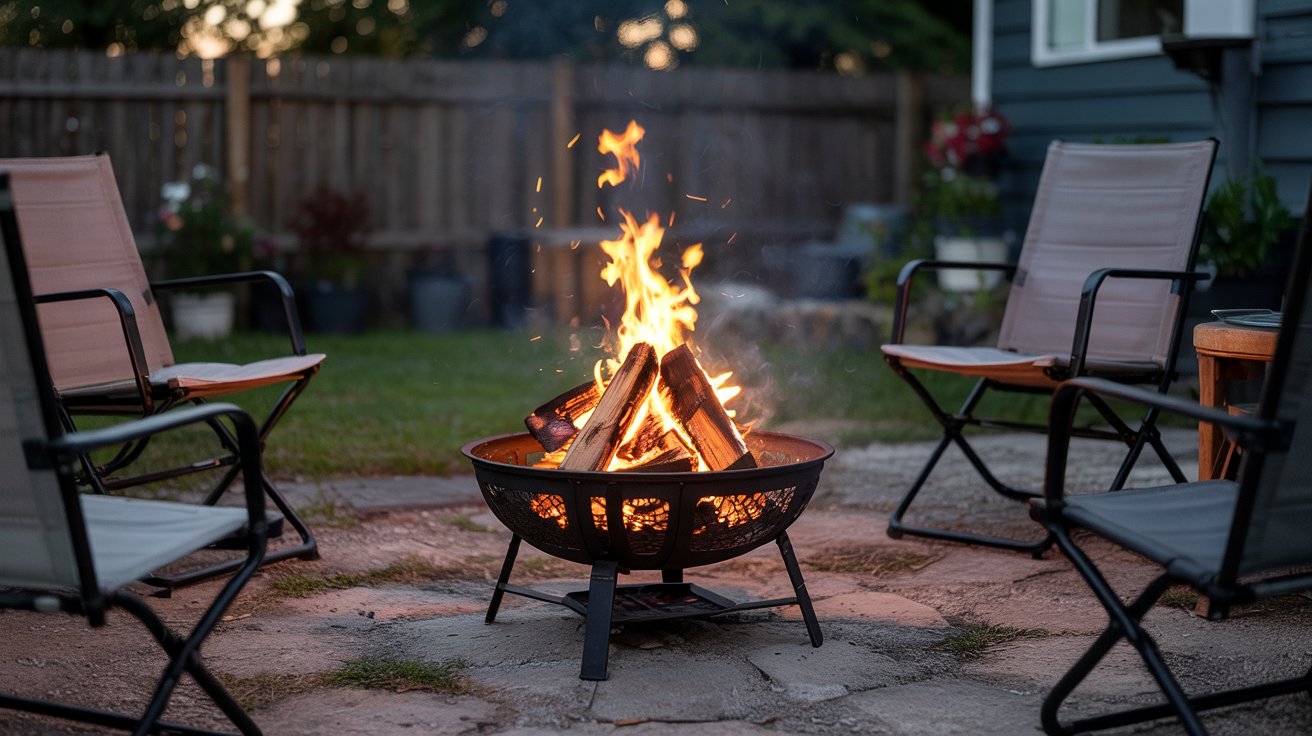
The real decision comes down to three things: how much outdoor space you have, what fuel type fits your habits, and how much you want to spend up front versus over time.
Get those three answers locked in before you look at a single product listing.
This guide walks you through a clear decision framework, maps it to specific product categories, and finishes with a step-by-step setup plan. We also pull in guidance from the U.S.
Fire Administration and NFPA so your purchase is safe, not just satisfying.
Whether you're building out a full backyard living space or just want a simple gathering spot, the framework below applies to every budget and yard size.
A quick safety note before we go further: 10 feet of clearance from any combustible structure is the minimum standard, full stop. That rule shapes every recommendation in this guide.
Choosing the best fire pit means matching space, fuel type, and budget before browsing products. Smokeless wood pits suit tight patios; gas models offer convenience; budget wood-burners work for occasional use.
Every setup needs 10-foot clearance from combustibles and a non-flammable base.
Fire Pit Types and What Each Delivers
Not every fire pit works in every yard. A large wood-burning bowl on a small wood deck is a fire hazard; a tabletop propane burner on a wide stone patio is underwhelming.
Remember it later
Planning to try this recipe soon? Save it for a quick find later!
Knowing the four main categories makes the shortlist obvious.
Wood-burning pits are the most affordable entry point and deliver the classic campfire experience, but they produce the most smoke and require the most cleanup. Gas fire pits - either natural gas or propane - light with a knob turn and leave no ash, though installation costs run higher.
Smokeless fire pits use a secondary combustion chamber to burn off most particulate, making them a strong alternative to gas for patio use. Portable units weigh under 30 lbs and pack away; built-in units are permanent and add home value.
The UMass fire pit guidelines recommend keeping pit diameter at 30 inches or less and requiring a spark arrestor - a useful benchmark when comparing models. The USFA reinforces that all pits must sit on a non-flammable surface with full supervision during use.
| Type | Best Space Fit | Maintenance | Price Band |
|---|---|---|---|
| Wood-burning | Open yard, stone patio | Ash removal after each use | $40–$400 |
| Gas (natural) | Large patio, built-in setup | Annual line inspection | $300–$2,500+ |
| Propane / Smokeless | Small-to-mid patio | Rinse, tank swap | $150–$600 |
| Portable | Any space, camping | Wipe down, store dry | $40–$250 |
Gas installations add a hard-plumbing cost that buyers often forget. Budget $200-$500 extra for a licensed contractor to run a gas line if you don't already have an outdoor hookup.
That alone can shift a "budget gas pit" into mid-range territory fast.
If your patio surface is composite decking or wood, choose a gas or smokeless model and add a fire-rated mat underneath. Wood-burning pits on combustible surfaces remain a clearance and insurance problem regardless of height.
Top Picks by Use Case
Once you know your fuel type, the shortlist gets short fast. Below are three use-case categories with specific model types worth shopping.
Each is matched to a realistic buyer profile.
Smokeless pits for tight patios are where Solo Stove dominates the conversation. The Solo Stove Bonfire 2.0 (27 inches wide, about $350) uses a double-wall airflow design that burns wood so efficiently that visible smoke drops by roughly 70% versus a standard bowl.
It sits on four feet, keeping the base off your patio surface. For a full breakdown, the full fire pit cost guide covers what you'll actually spend on Solo Stove versus competitors.
Reliable gas options include the Outland Living Series 401 propane pit ($200-$250) for renters who can't hard-plumb, and the Endless Summer 28-inch natural gas model ($400+) for homeowners who want a permanent setup.
Both light instantly and comply with CPSC liquid-fuel safety warnings by using regulated burner systems rather than open ethanol or alcohol reservoirs.
Budget wood-burners like the Sunnydaze 36-inch Heavy-Duty pit ($80-$120) are solid for occasional backyard use. They include a spark screen and poker, which is the minimum safety kit.
The NFPA's fire pit safety standards call for a maintained 3-foot kid-free zone - achievable with any model, but easier to enforce when the pit sits low and open.
- No ash to dispose of after every fire session
- Portable — move it to the garage in winter
- Lower startup cost than hard-plumbed gas
- Pairs well with patio furniture layouts since smoke direction isn't an issue
- One-knob ignition — no kindling, no wait time
- Zero particulate output, ideal for allergy sufferers
- Adjustable flame height without managing fuel load
- Clean enough for covered patios with adequate ventilation
If you're still weighing charcoal-based cooking setups alongside a fire pit, the charcoal versus gas grill comparison covers similar fuel-type logic that applies to your overall outdoor setup decision.
How to Buy and Set Up: Step by Step?
Buying a fire pit without a plan leads to returns, regret, or worse - a unit placed too close to a fence. This workflow takes you from blank slate to first fire in the right order.
The USFA outdoor fire guidance emphasizes checking local restrictions before purchasing, since some municipalities ban wood-burning fire pits entirely. Cover that step early - before you spend a dollar.
Keep a bucket of water or a garden hose within reach every single time you light a fire. The NFPA fire safety guidelines list a ready water source as a non-negotiable step, not an optional precaution.
A fire pit also integrates naturally with a broader outdoor kitchen setup. If you're planning a full entertaining zone, the guide to DIY outdoor kitchen layouts covers surface planning and utility placement that affects where your pit can safely sit.
Never use accelerants — lighter fluid, gasoline, or alcohol — to start or revive a wood fire pit. CPSC data links a significant share of backyard fire injuries to liquid-fuel ignition. Use dry kindling and a long-reach lighter instead.
If you're building out your full outdoor setup, the right patio umbrella can complement the fire pit zone - just make sure it's positioned outside that 10-foot clearance radius.
Accessories, Deals, and Safety Reminders
The right accessories extend your fire pit's life and close safety gaps. A spark screen is mandatory for wood-burning pits; a fitted cover keeps moisture and debris out during off-season storage.
Wind guards (tempered glass panels) reduce flame flicker and are standard on most mid-range gas models. Fire glass or lava rock accents work with gas burners to diffuse flame evenly and improve aesthetics without adding risk.
Seasonal sales - Memorial Day, Labor Day, and late October - regularly push fire pit prices 15-30% lower. Buying a smokeless or gas pit in fall means you're set for the following spring at a discount.
Check affiliate links from trusted outdoor living publishers for bundled deals that include covers and tool sets.
Home insurance policies vary on fire pit coverage. Some carriers — including Travelers — require pits to be a minimum distance from the home and may ask about fuel type. Review your policy before installation and notify your insurer; a fire pit safety review from your carrier can prevent claim denials. The USFA outdoor fire rules also serve as a useful reference if your insurer asks about your safety setup.
For those comparing alternative outdoor heating and cooking options, the best charcoal grills and the pellet versus charcoal comparison cover adjacent decisions worth reviewing before you finalize your full backyard setup.
And if a hot tub is also on the list, the tankless versus tank hot tub guide addresses the same utility-planning questions that apply to gas fire pit installation.

Frequently Asked Questions
The Solo Stove Bonfire 2.0 (27 inches wide) is a leading option, reducing visible smoke by roughly 70% through its double-wall secondary combustion design. It fits patios as small as 12 feet across.
Permit requirements vary by municipality. Many cities allow recreational fires under a set diameter (commonly 3 feet) without a permit, but some ban wood burning entirely — always check local codes first.
Not safely without a fire-rated deck mat and a gas or propane model. Wood-burning pits on wooden decks risk ember damage and typically void home insurance coverage for fire-related claims.
A standard 20-lb propane tank lasts approximately 4–10 hours depending on BTU output. Most portable gas pits run 40,000–60,000 BTUs, consuming roughly 2 lbs of propane per hour at full flame.
A permanent natural gas fire pit costs $300–$2,500 for the unit plus $200–$500 for a licensed contractor to run the gas line. Built-in stone or paver surrounds add another $500–$2,000 in labor.
Pin it for your next best fire pit for your backyard project.