Mosquitoes don't care that you spent the weekend building the perfect patio. They show up at dusk, and within minutes, everyone's back inside.
The fix isn't one magic product - it's matching the right tool to your specific space and using it correctly.
A small apartment balcony needs a completely different approach than a 500-square-foot deck bordering a wooded lot. Wind exposure, the presence of kids or pets, and your budget all shape which product category actually works for you.
The EPA repellent guide breaks down active ingredients and what each is registered to do - worth reading before you spend anything.
Oil of citronella, for example, is among the EPA-registered repellent ingredients for skin-applied use, but its performance outdoors depends heavily on concentration and conditions.
This guide covers every major product category suited to patio use: candles, sprays, traps, diffusers, and misting systems. Each section includes real-world coverage data, honest limitations, and specific product picks organized by price tier.
Finding the best mosquito repellent for your patio means matching product category to space size, wind exposure, and household safety needs. Candles work in calm, small spaces; propane traps and electric diffusers handle larger decks.
Budget picks start under $15; professional misting systems run $1,500+.
Patio Mosquito Control Options
Every patio mosquito product falls into one of five categories, and each has a specific set of conditions where it performs well.
Remember it later
Planning to try this recipe soon? Save it for a quick find later!
Understanding those conditions before buying saves you from wasting money on a candle that blows out in the breeze or a trap that attracts more bugs than it kills.
Wind is the single biggest variable on patios. Products that rely on scent dispersal - citronella candles, essential oil diffusers - lose most of their effectiveness once wind speeds exceed about 5 mph.
Traps and sprays are far more wind-tolerant.
Citronella candles are the most common starting point, but their reputation outpaces their results. Harrison County health data shows citronella candles can reduce bites by roughly 42% in controlled tests - useful, but not sufficient on its own.
A Purdue mosquito extension publication reinforces that candles have limited effectiveness outdoors, particularly when air moves.
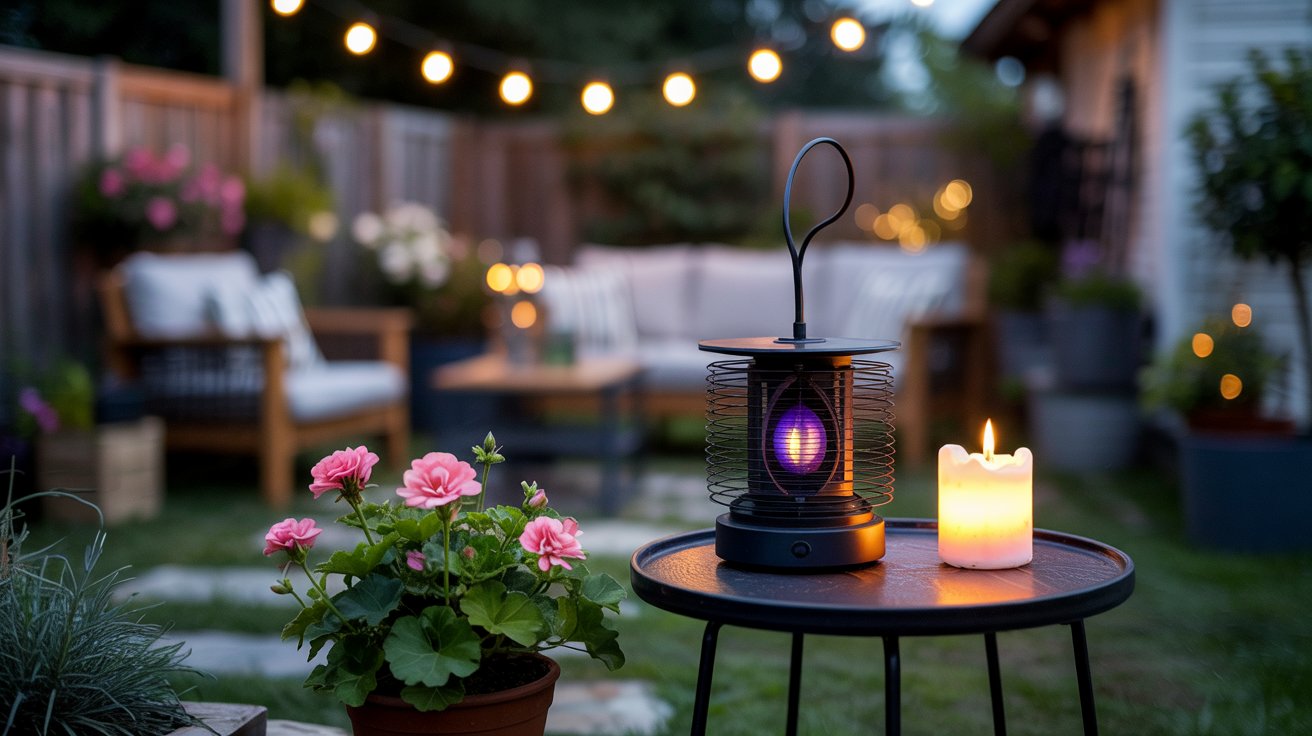
Electric diffusers that vaporize metofluthrin or allethrin outperform candles on windy patios because they push active compound continuously.
Models like the Thermacell work in spaces up to 225 square feet and show 87% fewer mosquito bites in company-sponsored field tests - though independent data is more modest.
Topical repellents containing DEET or picaridin protect the person wearing them, not the space around them. DEET at 25-30% concentration provides up to 6 hours of protection per application.
Picaridin is odorless and gentler on plastics and fabrics, which matters when you're sitting on quality patio furniture you've invested in.
- Citronella Candles: Best for calm, small spaces (under 150 sq ft). Affordable but need windbreaks to work well.
- Topical Sprays (DEET/Picaridin): Person-level protection, highly reliable. Not a space solution - pair with something else.
- Electric Diffusers: Strong choice for covered patios up to 225 sq ft. Refill pads last about 12 hours each.
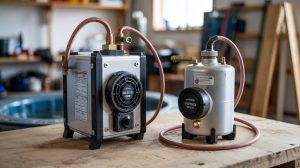
- Propane Traps: Cover up to 1 acre. Require 2-4 weeks to reduce local mosquito populations by drawing and killing breeding adults.
- Professional Misting: Sprayed perimeter systems; best for large yards where other methods have failed.
- Works in light wind up to 10–15 mph
- No open flame — safer around kids
- Consistent active compound output for full sessions
- Compact, portable, and easy to set up on any surface
- No batteries or fuel cartridges needed
- Significantly cheaper upfront ($5–$15 vs $25–$45)
- Doubles as ambient lighting for evening atmosphere
- Widely available at grocery and hardware stores
For a small apartment balcony (under 100 sq ft, usually sheltered), a pair of large citronella candles and a DEET spray for exposed skin covers most evenings.
For a spacious open deck over 300 sq ft, combine a propane trap placed upwind of your seating area with a personal diffuser at the table.
Households with dogs should avoid products containing permethrin near pet resting areas. Cats are especially sensitive - keep all pyrethroids away from spaces where cats lounge.
If you're also building out your space with outdoor layout and zoning, factor in product placement during that planning stage, not after.
Best Buys by Budget
The price of mosquito protection scales with coverage area and automation. A $12 candle and a $35 diffuser can handle most suburban patios effectively when paired.
The jump to $100+ usually buys you trap technology that works while you're not even outside.
Note that even premium-priced citronella products carry the same coverage limitations as budget ones. As Purdue's mosquito research confirms, price doesn't fix the fundamental physics of scent dispersion outdoors.
Spend more where the technology actually changes - traps and diffusers, not candles.
| Budget Tier | Product Example | Coverage | Best Use Case |
|---|---|---|---|
| Under $20 | Cutter Citro Guard Candle | ~10 ft radius | Small balcony, calm nights |
| Under $20 | OFF! Deep Woods DEET Spray | Personal only | Any patio, active use |
| Under $20 | Sawyer Picaridin Spray | Personal only | Pet-adjacent spaces, skin-sensitive users |
| $20–$50 | Thermacell Patio Shield | 225 sq ft | Covered deck, light wind |
| $20–$50 | Murphy's Naturals Candle Set | ~10 ft radius | Kid/pet households, light exposure |
| $50–$100 | Flowtron BK-15D Trap | Up to ½ acre | Wooded yards, evening entertaining |
| $50–$100 | Thermacell Radius Zone | 110 sq ft | Table-level, rechargeable |
| Premium $150+ | Mosquito Magnet Patriot Plus | Up to 1 acre | Large open patios, recurring use |
Buy a diffuser refill 3-pack at the same time as your device — replacement pads cost less per unit in bulk, and running out mid-evening defeats the whole purpose. Thermacell pads are widely available at hardware stores and online.
The $20-$50 range offers the best real-world value for most patios. A Thermacell Patio Shield covers a standard dining area and requires no open flame, making it practical for households with children.
Pair it with a personal picaridin spray for anyone who steps off the main deck area.
If your patio setup includes a large shade umbrella, position your diffuser or candles at the umbrella's perimeter rather than directly underneath - airflow under the canopy concentrates protection better that way.
For a more complete outdoor setup, ambient lighting choices can also reduce mosquito attraction since warm-white and yellow LED bulbs attract fewer insects than standard white or blue-spectrum lights.

How to Choose and Deploy on Your Patio?
Buying the right product is half the work. Where and when you place it determines whether it actually keeps mosquitoes away.
A propane trap set downwind of your seating area or a diffuser perched on a shelf above head height will underperform every time.
Mosquitoes are most active from dusk through the first two hours of darkness.
Start your devices or light candles 20-30 minutes before you plan to sit outside - this gives diffusers time to saturate the area and traps time to begin attracting insects away from your position.
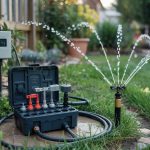
For larger properties with persistent infestations, the CDC notes that professional misting systems may be appropriate for outdoor perimeter control. These involve licensed pesticide applications and are a separate category from consumer products entirely.
If you're investing in a full outdoor living space - outdoor kitchen build costs or a DIY outdoor kitchen project - bake mosquito control into the design phase.
Positioning your cooking area with a natural windbreak behind it helps scent-based repellents work better and gives traps a cleaner upwind zone to work from.
Plants that naturally deter mosquitoes - like citronella grass, lemon balm, and lavender - are worth adding to pots at the patio edge. We've covered plants that repel mosquitoes in detail if you want a low-cost, chemical-free layer to supplement your main product.
For hot tub owners, choose your hot tub setup with a covered location in mind - stagnant water nearby attracts mosquito breeding, so the closer to a drain or cover, the better.
If your patio includes an outdoor rug, consider whether your rug material choice allows for quick drying - damp fabric near the ground gives mosquitoes a resting surface and traps moisture that supports their activity.
Likewise, if you're comparing pool types for the backyard, the above-ground vs inground pool decision affects how much standing water your property manages, which directly ties into local mosquito pressure.
Frequently Asked Questions
For most patios, an electric diffuser like Thermacell (225 sq ft coverage) paired with a picaridin spray gives reliable, wind-tolerant protection without open flame or heavy chemicals.
Yes, partially — controlled tests show roughly 42% bite reduction, but that drops sharply in wind above 5 mph or in spaces larger than about 10 feet across.
A standard citronella candle burns 20–40 hours total, but its repellent effect only works while actively burning and within roughly 10 feet of the flame.
Propane CO₂ traps are effective but require 2–4 weeks of continuous operation to meaningfully reduce local populations; they work best on properties over 1,500 square feet with wooded borders.
Picaridin-based sprays and metofluthrin diffusers are generally safer around dogs than DEET or permethrin. Avoid all pyrethroid products entirely around cats, as they cannot metabolize those compounds safely.
Pin it for your next best mosquito repellent for patios project.