Aphids - those tiny, soft-bodied insects in the superfamily Aphidoidea - can colonize a plant stem overnight and spiral into a full infestation within days. They feed in clusters on new growth, sucking out plant sap and leaving behind sticky honeydew that invites sooty mold.
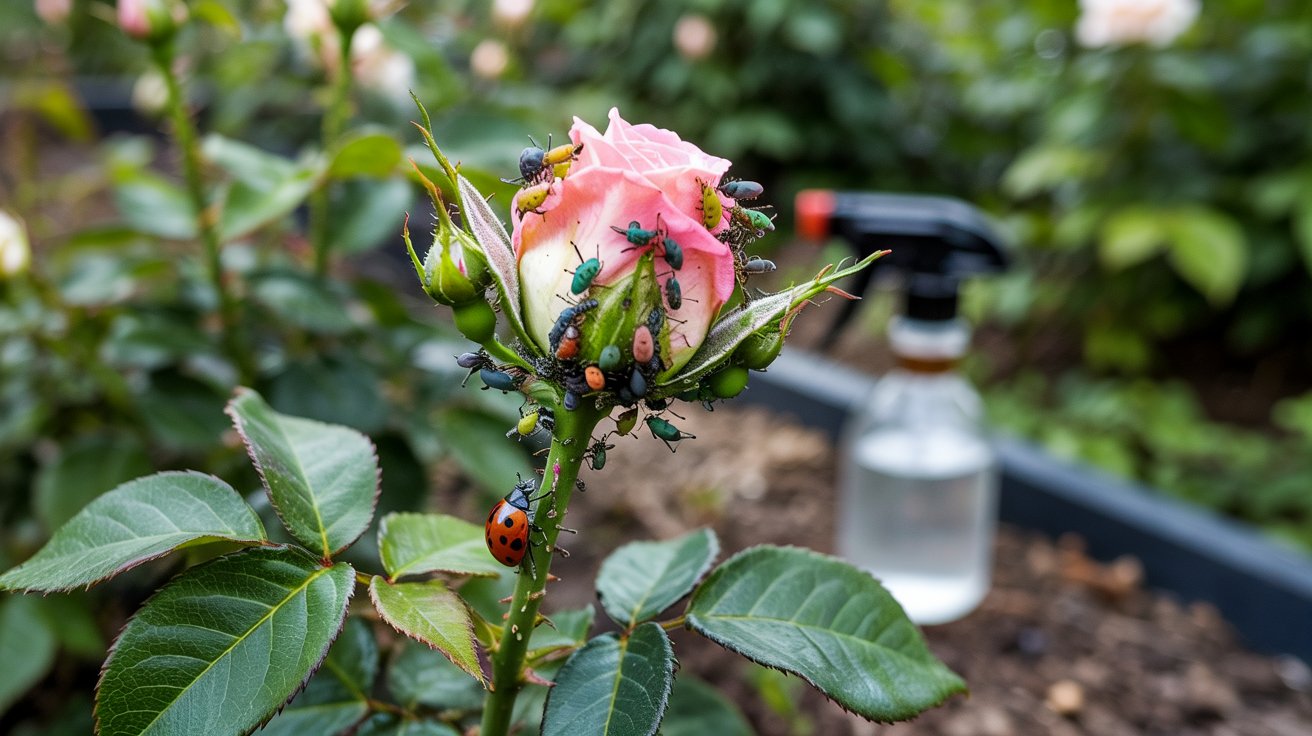
The good news stops there: most gardeners reach for a spray bottle of something chemical before trying anything else, and that's often the wrong first move.
A chemical-free approach isn't slower or weaker - it's smarter for your soil food web and the beneficial insects already working in your garden.
This guide walks through four core pillars to control aphids without chemicals: mechanical removal, organic sprays like soaps and oils, biological controls using natural predators, and a simple weekly monitoring routine.
These methods work together. Start with mechanical steps, layer in sprays when pressure is high, then build habitat that keeps beneficial insects around long after the aphids are gone.
You can also pair this plan with broader pest and disease solutions for your garden.
Get rid of aphids without chemicals using a 4-week plan built on mechanical removal, insecticidal soap, neem oil, and biological controls like ladybugs and lacewings. Start with water, escalate only if needed, and monitor weekly to catch reinfestation early.
Step-by-Step Plan (No Chemicals)
Work through these steps in order. Each one reduces aphid pressure on its own, but combining them across a two-to-four-week window gives you the best result without reaching for anything synthetic.
Remember it later
Planning to try this recipe soon? Save it for a quick find later!
Don't spray insecticidal soap or neem oil when temperatures exceed 90°F (32°C) or in direct midday sun. Heat accelerates evaporation, reduces contact time, and raises the risk of phytotoxicity on tender leaves.
Strong plants resist aphid pressure better than stressed ones. Keeping your vegetables well-watered and in quality soil - starting with the right raised bed mix - reduces how attractive they are to aphids in the first place.
Non-Chemical Methods Quick Reference
Each method below targets a different stage or intensity of aphid infestation. Use this table to match the tool to your current situation rather than defaulting to the strongest option first.
Timing and frequency vary by method. Soaps and oils need reapplication every five to seven days because they have no residual activity once dry.
Water jets can be used daily without any plant risk.
| Method | How It Works | Frequency | Cautions |
|---|---|---|---|
| Water jet (hose) | Physically dislodges insects; survivors rarely return | Daily or every 2-3 days | Safe for all plants |
| Insecticidal soap | Disrupts cell membranes on contact; kills adults and nymphs | Every 5-7 days, up to 3x | Avoid on ferns, nasturtiums; test first |
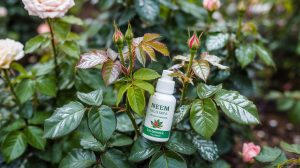
| Neem oil | Disrupts feeding, molting, and reproduction via azadirachtin | Every 7 days, up to 3x | Apply below 90°F; avoid squash, young seedlings |
| Horticultural oil | Smothers soft-bodied insects and eggs on contact | Every 10-14 days | Do not apply in frost or heat; dilute correctly |
| Hand removal / pruning | Eliminates colonies immediately; no chemical needed | As needed | Bag and dispose; do not compost |
| Diatomaceous earth | Abrades soft insect cuticles; effective dry only | Reapply after rain | Use food-grade only; avoid inhaling dust |
According to UC IPM floriculture guidance, neem oil and other plant-derived botanicals are accepted for organic use programs. The MSU Extension organic guide also lists soaps and oils as appropriate first-line treatments for vegetable gardens before escalating to anything stronger.
Add a few drops of liquid dish soap to water when rinsing plants after a spray application — it helps break down honeydew residue and discourages sooty mold from taking hold on coated leaves.
Aphid outbreaks on edibles like kale, beans, and peppers tend to spike mid-season. Aligning your spray schedule with your vegetable planting calendar helps you anticipate high-risk windows before colonies establish.
Biological Controls: Beneficial Insects
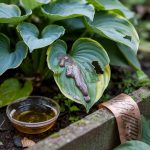
Natural predators are the most sustainable part of any aphid-control plan. They work around the clock, reproduce in your garden, and don't need reapplication.
The trick is supporting them rather than accidentally eliminating them with broad sprays.
The OSU Extension beneficial insect guide recommends planting insectary species - dill, fennel, sweet alyssum, and yarrow - to sustain predator populations between pest outbreaks. UC IPM's aphid management page notes that predatory insects are critical to long-term aphid suppression in home landscapes.
The two most commonly purchased beneficials are ladybugs (Coccinellidae) and green lacewings (Chrysoperla). Both eat aphids, but they behave differently in garden conditions.
Hoverflies (Syrphidae) are another powerful ally - their larvae are voracious aphid feeders, and you attract them for free by planting shallow-flowered species like phacelia and marigolds nearby.
- Release timing: Always release purchased beneficials at dusk. Morning heat and light cause immediate dispersal before the insects orient to the food source.
- Avoid spraying near releases: Hold off on soap or oil applications for at least four days after releasing any beneficial insects. Both products kill soft-bodied insects indiscriminately.
- Moist habitat matters: Provide a shallow dish of water near the release site. Beneficials need moisture to stay active, especially in dry summer conditions.
Ladybugs sold commercially are often wild-harvested during aggregation and carry parasites or pathogens. Lacewing eggs raised in insectaries are a cleaner choice for consistent results.
Thinking about how these insects interact with other pest problems in your yard? The same habitat plantings that attract aphid predators also help when you're working to reduce chemical use overall in your garden.
Monitoring and Prevention
Weekly scouting is faster than treating a full outbreak. Spend five minutes every seven days checking the undersides of leaves on your most vulnerable plants - roses, nasturtiums, beans, and young fruit trees are regular targets.
As UC IPM's home landscape guidance emphasizes, early detection is the single biggest factor in keeping aphid populations manageable without escalating to chemical controls.
- Honeydew trails: Sticky residue on leaves below a branch signals active feeding above - look up immediately.
- Ant traffic on stems: Ants climbing a single stem repeatedly almost always means aphids are present further up the plant.
- Leaf curl and distortion: Aphids feeding on new growth cause leaves to curl inward, which also hides the colony from casual inspection.
Vigorous plants outgrow minor infestations.
Avoid excess nitrogen fertilizer, which pushes the soft new growth that aphids favor - and follow strategies for controlling other persistent garden intruders like preventing powdery mildew or managing unwanted lawn competition to keep your plants in the best possible shape to resist pest pressure.
Keep deer and larger grazers away from garden beds too - browsing damage creates the stressed, ragged growth that makes plants far more susceptible to aphid attack, so solutions like keeping deer out of your beds matter more than they might seem.
Frequently Asked Questions
Excess nitrogen fertilizer produces soft, lush new growth that aphids target directly. High-nitrogen conditions can increase aphid reproduction rates significantly compared to plants grown with balanced nutrition.
Plant shallow-flowered insectary species like dill, sweet alyssum, phacelia, and yarrow. These provide nectar and pollen that sustain adult lacewings, hoverflies, and parasitic wasps between pest events.
Yes — neem oil is accepted for organic vegetable production. Stop applications at least 7 days before harvest and avoid spraying open flowers to protect pollinators.
Outdoor release is far more effective. Indoors, ladybugs disperse toward light sources within hours and find no habitat to sustain them, making indoor aphid control unreliable.
Yes, when colonies are dense on specific stem tips or leaf clusters. Pruning and immediately bagging infested material removes thousands of insects faster than any spray application.
Pin it for your next how to get rid of aphids without chemicals project.