August feels like summer's last stand, but it's actually one of the most productive planting months of the year.
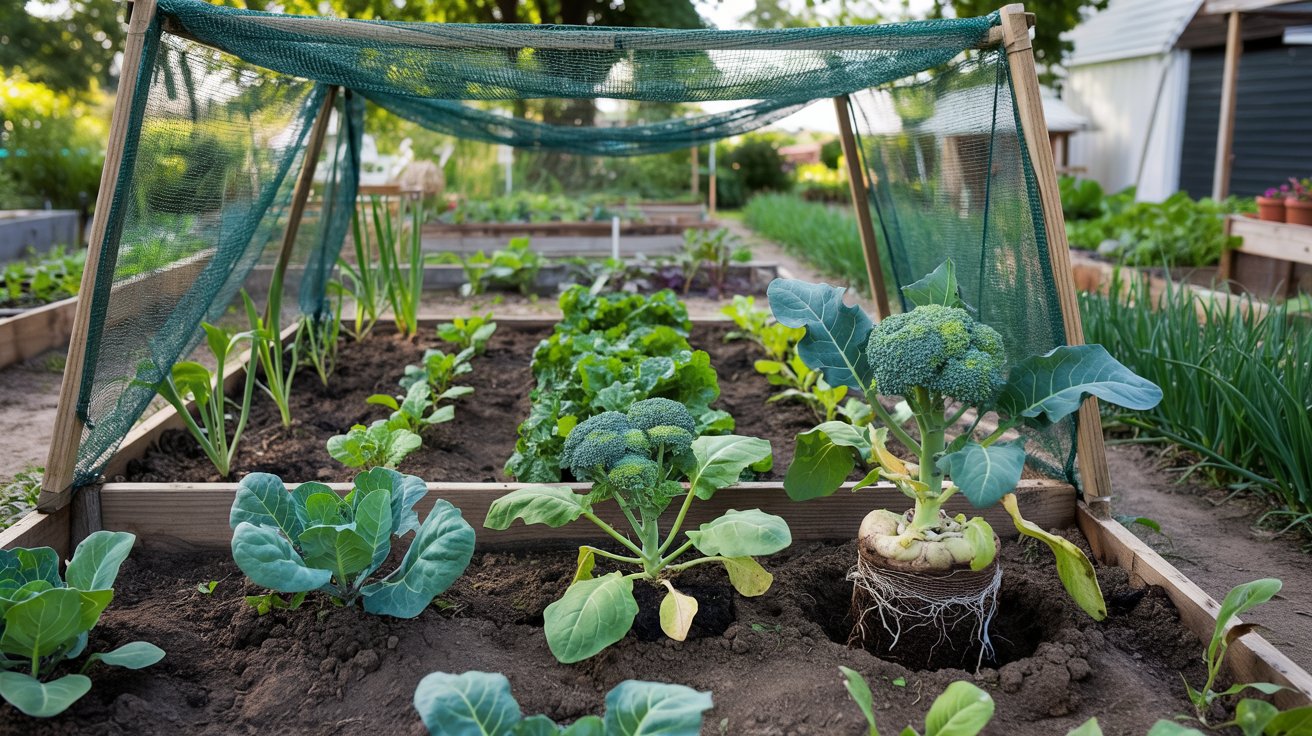
While most gardeners are coasting on what they sowed in spring, smart ones are putting seeds and transplants in the ground right now for a full fall harvest.
The trick is thinking backward from your first frost date.
Most fall crops need 40 to 70 days to mature, so August planting lines up almost perfectly with October and November harvests across much of the country.
Cooler soil temps in late summer also mean faster, more reliable germination for cool-season crops that would have struggled in June's heat.
August isn't just about vegetables, either. Flowers started now will bloom well into fall, and herbs planted this month can keep producing right up to a hard freeze.
Our fall planting and harvest guide covers the full picture if you want to plan beyond a single month.
Whether you're in zone 4 or zone 9, August has something worth planting. The list changes by region, but the principle stays the same: get cool-season crops in the ground before the heat breaks.
August is prime time for cool-season vegetables, fall flowers, and fast-maturing herbs. Plant 6–10 weeks before your first frost date for a reliable fall harvest.
Crops like kale, lettuce, and radishes handle light frost and can extend your season well into November.
Why August Planting Works for Fall Crops?
Cool-season crops like spinach, turnips, and kale actually grow better in fall than spring. They germinate in warm August soil, then mature as temperatures drop - and that chill improves flavor dramatically.
Remember it later
Planning to try this recipe soon? Save it for a quick find later!
Frost sweetens kale and carrots by converting starches to sugars.
The soil in August is warm enough to push seeds to germinate in as little as 5-7 days, which is faster than the same seeds sown in cold April soil. You get the speed of summer with the harvest quality of fall.
One underrated advantage: fewer pest and disease problems. Many of the insects that battered your summer crops - aphids, squash vine borers, whiteflies - decline sharply as days shorten and temperatures ease.
Fall crops often come in cleaner than their spring counterparts.
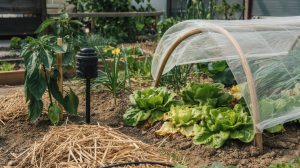
Shade cloth rated at 30–40% can lower soil temperature by up to 10°F during germination. Lay it over newly seeded beds for the first week to prevent heat stress on emerging seedlings.
Vegetables to Plant in August
August vegetable planting is almost entirely cool-season crops. Warm-season vegetables like tomatoes and peppers won't have time to mature before frost in most zones, so focus your effort where the calendar is actually on your side.
Use a vegetable planting calendar to confirm exact windows for your zone before direct-seeding anything with a long maturity time.
- Kale - Direct sow now for harvest in 55-70 days. Brassica oleracea var. sabellica handles temperatures down to 20°F and tastes better after a frost.
- Lettuce - Matures in 45-60 days from seed. Sow a new row every 10 days through mid-August to stagger your harvest.
- Radishes - Ready in just 25-30 days, making them the safest August bet even in colder zones. Direct sow thickly and thin to 2 inches apart.
- Spinach - Spinacia oleracea needs about 40-50 days and is one of the most cold-hardy leafy greens you can grow. Water daily during germination in August heat.
- Beets - Sow seeds ½ inch deep; germination takes 5-10 days. Harvest baby beets in 50 days or full-size roots in 60-70 days.
- Turnips - One of the fastest root vegetables at 35-60 days. Both the greens and roots are edible, doubling your yield per square foot.
- Arugula - Germinates in 5-7 days and is ready to cut in 35-40 days. Bolt-resistant in cool fall conditions compared to spring plantings.
- Broccoli transplants - Start indoors in early August and transplant out in 4-5 weeks. You need 80-100 days for heads, so transplants are essential - direct seeding is too slow.
Plant
Peak Harvest
Extended Harvest
Herbs to Plant in August
Several herbs planted in August will produce heavily through fall and some will survive a light frost entirely. Cilantro and dill actually prefer the cooler conditions of fall over the heat of summer, when they bolt within weeks of germination.
If you planted a full herb garden earlier in the season, compare those results to what August planting delivers - many gardeners find that spring-versus-fall herb timing makes a surprising difference in yield and flavor.
- Cilantro - Direct sow every 2-3 weeks from now through September. It matures in 45-70 days and resists bolting once daytime temps stay below 75°F.
- Dill - Fast-growing at 40-60 days to harvest. Sow directly where it will grow; dill dislikes transplanting. Fronds are ready before seed heads form.
- Parsley - Slow to germinate (14-21 days) but worth starting now for fall and winter indoor use. Soak seeds overnight to speed things up by several days.
- Chives - Allium schoenoprasum can be divided now from existing clumps or started from seed. New plants establish quickly in cool fall weather.
- Chamomile - Matricaria chamomilla surface-sown in August will germinate fast and produce flowers before the first frost in most zones below 6.
Basil is NOT an August herb in most climates. It's cold-sensitive and will sulk the moment nighttime temps drop below 50°F. If you want basil, pot it up and bring it indoors instead of planting new seedlings outside.
Flowers to Plant in August
August is the right month to get fall-blooming annuals and biennials established before the season closes out. Many of these flowers also provide important late-season forage for bees and butterflies as other blooms fade.
If you're new to planning flower successions across the year, starting a year-round planting log in January helps map out exactly when each variety needs to go in the ground.
- Pansies - Viola tricolor var. hortensis thrives when started in late July or August. Transplants set out now will bloom continuously until hard frost and often resume in early spring.
- Snapdragons - Start from transplants for fastest results. They prefer cool temperatures and will bloom heavily in September and October if planted in August.
- Calendula - Direct sow Calendula officinalis now and expect blooms in 50-60 days. It tolerates light frost and keeps producing until a hard freeze.
- Ornamental kale and cabbage - Not a flower, but decorative. Colors intensify after frost and plants remain attractive for months into winter.
- Alyssum - Germinates in 5-10 days and blooms in 6-8 weeks. Lobularia maritima makes an excellent low border and smells faintly of honey.
What to Plant in August by Zone?
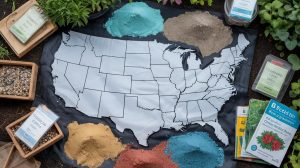
Your USDA hardiness zone shapes everything about August planting. A gardener in zone 4 has a hard frost arriving by late September, while someone in zone 9 can still be sowing tomatoes in August for a second summer crop.
Take a few minutes to find your hardiness zone if you're not sure where you fall - it changes what you can realistically plant this month.
| Zone | Avg First Frost | Best August Crops |
|---|---|---|
| 3–4 | Late September | Radishes, lettuce, spinach only |
| 5–6 | Mid-October | Kale, beets, turnips, arugula, broccoli transplants |
| 7–8 | Late October–Nov | Full cool-season list plus fall flowers |
| 9–10 | December or later | Tomatoes (second crop), peppers, plus all cool-season crops |
In zones 9 and 10, August is actually peak planting season for a second round of warm-season crops. Gardeners in Phoenix, Los Angeles, and Houston often treat August the way northern gardeners treat May - it's a major planting month, not a winding-down one.
Zone 5 gardeners should complete all direct seeding by August 15. After that date, only radishes and fast-maturing lettuce varieties (under 45 days) are reliable before a typical October 15 frost.
How to Prepare Your Beds for August Planting?
After a full summer of production, your soil needs attention before fall crops go in. Pull spent plants completely - don't chop and leave them if they showed any signs of disease or pest damage.
Refresh the bed with 1-2 inches of compost worked into the top 6 inches of soil. Summer crops, especially heavy feeders like tomatoes and corn, deplete nitrogen fast, and your fall greens need it to get established quickly.
Once seeds sprout, water every 1-2 days in early August heat. The goal is consistent moisture - not waterlogged soil, but never fully dry.
As September approaches and temps cool, you can scale back to every 3-4 days.
Crops That Disappoint When Planted in August
Knowing what NOT to plant saves just as much effort as knowing what to sow. Some crops simply can't mature fast enough, and others struggle with August's specific combination of heat and shortening days.
Gardeners who planted heavily in spring sometimes wonder if early-season planting produced better yields than an August succession - for some crops, it clearly does.
- Radishes - harvest in under 30 days regardless of zone
- Lettuce - fast, flexible, and cold-tolerant
- Kale - improves with fall frost, very forgiving
- Cilantro - thrives as heat eases, anti-bolt in cool temps
- Pansies - bloom into and sometimes through winter
- Cucumbers - need 55-65 days and won't handle frost
- Squash - slow to mature, susceptible to mildew in fall
- Sweet corn - won't mature before frost in most zones
- Basil - wilts and stalls when nights drop below 50°F
- Melons - require 70-90 warm days; frost kills them
Keeping the Garden Going After August
What you plant in August connects directly to how you manage the garden through fall and into winter prep. Crops like kale and spinach sown now will still be producing in November, which changes when and how you shut things down.
Planning a spring garden starting from seed indoors often begins right as the fall harvest is finishing - the seasons overlap more than most people expect.
Once your fall harvest winds down, winterizing properly protects your soil for next year. Leaving beds bare through winter causes erosion, compaction, and nutrient loss that you'll spend the following spring trying to correct.
Cover crops like winter rye and crimson clover can be sown in October and November as your August plantings finish. For a full walkthrough on closing out the season, our guide on protecting your garden before winter covers everything from mulching to tool storage.
If you're already planning what comes after this season, it helps to see the full year laid out. Reviewing what April planting looks like gives you a clear sense of how spring and fall bookend the gardening calendar.
Frequently Asked Questions
No — fast crops like radishes (25 days) and lettuce (45 days) are well within reach even in late August for zones 5 and warmer.
Only in zones 9–10, where frost doesn't arrive until December. Most tomatoes need 60–80 warm days, so they won't mature in time for zones 5–8.
Radishes mature in just 25–30 days, making them the fastest reliable option. Arugula comes close at 35–40 days and handles light frost easily.
Water twice daily — morning and evening — until seedlings emerge. A thin layer of straw mulch over seeded rows reduces moisture loss by up to 50%.
Yes. Heavy summer crops strip nitrogen from soil. Add a balanced fertilizer or 1–2 inches of fresh compost before sowing any fall vegetables in August.
Pin it for your next what to plant in august (vegetables flowers herbs) project.