September is the month most gardeners underestimate. The summer garden looks tired, but the soil is still warm, daylight hours are shortening, and cool-season crops are waiting for exactly this window to push into their best growth.
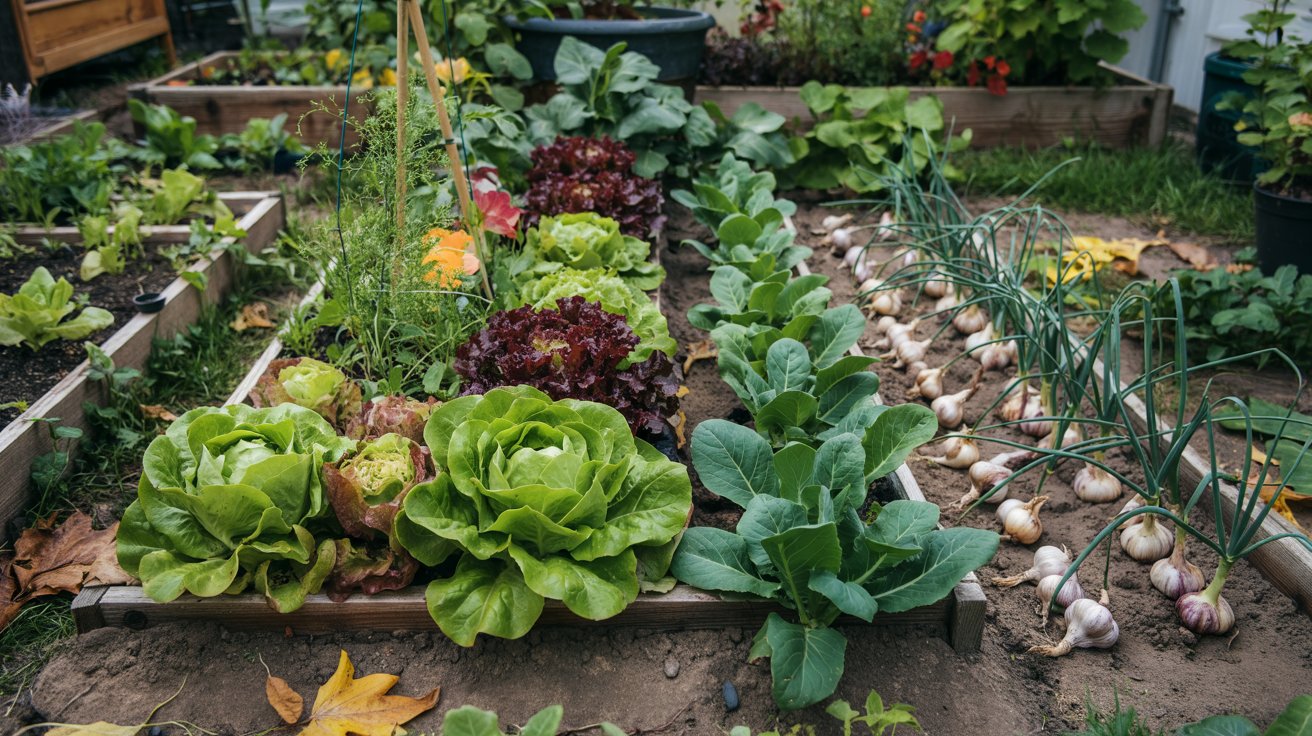
This is round two of the cool-season calendar - a second chance to fill beds with greens, root vegetables, herbs, and hardy flowers before the first frost closes things down.
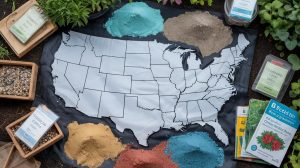
Frost timing shapes everything about September planting. Zones 3-5 often see first frost between late September and mid-October, while Zones 7-9 may not face hard frost until November or December.
Knowing your frost date lets you count backward from that deadline to decide what still has time to mature.
Our find your hardiness zone page makes that lookup fast. Once you have your frost date, the rest of September planning falls into place quickly.
Whether you sow seeds direct, set out transplants, or focus mostly on soil prep this month, September rewards action. The sections below cover vegetables, flowers, herbs, and regional timing - everything you need to make the most of fall's cool opening.
September is a prime planting window for cool-season vegetables, hardy flowers, and herbs. Work backward from your first frost date to decide what to sow versus transplant.
Fast-maturing crops like radishes, spinach, and lettuce are reliable starts. Hardy annuals and garlic bulbs round out the fall garden.
September: What This Month Can Do for Your Garden
The window between Labor Day and the fall equinox is one of the most productive stretches of the gardening year. Soil temperatures above 50°F still support strong germination, and cooler air means less stress on tender seedlings.
Remember it later
Planning to try this recipe soon? Save it for a quick find later!
According to UMN Extension vegetables, fall planting can extend your harvest by weeks when timed against your local frost date.
The strategy is simple: fast crops go in as seed, slower crops go in as transplants, and anything that needs winter to vernalize - like garlic and spring-blooming bulbs - gets planted toward month's end.
Our monthly planting timelines show how September fits into the full cool-season arc, from late summer sowing through winter dormancy and back to spring.
Vegetables to Plant in September
Cool-season vegetables split neatly into two groups this month: those fast enough to mature before hard frost, and those that need protection but will keep producing under row cover well into fall.
The full vegetable planting calendar covers timing beyond September, but right now these are the crops worth prioritizing.
Most of these do best when sown into well-amended, moist soil with good drainage. According to CSU Extension's planting guide, soil temperature between 45°F and 75°F gives cool-season vegetables the best germination rates.
| Vegetable | Method | Days to Maturity | Notes |
|---|---|---|---|
| Radish | Direct seed | 25–30 days | Fastest crop; sow succession rows every 7 days |
| Spinach | Direct seed | 40–50 days | Handles light frost; sow by mid-September in Zone 5 |
| Lettuce | Seed or transplant | 45–60 days | Loose-leaf types mature faster than head types |
| Arugula | Direct seed | 30–40 days | Bolt-resistant in cool temps; succession sow every 2 weeks |
| Kale | Seed or transplant | 50–65 days | Flavor improves after frost; harvest outer leaves continuously |
| Broccoli | Transplant | 60–80 days | Use transplants only in September; seeds too slow |
| Cauliflower | Transplant | 70–85 days | Needs consistent moisture; best in Zones 7–9 for fall |
| Garlic | Clove (bulb) | Overwinters; harvest July | Plant late September–October; separate cloves 6 inches apart |
| Bok choy | Direct seed | 45–60 days | Shade-tolerant; good for gaps between taller plants |
| Turnip | Direct seed | 45–60 days | Both roots and greens edible; sow thinly and thin to 4 inches |
Broccoli and cauliflower deserve a word on spacing: 18 inches between plants gives each head room to develop fully before cold sets in. Crowding them is one of the most common reasons fall brassicas underperform.
If you're also planning what to harvest in winter, see how January garden prep links to crops you start now. Garlic planted in late September will be your first satisfying harvest next summer.
Succession sowing makes the biggest difference with greens. Sowing a short row of spinach or arugula every ten days through mid-September spreads your harvest window rather than producing everything at once.
Flowers and Herbs to Plant in September
September planting isn't limited to edibles. Hardy annuals, cool-season perennials, and spring-blooming bulbs all benefit from an early fall start.
For a broader look at what keeps blooming past the frost, our guide to fall-season flower choices is worth bookmarking.
Virginia Tech Extension's fall planting calendar confirms that many herbs establish better in fall's cool, moist conditions than in spring's unpredictable weather.
| Plant | Type | Spacing | Light | Notes |
|---|---|---|---|---|
| Pansy | Annual flower | 6–8 inches | Full to part sun | Blooms fall through spring in Zones 6–9; deadhead to extend |
| Snapdragon | Annual flower | 8–12 inches | Full sun | Transplant starts in September; blooms before hard frost |
| Sweet alyssum | Annual flower | 6 inches | Full sun | Direct sow; fills gaps and attracts beneficial insects |
| Tulip bulbs | Spring bulb | 4–6 inches | Full sun | Plant 6–8 inches deep in late September; needs cold to bloom |
| Daffodil bulbs | Spring bulb | 4–6 inches | Full sun | Deer-resistant; naturalize well in lawns and borders |
| Cilantro | Herb | 4–6 inches | Full to part sun | Bolts in heat; fall sowing produces lush leafy growth |
| Dill | Herb | 12 inches | Full sun | Direct sow; harvest fronds before frost; self-seeds freely |
| Chives | Perennial herb | 6–8 inches | Full to part sun | Plant divisions or seed now; returns reliably next spring |
| Parsley | Biennial herb | 6–8 inches | Part to full sun | Slow to germinate; transplants establish faster than seed in fall |
Pansies stand out as the most versatile September plant - they bloom now, go dormant through hard freezes, and resume flowering in early spring without any replanting.
For herb gardeners, cilantro and dill are the September stars. Both bolt immediately when temperatures rise, so fall is actually their prime season.
A September sowing gives you 6-8 weeks of leafy harvest before frost ends the run.
Spring bulbs need cold to trigger blooming, so late September planting gives them the full winter vernalization they require. Tulips and daffodils planted now will reward you in March and April - a useful connection to early spring's first color in the garden.
Regional Timing and What to Do This Month
September planting strategy shifts significantly by zone. Gardeners in Zones 3-5 are working against a tight deadline - first frost can arrive as early as late September in northern states, so early-month sowing is critical.
Zones 6-7 have until mid-October, giving more flexibility for transplants. Zones 8-9 are just entering prime cool-season planting and can sow through October without frost pressure.
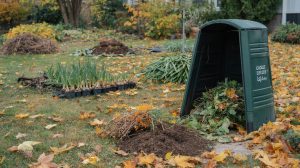
Wherever you garden, a few tasks apply across the board this month. Clear spent summer crops to free up bed space.
Work a thin layer of compost into newly cleared areas before sowing. Water newly seeded beds lightly every day until germination - shallow seeds dry out fast in September's sun.
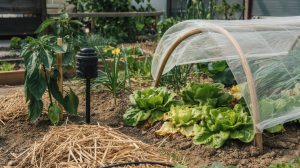
Row covers and cold frames can extend your growing window by 4–6 weeks beyond your first frost date. UMN Extension's guide to extending the growing season covers which covers work best for fall crops and how to vent them on warm days.
If you garden in Zone 6 or colder, now is also the time to think ahead toward winterizing beds and borders before the ground freezes hard. Mulching newly seeded beds with 1-2 inches of straw this month protects germinating seeds from temperature swings.
Gardeners curious about how fall momentum carries into the dormant season can also check what's worth growing for late-winter harvests and what April planting builds on from your September groundwork.
Comparing May's warm-season crops to September's cool-season push shows just how different these two windows are - and why both matter.
Frequently Asked Questions
Zones 3–5 should focus on fast crops like radishes and spinach. Zones 6–7 can add broccoli transplants. Zones 8–9 begin their main cool-season planting window in September, with harvests running through December. Check fall planting guidance for zone-specific dates.
Sow lettuce in the first two weeks of September in Zones 5–6. Loose-leaf varieties mature in 45 days, giving you harvest time before a mid-October frost. In Zones 7–9, sowing can continue through late September.
Yes, in Zones 5–7 you can plant garlic in late September. Plant cloves 6 inches apart and 2 inches deep. They'll root before freeze-up and overwinter for a July harvest.
Cilantro, dill, parsley, and chives all perform well in September's cool conditions. Cilantro and dill are especially productive in fall, producing leafy growth for 6–8 weeks before frost ends the season.
Pansies and snapdragons bloom within weeks of a September planting and continue until hard frost. Tulip and daffodil bulbs planted now won't bloom until March–April but need this fall planting window to vernalize properly.
Pin it for your next what to plant in september (vegetables flowers herbs) project.