Winter doesn't wait, and neither should you. The first hard freeze can arrive weeks earlier than expected, and plants caught unprepared rarely recover cleanly by spring.
Knowing how to winterize your garden isn't just about covering things up and hoping for the best. It's a sequence of specific tasks - cleanup, mulching, irrigation shutdown, equipment storage - done in the right order at the right time.
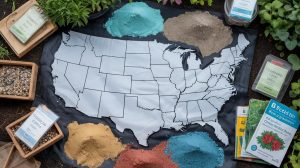
Your USDA hardiness zone determines when those tasks become urgent. A gardener in Zone 5 may need to act a full six weeks ahead of someone in Zone 8, even if both are following the same basic checklist.
Microclimates inside your own yard add another layer. A south-facing bed against a brick wall can behave like a zone warmer than your official zone, while a low-lying corner may freeze a week earlier than the rest of your garden.
This guide walks you through an 8-step weekend plan, a zone-by-zone timing reference, and frost-protection specifics you can apply this season. If you want to cross-reference what's ahead after winter, our off-season planning guide covers what to map out before spring arrives.
A complete plan to winterize your yard and garden using zone-based timing, proper mulching depth, frost covers, and irrigation prep — so your plants survive cold and your soil stays healthy heading into spring.
Your 8-Step Winterization Plan
Run through these steps in order over one weekend or split across two short sessions. Each step builds on the last, so sequence matters.
Remember it later
Planning to try this recipe soon? Save it for a quick find later!
Check your official zone first using the USDA zone lookup before deciding when to start - the official zone maps give you precise frost timing by ZIP code.
Once tools are stored and beds are mulched, your garden is in defensible shape. A solid fall cleanup routine before you mulch will make each of these steps faster.
Never prune shrubs hard in fall. Late pruning stimulates new growth that cold snaps will kill. Save major cuts on shrubs and trees for late winter, just before buds break.
Zone-by-Zone Actions and Timelines
Frost timing varies by four to six weeks across zones 3 through 10. Using your zone as a timing anchor - rather than calendar month - is far more reliable than following a generic November checklist.
Reference the 2023 USDA zone map to confirm your zone, then match your tasks to the window below. Gardeners selecting plants for harsh winters should also browse cold-tolerant plant options that reduce your protection workload.
| Zone | First Frost Window | Start Cleanup | Mulch By | Container Deadline |
|---|---|---|---|---|
| 3–4 | Late Sept – Early Oct | Early Sept | Late Sept | Mid-Sept |
| 5–6 | Mid Oct – Early Nov | Late Sept | Mid-Oct | Early Oct |
| 7 | Late Oct – Mid Nov | Early Oct | Late Oct | Mid-Oct |
| 8 | Mid Nov – Early Dec | Late Oct | Mid-Nov | Early Nov |
| 9–10 | Dec – Rare Frost | Mid-Nov | Late Nov | Dec or skip |
Zones 3-4 gardeners face the tightest window - a hard freeze can follow the first frost within days. In zones 9-10, winterizing focuses more on soil prep and irrigation efficiency than frost covers.
Planning what you'll plant once cold passes is just as important as protecting what's in the ground now. A January planting reference helps you map out cool-season crops while you're still in winter mode.

Frost-Proofing: Mulching, Covers, and Irrigation
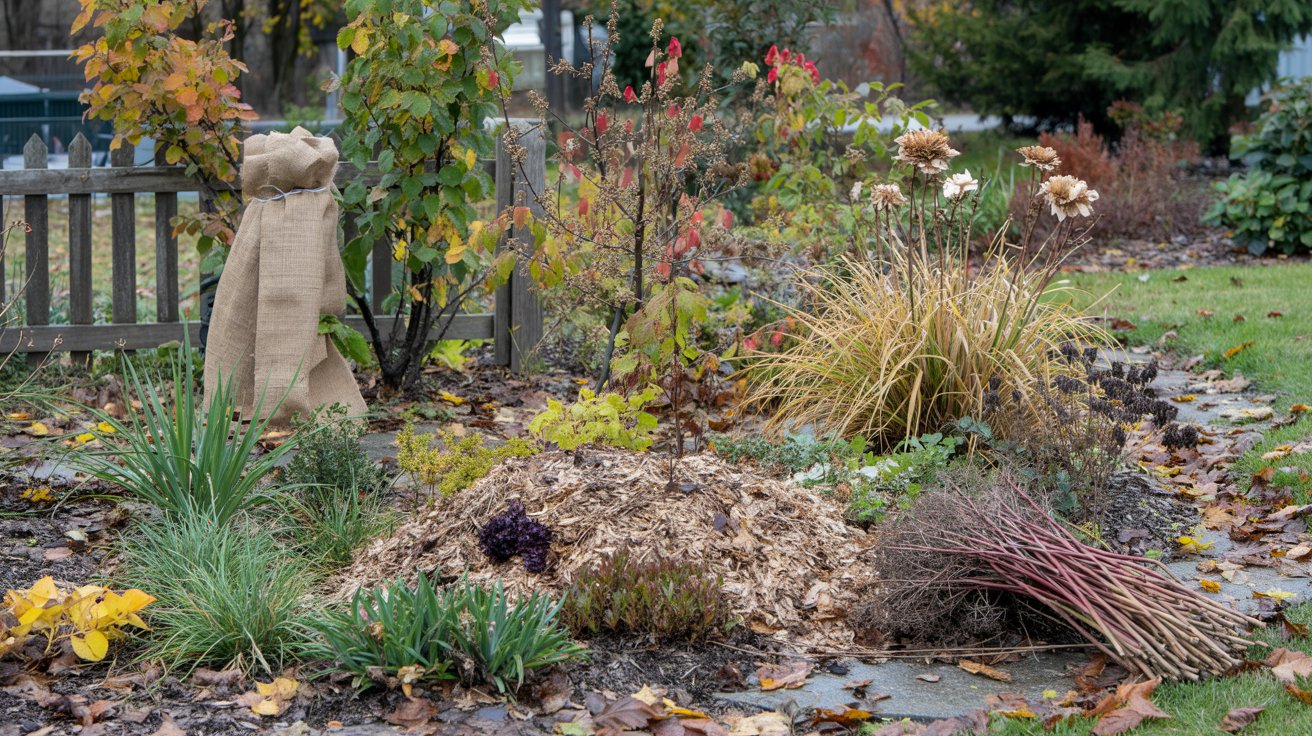
Mulch is your most reliable frost-protection tool, and depth matters more than material. Two inches buffers light freezes; four inches is what roots need in zones 5 and colder when the ground freezes solid.
Organic mulches - shredded leaves, straw, pine needles - decompose over winter and improve soil structure by spring. Inorganic options like gravel don't add organic matter but work well around Mediterranean plants that dislike moisture retention around their crowns.
Apply mulch after the ground has cooled but before it freezes solid — typically after two or three nights below 32°F. Mulching too early traps warmth and delays the dormancy signal your plants need. The University of Minnesota Extension recommends waiting until after a hard frost to mulch most perennials.
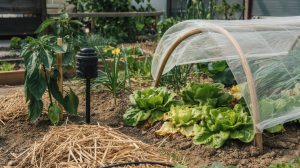
Fabric row covers and frost blankets protect plants down to 24-28°F when secured at ground level. Use wire hoops to keep fabric off foliage - direct contact transfers cold and causes burn.
Remove covers during warm daytime spells so plants don't overheat.
Watering before a predicted frost helps more than most gardeners expect. Moist soil holds heat roughly four times better than dry soil, buffering root zones against sharp overnight drops.
Water deeply two days before a hard freeze, not the morning of.
Stop routine irrigation once nighttime temps stay consistently below 40°F. Overwatering dormant plants drowns roots and invites fungal rot.
If you're heading into a dry winter (common in zones 7-9), water evergreen shrubs and drought-tested perennials once a month to prevent desiccation.
Microclimate Adaptations
Your official USDA zone is an average - your yard contains multiple microclimates that can run warmer or colder by a full zone. Identifying them before a freeze lets you target protection where it actually matters.
South-facing walls absorb heat all day and radiate it overnight, creating a pocket that's often 5-10°F warmer than the open yard. UC ANR's winterizing guide notes that microclimates change which plants need covers - sheltered spots may need no protection at all.
Low-lying areas and the base of slopes are frost pockets — cold air drains downhill and pools there. Plants in these spots can freeze a full week before the rest of your yard, regardless of your official zone.
Containers are the most vulnerable part of any yard because their roots sit above ground level with no insulating soil mass around them. Move tender containers indoors by the dates in the zone table above.
For large ceramic or terracotta pots you can't bring in, empty the soil out - frozen wet soil expands and cracks even thick pottery.
- Windy corners: Install burlap windbreaks on the north and west sides of susceptible evergreen shrubs to prevent winter burn from desiccating winds.
- Frost pockets: Apply an extra inch of mulch in low-lying spots, and move containers out of these areas entirely before hard freezes.
- South walls: Use this warmth strategically - overwinter borderline-hardy plants here instead of indoors, and push your earliest cool-season sowings to this spot in late winter.
- Container clusters: Group pots together so they share heat mass overnight - a cluster of five pots stays measurably warmer than isolated singles.
Mapping your microclimates once means you can reuse that knowledge every winter. Use it to plan next year's layout using a planting calendar that accounts for your actual cold zones, not just regional averages.
Once your yard is protected and mulched, you can shift focus to what comes next. Our guide to spring garden preparation starts where winter cleanup ends, covering soil work and early planting before the last frost date passes.
If you're building a broader plan across all seasons, the year-round yard care section has zone-specific guides for every stage.

Frequently Asked Questions
Shredded leaves and straw insulate roots best, holding heat while allowing air circulation. Pine needles work well around acid-loving plants like azaleas and blueberries.
Apply 2–4 inches over beds. Zones 5 and colder need the full 4 inches when ground freezes solid. Always keep mulch 2 inches away from plant crowns.
Yes — moist soil holds heat roughly four times better than dry soil. Water deeply two days before a predicted hard freeze, not the morning of the frost.
Cover plants the evening before a predicted frost and remove covers the next morning once temps rise above 32°F. OSU Extension recommends fabric covers over plastic for most landscape plants.
Hard freezes are rare but do occur. Focus on soil amendment, irrigation efficiency, and protecting tropical container plants rather than frost covers for in-ground beds.
Pin it for your next how to winterize your yard and garden project.