April sits in that narrow window where winter loosens its grip just enough to get serious about the garden.
Soil temps are climbing, last frost dates are approaching for most of the country, and the gap between a failed crop and a successful one often comes down to a single week's timing.
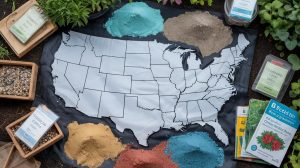
The challenge is that April looks completely different depending on where you live. Zone 5 gardeners are still watching for frost warnings while Zone 9 growers are already succession-sowing a second round of cool-season crops.
What works here is treating April as a decision tree rather than a fixed calendar. You check your zone, confirm your soil temperature, then match crops to conditions - not the other way around.
Our spring garden prep checklist walks through the soil and bed work that should happen before any seed goes in.
This guide covers vegetables, herbs, and flowers with specific timing, frost tolerance notes, and a zone-by-zone planner you can use as a printed reference. Every recommendation here is built around real last-frost windows and soil temperature thresholds that actually trigger germination.
April is a high-activity planting month with a split between frost-tolerant direct sows and frost-tender transplants. Timing depends on your USDA hardiness zone, last frost date, and whether soil has reached the minimum germination temperature for each crop.
Vegetables to Plant in April
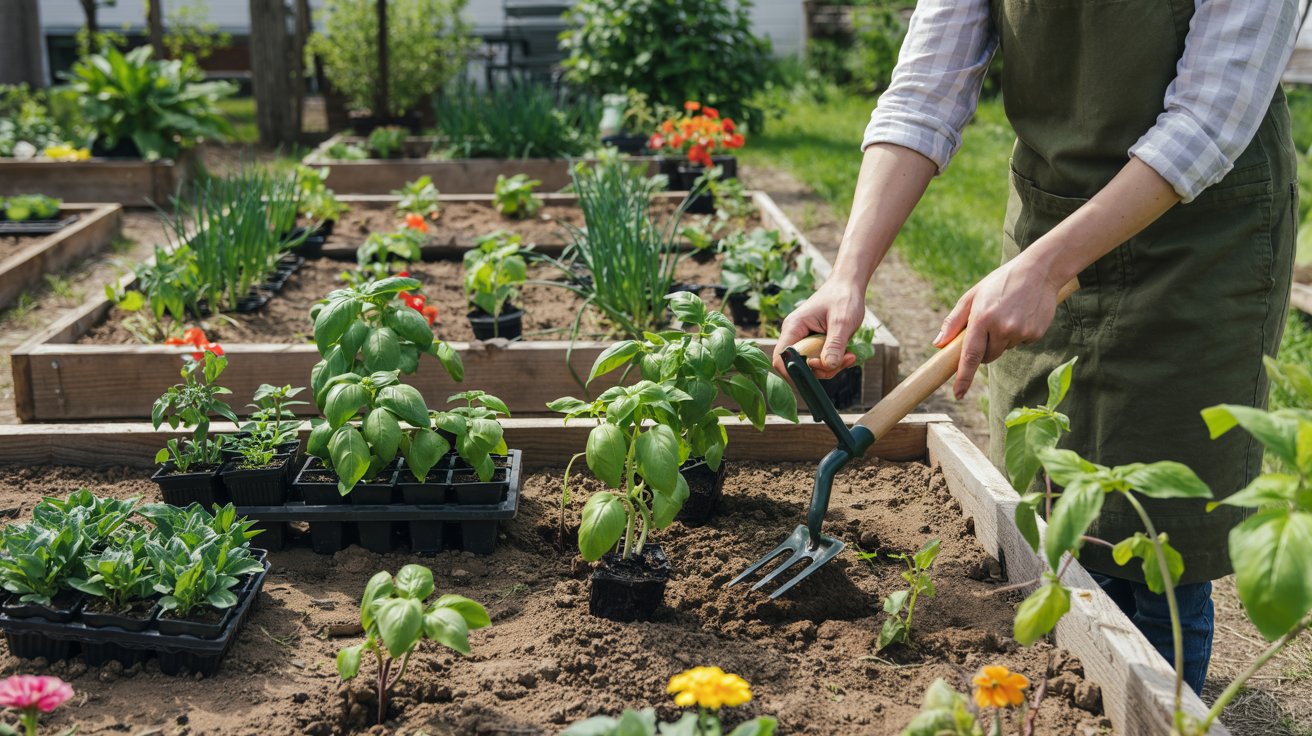
April vegetable planting splits into two camps: frost-tolerant crops you can direct-sow now regardless of zone, and frost-tender crops like tomatoes and peppers that only go out after your last frost date has passed.
Remember it later
Planning to try this recipe soon? Save it for a quick find later!
Knowing which camp each vegetable belongs to is the only real planning tool you need.
Cool-season crops - lettuce, spinach, peas, kale, radishes - germinate in soil as cold as 40°F and can handle light frosts without damage. Warm-season crops need soil at least 60°F and air temperatures that stay reliably above freezing at night.
The vegetable planting calendar gives full year-round timing for each crop listed below.
Succession sowing matters in April. Sow lettuce and radishes every 10-14 days through the month so harvests stagger rather than arrive all at once.
Peas can go in as a single sowing since they dislike transplanting and bolt once summer heat hits.
University of Illinois Extension's vegetable planting dates confirm that most cool-season crops can be direct-sown 4-6 weeks before the last expected frost, which aligns with early April for Zones 5-7.
| Vegetable | Method | Spacing | Days to Maturity | Frost Tolerance |
|---|---|---|---|---|
| Lettuce | Direct sow | 6–8 in | 45–60 days | Tolerates light frost |
| Peas | Direct sow | 2–3 in | 60–70 days | Tolerates hard frost |
| Spinach | Direct sow | 3–6 in | 40–50 days | Tolerates hard frost |
| Radish | Direct sow | 1–2 in | 22–30 days | Tolerates light frost |
| Kale | Direct sow or transplant | 12–18 in | 55–75 days | Tolerates hard frost |
| Broccoli | Transplant | 18 in | 60–80 days | Tolerates light frost |
| Tomato | Transplant (after frost) | 24–36 in | 60–85 days | No frost tolerance |
| Cucumber | Direct sow (Zones 8–9) | 12 in | 50–70 days | No frost tolerance |
Tomato transplants set out before soil reaches 60°F will stall — roots stop growing in cold soil even when air temps feel warm. Wait for consistent overnight lows above 50°F before transplanting warm-season crops.
Herbs to Start This Month
Herbs in April fall into the same cool/warm split as vegetables. Cool-season herbs like cilantro, parsley, and chives can go directly into the ground now and actually prefer the cooler soil.
Warm-season herbs like basil need indoor starts or post-frost direct sowing.
Germination temperature matters more than most gardeners realize. Basil, for example, won't germinate reliably below 65°F soil temperature and will rot in cold, wet spring soil if sown too early.
Cilantro, by contrast, germinates at 50°F and bolts in summer heat - April is its best window for direct sowing outdoors.
If you missed starting herbs indoors in February or March, some catch up quickly. Dill and cilantro are fast from direct sow.
Parsley is slow - 14-28 days to germinate - so buying transplants in April saves weeks. Our guide covering March indoor herb starts explains the lead time needed for slower-germinating varieties.
Illinois Extension's herb timing guidance on spring planting windows recommends setting out transplants of warm-season herbs only after last frost has passed, which for most of the Midwest falls between late April and mid-May.
| Herb | Method | Min. Soil Temp | Days to Germinate | April Timing |
|---|---|---|---|---|
| Cilantro | Direct sow | 50°F | 7–10 days | Direct sow now |
| Chives | Direct sow or transplant | 50°F | 10–14 days | Direct sow now |
| Dill | Direct sow | 60°F | 7–14 days | Direct sow mid-April |
| Parsley | Transplant recommended | 50°F | 14–28 days | Buy transplants |
| Basil | Indoor start or post-frost | 65°F | 5–10 days | Start indoors only |
| Thyme | Transplant | 60°F | 14–28 days | Set out after frost |
Sow cilantro every 3 weeks starting in early April through late May for a continuous harvest. Once soil temps exceed 75°F, cilantro bolts fast — stop sowing and shift to dill.

Flowers for April Planting
April flowers break into two useful groups: hardy annuals and perennials that tolerate frost, and tender annuals that need warm soil before going out. Getting this distinction right means you get color from May onward instead of waiting until June.
Cool-season annuals like pansies, snapdragons, and sweet peas can go in the ground now across most zones. They bloom best in cool spring temperatures and often fade once summer heat arrives, so planting in April captures their full season.
Tender annuals like zinnias and marigolds should wait until soil reaches 65°F - typically late April in Zones 7-9 and May in Zones 5-6.
Perennials started from seed in April won't bloom this year for most varieties, but those purchased as transplants will establish roots through spring and bloom on schedule.
UF/IFAS flower planting guidance highlights impatiens, celosia, and vinca as strong April choices for warmer zones, with direct outdoor sowing viable from Zone 8 south.
For containers and borders, a mix of pansies now plus zinnia transplants later gives continuous color without a gap. Check our May planting guide to see which tender annuals transition in as cool-season flowers wind down.
| Flower | Type | Method | Sun Need | Frost Tolerance |
|---|---|---|---|---|
| Pansy | Cool-season annual | Transplant or direct sow | Full to part sun | Tolerates frost |
| Snapdragon | Cool-season annual | Transplant | Full sun | Tolerates light frost |
| Sweet Pea | Cool-season annual | Direct sow | Full sun | Tolerates frost |
| Marigold | Warm-season annual | Direct sow or transplant | Full sun | No frost tolerance |
| Zinnia | Warm-season annual | Direct sow (late April) | Full sun | No frost tolerance |
| Coneflower | Perennial | Transplant | Full sun | Tolerates light frost |
| Impatiens | Tender annual | Transplant (Zones 8–9) | Part shade | No frost tolerance |
Zone-by-Zone Quick Planner
April timing shifts by roughly 2-3 weeks per zone as you move north. Zone 9 gardeners are past last frost by early April and can already transplant warm-season crops.
Zone 5 gardeners are still 3-4 weeks away from their safe transplant window, making April their month for cool-season direct sowing and indoor transplant prep.
Soil temperature is the most reliable trigger for outdoor planting decisions. A $10 soil thermometer gives you more actionable data than any calendar date.
Take readings 2 inches deep in the morning - that's the coldest point of the 24-hour cycle and the most conservative guide for germination timing. Illinois Extension's last-frost planting tool confirms that tracking actual soil temps outperforms relying on calendar dates alone.
For a 4-week April planting sequence: sow cool-season crops in week one, add herbs and flowers in week two, begin hardening off tomato and pepper transplants in week three, and set out warm-season transplants in week four - but only if your last frost date has passed.
Use our USDA zone lookup to confirm your exact frost window before week-four planting.
Gardeners in colder zones who want a head start should review our guides on cold-month indoor sowing and extending the indoor growing season - both cover crop sequencing that feeds into an April transplant schedule.
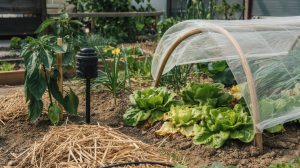
Zone 5–6 gardeners should check forecasts weekly in April — a late frost can arrive through early May. Keep row cover or frost cloth on hand for any transplants set out before May 1.
Once your April plantings are established, June's warm-season window opens the next succession. For a full season overview, the monthly planting series covers crop timing from first thaw to fall harvest.
Frequently Asked Questions
Cool-season crops like lettuce, peas, spinach, and kale perform well across all zones in April. Warm-season vegetables only suit Zone 8–9 gardeners, where soil has already reached 60°F or above.
Only in Zone 8–9, where last frost dates fall before April 1. In Zones 5–7, tomato transplants should wait until late April at earliest — soil must be at least 60°F overnight.
Peas, spinach, radishes, lettuce, kale, cilantro, chives, pansies, and sweet peas are all cool-season. Most germinate in soil as cold as 40–50°F and tolerate frost without damage.
Check your USDA zone's average last frost date, then confirm soil temperature with a thermometer 2 inches deep. Warm-season crops need at least 60°F soil and consistent overnight lows above 50°F.
Pansies, snapdragons, and sweet peas give immediate spring color and tolerate frost. Set them out in early April — they bloom best below 65°F and often fade once summer heat arrives.
Pin it for your next what to plant in april (vegetables flowers herbs) project.