June marks the real turning point in the garden year. Cool-season crops are finishing up, and the soil is finally warm enough to push heat-lovers into high gear.
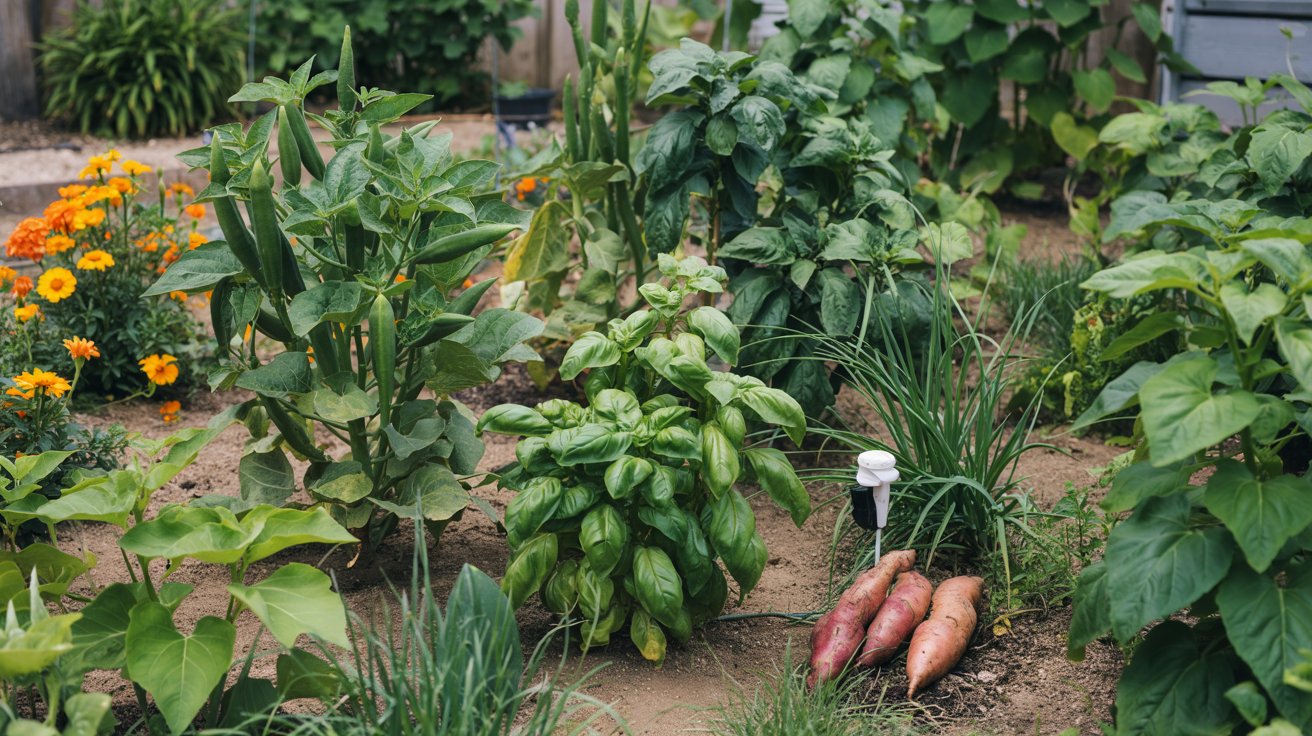
This is the month to direct-sow cucumbers, corn, and summer squash, and to get tomatoes, peppers, and eggplants into the ground if you haven't already. Miss this window and you're chasing the season all summer.
The tricky part is that "June" means very different things depending on where you live. A gardener in Minnesota still watches for late frost in early June, while someone in Florida is already managing heat stress on crops planted weeks ago.
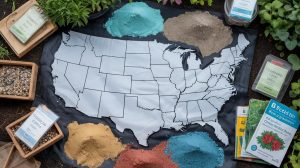
Your local hardiness zone tells you when the ground is reliably ready - use it alongside a soil thermometer, not just a calendar date.
According to the UMN Extension guide, early June is the right window for broccoli, late cabbage, cauliflower, eggplant, and pepper transplants, plus direct-sowing cucumbers, summer squash, and corn.
We've built this guide around heat-tolerant picks, real sowing windows, and zone-aware timing - so you spend less time guessing and more time growing.
June is prime time for heat-tolerant vegetables, herbs, and flowers. Direct-sow cucumbers, squash, and corn now.
Transplant tomatoes, peppers, and eggplants if soil temps hit 60°F or above. Adjust timing by zone — northern gardeners plant later, southern gardeners shift to heat crops fast.
What to Plant in June: Vegetables, Flowers, and Herbs?
June's crop list splits cleanly between what you direct-sow straight into warm soil and what you set in as transplants. Getting that distinction right saves you from replanting failures mid-season.
Remember it later
Planning to try this recipe soon? Save it for a quick find later!
Vegetables take center stage in June, but summer flowering plants and fast-growing herbs fit right alongside them. Here's how the main categories break down.
- Direct-sow vegetables: Cucumbers, summer squash, bush beans, sweet corn, and okra all go straight into the ground now. Soil temps above 60°F are non-negotiable for germination.
- Transplants: Tomatoes, peppers, and eggplants benefit from being set in as established starts rather than seed. They need warm nights - consistently above 50°F - to avoid transplant setback.
- Herbs: Basil is the June herb. Direct-sow it after your last frost date, in full sun. Dill and cilantro can also go in early June before heat turns them to seed too fast.
- Flowers: Zinnias, sunflowers, and marigolds all direct-sow well in June. They establish fast and provide color well into fall. Zinnias can go from seed to bloom in as little as 60 days.
The full-season crop calendar shows how June slots into the broader planting sequence from spring through fall.
| Crop | Method | Notes |
|---|---|---|
| Cucumbers | Direct sow | Soil 70°F+; harvest in 50–65 days |
| Summer squash | Direct sow or transplant | Fast germinator; sow 1 inch deep |
| Sweet corn | Direct sow | Sow in blocks of 4+ rows for pollination |
| Bush beans | Direct sow | Succession sow every 2 weeks for continuous harvest |
| Okra | Direct sow | Heat essential; struggles below 65°F soil |
| Tomatoes | Transplant | Set deep; bury ⅔ of stem for strong roots |
| Peppers | Transplant | Warm nights above 50°F required |
| Eggplant | Transplant | Full sun; space 18–24 inches apart |
| Sweet potatoes | Slip transplant | Plant slips 12–18 inches apart in loose soil |
| Basil | Direct sow | Direct sow after last frost; full sun only |
| Zinnias | Direct sow | Bloom in 60 days; deadhead for more flowers |
| Sunflowers | Direct sow | Sow 6 inches apart; thin to 12–24 inches |
Northern gardeners - particularly in Maine and Minnesota - may push some transplants to late June or early July depending on soil warmth, as noted by the UMaine Extension. Don't rush transplants into cold soil; they'll stall and sulk for weeks.
Sweet corn needs soil temps above 60°F to germinate reliably. Planting in cold soil leads to rot, not sprouts. Wait an extra week if needed — it pays off.
If you're planning to keep planting into next month, note that July calls for a different strategy: faster-maturing varieties and fall-focused timing take over.
Step-by-Step: June Planting Calendar
A good June garden doesn't happen by accident. These six steps keep you on track from soil prep through early pest management, whether you're starting seeds or setting in transplants.
Work through these in order - each one sets up the next.
Set transplants in the evening or on a cloudy day to cut transplant shock. Direct sun on freshly disturbed roots stresses plants immediately — even heat-lovers need a gentle start.
Gardeners who document their June sowing dates each year build a reliable personal calendar faster than any guide can provide. Track what worked, what stalled, and what soil temp you planted at.
If you want to compare how June timing differs from cooler months, the March planting contrast shows just how different the crop list and methods look two seasons back.
Climate-Tailored Tweaks for June
Where you garden changes everything about June. The same calendar date can mean frost risk in Vermont and heat stress in Georgia - so zone-aware adjustments are non-negotiable.
In the South and Gulf Coast, the UF/IFAS Extension recommends leaning hard into okra, southern peas, and sweet potato slips during May and June - crops that genuinely thrive when temps climb above 85°F.
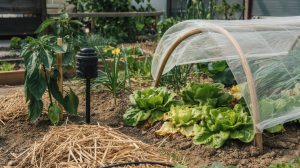
In northern zones, row covers are still a smart insurance policy through early June. They protect tender transplants from surprise cold snaps without blocking the light your seedlings need.
- Zones 3-5 (North): Wait until mid-June for pepper and eggplant transplants. Prioritize varieties under 75 days to maturity so you beat the first fall frost.
- Zones 6-7 (Mid-Atlantic, Midwest): Full June planting window is open. Direct-sow a second round of beans in late June for a fall harvest. Mulch heavily once temps consistently clear 80°F.
- Zones 8-10 (South, Southwest): Shift to okra, sweet potatoes, and southern peas as cool-season beds clear. Afternoon shade cloth at 30% can protect peppers from sunscald when temps push past 95°F.
In humid southern climates, dense planting in June invites fungal disease fast. Space plants at the wider end of label recommendations and water at the base, not overhead, to keep foliage dry.
Gardeners comparing how much earlier southern spring planting starts can check the February head start guide for context on just how long the season runs in warm zones.
Whatever your zone, mulch is the single most effective tool in June. A 3-inch layer cuts soil moisture loss by up to 50% and keeps root zones cooler during heat waves - no irrigation system matches it for efficiency.
If you're already thinking about how to close out the season, the fall garden shutdown guide covers what to do once your June crops finish.
And if you want to trace the full arc of the year, the January indoor seed start breakdown shows how this month's transplants were seeded five months ago.
Frequently Asked Questions
Bush beans, cucumbers, and zinnias all mature in 50–65 days. Radishes and summer squash can be ready in as little as 45 days from direct sow.
Okra, southern peas, sweet potatoes, cucumbers, and eggplant handle heat best. Okra actively produces more in temperatures above 85°F.
In zones 3–5, early June still works for a final round of lettuce or spinach in a shaded spot. Expect bolting by mid-July as days lengthen and heat builds.
Harden off transplants for 5–7 days before planting, then set them in during evening hours. Water immediately with a diluted liquid fertilizer to help roots establish fast.
Zinnias are the fastest, blooming in 60 days from direct sow. Marigolds and sunflowers follow at 65–70 days, making all three reliable June-to-August performers.
Pin it for your next what to plant in june (vegetables flowers herbs) project.