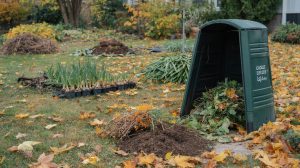
March sits in that narrow window where winter still has teeth but the soil is quietly waking up. Cool-season crops like spinach, peas, and kale can handle a light frost, making them ideal candidates for early outdoor sowing as soon as the ground is workable.
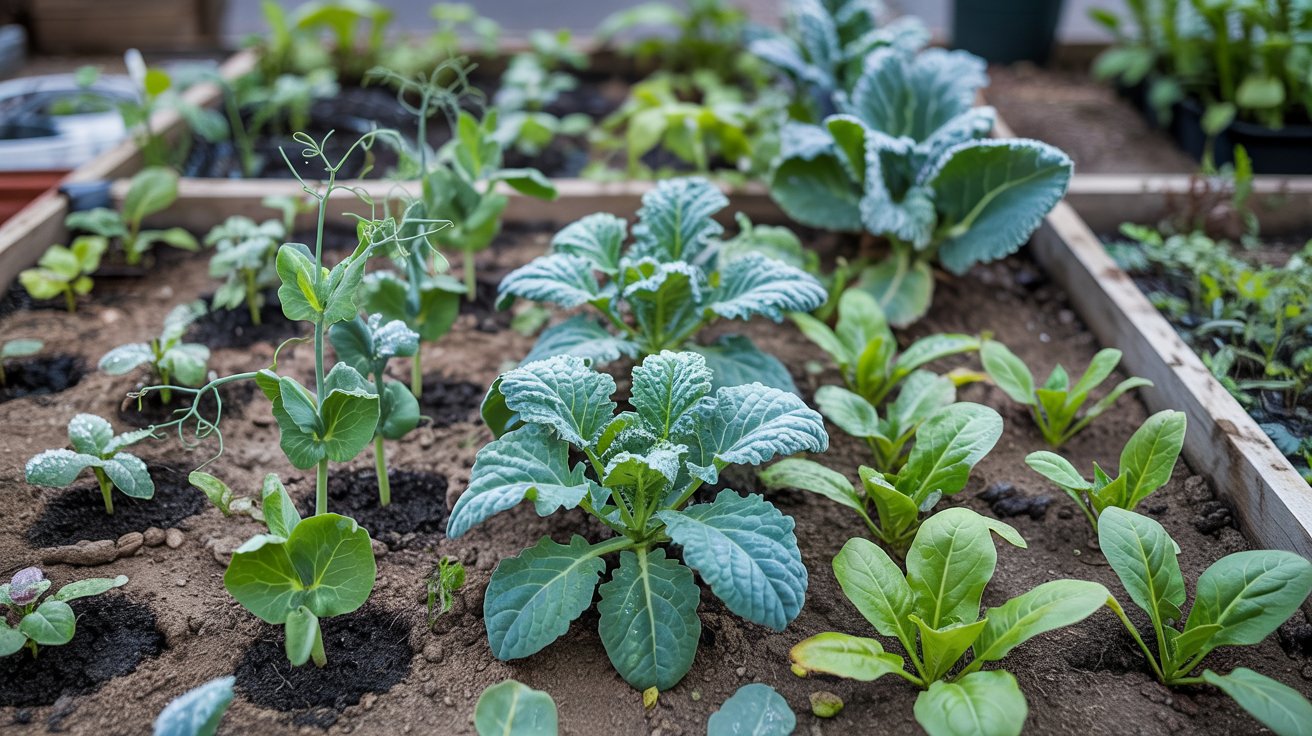
Meanwhile, warm-season seedlings like tomatoes and peppers need to get started indoors now so they're ready when your last frost date finally passes.
The difference between a productive spring garden and a frustrating one often comes down to a few weeks of timing. Knowing your local frost-free dates and matching your sow dates to soil temperature - not just the calendar - separates early harvests from repeated replanting.
March tasks split into two tracks: direct sowing outdoors for hardy crops, and indoor seed starting for warm-season vegetables that need a 6-8 week head start. Both happen in March, often at the same time.
This guide walks through both tracks, plus a zone-flex section to adjust timing for your specific region. If you want to see what comes right before this month, the February cold-hardy sowing options provide useful context for what's already in the ground.
March is prime time for direct sowing cool-season crops outdoors and starting warm-season vegetables indoors. Soil temperatures around 40°F are the green light for hardy greens, while indoor starts need 6-8 weeks before transplant.
Zone timing varies widely — Zones 8-10 are already transplanting, while Zones 4-5 are mostly starting indoors.
Starting Vegetables in March
The first decision is whether your soil is actually ready. Squeeze a handful of garden soil - if it crumbles rather than clumps, it's workable.
Remember it later
Planning to try this recipe soon? Save it for a quick find later!
If it smears like clay, wait another week or two before direct sowing anything.
Once soil is workable, cool-season vegetables go straight into the ground. Warm-season crops still need warmth indoors, with transplanting weeks away.
Your full-year planting calendar can help you map both tracks together.
Once your warm-season seedlings are established under grow lights or in a sunny south-facing window, check them daily. Leggy, pale seedlings mean insufficient light - move them closer to the source or add a supplemental grow light within the first week.
For anyone new to starting from seed, our guide on setting up an indoor seed station covers light setup, soil mix, and watering depth in detail.
Keep records of sow dates - you'll thank yourself when April arrives and you can't remember which tray is which.
Count back from your last frost date, not forward from March 1st. A gardener in Zone 5 and a gardener in Zone 8 both plant in March — but almost nothing about their schedules is the same.
Direct-sown root crops like carrots and beets need loose, stone-free soil at least 8-10 inches deep. Compacted or rocky ground causes forked, stunted roots.
Loosen it before sowing, not after.
Flowers and Herbs to Start in March
Herbs and flowers often get skipped in early spring planning, but March is genuinely useful timing for several of them. Fast-growing herbs like cilantro and dill bolt in summer heat, so starting them now gives you the best harvest window before temperatures climb.
Hardy annual flowers - snapdragons, larkspur, and sweet peas - actually prefer cool soil and can go out earlier than most gardeners expect. According to the UC Agriculture and Natural Resources guide, March is the right month to sow or transplant herbs like cilantro and parsley alongside edible greens such as spinach, beets, and peas.
In Western Oregon, OSU Extension's March calendar confirms that parsley, chives, and radishes can go in as soon as soil begins to warm.
| Plant | Method | Notes |
|---|---|---|
| Sweet peas | Direct sow outdoors | Sow 6-8 weeks before last frost; prefer cool soil |
| Larkspur | Direct sow outdoors | Needs cold stratification; direct sow in late winter/early spring |
| Snapdragons | Start indoors | Start 8-10 weeks before last frost; transplant after hardening |
| Pansies | Transplant outdoors | Hardy to light frost; transplant as soon as soil is workable |
| Cilantro | Direct sow outdoors | Sow every 2-3 weeks for continuous harvest; bolts fast in heat |
| Dill | Direct sow outdoors | Does not transplant well; direct sow only, thin to 12 inches apart |
| Parsley | Start indoors or direct sow | Slow germinator; soak seeds 24 hours before sowing to speed sprouting |
| Chives | Direct sow or divide | Hardy perennial; divide established clumps or sow fresh seed in early spring |
| Spinach | Direct sow outdoors | Germinates at 40°F; sow as soon as ground is workable |
| Bachelor's button | Direct sow outdoors | Frost-tolerant annual; direct sow 4 weeks before last frost for early blooms |
Herbs that dislike root disturbance - dill, cilantro, and fennel - should always go directly into the ground. Skip the indoor-start step for these; transplant shock causes them to bolt almost immediately.
For flowers, the indoor-vs-outdoor decision usually comes down to frost tolerance. Snapdragons and pansies handle light frost well and can move outside sooner than most annuals.
Tender flowers like zinnias and marigolds are not March plants - hold those until May.
When you're planning what follows this spring planting push, reviewing what's worth sowing and transplanting in April helps you line up the next succession before this month's crops are even established.
The early-spring and late-spring calendars connect directly, and a gap between them is easy to create accidentally.
Zone Flex: Timing by Region
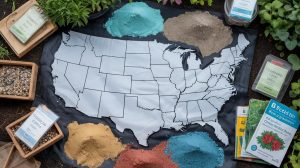
USDA hardiness zones define average winter minimums, but your last spring frost date is what actually drives March planting decisions.
Those two numbers don't always match - a Zone 7 gardener in a low-lying valley may see frost two weeks later than a Zone 7 neighbor on higher ground.
- Zones 3-4 (Upper Midwest, Northern New England): Last frost typically falls in mid-May to early June. Most March work happens indoors - start tomatoes, peppers, and onions under lights. No direct sowing outdoors until late April at the earliest.
- Zones 5-6 (Mid-Atlantic, Midwest, Pacific Northwest inland): Last frost around mid-April to early May. Direct sow peas, spinach, and radishes outdoors in mid-to-late March. Start warm-season crops indoors now.
- Zones 7-8 (Pacific Northwest coast, Southeast, Lower Mid-Atlantic): Last frost often passes by late March or early April. Transplant cool-season starts outdoors, direct sow brassicas, and begin hardening off warm-season seedlings started in February.
- Zones 9-10 (California, Gulf Coast, Southwest): Frost risk is minimal. Transition away from cool-season crops as temperatures rise. Direct sow warm-season crops outdoors and watch for bolting in any greens already in the ground.
According to Colorado State University Extension, the reliable rule is to plant cool-season crops 2-4 weeks before your average last frost date, adjusted for soil temperature rather than a fixed March date. A soil thermometer costs under $15 and removes most of the guesswork.
South-facing raised beds and beds near brick or stone walls warm up 1-2 weeks earlier than open ground. Use those spots for your first outdoor sowings and you'll consistently beat your neighbors' harvest dates without any extra effort.
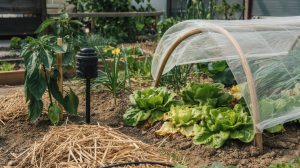
If a late frost threatens after you've sown, a single layer of row cover fabric can protect plants down to about 24°F. Keep some on hand through March and April regardless of your zone.
For a broader view of spring garden prep tasks that overlap with planting decisions, the early spring soil prep guide covers bed readiness, amendment timing, and raised bed warming techniques. Gardeners who want the full arc from winter through spring will also find that looking back at the winter sowing options and then forward to what's ready to go in May helps build a connected planting schedule rather than isolated monthly decisions.
For a deeper comparison of how the spring-to-summer transition plays out crop by crop, the June warm-season planting breakdown shows exactly where March indoor starts land in the garden.
And our full monthly garden planning resources cover every month of the year if you want the complete picture.
Frequently Asked Questions
Zones 3-4 focus on indoor starts in March. Zones 5-6 can direct sow peas and spinach outdoors. Zones 7-10 are transplanting cool-season crops and starting warm-season seeds.
Yes — indoors only. Start tomatoes, peppers, and eggplant indoors mid-March through mid-April, roughly 6-8 weeks before your last expected frost date.
Sweet peas, larkspur, bachelor's button, and pansies are all frost-tolerant and can be sown or transplanted outdoors in March, often 4-6 weeks before the last frost.
Look up your zip code through your local cooperative extension service or the USDA website. Dates range from late February in Zone 9 to early June in Zone 4.
Use a seed-starting mix, keep soil at 65-70°F for germination, and provide 14-16 hours of light daily. Parsley benefits from a 24-hour presoak before sowing to speed germination.
Pin it for your next what to plant in march (vegetables flowers herbs) project.