A compost tumbler can turn kitchen scraps and yard clippings into finished compost in as little as two to four weeks - far faster than a static bin sitting in the corner of your yard. That speed comes from a sealed drum that traps heat, controls moisture, and makes turning effortless.
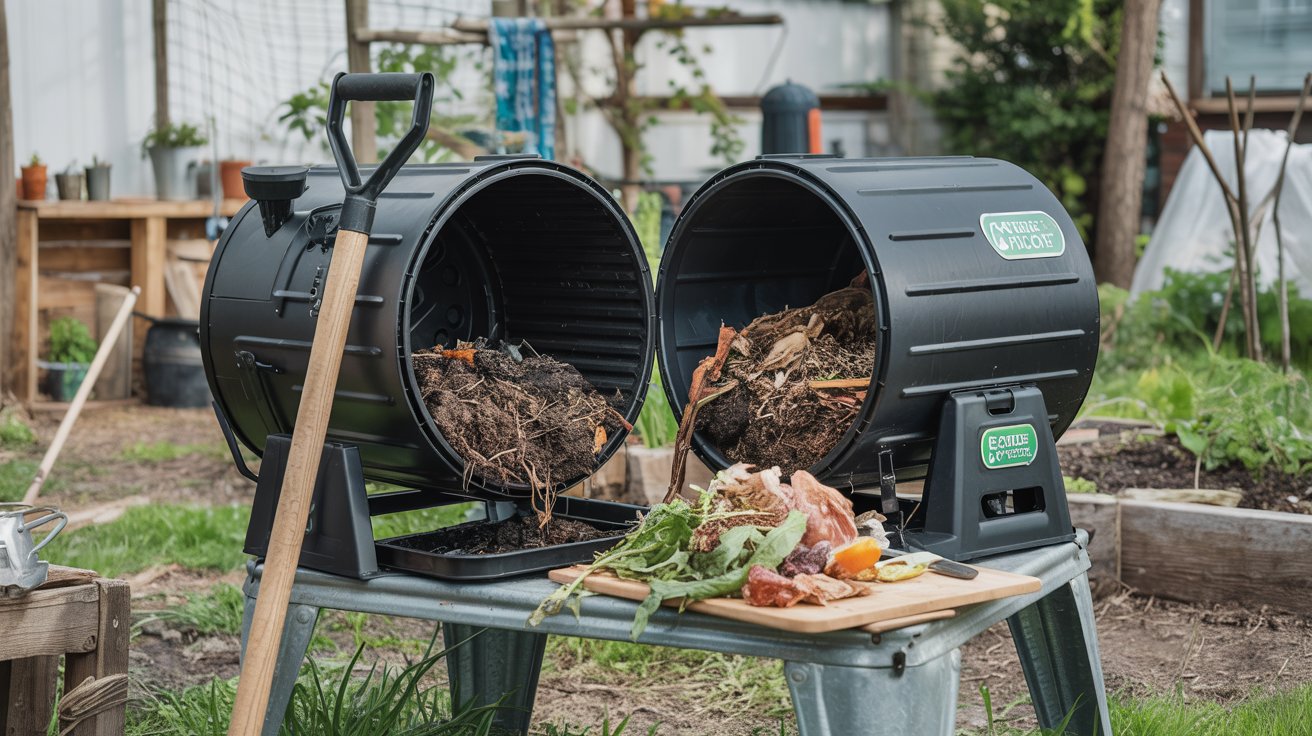
If you've ever opened a bin to find a soggy, pest-riddled mess, a tumbler is a direct solution to that problem.
Choosing the right one takes more than picking the biggest drum on sale. Capacity, chamber design, turning mechanism, and frame quality all vary widely across price tiers.
The biggest decision most buyers overlook is whether to go single- or dual-chamber. A dual-chamber design lets you cure one batch while actively loading the second, so you always have finished compost coming out on a rolling schedule.
According to Oregon State Extension, that continuous-production benefit is the primary reason dual-chamber models are recommended for households that compost year-round.
Space is the other non-negotiable. Urban gardeners on patios or balconies need a compact footprint, while suburban households with weekly yard waste need real volume.
Getting that match right saves you money and frustration.
We'll walk through every factor you need to compare - from drum volume and pest protection to warranty length and turning effort - so you can match a model to your actual routine rather than someone else's.
Understanding green-to-brown ratios before you buy also helps you use any tumbler more effectively from day one.
A compost tumbler speeds decomposition through sealed, aerated drums that trap heat and simplify turning. Dual-chamber models enable continuous output by letting one batch cure while the other fills.
Match capacity, turning mechanism, and price tier to your household size and available space.
Before buying, measure your available footprint including the arc of the drum's rotation. Some models extend 12–18 inches beyond their stated base dimensions when the drum is mid-spin.
Key Features to Compare Before You Buy
Every tumbler lists a total volume, but that number can be misleading. A 37-gallon dual-chamber unit gives you roughly 18 gallons per side - enough for one to two weeks of kitchen waste from a small household, not a full garden season in one load.
Remember it later
Planning to try this recipe soon? Save it for a quick find later!
Always check per-chamber volume, not just the headline figure.
Turning mechanism matters more than most buyers expect. Hand-grip ridges on a free-spinning drum require real upper-body effort, especially when the drum is heavy and wet.
A crank-handle design reduces effort by 40-60% and is worth prioritizing if you have limited mobility or a large-capacity drum. The EPA composting guide notes that consistent turning - every two to three days - is one of the most important factors in speeding up decomposition, so any friction in the turning process directly slows your results.
| Feature | What to Look For | Why It Matters |
|---|---|---|
| Chamber Design | Dual-chamber with separate doors | Continuous production without interrupting an active batch |
| Capacity (per chamber) | 18–37 gal per side | Matches volume to household waste output |
| Turning Mechanism | Crank handle preferred | Reduces effort and increases turning frequency |
| Drum Material | UV-resistant BPA-free HDPE | Resists cracking and degradation over years of use |
| Frame | Powder-coated steel | Holds drum weight without flex or tipping |
| Pest Protection | Sealed drum, tight-fit doors | Blocks rodents and insects from accessing waste |
| Warranty | 3–5 years minimum | Reflects build quality and manufacturer confidence |
| Aeration | Built-in vents or internal fins | Maintains oxygen flow without manual adjustment |
Drum material separates budget models from long-term performers. UV-resistant HDPE plastic is standard on quality units and holds up to years of sun exposure without cracking.
Thin-wall drums on cheaper models can warp after one or two summers, which breaks the seal and lets pests in. According to Oregon State's composting resources, dual-chamber models with two separate access doors per chamber are far easier to load and harvest than single-door designs.
- Rolling batches: Harvest finished compost without pausing the active side.
- Faster cycling: Each chamber heats independently, accelerating decomposition.
- Better pest control: Fully sealed dual-chamber designs leave no open access points.
- Flexibility: Use one side for kitchen scraps, the other for yard waste.
- Smaller footprint: Fits tighter patios and balcony gardens more easily.
- Lower cost: Entry price is typically $40–$80 less than comparable dual-chamber models.
- Simpler setup: Fewer parts and faster assembly out of the box.
What to Expect at Each Price Tier?
Compost tumblers span a wide price range, and the gap between tiers reflects real differences in build quality. Budget models under $80 typically offer a single chamber, thin-wall plastic, and a basic spin mechanism - fine for light use but not built for weekly household volumes.
You'll likely replace one within three to five years.
Mid-range models in the $80-$180 window hit a performance sweet spot. Most offer dual chambers, crank or easy-spin turning, and powder-coated steel frames.
This is where the majority of home composters find the right balance between cost and output. The University of Illinois composting program notes that capacity and design - including how well a system aerates - directly influence how quickly it performs, which is exactly what mid-range builds address.
Premium models above $180 add features like internal mixing fins, larger per-chamber capacity, and warranties up to five years. If you're composting for a large garden, these earn their price in longevity alone.
The EPA's home composting overview reinforces that aeration quality and turning frequency - both improved by premium build features - are what separate fast compost from a slow, smelly batch.
Matching tier to need is straightforward. If you compost kitchen scraps from two people with no yard waste, a mid-range dual-chamber unit is sufficient.
If you're also managing seasonal garden debris from a large plot, step up to premium capacity.

Top Picks for Different Composting Needs
Rather than ranking by brand popularity, these picks align to real use cases. Each one reflects a specific combination of space, budget, and throughput that comes up repeatedly in home garden setups.
The best overall pick is a 37-gallon dual-chamber tumbler with a crank handle, two sliding doors per side, and a powder-coated steel frame. It handles a four-person household's kitchen and light yard waste comfortably, and the crank mechanism makes every-other-day turning practical.
This category also tends to carry the longest warranties - look for five years minimum at this tier.
The best value option is a 35-40 gallon dual-chamber unit in the $90-$130 range that trades internal fins for a simpler spin drum. Aeration is slightly less efficient, but regular turning compensates.
For most beginners, this is the entry point that doesn't require a compromise on chamber design. The Illinois composting extension emphasizes that size and configuration choices should match your actual throughput - a value pick at the right volume outperforms an oversized premium model you can't fill.
- Volume: Handles combined kitchen and yard waste from a 3–4 person home.
- Crank handle: Makes turning easy enough to do consistently, which directly speeds output.
- Dual-chamber: One side cures while the other fills — no waiting on a single batch.
- Patio-friendly: Small base fits balconies, side yards, and tight urban spaces.
- Lower price: Costs $40–$70 less than full-size dual-chamber models.
- Lightweight: Easier to reposition or store during winter months.
The best compact pick is an 18-20 gallon single-chamber unit designed for balcony or patio use. It won't produce compost continuously, but it converts one to two weeks of kitchen scraps per batch - enough to feed a container garden or raised bed.
Pair it with quality potting mix and your finished compost stretches further. The EPA's composting resources confirm that even small-scale tumblers outperform open bins when aeration and turning frequency are maintained consistently.
For continuous production, the best dual-chamber dedicated model is a 43-gallon unit with independent chambers, internal mixing fins, and separate sliding hatches. The fins break up compacted material on every rotation, which means you can turn less frequently and still maintain decomposition speed.
Look for a five-year warranty and UV-stabilized drum material at this level. If you're also considering how finished compost affects soil amendment decisions, a higher-output model pays back its price difference quickly.
How to Use and Maintain Your Tumbler?
Setting up correctly from the start prevents most of the common problems - odor, slow decomposition, and pest access - that make people abandon their tumblers within a season. A consistent workflow takes less than five minutes every two to three days.
The EPA's home composting steps highlight that moisture and turning frequency are the two variables most within your control, and both directly determine how fast a batch finishes.
Keep drum contents as damp as a wrung-out sponge, and turn every two to three days in warm weather.
In climates with cold winters, decomposition slows significantly below 50°F. Move your tumbler to a garage or insulate the drum with burlap to maintain microbial activity through colder months.
Placement also affects how well the tumbler performs across different home layouts. On a patio, position the tumbler near a door so adding scraps daily isn't a chore.
In a small yard, placing it close to a garden bed reduces the distance you carry finished compost. Understanding how compost feeds your plants works best when you also know soil amendment differences for your specific beds.
For broader composting context, soil health and composting fundamentals covers how tumblers fit into a full soil-improvement strategy.
Never add meat, dairy, or cooked oils to a tumbler. These attract pests and create persistent odors that are difficult to eliminate once the drum absorbs them. Stick to raw fruit, vegetable scraps, eggshells, coffee grounds, and dry carbon materials.
Routine maintenance extends tumbler life significantly. Clean the axle bearings once per season with a silicone-based lubricant, check door seals for cracks each spring, and inspect the frame bolts for loosening.
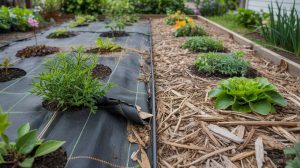
A well-maintained tumbler should outlast its warranty by several years. If you use finished compost under mulch layers, checking mulch material choices helps you layer inputs effectively.
Adding compost before mulching also improves results compared to mulching over bare soil. Once you understand your soil's baseline, knowing soil type differences tells you exactly how much compost to work in per season.
For households still deciding between a tumbler and a static option, comparing it against the top-rated compost bins can clarify which format matches your workflow.

Frequently Asked Questions
A single-chamber model works fine if you compost seasonally or in small batches. Dual-chamber becomes worth the extra cost once you're adding waste more than twice per week year-round.
Turn every 2–3 days in warm weather above 60°F. In cooler climates below 50°F, microbial activity slows, so turning every 5–7 days is sufficient until temperatures rise.
A dual-chamber model with roughly 18 gallons per side handles two people's daily kitchen scraps comfortably, completing one full batch approximately every three to four weeks.
Check door seals each spring for cracks, maintain a 2:1 brown-to-green ratio, and lubricate axle bearings once per season. A broken seal is the most common entry point for pests.
Finished compost is dark brown, crumbly, and smells like fresh earth — not like food waste. No recognizable food or plant material should remain visible in the batch.
Pin it for your next best compost tumbler project.